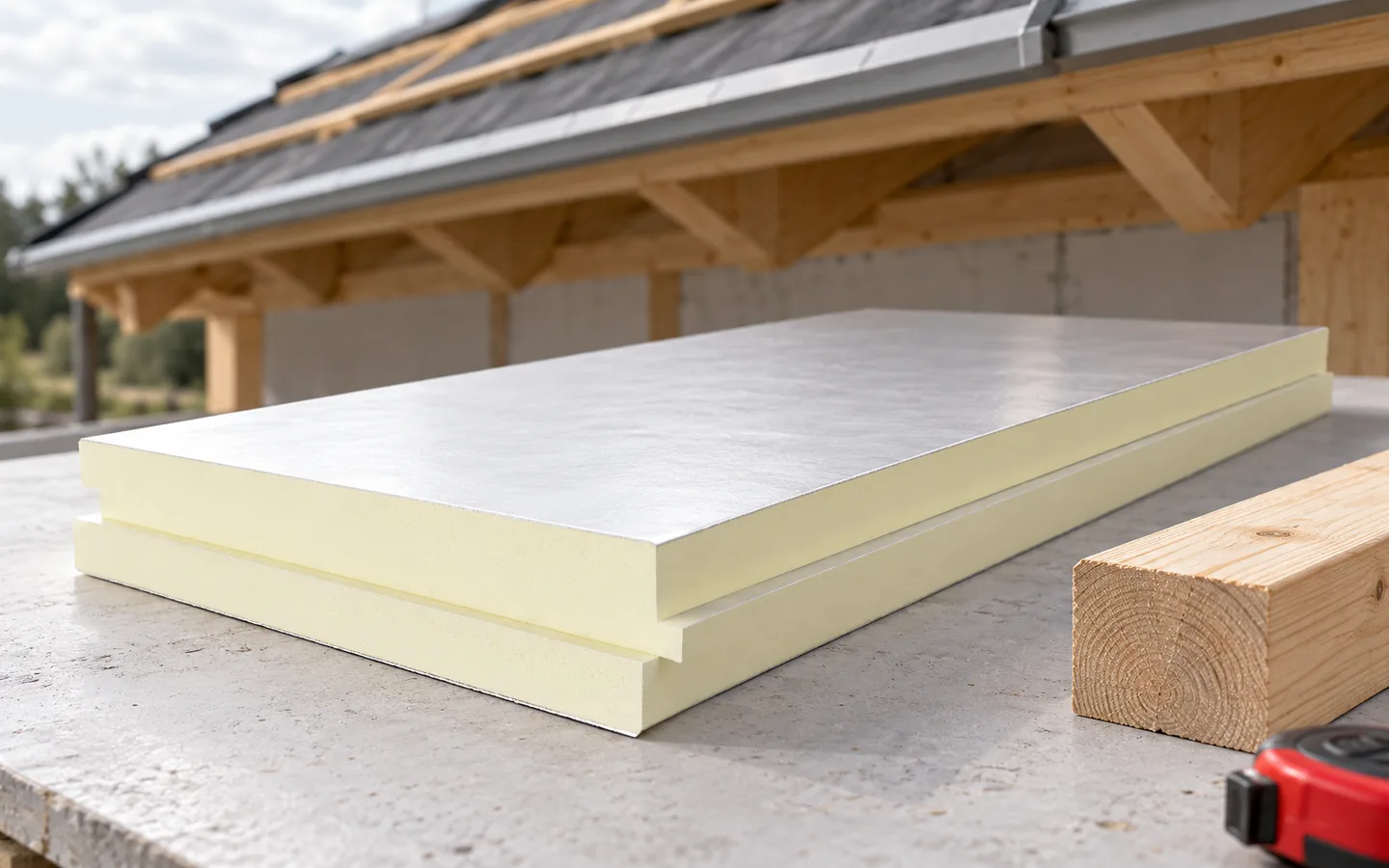
How should you plan internal insulation with aluminium-faced PIR boards?

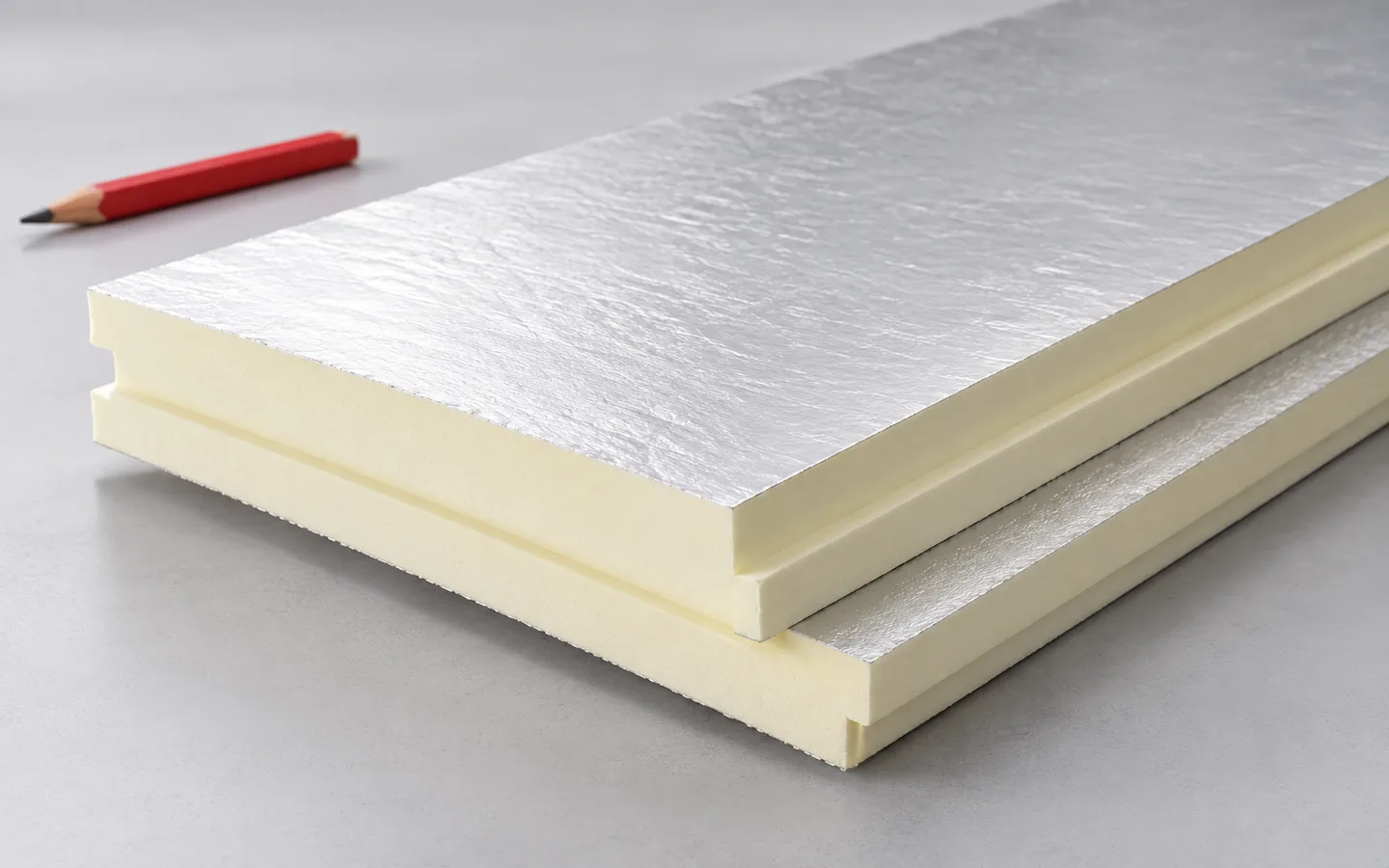
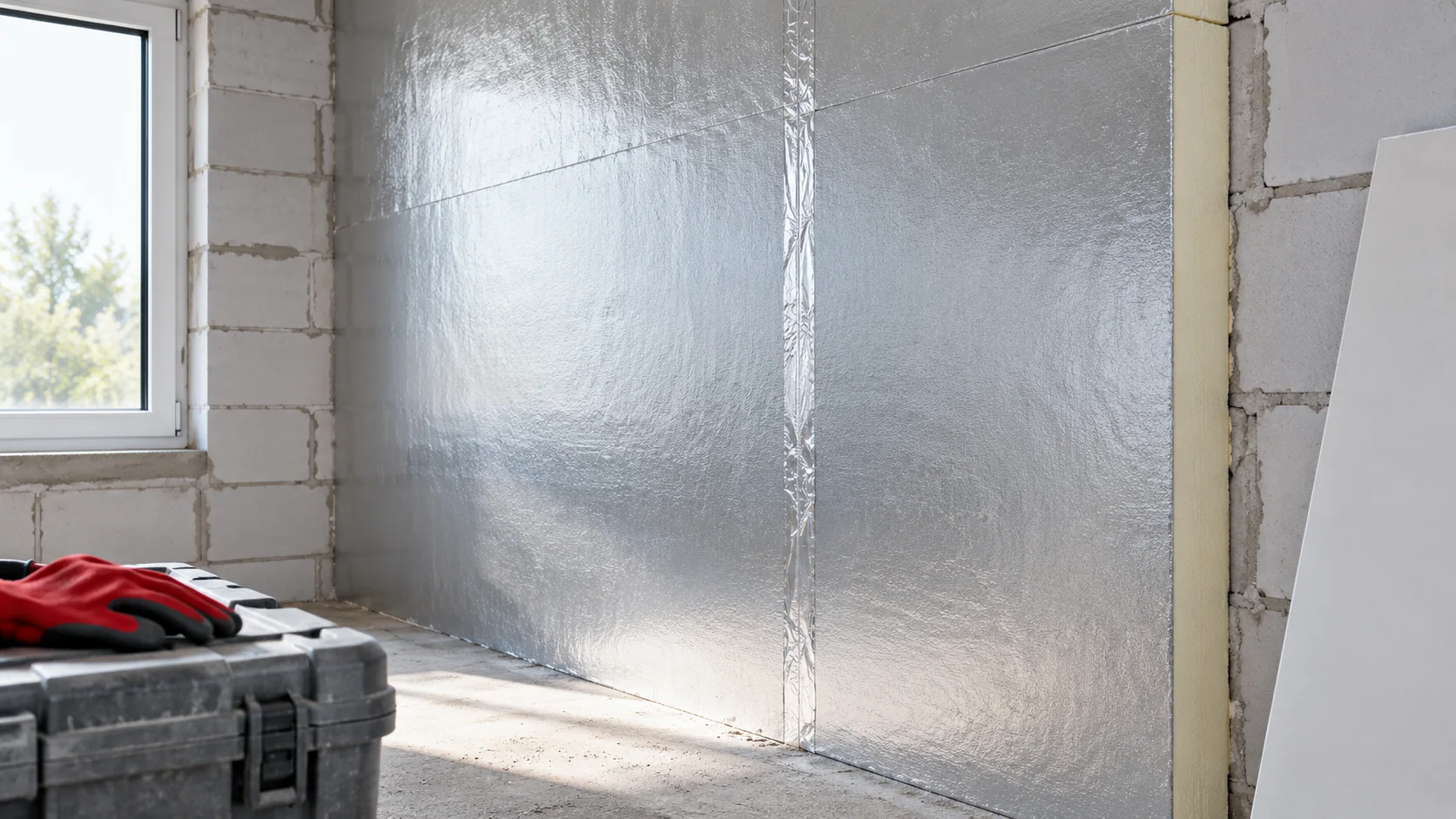
Aluminium-faced PIR can restrict vapour flow, but an effective barrier is only created once the boards are joined to the floor, ceiling and windows. With internal insulation, the condition of the wall and its ability to dry out are particularly important. First plan the entire assembly, and only then select the thickness and the method of finishing the interior. At the new-build stage, external insulation usually makes it easier to wrap the wall and structural junctions. Internal insulation is considered where the layout of the plot, façade requirements or zoning restrict other solutions. The decision should cover the entire barrier, not just the available width at the floor.
By |2026-11-14T10:38:17+01:002025-02-24|Knowledge base|Comments Off on How should you plan internal insulation with aluminium-faced PIR boards?

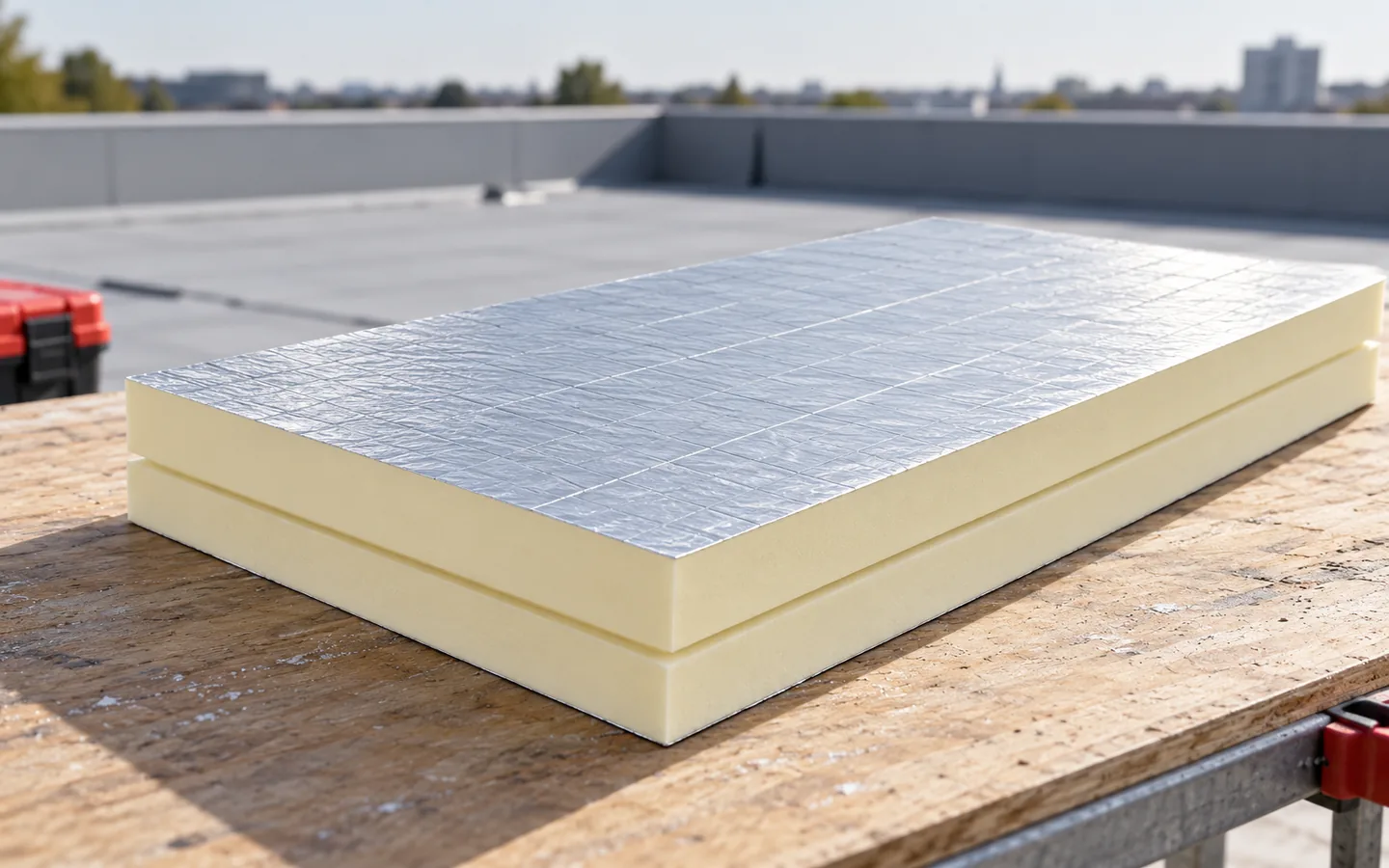
PIR or XPS on a flat roof: what does the layer build-up tell you?

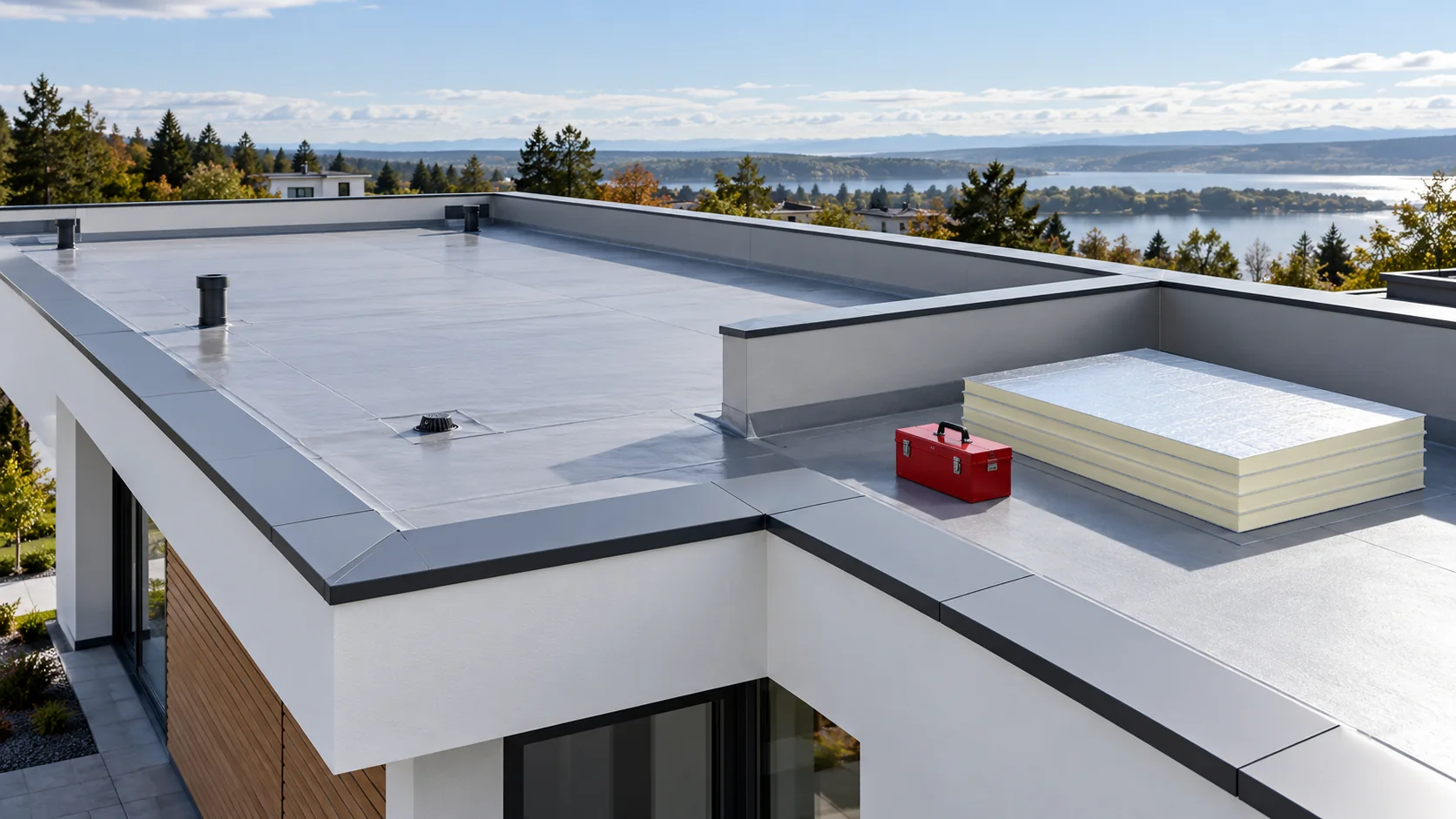
Choosing between PIR and XPS on a flat roof starts with establishing where the waterproofing sits and how the roof will be used. Insulation beneath the membrane works under different conditions from a layer above the waterproofing. The differences concern not only heat but also contact with water, loads, fixing and the height of details at the parapet. In a traditional build-up the thermal insulation sits beneath the waterproofing. PIR boards can form the layer in such a solution if their facings and the method of fixing suit the membrane or roofing felt. The vapour control layer and the substrate must also be matched to the whole roof.

By |2026-11-14T10:38:54+01:002024-07-26|Knowledge base|Comments Off on PIR or XPS on a flat roof: what does the layer build-up tell you?

Joint insulation order for several buildings: how to organise the specification?

A joint order of materials for the energy renovation of several buildings requires a consistent way of describing the works and separating the actual needs of each property. A uniform table does not mean that the same product should be used everywhere. PIR, EPS, XPS or mineral wool insulation is selected for the designed building element, its layers and conditions of use. On Izoprofil.com we show how to organise such a schedule: from identifying the properties, through material variants, to controlling changes in deliveries. This is an aid in preparing comparable quotes, without declaring identical savings for the whole group of buildings. Separate design decisions remain the basis. An organised order makes it possible to see whether an attractive price includes the necessary finishes and accessories and whether a proposed substitution does not change other parts of the solution.

By |2026-11-15T18:59:53+01:002024-06-08|Knowledge base|Comments Off on Joint insulation order for several buildings: how to organise the specification?

Insulating around the wall plate to avoid a thermal bridge

The wall plate zone needs continuous insulation linking the wall to the roof. A gap here causes cooling and condensation. PIR boards with low lambda perform well in tight details but do not replace airtight joints. Consider the timber condition, the room-side layer and ventilation patency. Fix the detail before the soffit, as different crews may leave a poorly insulated strip. The timber wall plate alone cannot match thick insulation for thermal resistance.

By |2026-11-14T23:56:33+01:002024-06-05|Knowledge base|Comments Off on Insulating around the wall plate to avoid a thermal bridge

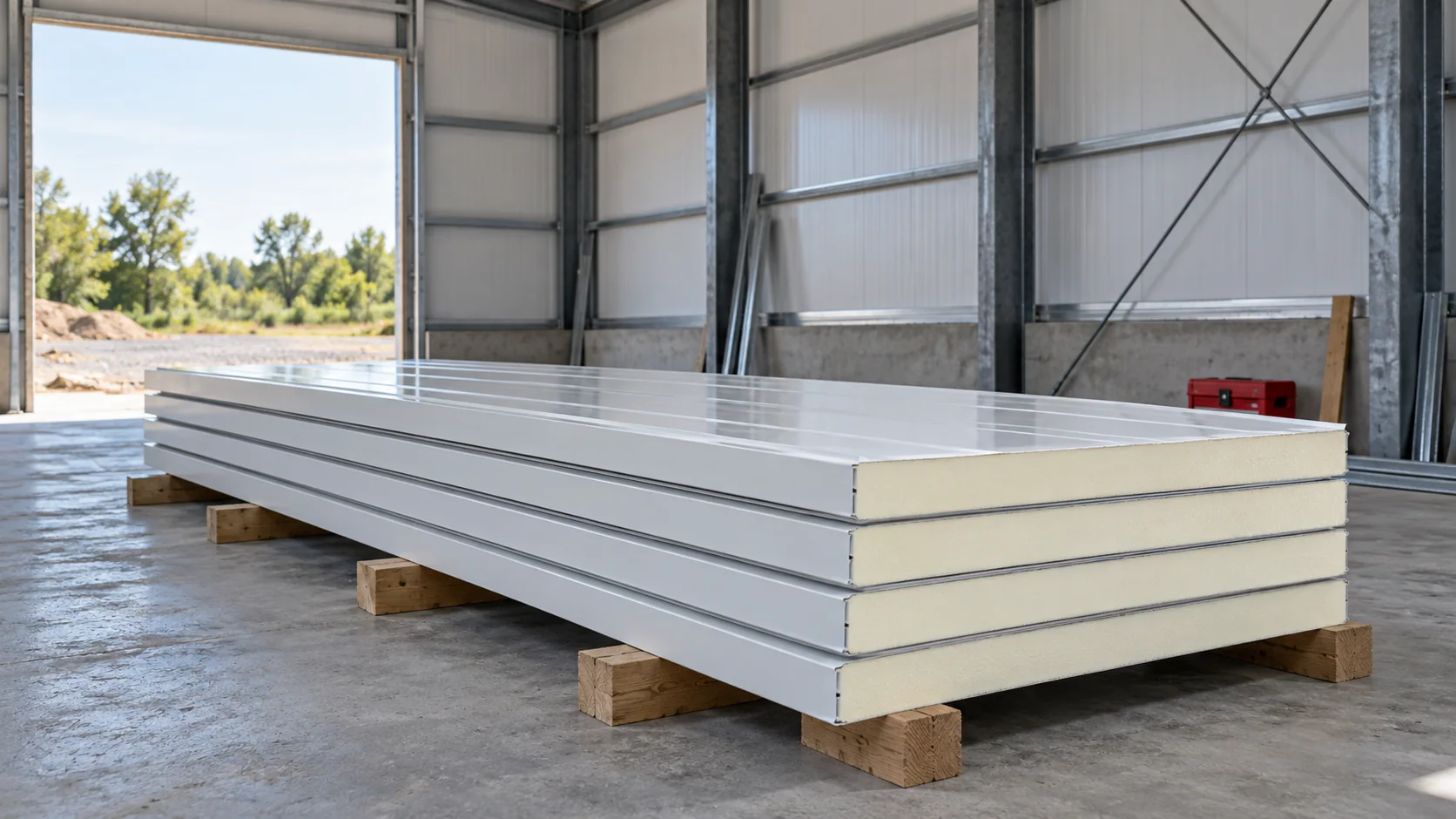
Will a white PIR wall panel 100 mm thick and 2480 mm long fit your design?

A short PIR wall panel can make it easier to build a low enclosure or divide a room if its dimensions suit the project. However, the figures 100 mm, 2480 mm and the white colour do not describe all the properties. Check the cover width, the approved support arrangement and the reason for the second grade before matching the room height to the batch. The value 100 mm specifies the nominal thickness of the product as described. It is not automatic confirmation of the U-value, fire resistance or span. The length 2480 mm tells you how much material you have along the panel, but it does not determine the resulting room height. That depends on the method of support and the detail at the ceiling.

By |2026-11-14T12:52:36+01:002024-06-02|Knowledge base|Comments Off on Will a white PIR wall panel 100 mm thick and 2480 mm long fit your design?

Which covering will protect a flat roof?

The choice of flat roof covering depends on compatibility with the substrate, falls, loads and intended use, not on the material name alone. Check that the design identifies the lowest points and emergency drainage, especially with a parapet. Confirm that the waterproof layer suits the fixing method and the PIR board facing. Also verify that outlets, penetrations and corners have execution details and that service access is planned. These details often determine the durability of the whole system.

By |2026-11-14T20:11:14+01:002024-05-04|Knowledge base|Comments Off on Which covering will protect a flat roof?

Which modern construction methods are worth considering?

Modern construction is not about choosing the newest products, but about matching the degree of prefabrication to the specific project. Before deciding, check access, transport and the ability to store large elements. A solution that is quick on a large site may be troublesome on a cramped plot. A sandwich panel requires the correct arrangement of supports and connections, and the core type is selected for the expected parameters. The core name alone does not guarantee the safety of the entire wall. What counts is the classification of the specific partition and how it is made.

By |2026-11-14T16:51:27+01:002024-04-13|Knowledge base|Comments Off on Which modern construction methods are worth considering?

How to plan and install roof insulation

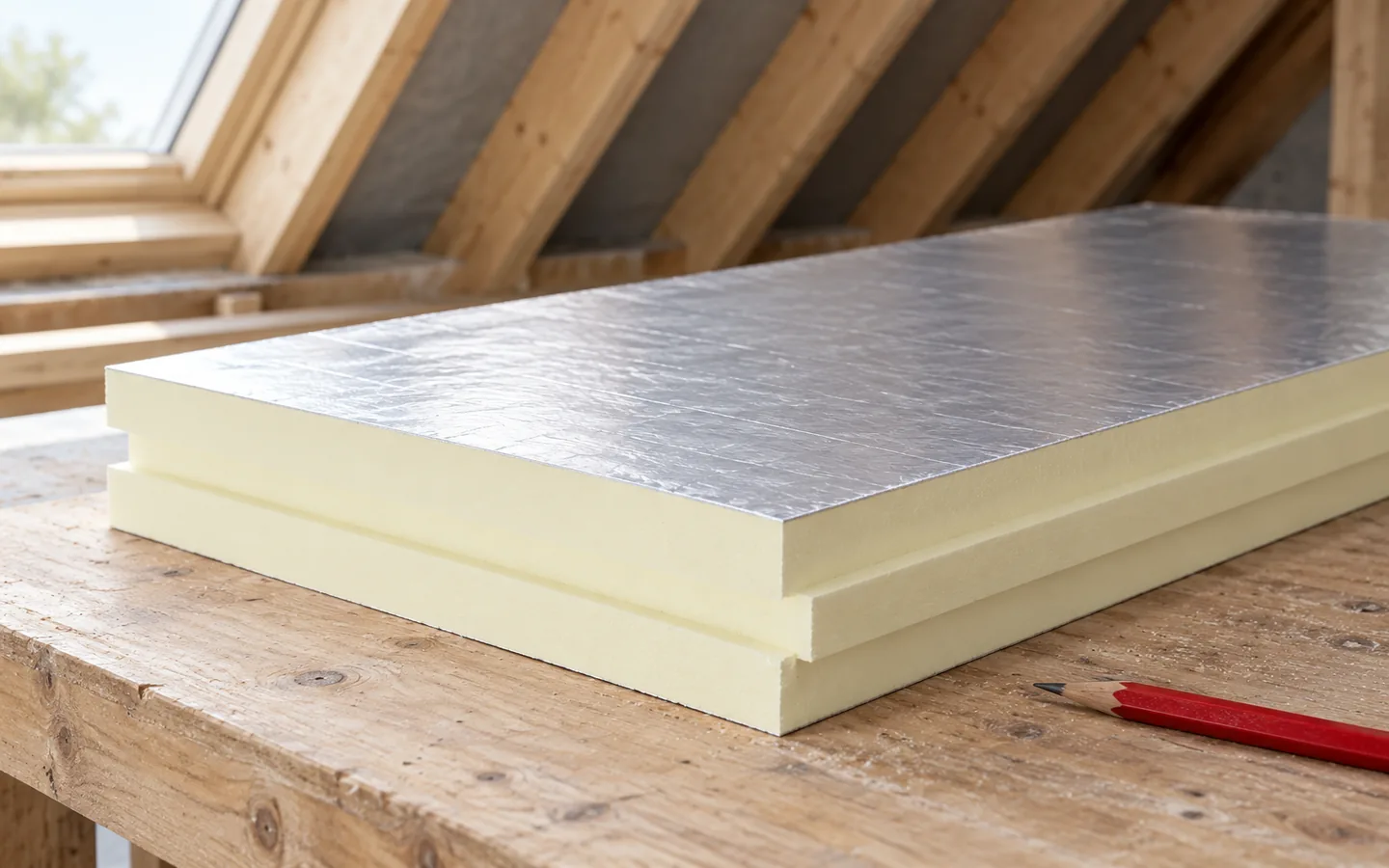
Begin roof insulation by settling the layer arrangement and checking the structure's condition. Only then choose the material, its thickness and how it will be fixed. PIR boards give high thermal resistance in a slim build-up, but need airtight joints and proper protection. Thermal bridges, the vapour layer and ventilation also count — centimetres alone do not determine the roof's quality. Insulation may sit between the rafters, below them or over the structure; this depends on whether the roof is new or you are renovating a finished loft. An above-rafter layout reduces timber-related bridges, yet the eaves height, flashings and covering fixings must be planned.

By |2026-11-14T20:14:04+01:002024-01-07|Knowledge base|Comments Off on How to plan and install roof insulation

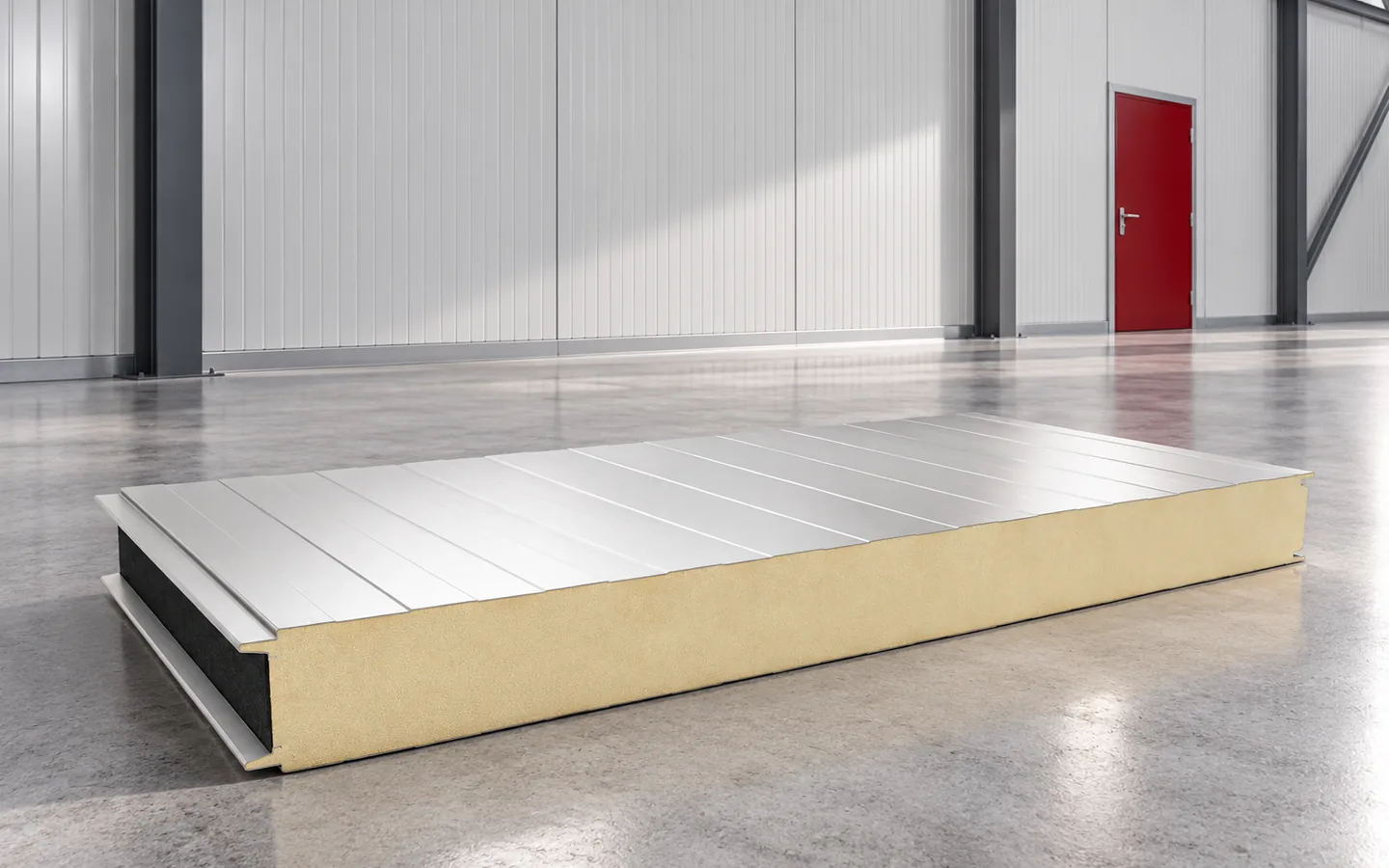
Choosing PIR wall panel thickness for different parts of the building

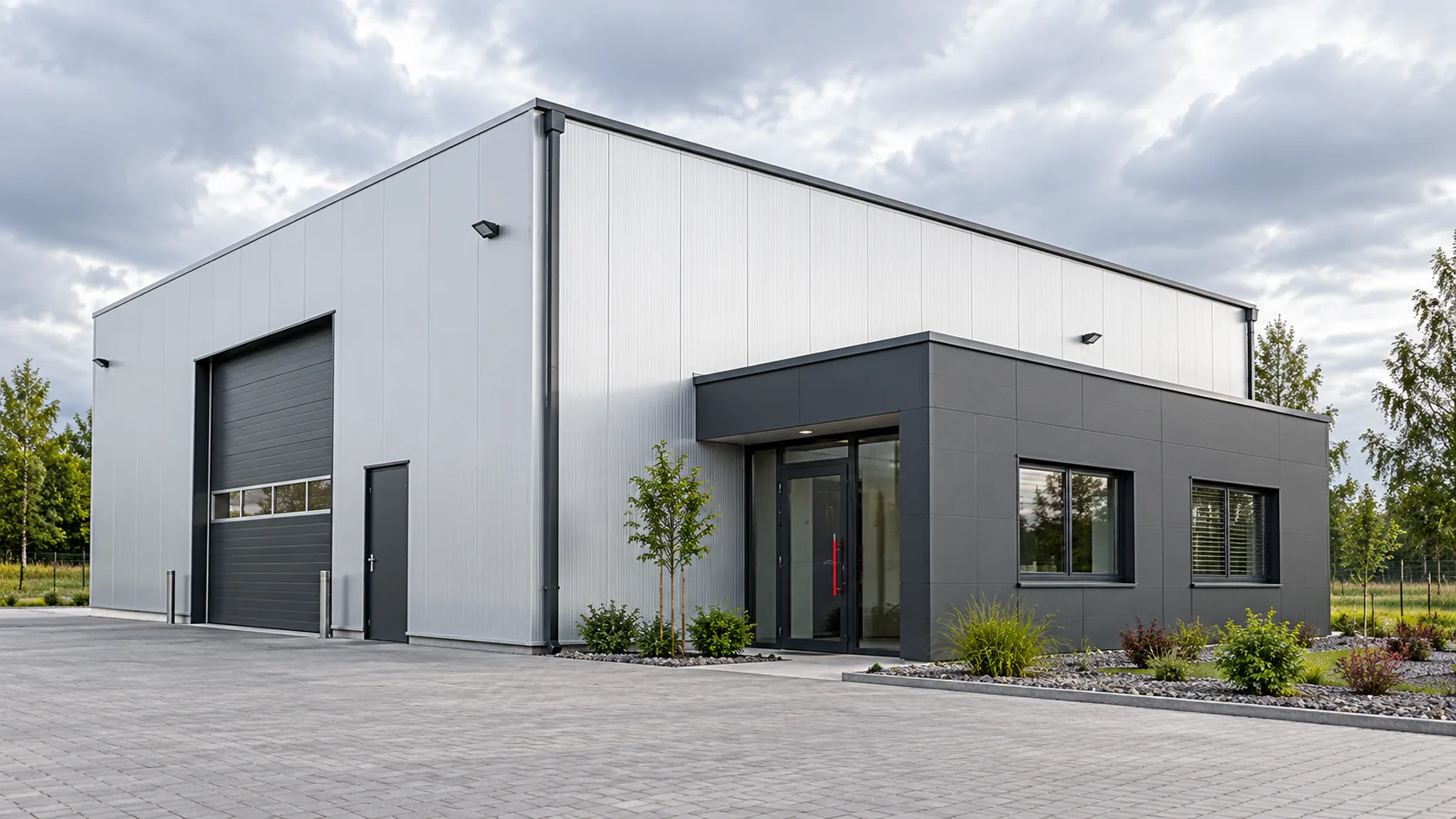
A single hall can house a heated workshop, a cooler warehouse and an administrative area. These zones place different demands on the walls. The thickness of the PIR panel should therefore be determined together with the building layout and the positioning of openings. Choosing the thickest core alone will not solve losses at the gate or breaks in the continuity of insulation. On the first drawing, mark the temperatures expected during use, operating hours and any interruptions in heating. Add the humidity resulting from processes, cleaning or the number of people. The wall of a room maintained at a constant temperature performs differently from the enclosure of a warehouse open for a large part of the day.

By |2026-11-14T12:54:00+01:002023-11-18|Knowledge base|Comments Off on Choosing PIR wall panel thickness for different parts of the building

PIR, EPS, XPS or mineral wool: choosing insulation for the roof build-up

Start by establishing where the heated part of the building ends, not by comparing material coefficients. If the loft is unheated, insulate the partition above the rooms; if it is used, insulate the roof slope together with its wall junctions. Only then compare PIR, EPS, XPS and mineral wool at the required thermal resistance and permitted layer arrangement, taking account of support, moisture, fire and loads. PIR delivers high resistance at low thickness, wool suits fire and acoustic requirements, EPS can be economical, and XPS is chosen where resistance to moisture and compression is needed. No material replaces airtightness, waterproofing and correct details.

By |2026-11-14T23:58:35+01:002023-09-22|Knowledge base|Comments Off on PIR, EPS, XPS or mineral wool: choosing insulation for the roof build-up
Back to top