Limited space for floor insulation: comparing the complete build-up

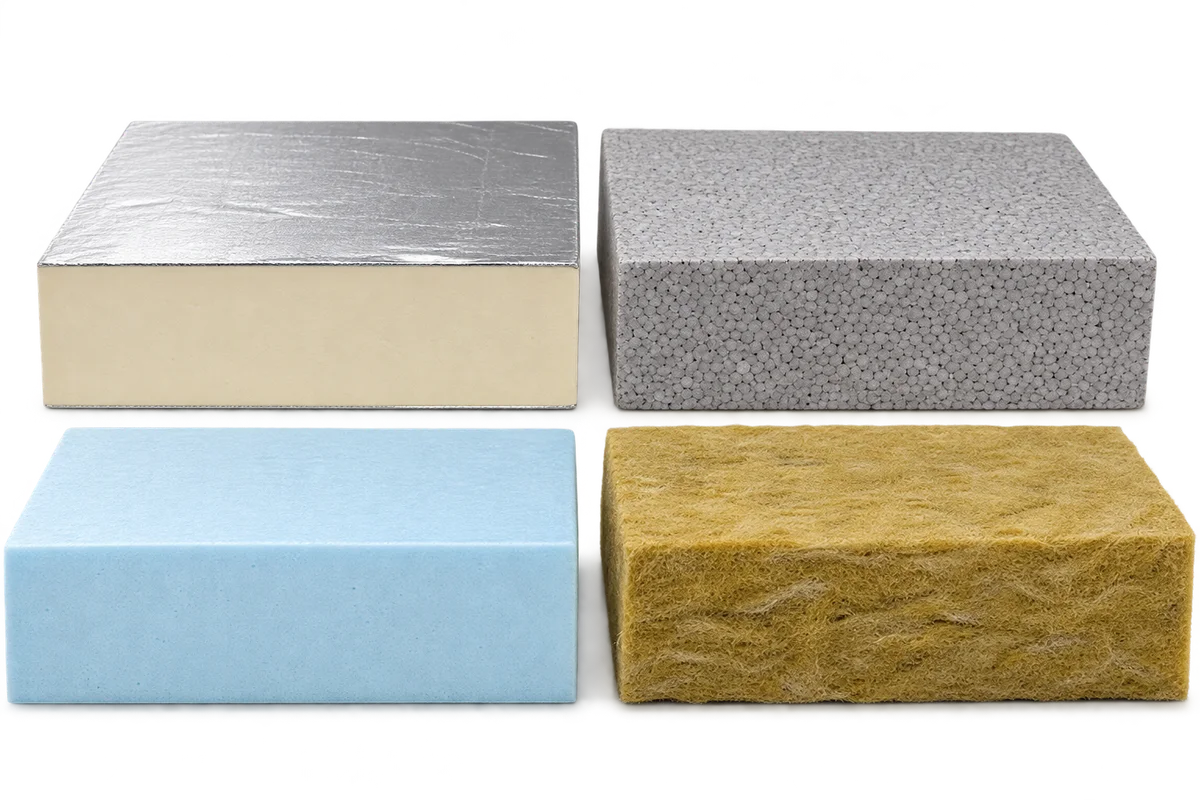
When renovating a floor, the choice between PIR, EPS, XPS and a suitable mineral wool board must account for the height of the entire assembly. Other layers sit above the insulation, while the finished level affects doors, thresholds and adjoining rooms. Before comparing board thicknesses, establish the actual substrate level and the requirements of the proposed floor construction. A shared section drawing then shows whether an option fits and what it changes at the edges. This guide explains how to prepare measurements and discuss alternatives with the designer. It does not prescribe a universal insulation or screed thickness; it helps compare solutions selected for a particular renovation.
By |2026-11-09T16:29:56+01:002026-11-09|Uncategorized|Comments Off on Limited space for floor insulation: comparing the complete build-up

Internal insulation and moisture: what to establish before choosing PIR

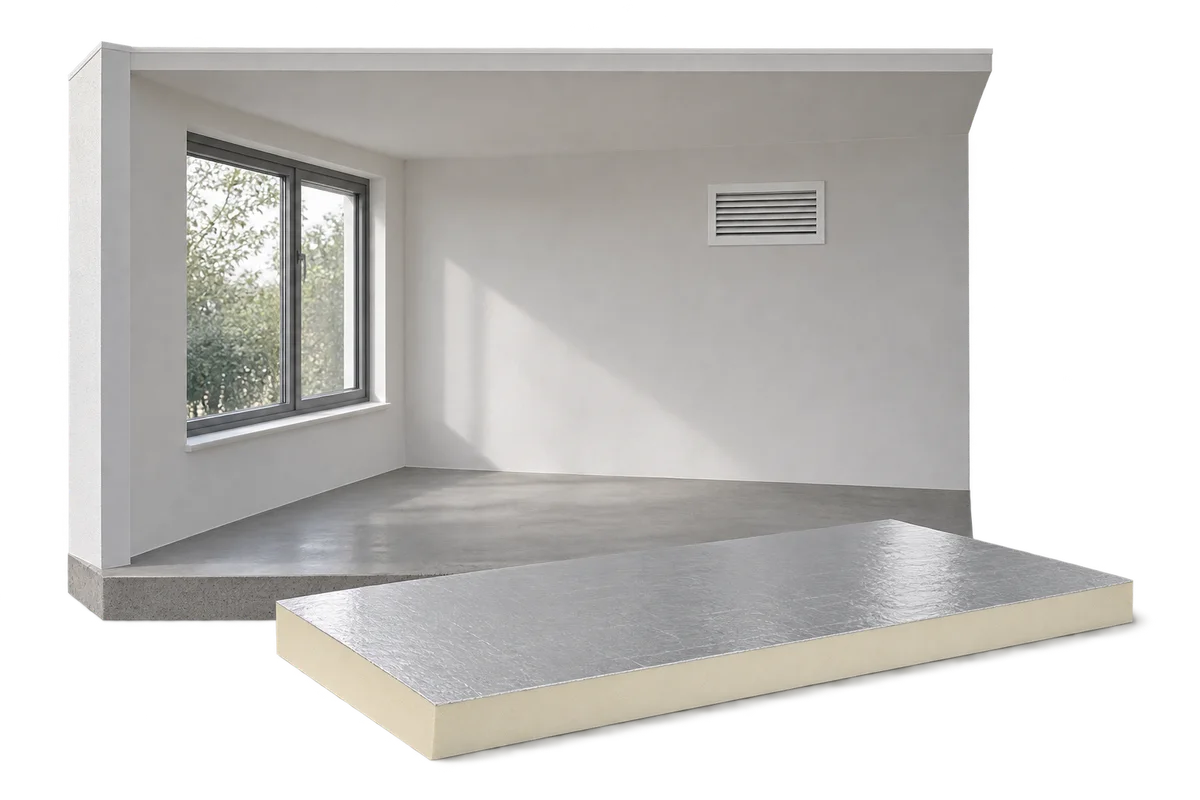
Insulating a wall from the inside requires assessment of moisture behaviour across the complete construction, rather than a comparison of PIR board thicknesses alone. Existing masonry, rain exposure, airtight connections and room ventilation influence the choice. An insulation name does not establish suitability for a particular wall or determine whether an additional vapour control layer is required. Before ordering, arrange an assessment and agree details at windows, floors and services. This guide organises the client's decisions, from defining renovation constraints and the design scope to accepting the work and fitting furnishings later. It is not a universal installation method: details must follow the building assessment and the selected system's documentation.

By |2026-11-10T02:35:07+01:002026-11-09|Uncategorized|Comments Off on Internal insulation and moisture: what to establish before choosing PIR

Can PIR insulation be combined with mineral wool, EPS or XPS?

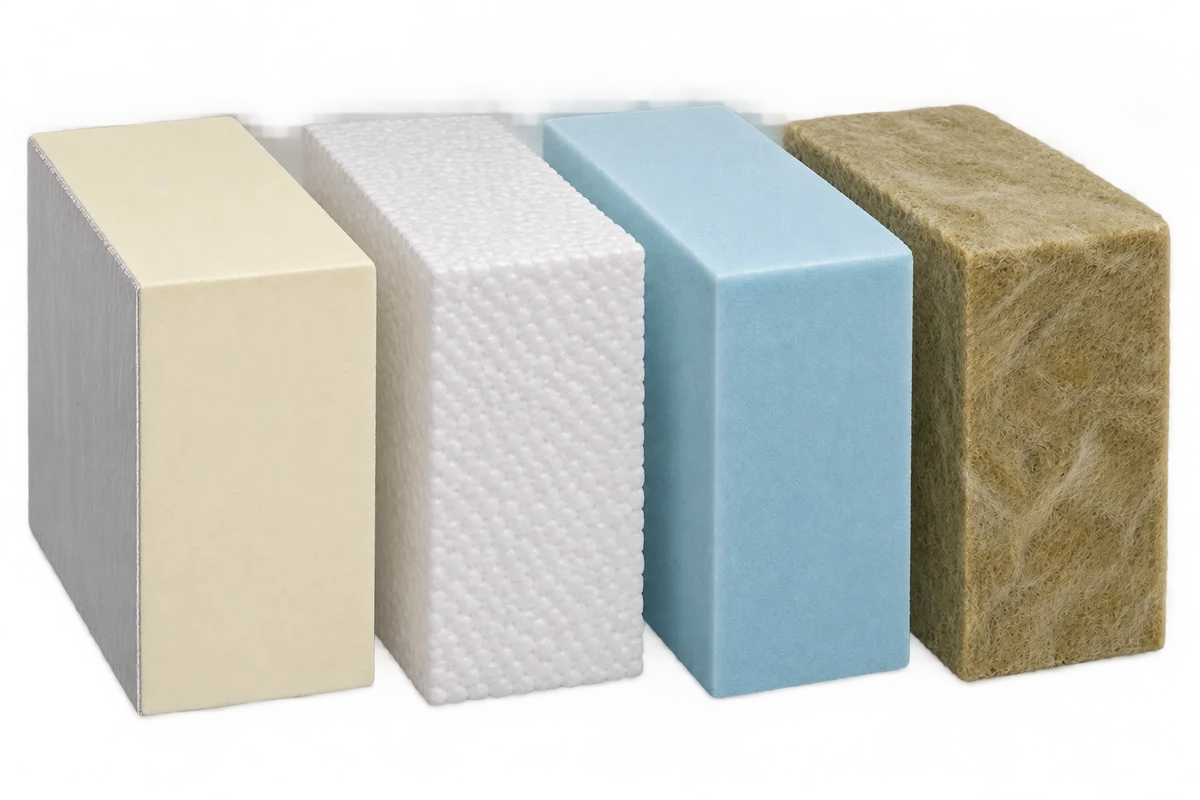
Different insulation materials can work together in one building element when each solves a specific problem. PIR can keep the build-up thin, mineral wool can contribute to fire protection or acoustics, and XPS suits certain applications exposed to moisture and compressive loads. The order of the layers, how they interact and the details of their installation determine whether the combination works. Adding their thermal resistances is not enough. In a roof retrofit, serviceable insulation can often stay in place while a new layer improves the whole assembly. In a floor, thermal insulation and a resilient layer for impact sound have different jobs. Combining materials is a design decision.

By |2026-11-09T07:07:35+01:002026-11-09|Uncategorized|Comments Off on Can PIR insulation be combined with mineral wool, EPS or XPS?

EPS, XPS or PIR: how to choose insulation for different parts of a new home?

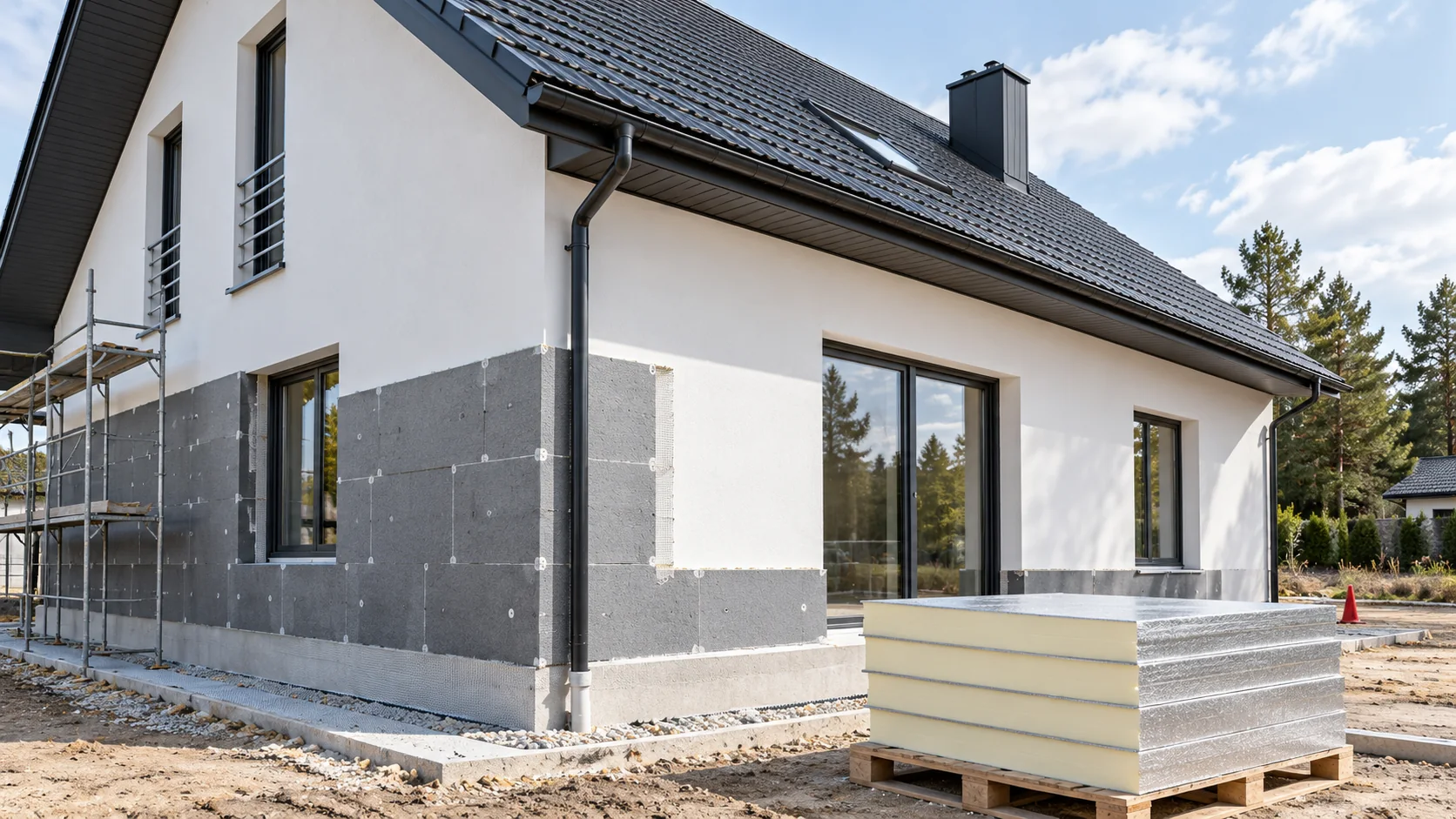
In a new home, various insulation materials can be used if each one matches the conditions of its zone. A wall under render, a roof under a membrane and a floor loaded with equipment do not impose identical requirements. A comparison of EPS, XPS and PIR is worth starting with the function of the layers, and only then comparing lambda, thickness and the cost of the finished installation. List the walls, plinth, floor, roof and any terrace. For each location, note contact with water, the expected load and the available space. Add the requirements for fire and the method of fixing. Such a schedule shows why one material does not have to be the best choice in every zone.

By |2026-11-14T12:52:21+01:002026-07-08|Knowledge base|Comments Off on EPS, XPS or PIR: how to choose insulation for different parts of a new home?

XPS or mineral wool? Different tasks in one building

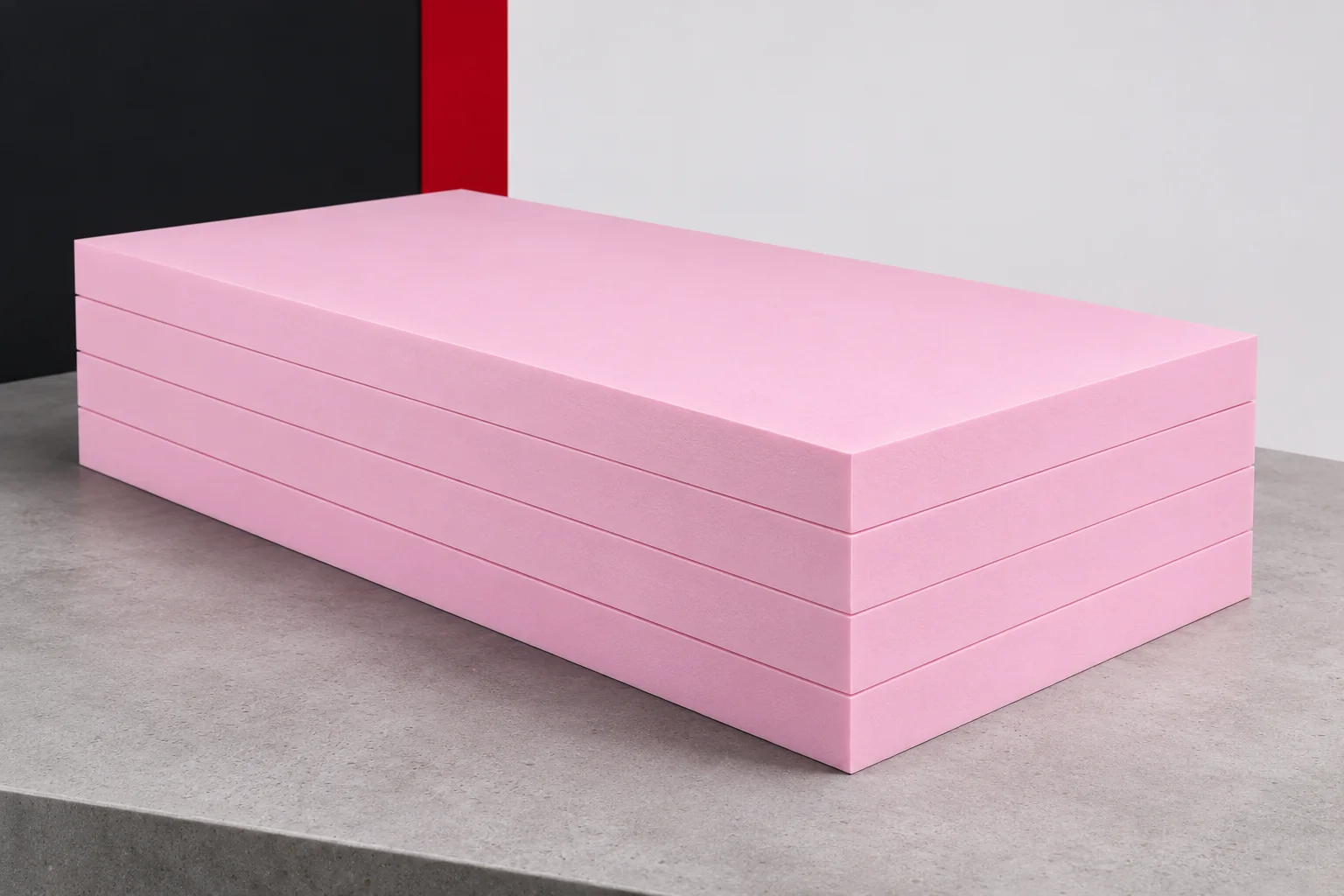
XPS and mineral wool restrict heat flow, but they do so as materials with distinctly different structures. Extruded polystyrene is a rigid foam, while mineral wool has a fibrous structure. This gives rise to important differences in application. The colloquial name Styrodur does not describe these properties. A comparison should cover not only thickness but also moisture, loads, and fire and acoustic requirements. A foundation is in contact with the ground, a loft has different moisture conditions, and a partition wall may need to absorb sound. No single material can be identified as the best for all these locations. XPS is selected where its combination of properties matches actual needs.

By |2026-11-15T18:59:42+01:002026-02-06|Knowledge base|Comments Off on XPS or mineral wool? Different tasks in one building

PIR or XPS on a flat roof: what does the layer build-up tell you?

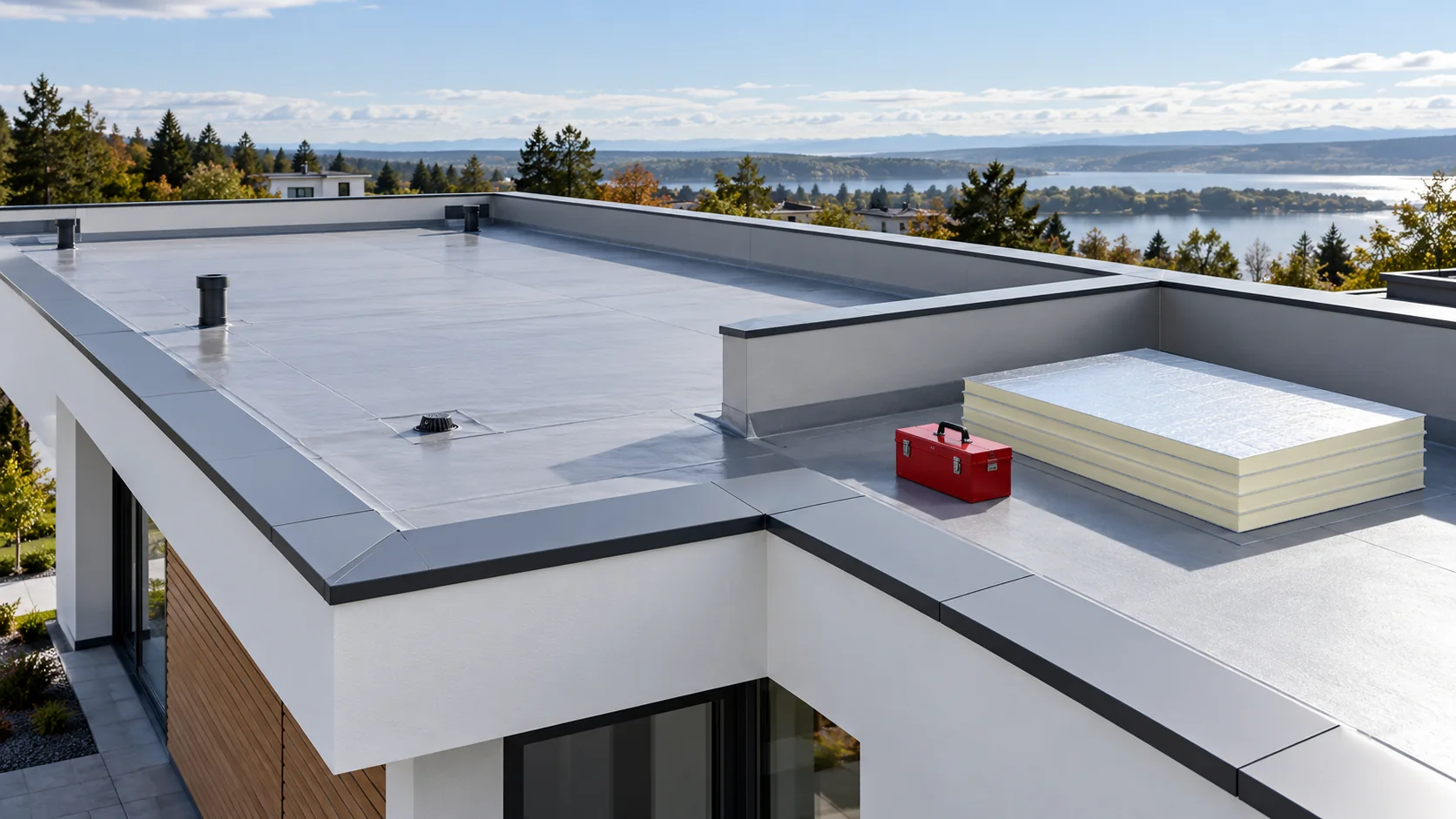
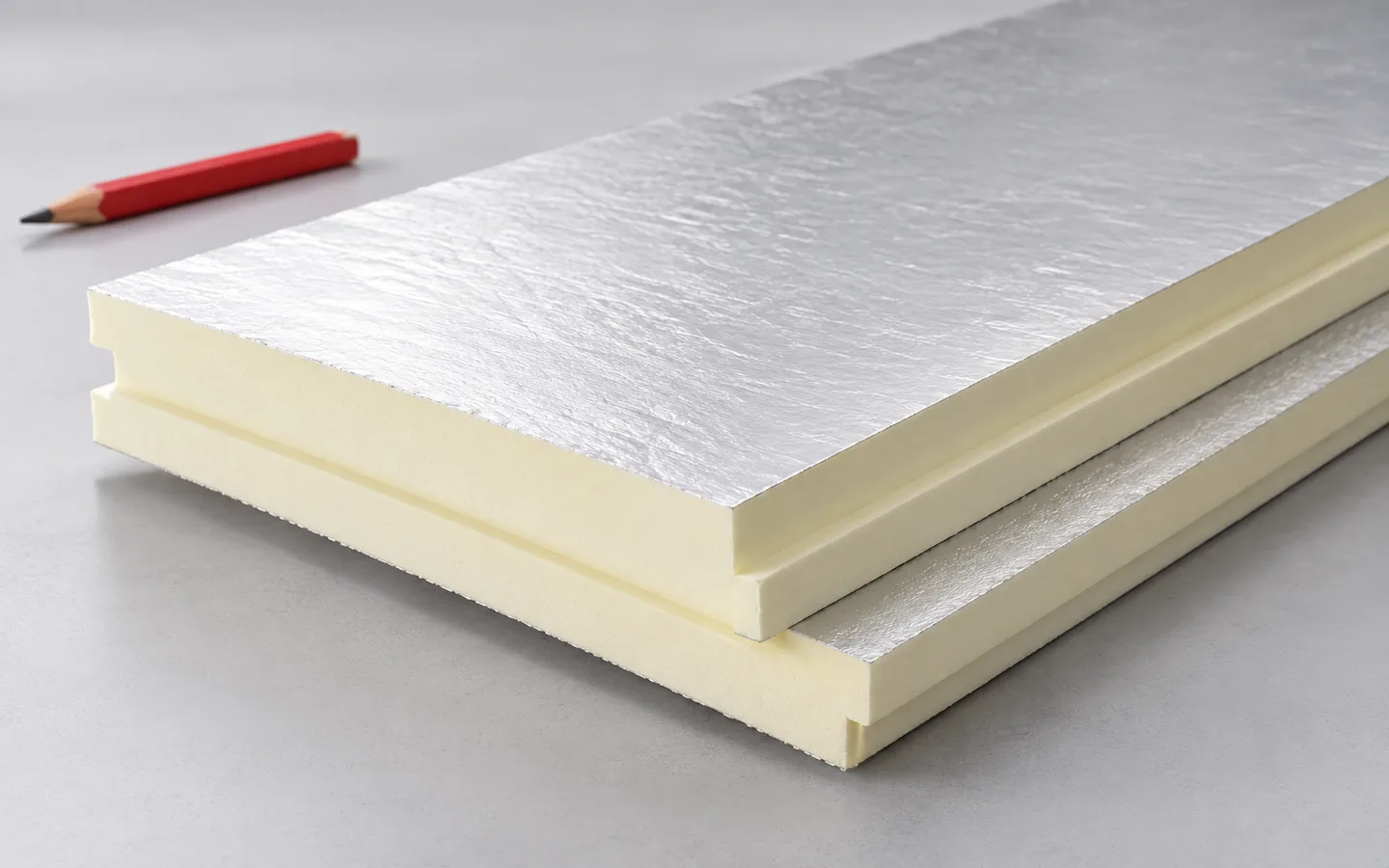
Choosing between PIR and XPS on a flat roof starts with establishing where the waterproofing sits and how the roof will be used. Insulation beneath the membrane works under different conditions from a layer above the waterproofing. The differences concern not only heat but also contact with water, loads, fixing and the height of details at the parapet. In a traditional build-up the thermal insulation sits beneath the waterproofing. PIR boards can form the layer in such a solution if their facings and the method of fixing suit the membrane or roofing felt. The vapour control layer and the substrate must also be matched to the whole roof.

By |2026-11-14T10:38:54+01:002024-07-26|Knowledge base|Comments Off on PIR or XPS on a flat roof: what does the layer build-up tell you?

PIR, EPS, XPS or mineral wool: choosing insulation for the roof build-up

Start by establishing where the heated part of the building ends, not by comparing material coefficients. If the loft is unheated, insulate the partition above the rooms; if it is used, insulate the roof slope together with its wall junctions. Only then compare PIR, EPS, XPS and mineral wool at the required thermal resistance and permitted layer arrangement, taking account of support, moisture, fire and loads. PIR delivers high resistance at low thickness, wool suits fire and acoustic requirements, EPS can be economical, and XPS is chosen where resistance to moisture and compression is needed. No material replaces airtightness, waterproofing and correct details.

By |2026-11-14T23:58:35+01:002023-09-22|Knowledge base|Comments Off on PIR, EPS, XPS or mineral wool: choosing insulation for the roof build-up

XPS price per m², m³ and pack. How to compare offers?

The XPS price may be given per pack, per square metre or per cubic metre. Without converting, it is easy to mistake a more expensive offer for a cheaper one or to order too little material. Extruded polystyrene is worth comparing at the same thickness and with the same properties. The colloquial term Styrodur does not specify the grade. A good offer contains data that allow you to calculate the quantity and check whether the boards are suitable for the project. Two packs of XPS may look similar yet differ in thickness, number of boards and parameters. A price without this information says little. Thermal, mechanical and moisture-related properties as well as edge geometry must be compared. Only then does converting units make sense.

By |2026-11-15T18:59:40+01:002021-03-28|Knowledge base|Comments Off on XPS price per m², m³ and pack. How to compare offers?
Back to top