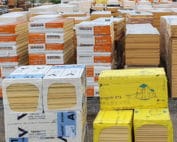
PIR insulation
EPS, XPS or PIR: how to choose insulation for different parts of a new home?
In a new home, various insulation materials can be used if each one matches the conditions of its zone. A wall under render, a roof under a membrane and a floor loaded with equipment do not impose identical requirements. A comparison of EPS, XPS and PIR is worth starting with the function of the layers, and only then comparing lambda, thickness and the cost of the finished installation. List the walls, plinth, floor, roof and any terrace. For each location, note contact with water, the expected load and the available space. Add the requirements for fire and the method of fixing. Such a schedule shows why one material does not have to be the best choice in every zone.
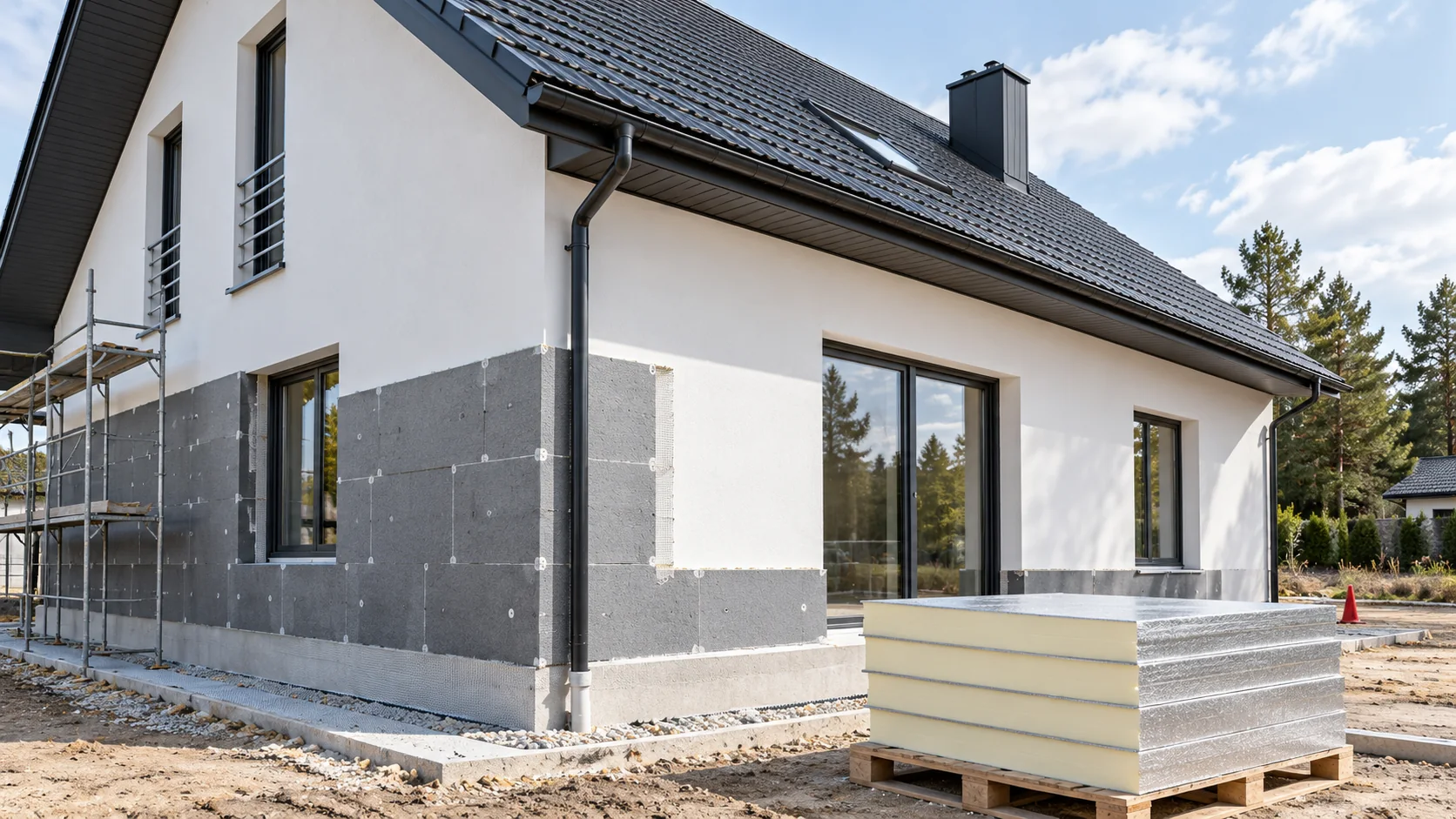
Start with a map of the building envelope
EPS and XPS are types of polystyrene produced by different processes. PIR is a different kind of rigid foam. Within each group there are products with different parameters and purposes. The colour or common name of the board does not identify its properties. The full designation of the specific variant is needed for the design.
On the façade, compare complete systems
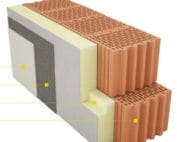
Under render, the insulation works together with the adhesive, fixings, reinforcing layer and finish. An EPS façade board is not automatically the same as a roof variant. Likewise, PIR in aluminium foil cannot replace a board with a facing intended for an external wall insulation system without confirmation.
Thermal resistance and total thickness are important, but so are adhesion, joint strength and fire requirements. If a thin reveal matters to you, check the PIR variant available in the appropriate system. Do not transfer the best lambda from one variant to all boards. A specific assembly may require a different value and a greater thickness.
In damp locations, check water and drying out
For foundations, plinths and inverted roofs, water-related properties are important. Suitable XPS is often considered under such conditions, but still requires selection for the specific application. An insulation board does not replace waterproofing or drainage. Low water absorption does not repair a leaking joint.
In some places, other materials intended for contact with moisture are also possible. However, a general name such as EPS or PIR should not be treated as proof of suitability. Check the range of application, the method of edge protection and compatibility with adhesives. The insulation material and the water-resistant layer must together form a jointly designed assembly.
Under the floor and on the roof, assess the duration of the force
Compressive strength at 10% deformation is a material test parameter. It does not mean that a floor can perform under the same pressure for years. For permanent loads, creep, permissible deformations and the way forces are distributed by the other layers are important.
A heavy wardrobe, partition wall or equipment base can load a small area. The floor design should account for these locations before the screed is laid. On the roof, the installation stage and subsequent technical access must also be considered. The CS(10) comparison alone does not establish which board may be walked on or how materials should be stored.

Bring heat transfer into the same units
For an example R of 4.00 m²K/W, a material with a lambda of 0.037 mathematically requires 148 mm, and at a lambda of 0.022 approximately 88 mm. This is a comparison of selected parameters, without taking other layers into account. It is not a universal EPS-to-PIR conversion factor nor confirmation of an available product dimension.
The U-value of the entire building component is calculated taking its construction and the required corrections into account. Hygric, mechanical and fire parameters remain separate criteria. A lower lambda can help to reduce the height of a detail, but does not justify omitting necessary layers. A lightweight covering also does not replace the supporting structure.
Choose the material together with the construction sequence
Include substrate preparation, fixing, protective layers and finishing in the cost comparison. A material that is more expensive per metre may change the number of operations, while a cheaper one may require different details. However, solutions meeting the same requirements must be compared. The price of a pack alone does not describe a finished wall or floor.
In the schedule, allow for protecting the insulation from weather and from other trades’ work. On a new build, it is easier to plan installation penetrations and supports than to cut them into finished layers later. A good selection result is a list of materials assigned to specific zones, with a clear method of connection at their boundaries.
Questions and answers
Is XPS simply a stronger EPS?
It is a material manufactured differently, and its selection requires checking the specific variant. The comparison cannot be reduced solely to strength.
Is it worth using PIR throughout the house?
Only where it meets the requirements of the building component and the entire system. Different zones may justify the choice of different insulation materials.
7 branches. Materials closer to your project.