Why must sheet thickness be selected together with the profile and supports?

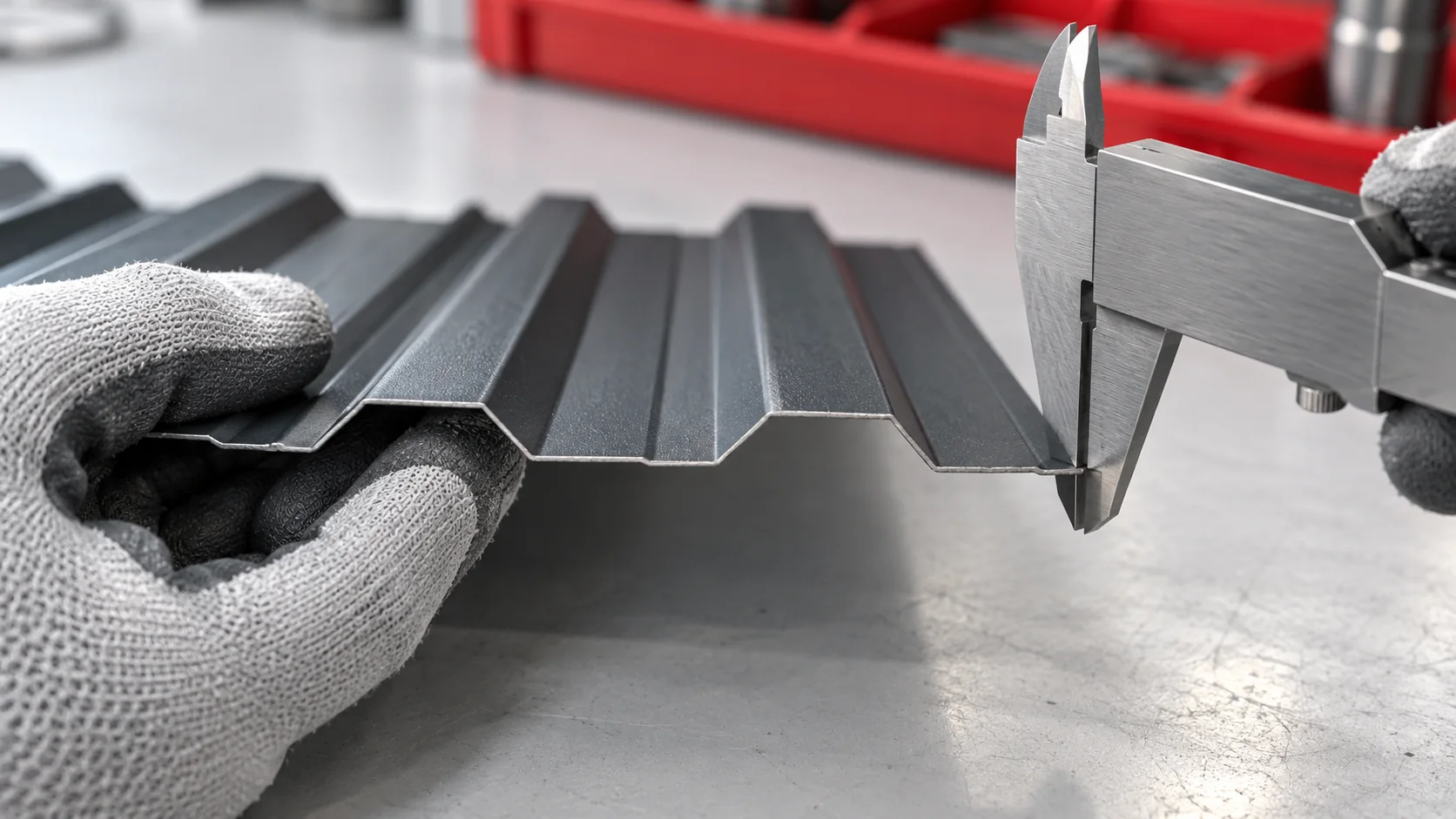
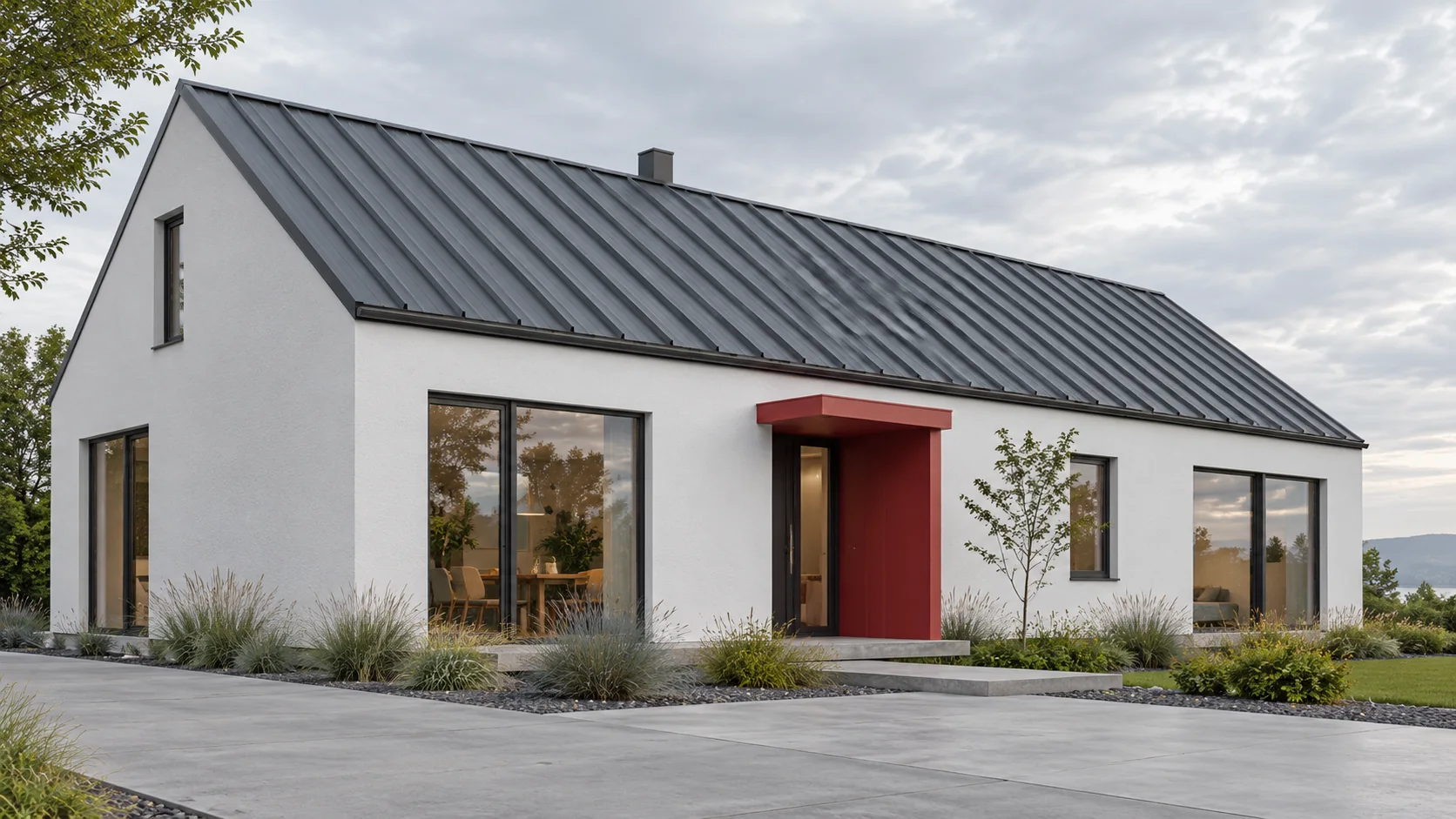
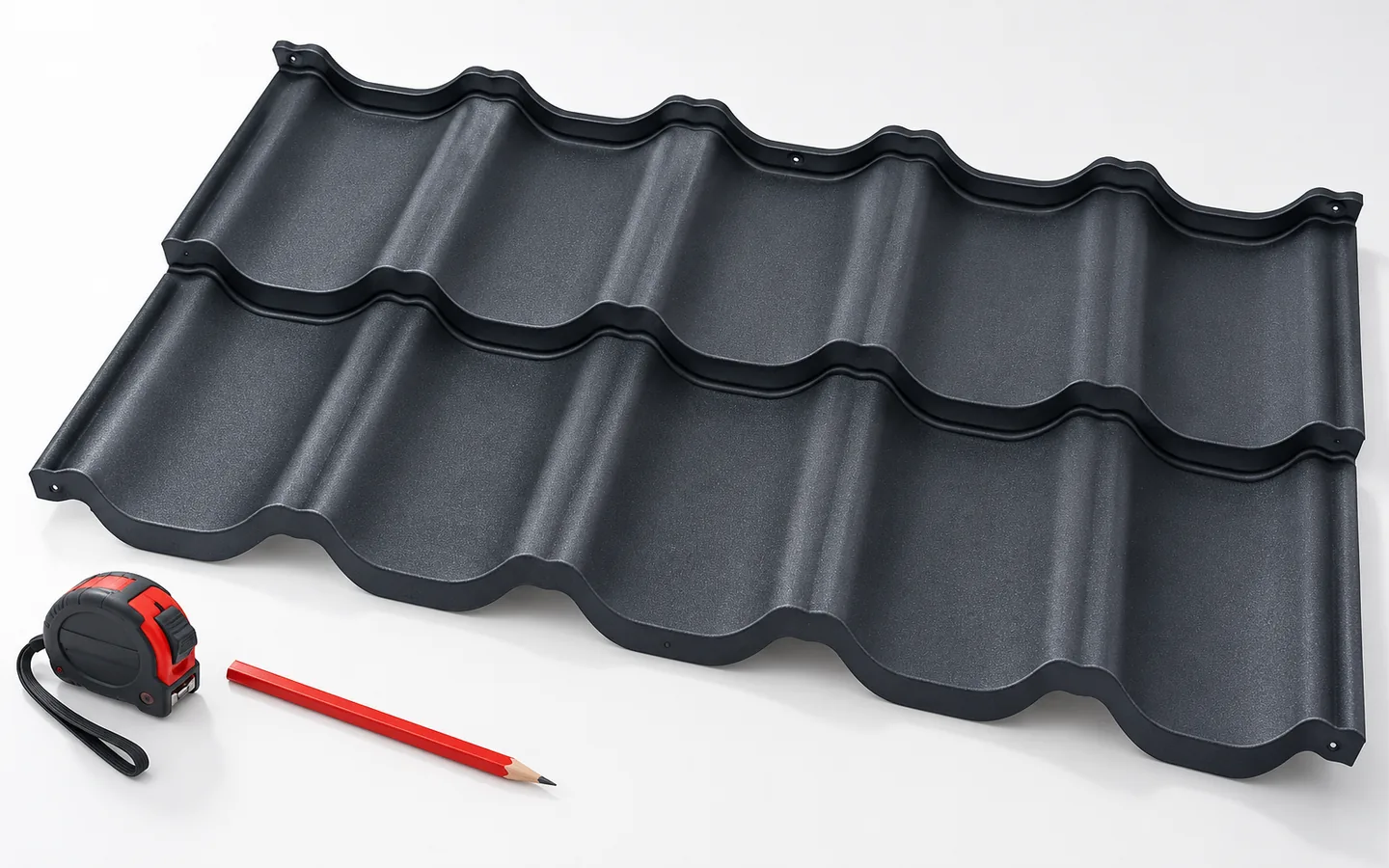
There is no single sheet thickness suitable for every roof. The sheet works together with the ribs, supports and fasteners. The choice of 0.5 or 0.7 mm should follow from the load and the specific section. Thicker material can improve the properties of the system, but it will not fix faulty construction or incorrectly selected fasteners. It must be established whether the stated value describes the nominal steel thickness and according to which rules it has been declared. Protective coatings are separate layers. Measuring the total thickness of the finished sheet does not automatically separate them from the core. Therefore, simply applying a calliper does not replace identifying the material.
By |2026-11-14T12:53:32+01:002023-01-03|Knowledge base|Comments Off on Why must sheet thickness be selected together with the profile and supports?

What changes when you choose trapezoidal steel sheet instead of tile-effect metal roofing on a new house?

Trapezoidal steel sheet can suit a house just as well as tile-effect metal roofing if the design accounts for it. The difference does not end with appearance. Both coverings have different geometry, support and details. It is worth comparing them before installing battens and flashings. A later change may require more work than the difference in sheet price suggests. Trapezoidal sheet forms continuous lines running in the direction of the roof slope. Tile-effect metal roofing adds a transverse division that resembles rows of tiles. Flat modular versions give yet another effect than traditional waves. It is therefore worth comparing specific profiles rather than two general material names.

By |2026-11-14T10:36:53+01:002022-12-26|Knowledge base|Comments Off on What changes when you choose trapezoidal steel sheet instead of tile-effect metal roofing on a new house?

Four things to check when choosing tile-effect metal roofing

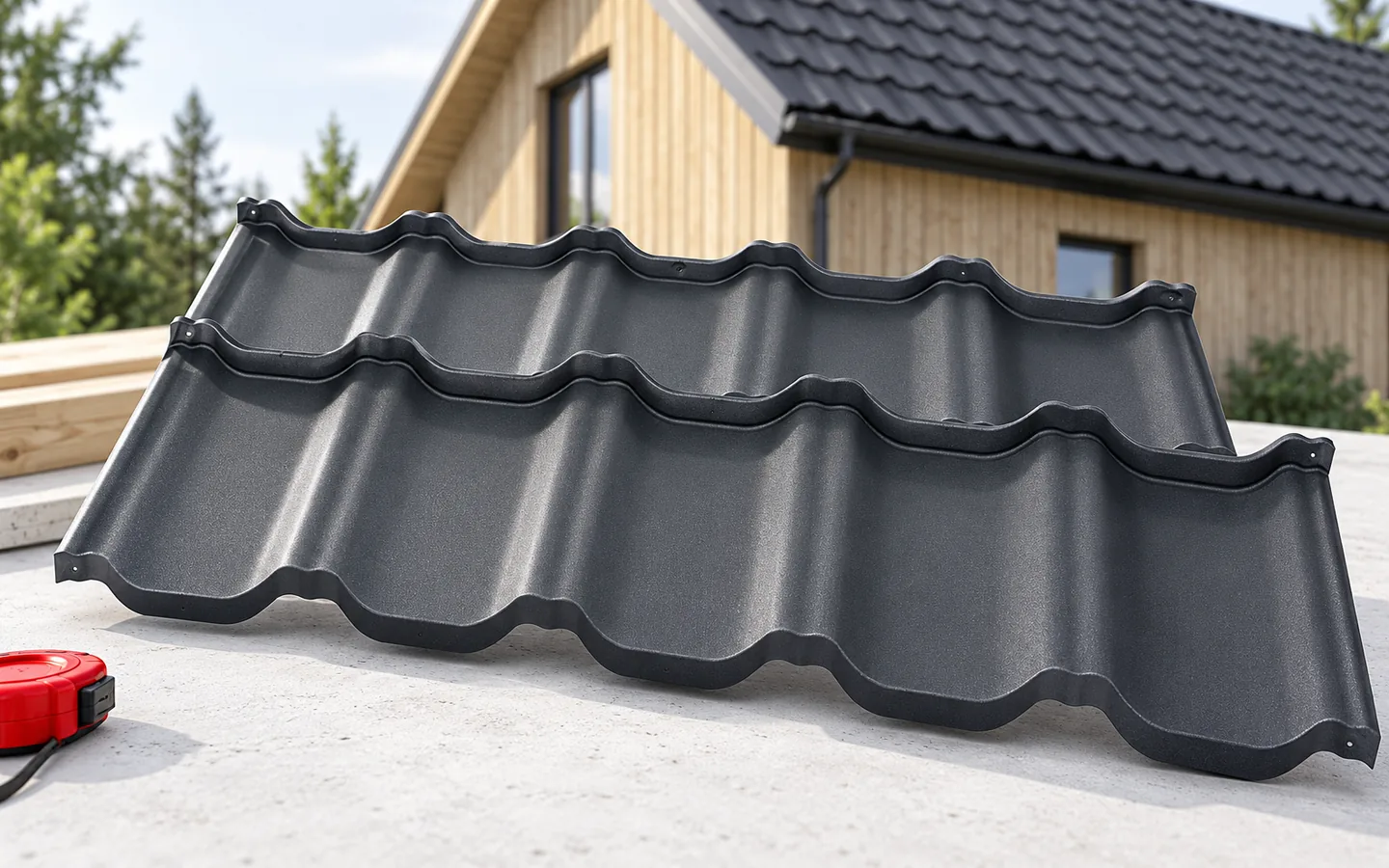
Before comparing prices for tile-effect metal roofing, check the chosen model’s installation instructions against the slope of your roof. Then compare the sheet material and coating, the size of the sheets, and the cost of the complete order including flashings and fixings. Colour is a design choice, while suitability has to be established from the technical data. For a roof with several intersecting slopes, ask for a cutting layout to see how much sheet will be left over. Review the drawings and specifications with the designer or installer before ordering.

By |2026-11-15T03:57:40+01:002022-12-14|Knowledge base|Comments Off on Four things to check when choosing tile-effect metal roofing

What goes into a complete roof and how to estimate the cost

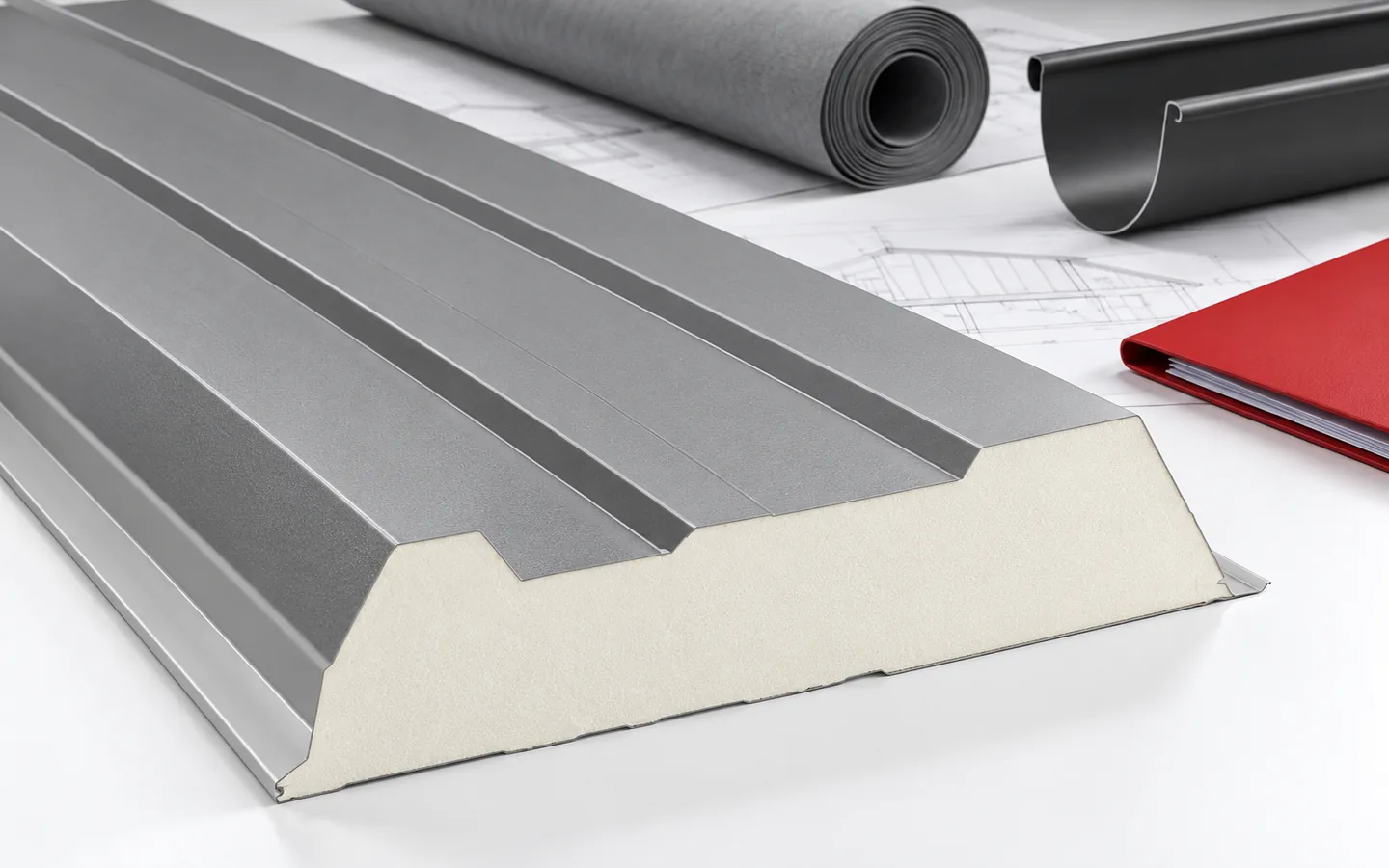
A complete roof comprises the structure, protective layers, covering, flashings and drainage, plus insulation and airtight junctions with partitions in a heated building. When pricing, check whether the offer covers all these elements together with installation and transport, rather than comparing the material price alone. Differences in delivery scope and parameters may not be visible at first glance, so ask for an itemised breakdown of works and materials. This helps avoid a seemingly cheap order and allows cost control.

By |2026-11-14T16:50:39+01:002022-12-10|Knowledge base|Comments Off on What goes into a complete roof and how to estimate the cost

When do the advantages of sheet metal roofing matter most?

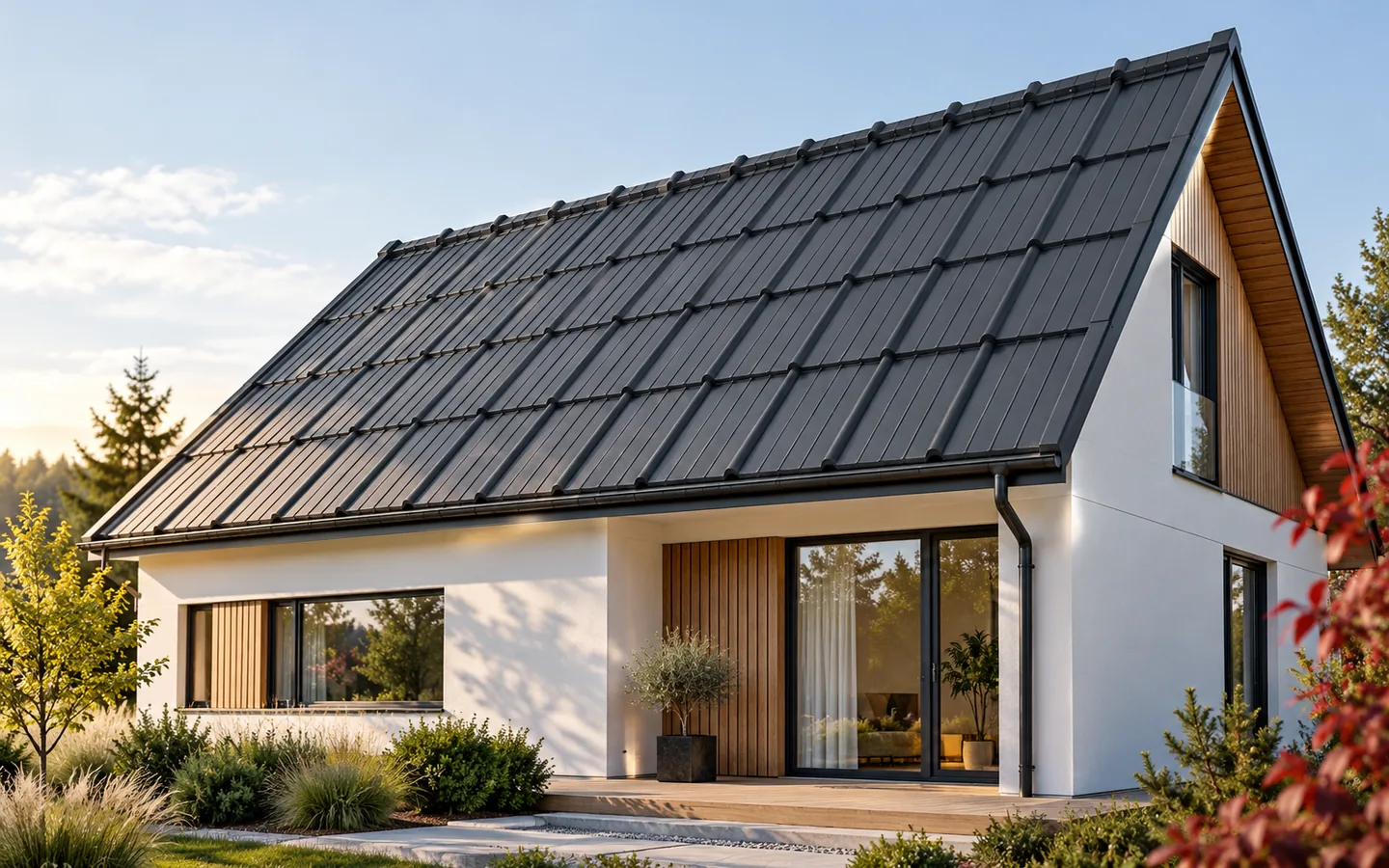
A sheet-metal roof can be light and quick to install, yet its advantages emerge only when weighed against a specific project. Check the load-bearing capacity of the existing roof structure, the batten spacing and the fixing method, because the sheet alone does not relieve the structure without verification. For a renovation, compare the cost of preparing the substrate and the full layer build-up, not just the weight per square metre of covering. The choice of profile and sheet format should suit the roof shape and the number of details. Leave the decision to use sheet metal to the designer, who will assess pitch, loads and the required coating protection.

By |2026-11-14T16:52:19+01:002022-12-02|Knowledge base|Comments Off on When do the advantages of sheet metal roofing matter most?

Choosing an external window sill that drains rainwater away

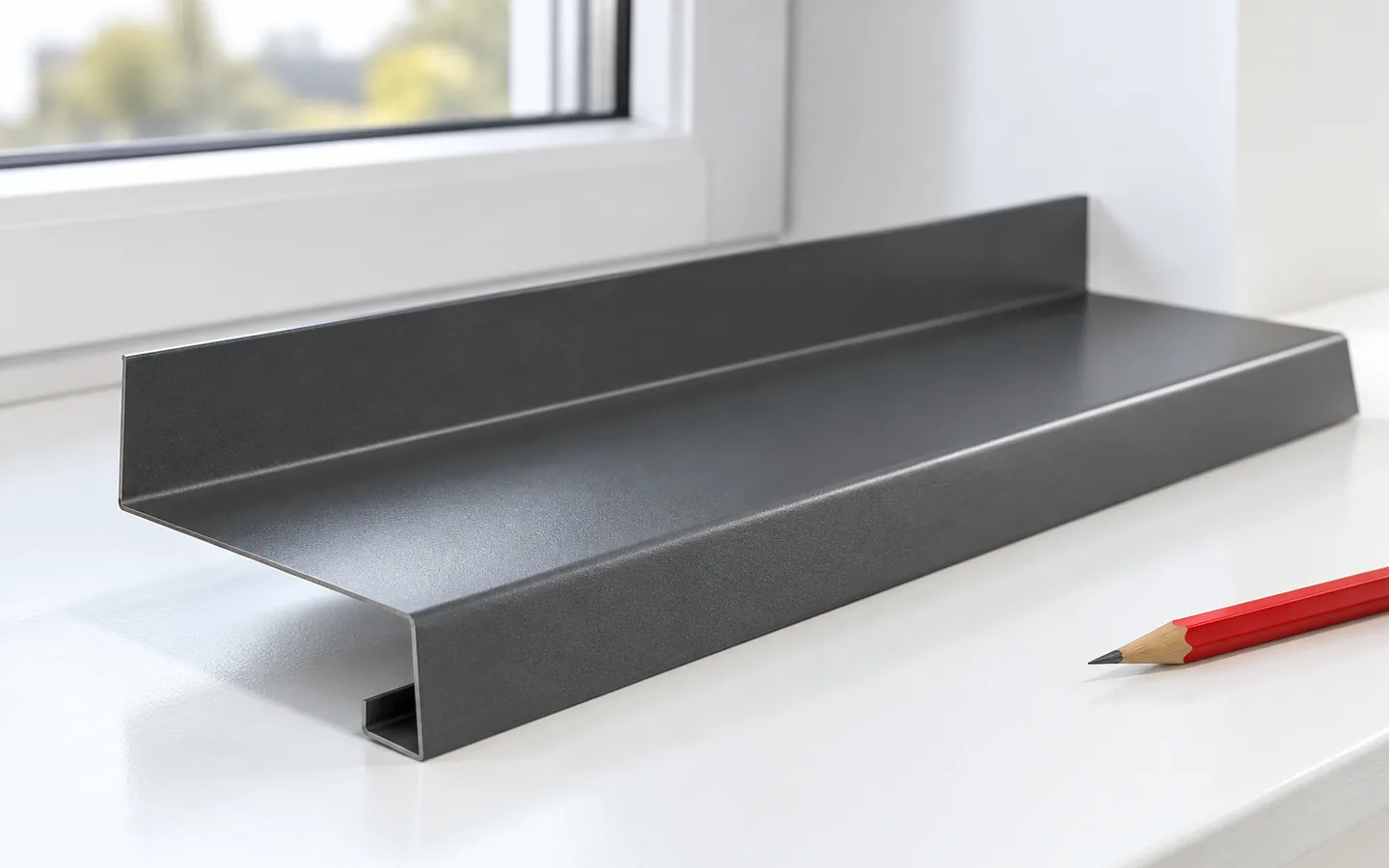
An external sill directs water away from the façade and protects the window-to-wall junction. Tightness depends on the slope, side terminations and connection to the frame, not on the material alone. Steel sills are lightweight and easy to colour-match to roof sheeting. Aluminium, stone and other options have different installation requirements. The variant must suit the insulation and the actual width of the recess. Water from the glass and frame must not enter the gap beneath the window – the sill catches it and leads it beyond the façade face thanks to a slope and drip edge. If water seeps underneath and returns to the render, colour is irrelevant.

By |2026-11-14T23:58:03+01:002022-11-27|Knowledge base|Comments Off on Choosing an external window sill that drains rainwater away

Metal shingle roofing or tile-effect sheets: how do they differ?

Shingle-effect metal roofing uses profiled steel to reproduce the pattern of overlapping timber shingles. It is available with a coated or stone-coated finish. To choose a system, check the data sheet and fitting instructions for the particular profile. The name alone tells you little about steel thickness, effective cover width or how the joints keep out rain. Check the permitted pitch, batten spacing and support at the eaves, and leave room for flashings around roof windows and chimneys. Compare those details alongside the appearance when choosing between shingle-effect and tile-effect sheets.

By |2026-11-15T00:02:07+01:002022-11-13|Knowledge base|Comments Off on Metal shingle roofing or tile-effect sheets: how do they differ?

Common causes of roof window faults and complaints

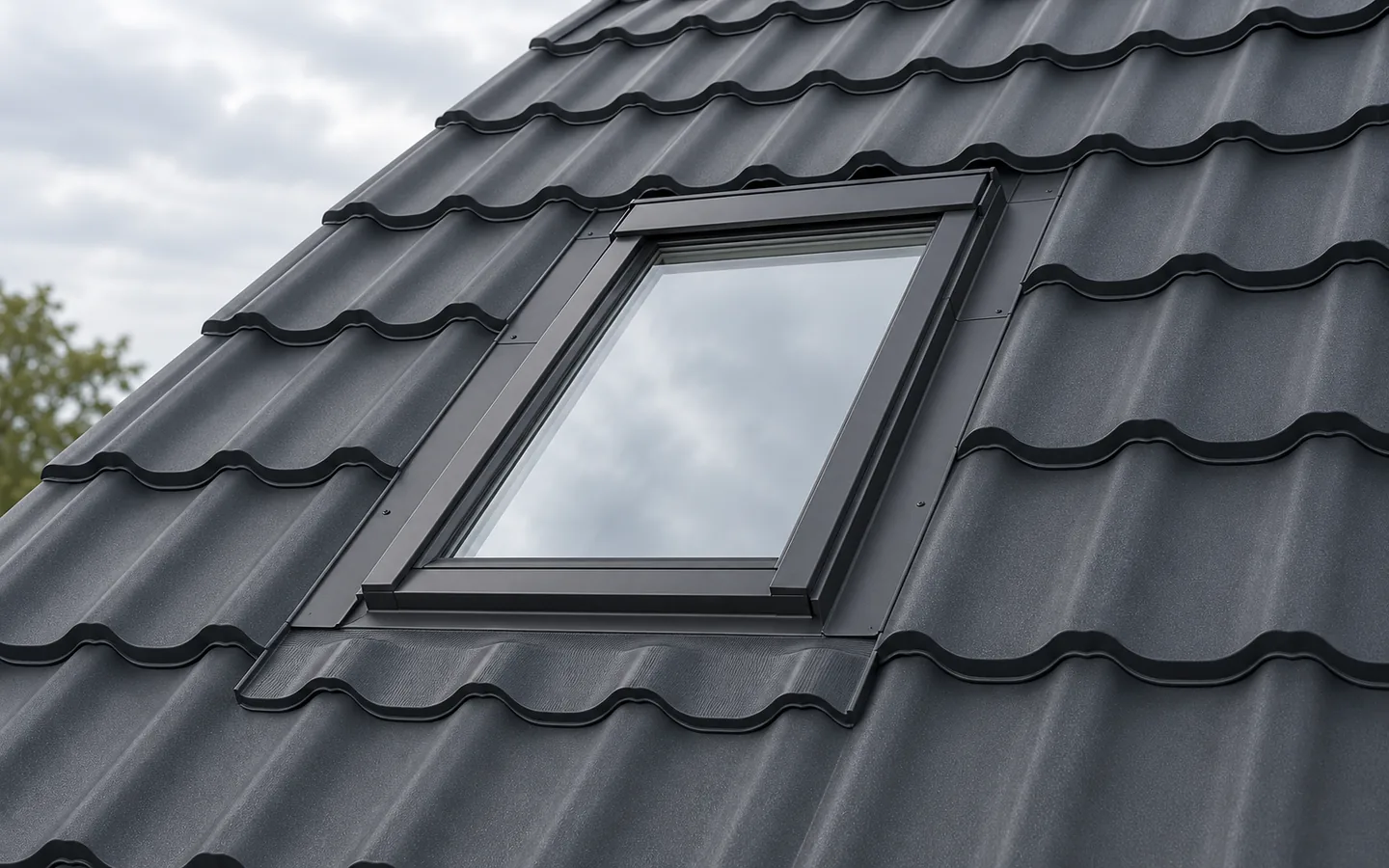
Roof window problems often arise from product choice, installation or the conditions inside the attic. Water on the pane does not always signal a leak, and condensation need not mean a faulty seal. Check the flashing, the junction with the metal sheet, the insulation and the ventilation. A careful order and installation records cut the risk of mistakes and help identify what caused the fault. The window must suit the roof pitch, how the interior is used and the intended fitting; its size and position within the structure also count. A larger window may call for changes to the roof truss, and rafters should not be cut without a design for transferring loads. For thermal assessment, the whole-window value is distinct from that of the glass alone.

By |2026-11-14T20:37:04+01:002022-11-06|Knowledge base|Comments Off on Common causes of roof window faults and complaints

Snow fences or individual snow guards? Choosing protection above entrances and along the eaves

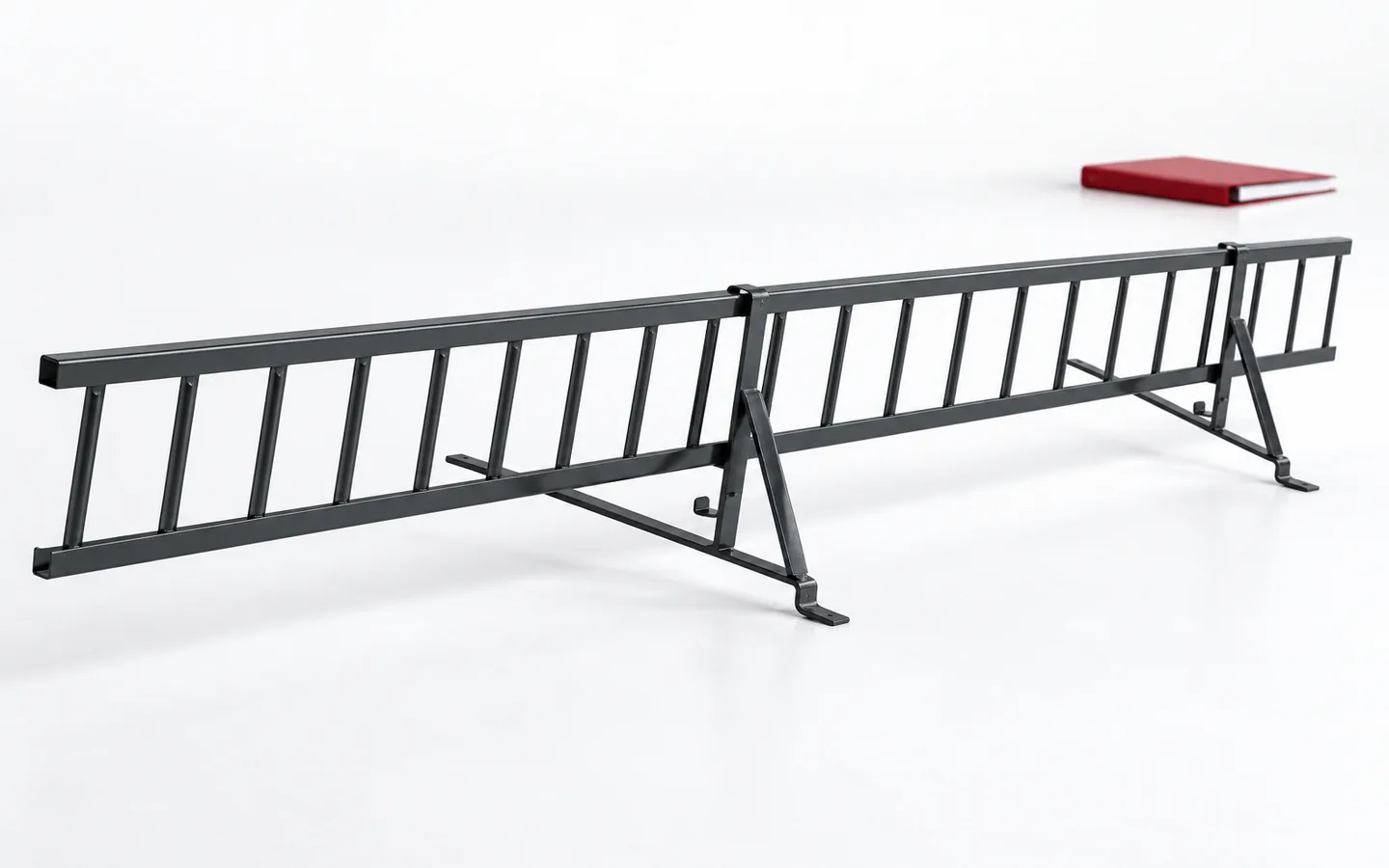
First establish which areas beneath the roof are most exposed to sliding snow, and only then choose between snow fences and point snow guards. Check the roof pitch, local snow loads and how forces are transferred to the structure — matching an accessory's colour to the sheet metal is not enough on its own. Snow fences form a continuous barrier, whereas point elements work in a specific layout, so their function and spacing need separate assessment. Bear in mind that protection does not remove the need to monitor snow quantity and roof condition.

By |2026-11-15T03:57:57+01:002022-11-01|Knowledge base|Comments Off on Snow fences or individual snow guards? Choosing protection above entrances and along the eaves

Choosing standing seam roof panels: what to check before ordering

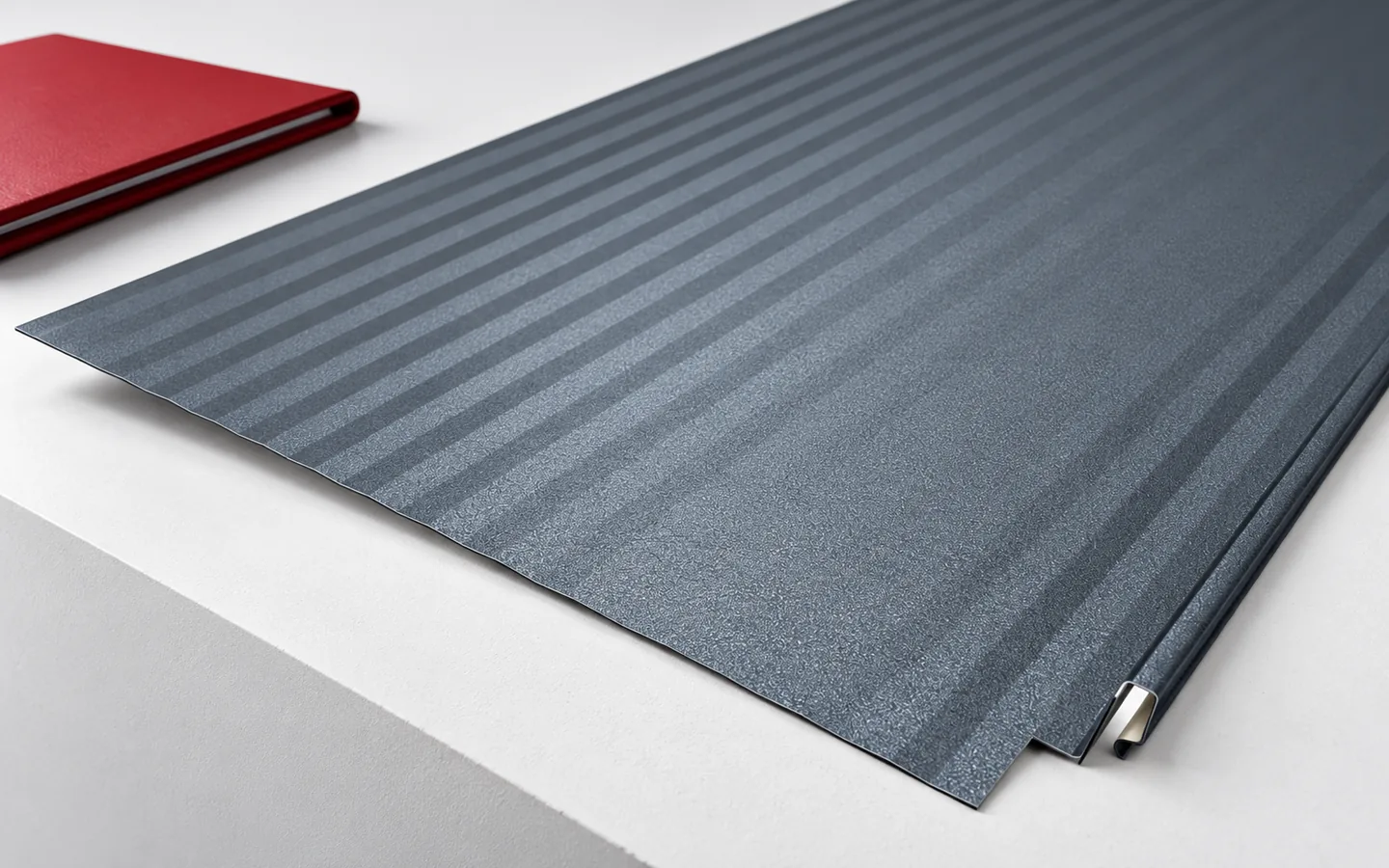
First establish whether the covering you are considering is a snap-lock panel or a seam formed on site – these are two different solutions. The panel edges are factory-shaped to click together, while a traditional seam is created by folding the metal on the roof. So do not transfer requirements for pitch, substrate or joining between them. Before buying, check the minimum pitch, support, fixing and thermal movement conditions. Also consider the eaves, ridge and penetrations. Compare the whole roof with T18 or T35 sheet.

By |2026-11-14T23:57:18+01:002022-10-19|Knowledge base|Comments Off on Choosing standing seam roof panels: what to check before ordering
Back to top