Installation and details
Common causes of roof window faults and complaints
Roof window problems often arise from product choice, installation or the conditions inside the attic. Water on the pane does not always signal a leak, and condensation need not mean a faulty seal. Check the flashing, the junction with the metal sheet, the insulation and the ventilation. A careful order and installation records cut the risk of mistakes and help identify what caused the fault. The window must suit the roof pitch, how the interior is used and the intended fitting; its size and position within the structure also count. A larger window may call for changes to the roof truss, and rafters should not be cut without a design for transferring loads. For thermal assessment, the whole-window value is distinct from that of the glass alone.
Why must window and roof covering selection be combined?
The window should match the roof pitch, the way the interior is used and the planned installation. Its size and position relative to the structure are important. Fitting a larger element may require changes to the roof truss. Rafters should not be cut without designing how the loads are transferred.
When assessing thermal performance, a distinction must be made between the parameter of the whole window and that of the glazing alone. A good-sounding figure from the description of the glazing unit does not necessarily represent the properties of the whole product. Airtightness, acoustics and ease of operation are also important. A large glazed area affects both daylight and summer heat gains.
The window should be selected together with the blinds and the ventilation option. Not every room has similar humidity. A bathroom in the attic requires different attention than a dry bedroom. The frame material and the way it is cared for should match the actual conditions, not just the expected appearance.
What can be wrong with the flashing?
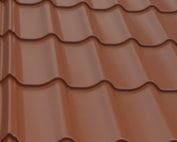
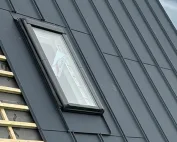
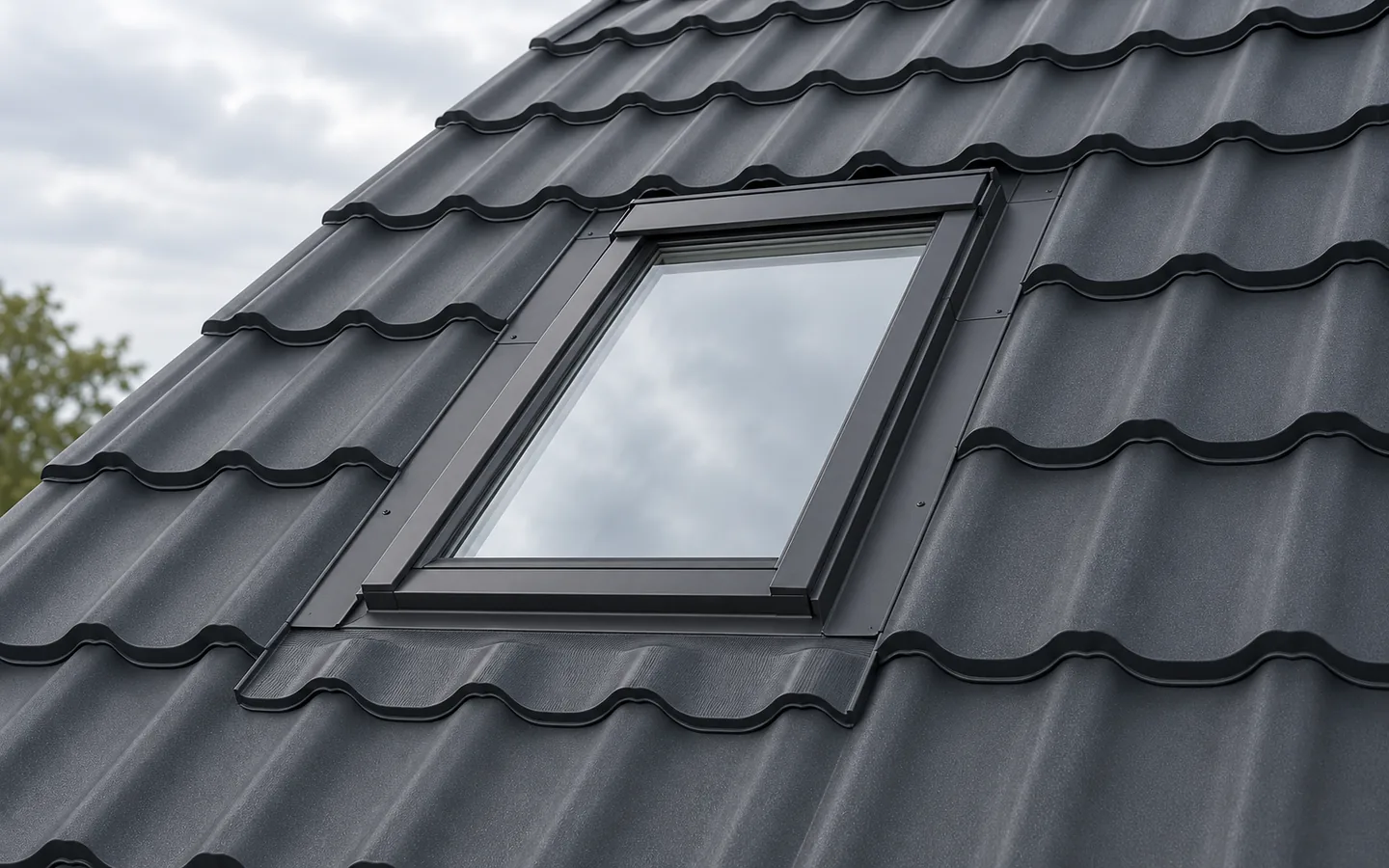
Flashing connects the roof window to the covering and diverts water around the opening. Choose it to suit the window model and dimensions, the installation depth and the roofing material. Profile height matters. Flashing designed for a flat covering may be unsuitable for tile-effect sheets or deep trapezoidal profiles.
The flashing should be laid in accordance with the instructions. The correct flashing cannot be replaced with random sheet metal and sealant. Equally important are the clearances from the covering, the patency of the side channels and the drainage of water above the window. Leaves and an incorrectly cut sheet can block this system.
When the covering is replaced, the compatibility of the detail must be checked again. The new sheet metal may have a different height and geometry, even though the window remains the same. Leaving the old flashing without assessment will not always be correct. The scope of the renovation should also include this junction.

How to distinguish a leak from condensation?
Water appearing after rainfall may indicate a leak on the outside. If moisture occurs during cold weather and high indoor humidity, condensation is possible. The cause cannot be determined on the basis of a single photograph of a drop. Information about the weather, temperature and the location where the water appears is needed.
The areas around the reveal are sensitive to gaps in the insulation and leaks in the vapour barrier. Warm, humid air can reach the cold part of the building envelope. An additional layer of sealant on the external sheet metal will not fix such a problem. The system on the interior side and on the roof side must be assessed.
Room ventilation matters. Even a good product does not remove excess moisture on its own. However, automatically attributing every drop to the user should be avoided. An insulation or installation fault can also lead to cold surfaces. The diagnosis should consider both sources.
What errors arise during finishing?
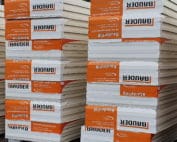
Too tight a build-up can hinder correct insulation of the reveal. The layers must connect with the roof assembly without gaps. With PIR boards, precisely fitted edges and system sealing are important. With other materials, continuity must be ensured just as carefully. A greater insulation thickness in the further part of the roof slope alone is not enough.
Random penetrations should not be made in the layer responsible for airtightness. Cables, screws and build-up connections require a detail solution. Photos should be taken before covering. Later, the location of a potential fault can be identified much more easily without dismantling the entire reveal.
After installation, the ease of opening, the sash setting and the condition of the seals are checked. Incorrect seating must not be masked by adjustment carried out without identifying the cause. A correction of the installation may be necessary. Transport damage should also be described before the product is built in.
How should a problem be reported in a factual way?
Record when the fault occurs and how it changes. Include photos of the whole window, the detail and the damp location. Keep the product and flashing labelling and the purchase documents. Information on the covering, pitch and scope of recent work is helpful. The description ‘the window leaks’ alone does not allow the cause to be determined.
Before repairing it yourself, check the warranty conditions and agree on how the inspection will be carried out. It is not about postponing necessary protection, but about preserving evidence and avoiding random interference. Painting over the trace or taping over the entire flashing can make later diagnosis more difficult.
The most effective reduction of complaints begins before installation. A compatible set, a prepared structure and careful connection of the layers are needed. A reliable inspection allows a product defect, an execution fault and an operational problem to be distinguished. Only then does the repair address the actual cause.
7 branches. Materials closer to your project.