
Knowledge base
Izoprofil.com helps you compare materials for a specific building project. The guides cover the uses of sandwich panels, PIR insulation boards, metal roof tiles and trapezoidal sheets. The criteria depend on the application, including the supporting structure, thermal performance and requirements for the finished surface. Read the product specifications, identify which dimensions affect the order and compare complete solutions. The articles help you discuss the options with a designer or installer and check the suitability of the selected materials before purchase.
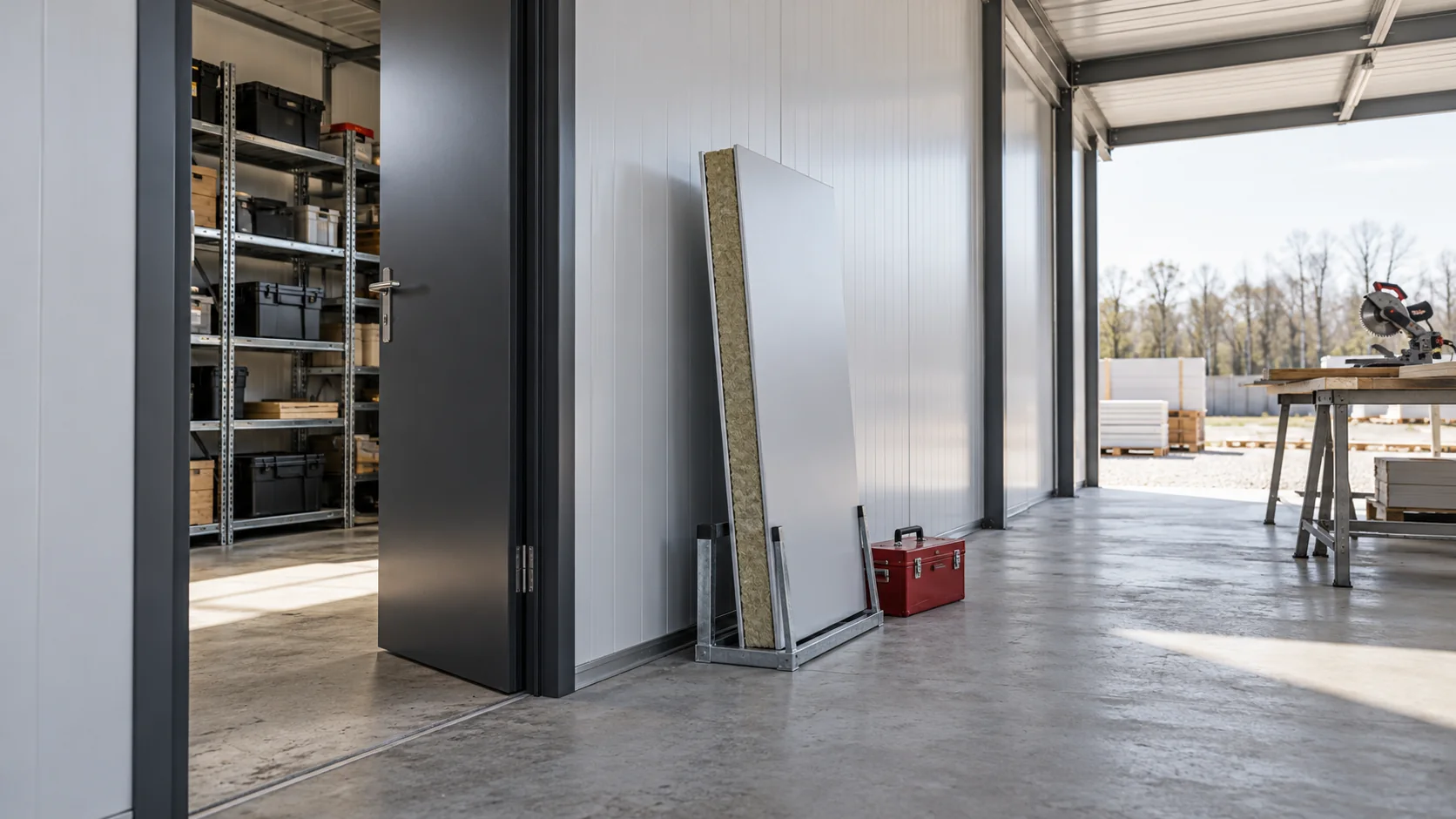
What is a 60 mm mineral wool panel suitable for, and can 40 mm be ordered?
The 60 mm thickness appears in selected wall panel families with mineral wool, but it is not a universal minimum for all systems. A 40 mm version should not be assumed simply because that dimension exists with a different core. First establish the function of the wall, then check the actual range of the product offered. An insulation panel with mineral wool and a sandwich panel with two metal facings are different products. A thin layer of insulation may appear in many systems, but that does not prove the availability of a self-supporting panel of the same thickness. In your enquiry, state the type of element explicitly.
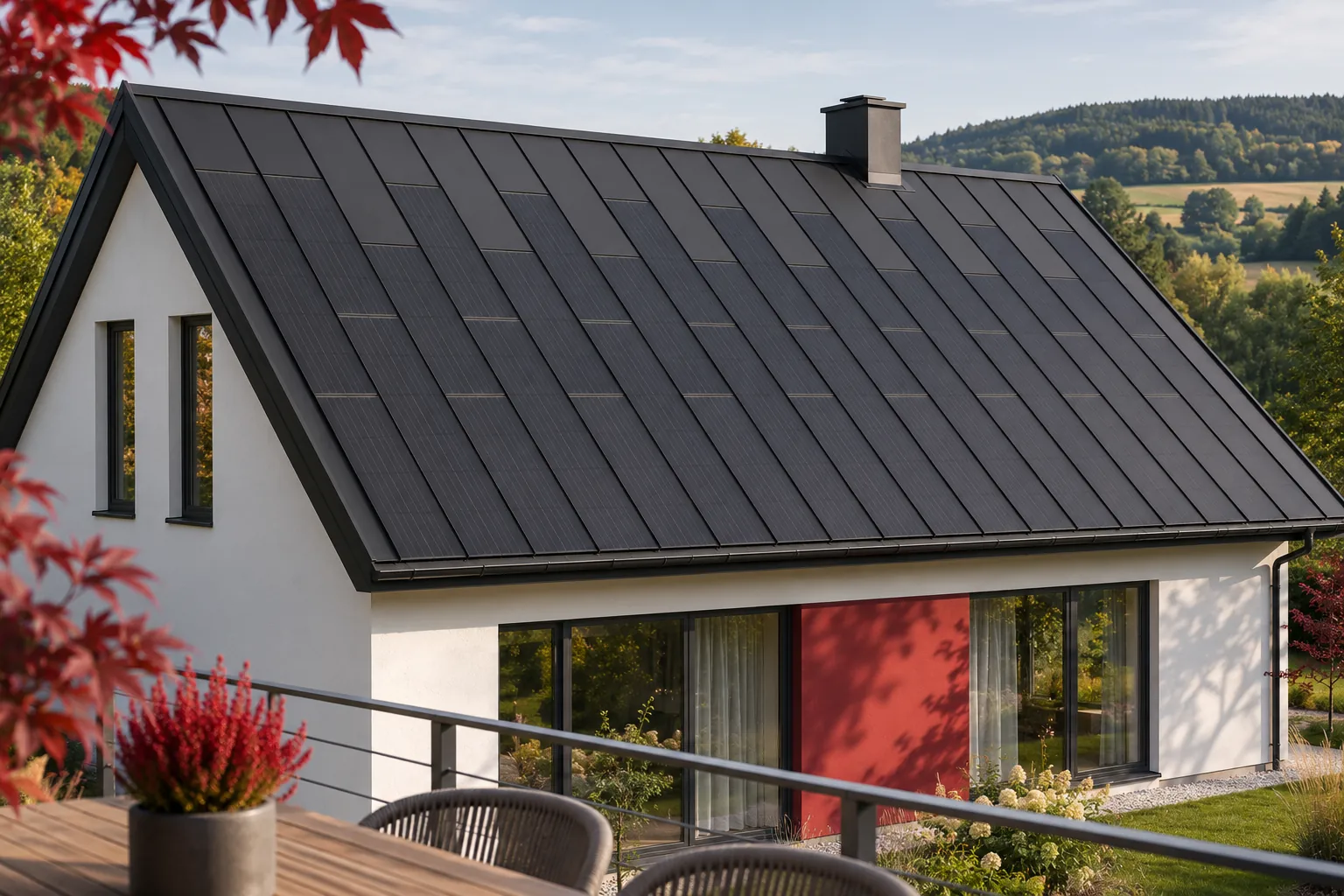
Comparing three photovoltaic roof quotations without guesswork
Three final amounts are not enough to choose if each offer describes a different scope. First they must be brought to a common scope, and only then can price, energy and service be compared. With an integrated roof, the covering function and the details also matter. A simple table with a few groups of information makes differences visible. It does not require assigning seemingly precise points to things that have not yet been clarified. Every contractor should work from the same geometry, location and description of needs. If one offer was prepared after a measurement and another from an approximate area, this must be noted. It is worth asking for clarification before assessing.
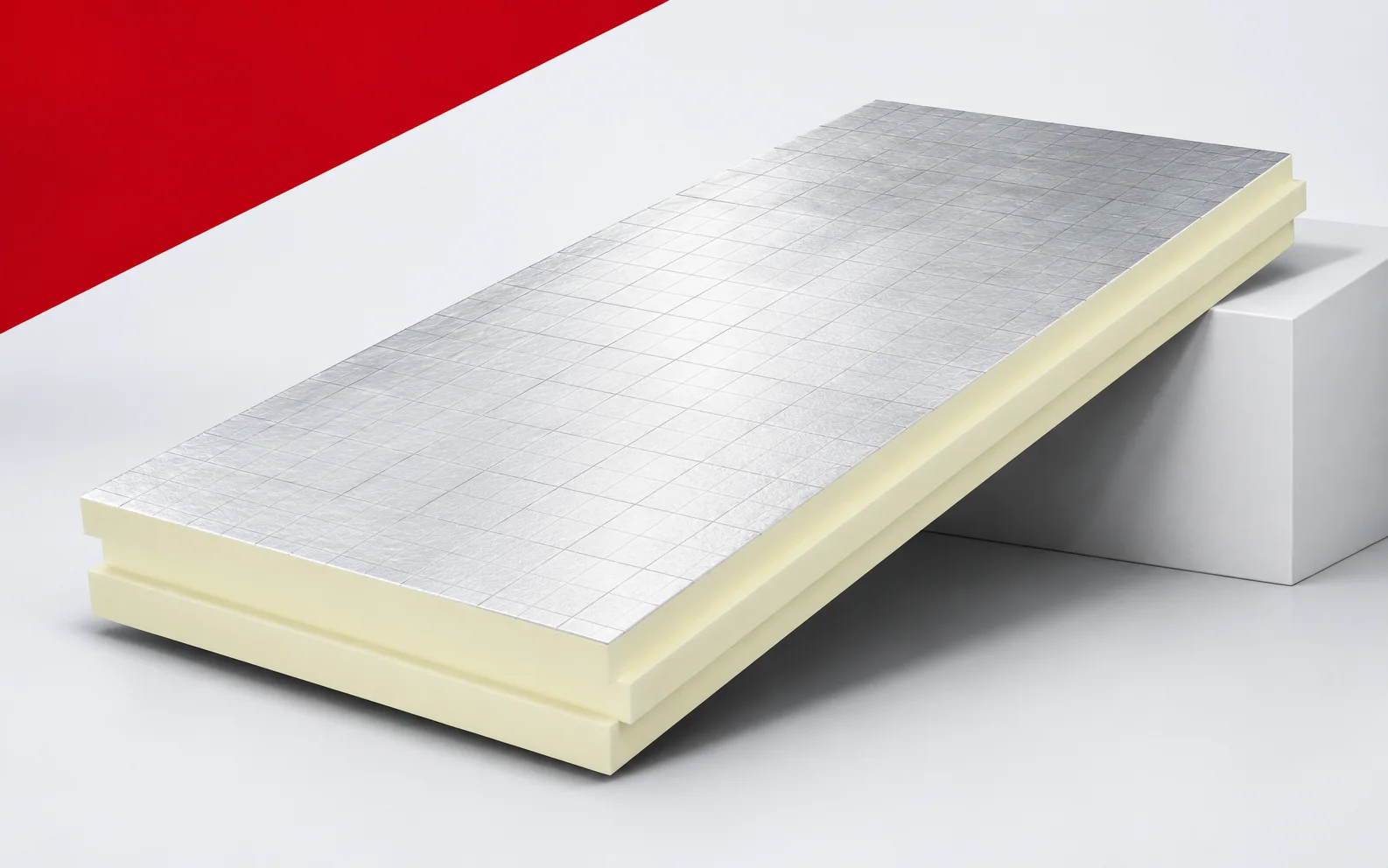
PIR for façades: how to price the board together with the system and details
The price of the wall board does not cover the whole façade. In an ETICS system, compatible render layers are needed, and in a ventilated façade a suitable supporting substructure is required. PIR is best compared together with the costs of reveals, window sills and the junction with the remaining thermal insulation. PIR boards can form a continuous insulation layer on the outer side of the wall. This position helps to reduce thermal bridges caused by structural elements. The price of the regular field therefore does not reflect the full labour input. The façade bill of quantities should show both the area and the length of the relevant terminations. Reveals, corners and the roof junction require additional operations.
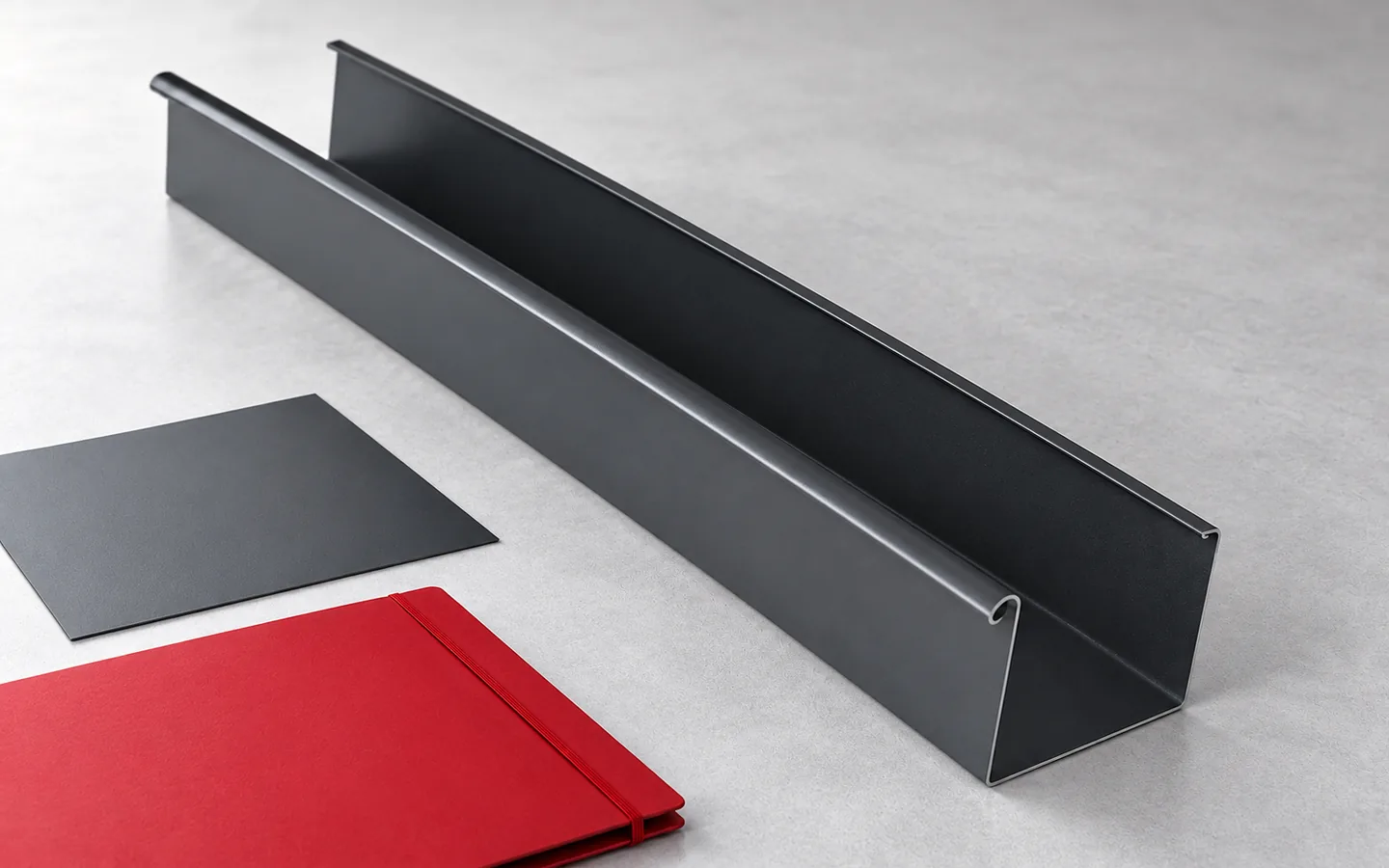
How concealed gutters work and when to choose them
A hidden gutter system is several different solutions, not a single product. Before choosing, check the drawing of the specific variant, because the same name may cover different configurations. Decide which elements are to be concealed, and plan water drainage, cleaning access and insulation continuity. This is easiest at the house design stage. Tightness and the ability to inspect are as important as the appearance of the roof-to-wall junction.
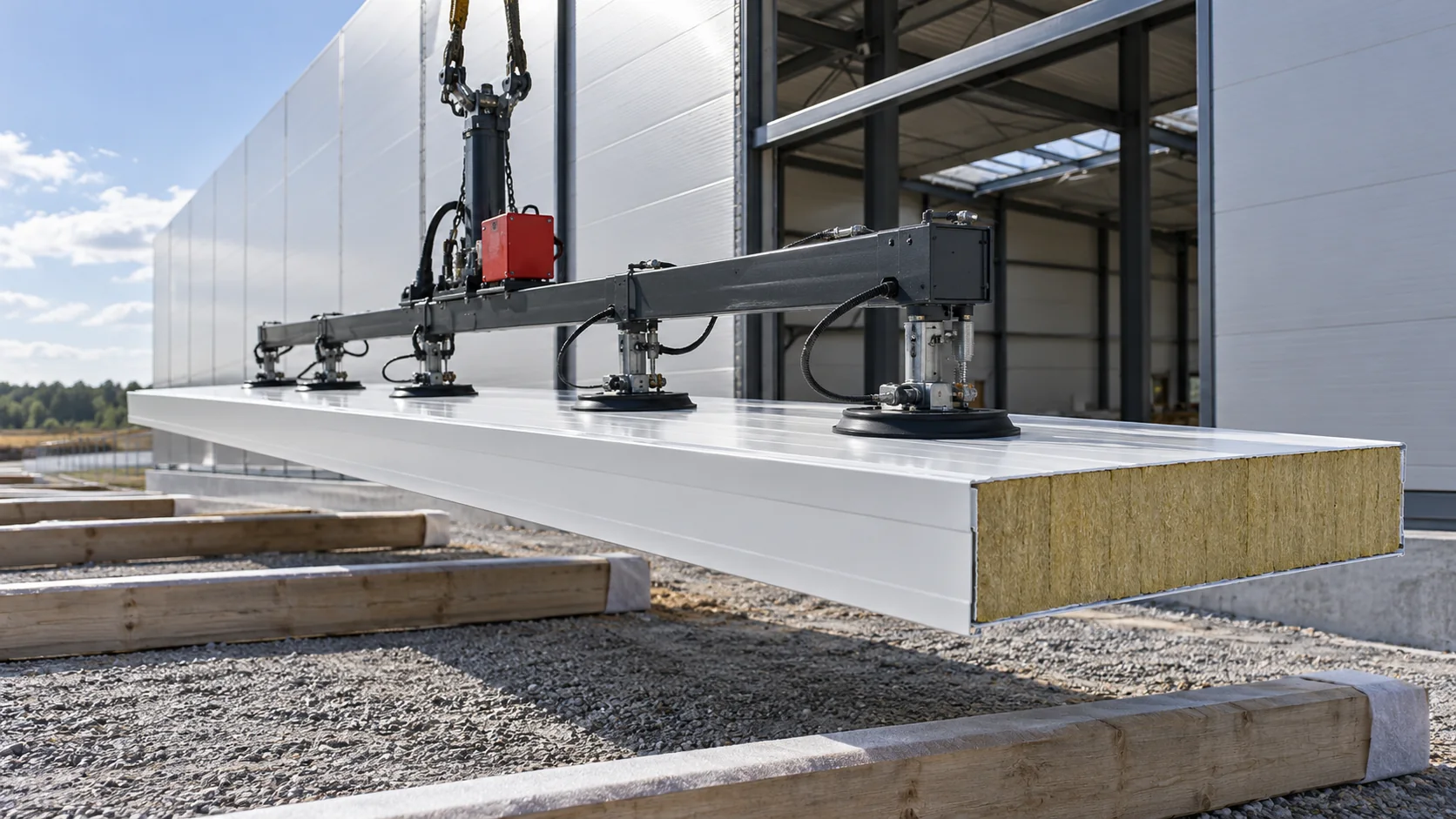
How panel length affects the weight and handling of mineral wool wall panels
The mass per square metre helps compare panels, but on site a specific piece is lifted. A long panel can weigh considerably more than a small sample suggests. In a new building, the weight calculation must be combined with the support design, the choice of equipment and access to the installation location. The configuration of both facings is also important. The mass may be given in kg/m² or in kg/linear metre for a specific module. In the second case, a linear metre does not mean a square metre unless the cover width is exactly one metre. This difference is worth checking before compiling loads and ordering transport.
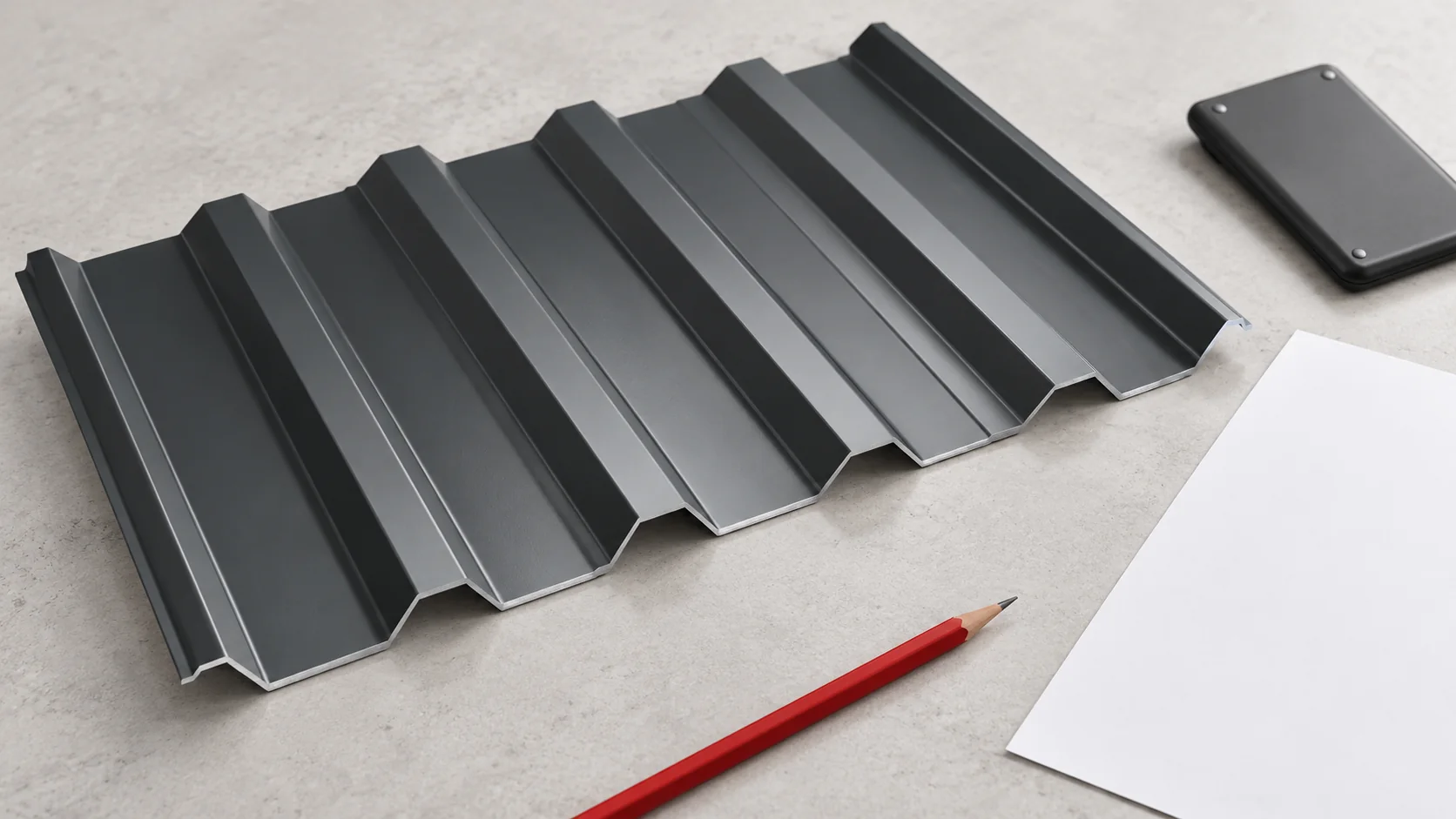
How do you compare two prices for steel sheet when sellers quote different metres?
The price per square metre is only useful once you have clarified which metre the seller is billing. The total sheet width is greater than the coverage width. Two different rates may therefore relate to a similar material cost. Instead of comparing the numbers alone, calculate the same list of sheets and add all mandatory order costs. Begin the comparison by identifying the steel sheet. The profile, steel thickness, type of coating and ordered colour should match. Also establish whether the sheet has an additional layer on the underside. A similar photograph and the same trapezoidal height are not enough. Two cross-sections may have a different coverage width and different load-bearing properties.