
Knowledge base
Izoprofil.com helps you compare materials for a specific building project. The guides cover the uses of sandwich panels, PIR insulation boards, metal roof tiles and trapezoidal sheets. The criteria depend on the application, including the supporting structure, thermal performance and requirements for the finished surface. Read the product specifications, identify which dimensions affect the order and compare complete solutions. The articles help you discuss the options with a designer or installer and check the suitability of the selected materials before purchase.
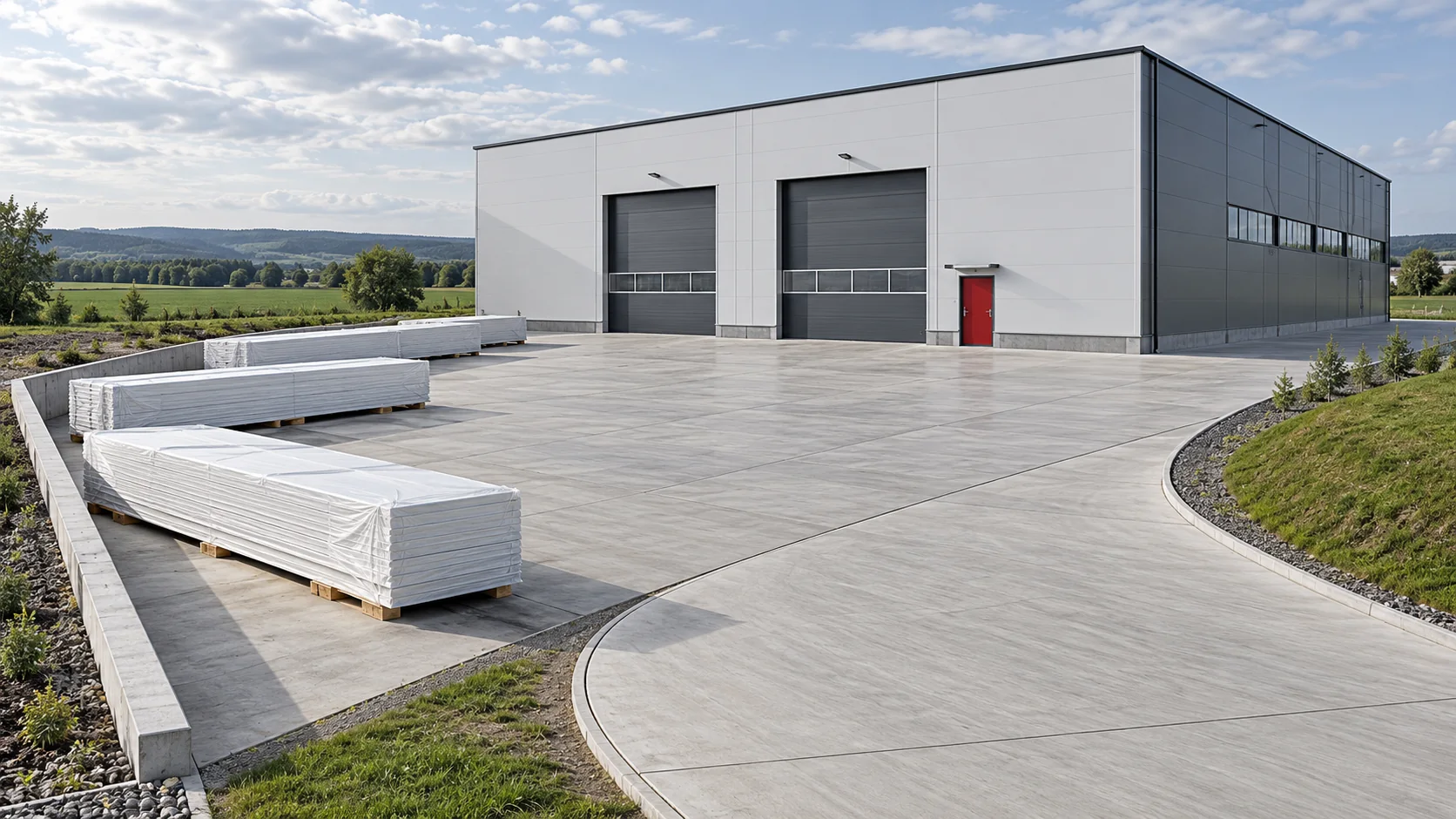
Comparing sandwich panel offers across Poland
The most favourable panel offer does not always have the lowest price per square metre. When comparing suppliers from different parts of Poland, lengths, cutting patterns, accessories and transport conditions matter. It is worth calculating the cost of the material that will actually go into the building envelope and separating it from the value of the purchased pack alone. One offer may quote a price per square metre of covering, another per piece, and a third per whole pack. Bring them all down to the number of panels with known dimensions and usable area. Do not automatically compare a roof panel with a flat wall panel of the same thickness. Their geometry and role in the building are different.
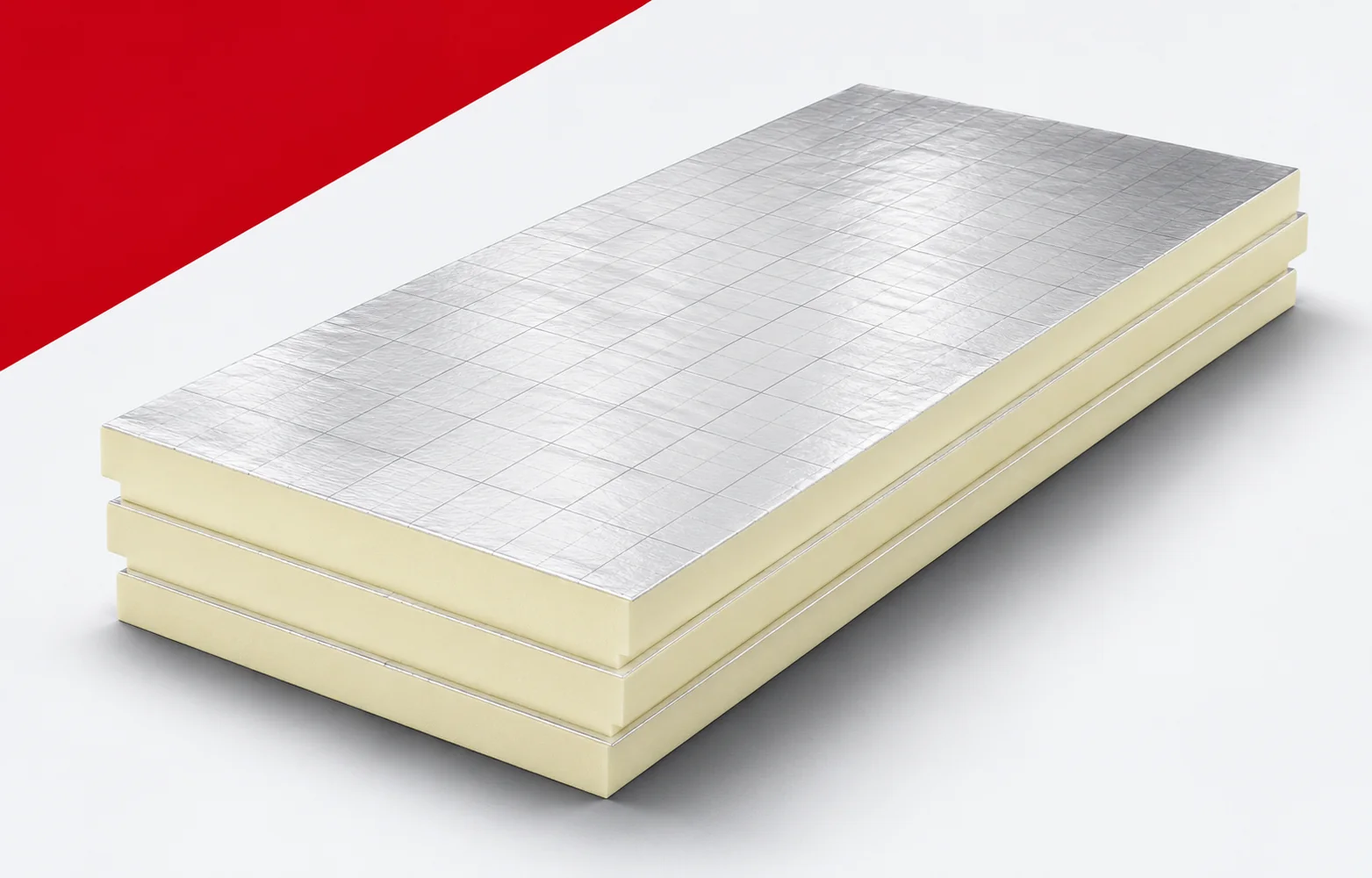
How to compare offers for PIR boards without hidden gaps in the bill of quantities
Two offers for PIR boards can have the same thickness and a completely different scope. A reliable comparison should cover the parameters, the facing, the accessories and the installation. It is also worth checking the coverage area, transport and preparation costs. Only then does the price become useful information. PIR boards can look similar yet have different facings, strength and intended use. Before purchase, a current technical data sheet, a declaration of performance and installation instructions are needed. The product variant should be described without abbreviations that cause confusion. In the enquiry, it is worth stating the full board specification and the conditions in which it will work.
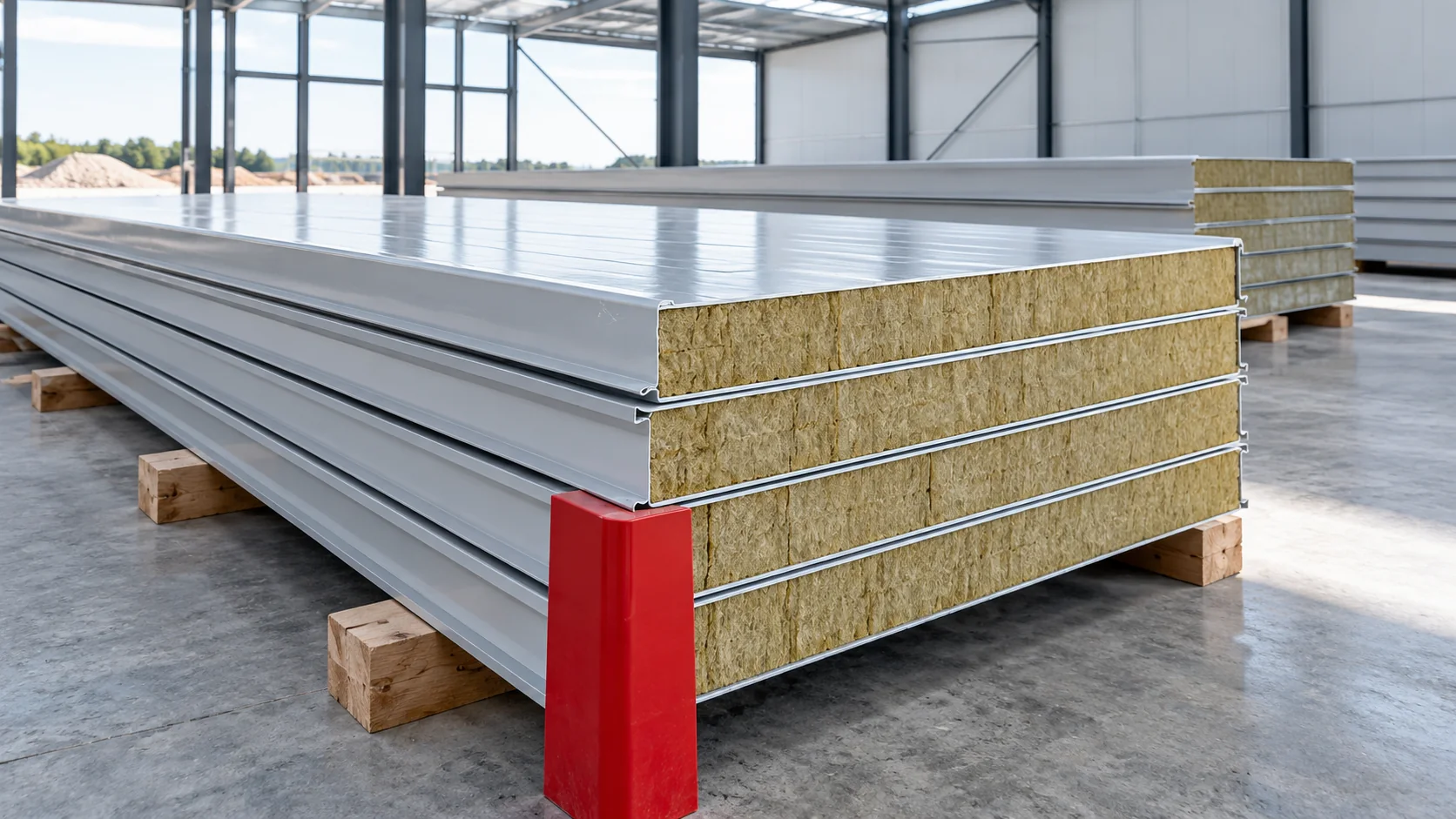
When do outlet mineral wool wall panels save money on a new build?
A second-grade mineral wool panel may suit a new build if its limitations are known before the elevation is drawn. The saving depends on the area that can actually be installed. Joints, claddings and documents must also be checked, because a visual defect and a loss of tightness have entirely different consequences. In a new hall, the outlet is best assessed against a specific wall drawing. Mark the gates, windows, corners and plinth height. Only then compare the lengths of the available panels with the sections between supports. A short panel may fill the strip above a window well while being unsuitable for the entire adjacent field.
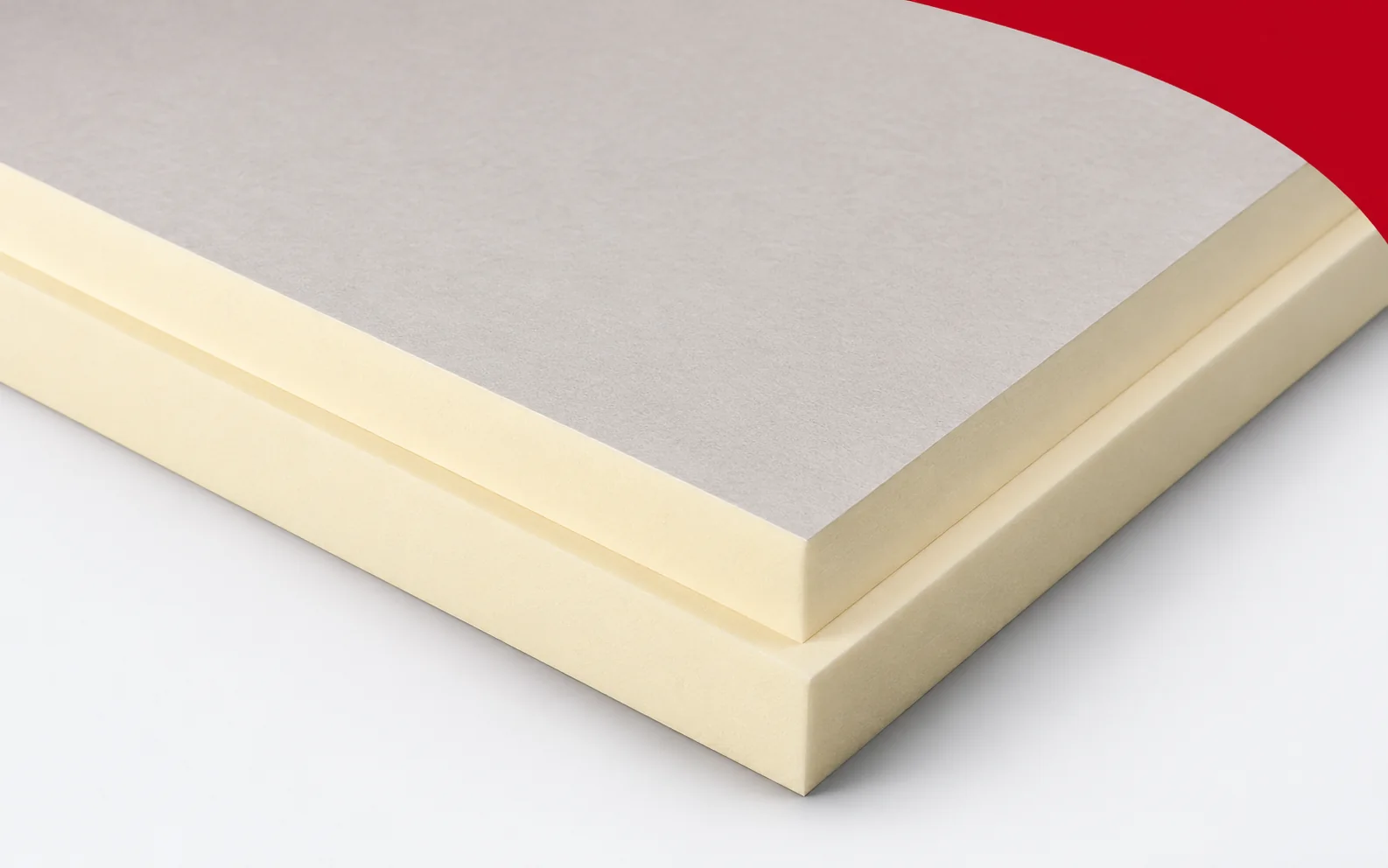
BauderPIR M/MF as an alternative: what to compare in quotations
BauderPIR M and MF should be compared with other boards as part of an agreed roof build-up. The mineral facing, the edge geometry and the lambda value for the ordered thickness all influence the choice of covering and the scope of works. It is not enough to swap the product name in a bill of quantities written for an aluminium-faced board: the required thermal resistance, the layer heights and the compatibility of the waterproofing must all be checked. Include the M or MF designation, the thickness, the roof plan and the method of fixing the covering with your enquiry. Below we show how to separate the cost of the insulation from the cost of the connections to the membrane or roofing felt, and which documents to gather in order to assess the real saving offered by the proposed variant.
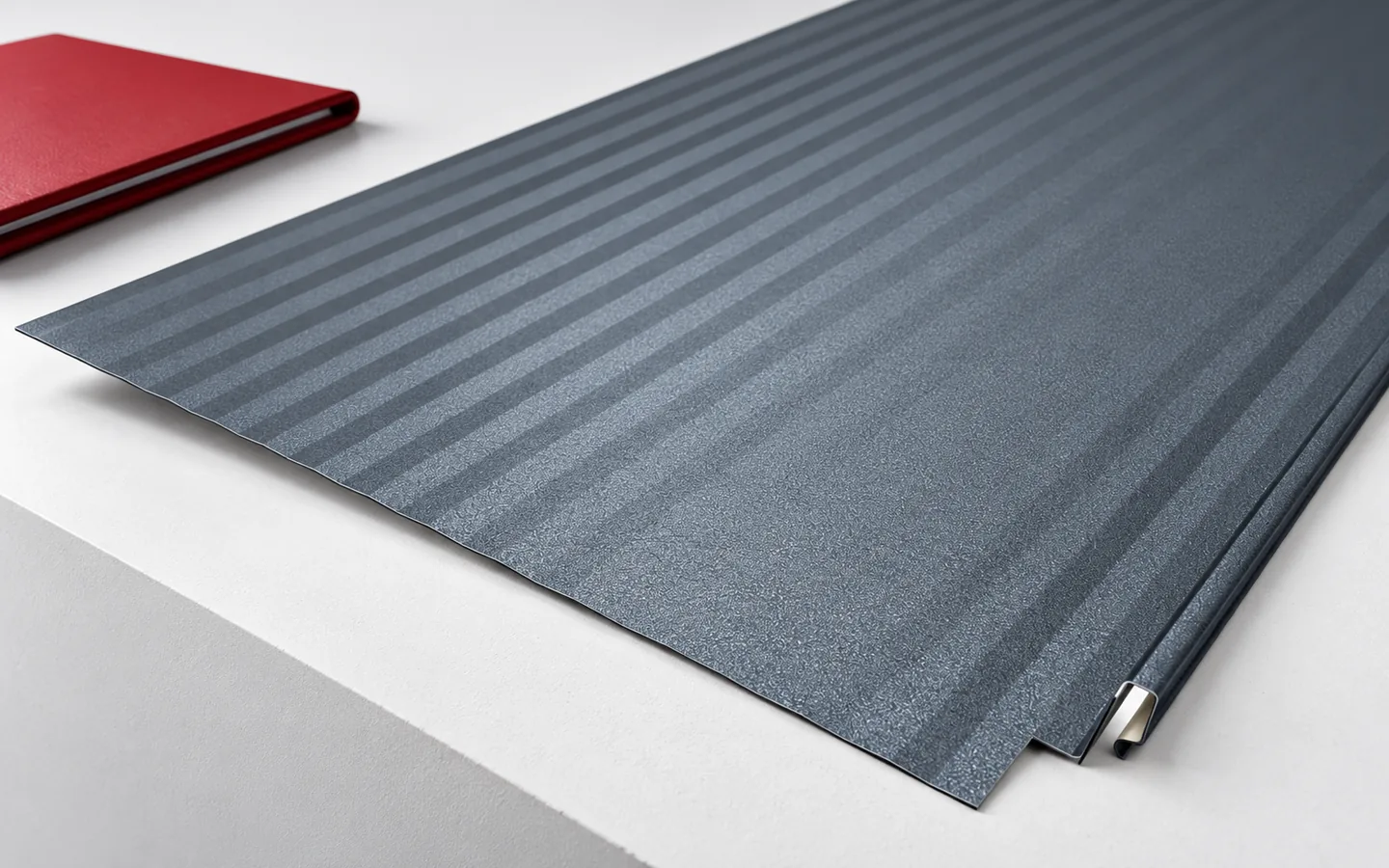
Choosing standing seam roof panels: what to check before ordering
First establish whether the covering you are considering is a snap-lock panel or a seam formed on site – these are two different solutions. The panel edges are factory-shaped to click together, while a traditional seam is created by folding the metal on the roof. So do not transfer requirements for pitch, substrate or joining between them. Before buying, check the minimum pitch, support, fixing and thermal movement conditions. Also consider the eaves, ridge and penetrations. Compare the whole roof with T18 or T35 sheet.
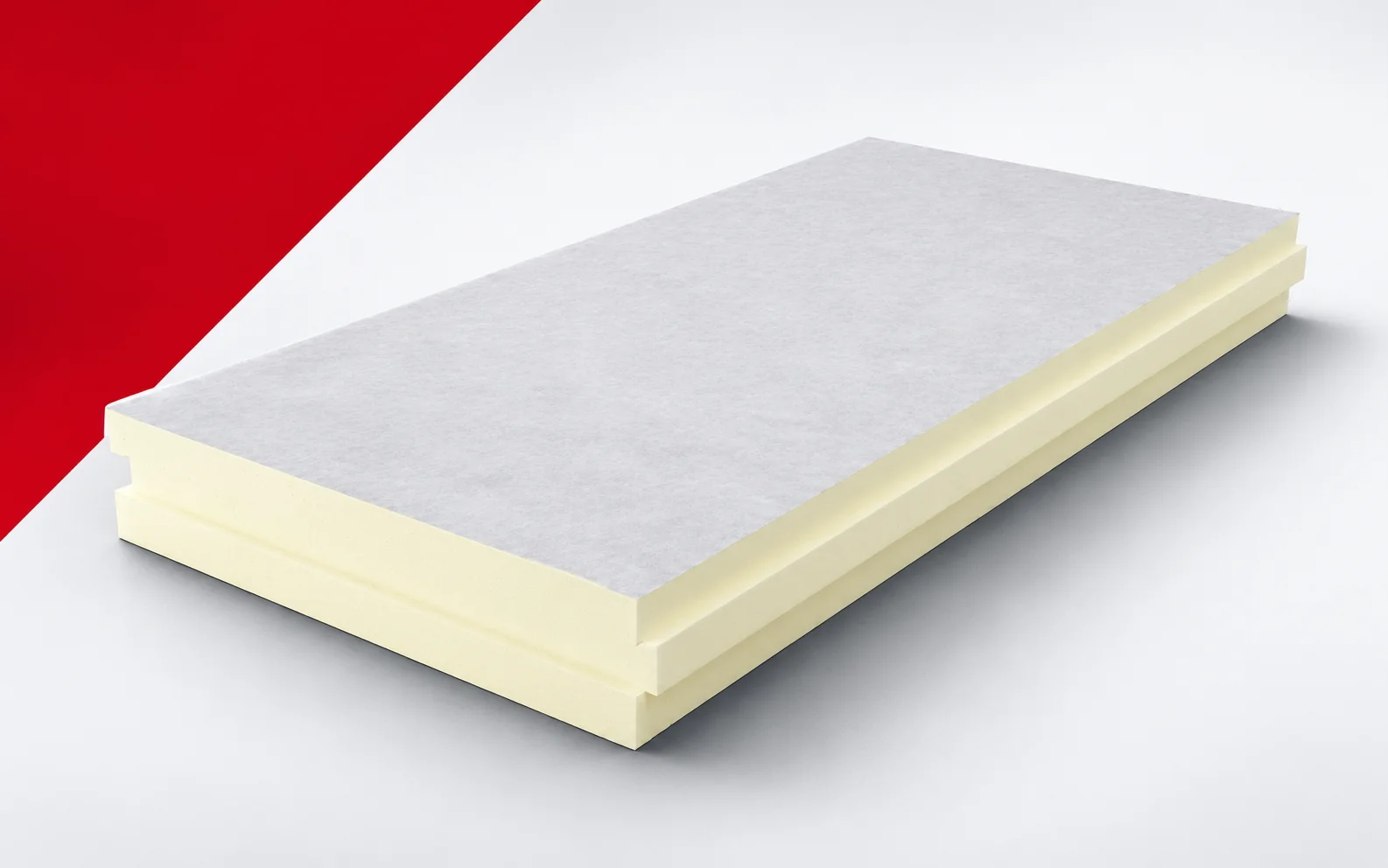
Buying termPIR WS: roof covering, fixings and cutting waste
A quotation for termPIR WS should refer to the selected roof build-up. The price of the insulation does not automatically include fixings, separating layers and flashings. A comparison only becomes meaningful once the same technical assumptions have been established with all suppliers. termPIR WS consists of a PIR core with a gas-permeable glass fleece facing on both sides. This is a different surface from a gas-tight aluminium laminate. An enquiry for PIR boards should describe the flat roof area on which the board facing is to work together with the covering. The termPIR WS fleece must be linked to the layers and the fixing method of the chosen roof covering.