
Knowledge base
Izoprofil.com helps you compare materials for a specific building project. The guides cover the uses of sandwich panels, PIR insulation boards, metal roof tiles and trapezoidal sheets. The criteria depend on the application, including the supporting structure, thermal performance and requirements for the finished surface. Read the product specifications, identify which dimensions affect the order and compare complete solutions. The articles help you discuss the options with a designer or installer and check the suitability of the selected materials before purchase.
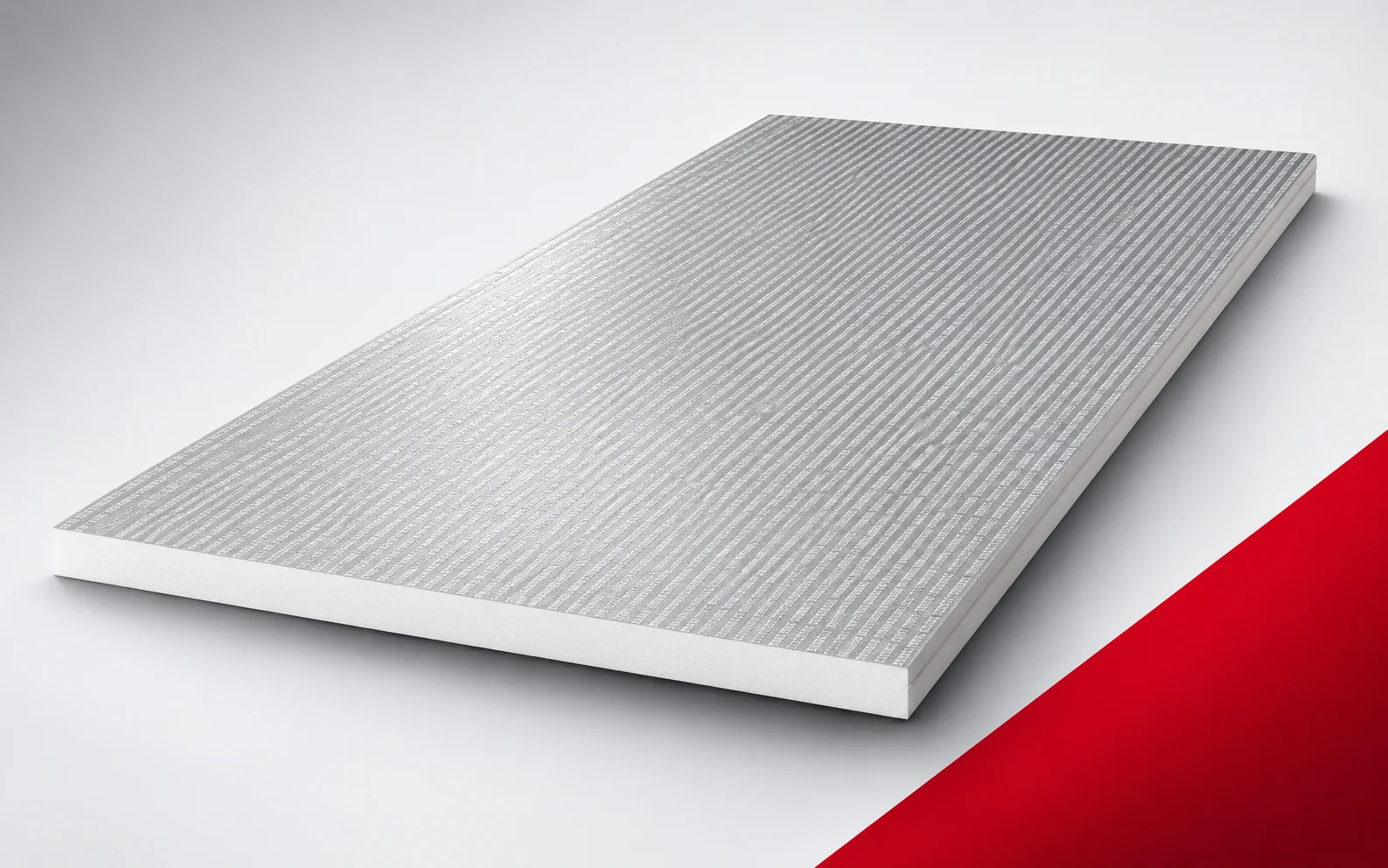
How to calculate the cost of a roof with Thermano Roof and compare variants?
A roof with Thermano Roof is worth pricing in several variants that meet the same requirements. The difference in the price of the board is only part of the calculation. Fixing, details, work on installations and possible changes to the geometry of the covering must be calculated separately. Thermano Roof is a rigid PIR board with a gas-tight multilayer aluminium facing on both sides. The manufacturer specifies it for, among other things, flat roofs and above-rafter insulation. An enquiry about PIR boards should describe the pitched roof slope on which the insulation is to be placed above the wooden rafters. The Thermano Roof layer above the rafters must be connected with the terminations at the eaves and openings.
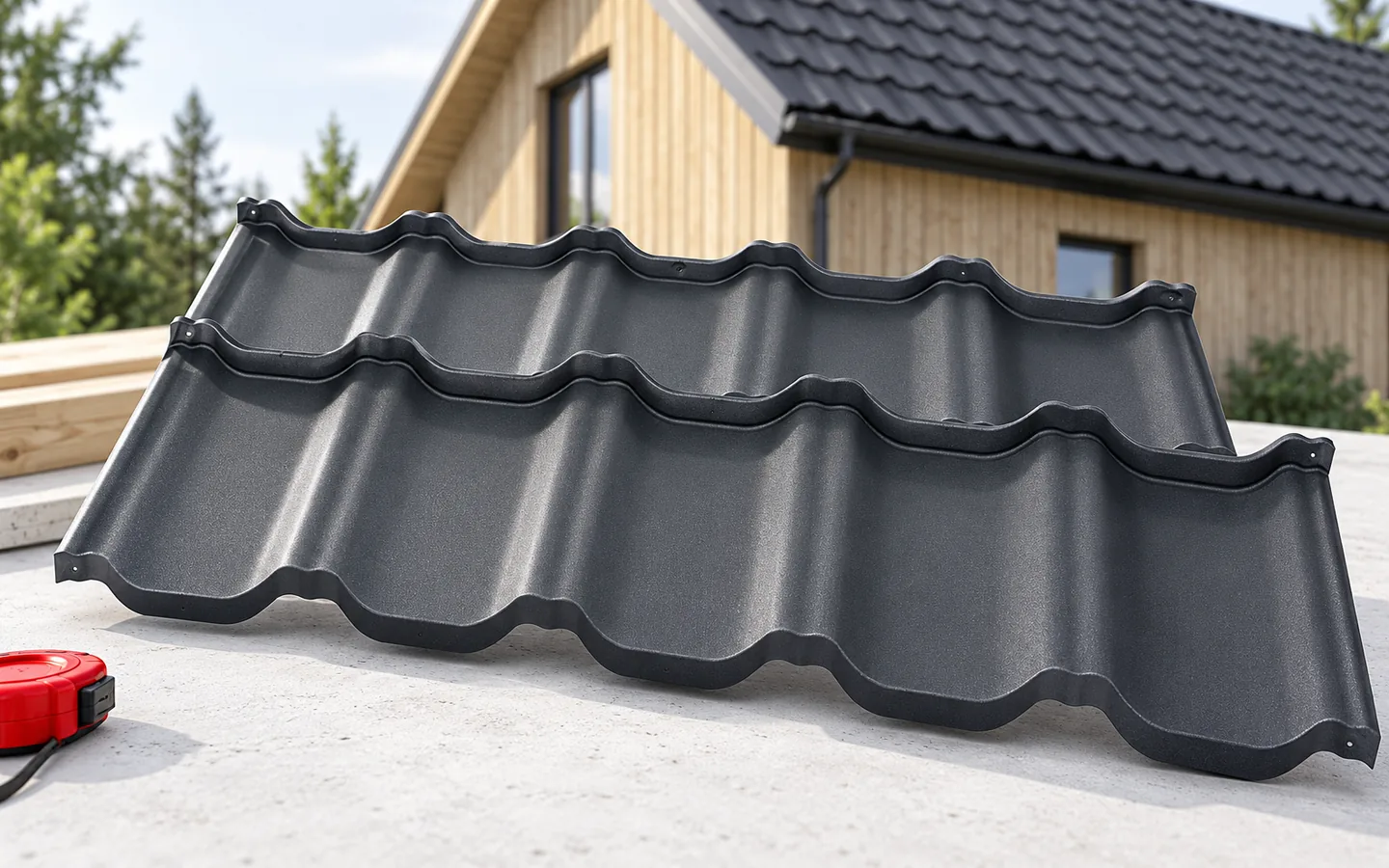
Metal shingle roofing or tile-effect sheets: how do they differ?
Shingle-effect metal roofing uses profiled steel to reproduce the pattern of overlapping timber shingles. It is available with a coated or stone-coated finish. To choose a system, check the data sheet and fitting instructions for the particular profile. The name alone tells you little about steel thickness, effective cover width or how the joints keep out rain. Check the permitted pitch, batten spacing and support at the eaves, and leave room for flashings around roof windows and chimneys. Compare those details alongside the appearance when choosing between shingle-effect and tile-effect sheets.
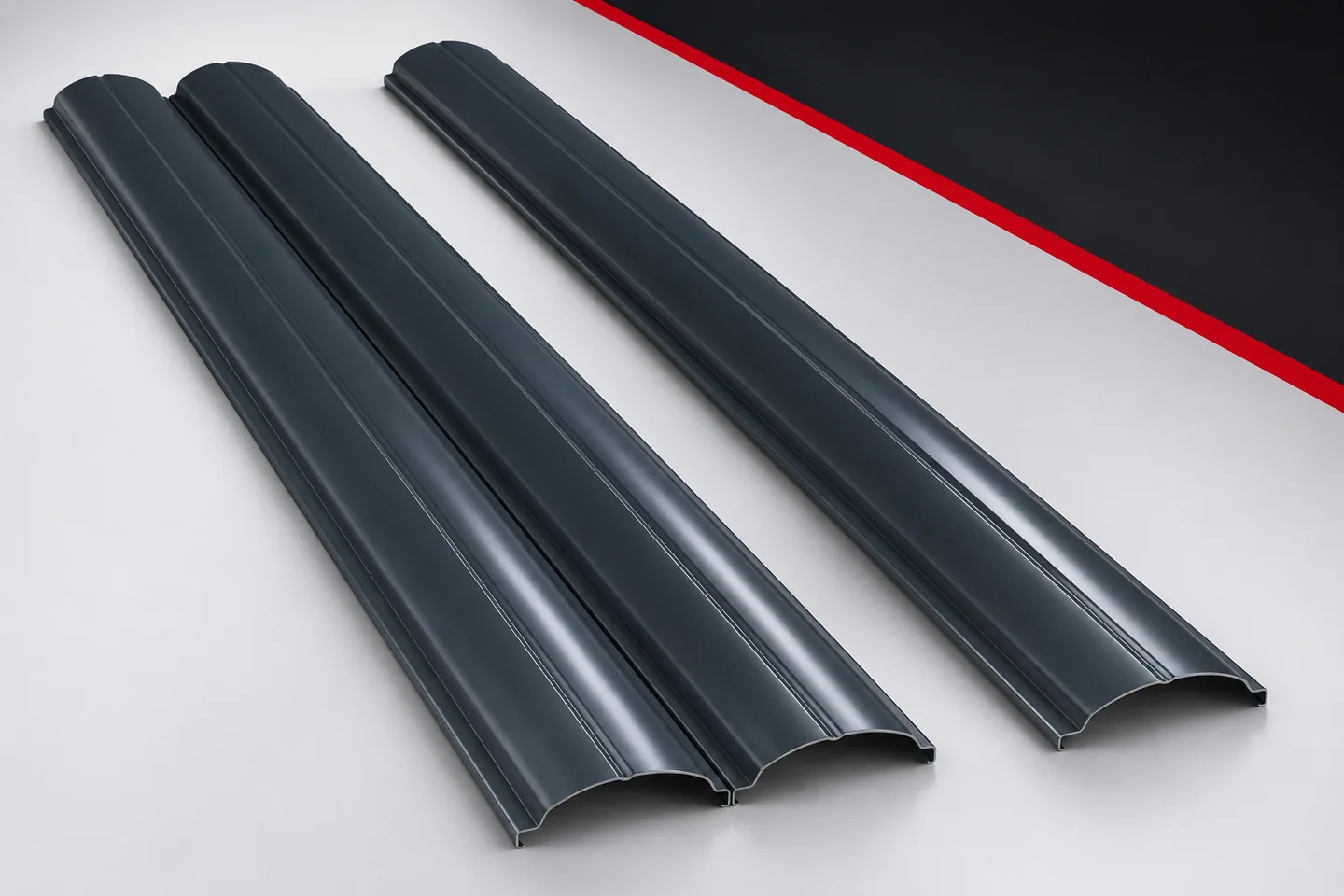
Specification for fence picket production: what to check in the latest version?
The quote, sample and measurement lead to a single document according to which the material will be prepared. This is the moment to check that all arrangements are consistent. Metal fence pickets made exactly to the wrong table will still not fit the project. The final specification should be readable by someone who did not take part in the earlier discussions. Every important feature must follow from the written record. The document should be dated and clearly identified. If dimensions were changed earlier, the old list must be clearly replaced by the current one. Do not leave the supplier with several files marked “please take the latest comments into account”. The final version should contain those comments in the body of the text.
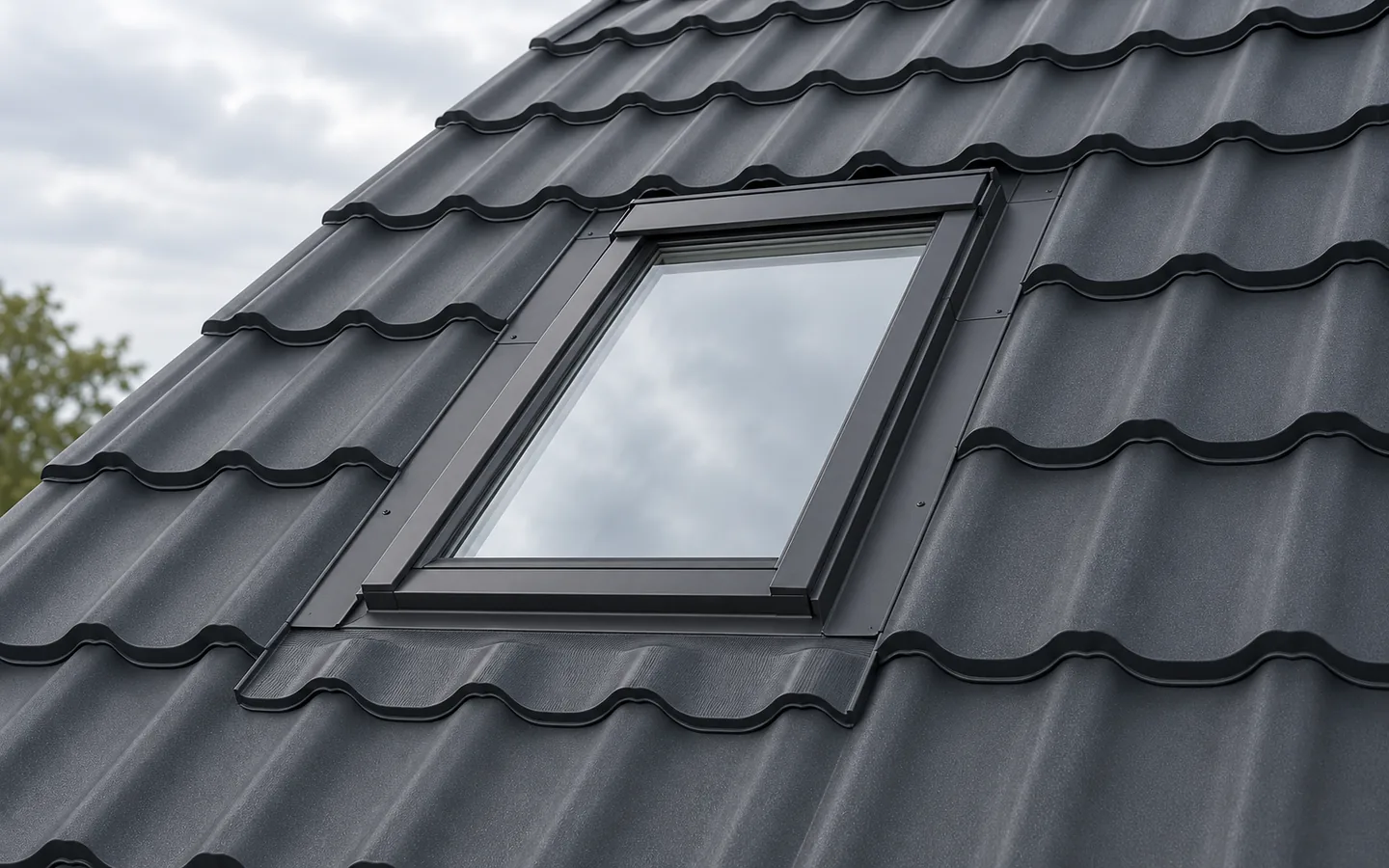
Common causes of roof window faults and complaints
Roof window problems often arise from product choice, installation or the conditions inside the attic. Water on the pane does not always signal a leak, and condensation need not mean a faulty seal. Check the flashing, the junction with the metal sheet, the insulation and the ventilation. A careful order and installation records cut the risk of mistakes and help identify what caused the fault. The window must suit the roof pitch, how the interior is used and the intended fitting; its size and position within the structure also count. A larger window may call for changes to the roof truss, and rafters should not be cut without a design for transferring loads. For thermal assessment, the whole-window value is distinct from that of the glass alone.
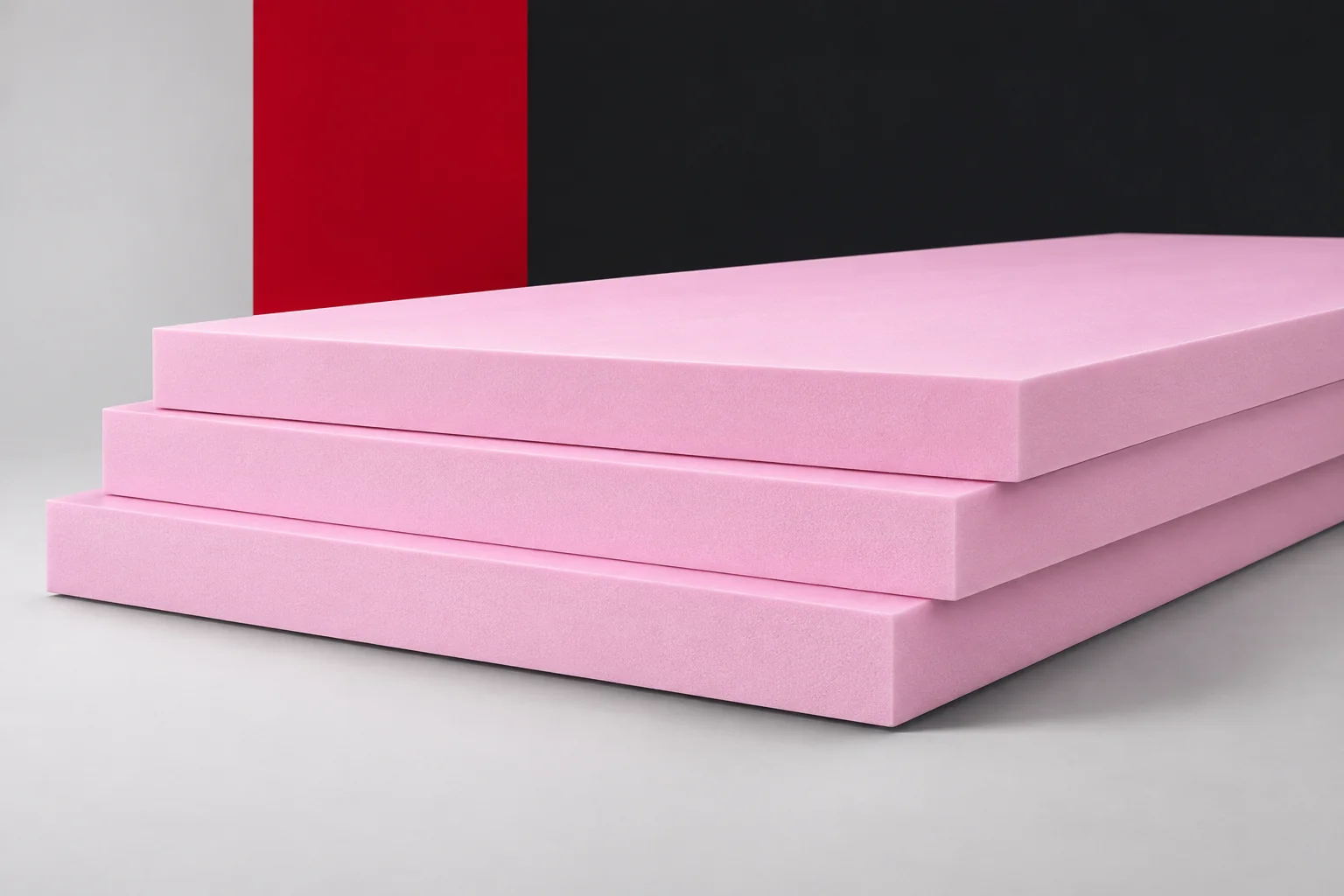
Specifying an XPS substitute: how to check equivalence
The absence of the selected board from stock does not have to bring construction to a halt. An XPS replacement can be suitable if it retains all the required characteristics. Extruded polystyrene, however, comes in many variants, so a similar thickness is not enough. The colloquial term Styrodur also does not prove equivalence. It is worth assessing the change in an orderly way before the material is delivered and installed. The specification may state thermal, mechanical, water-related and geometric values. First, these need to be gathered in one place. XPS must be compared against these requirements, not merely against the name of the previous product. If the description is incomplete, it is worth asking the designer for clarification. Extruded polystyrene offers a choice of many variants, which makes it easier to find an alternative.
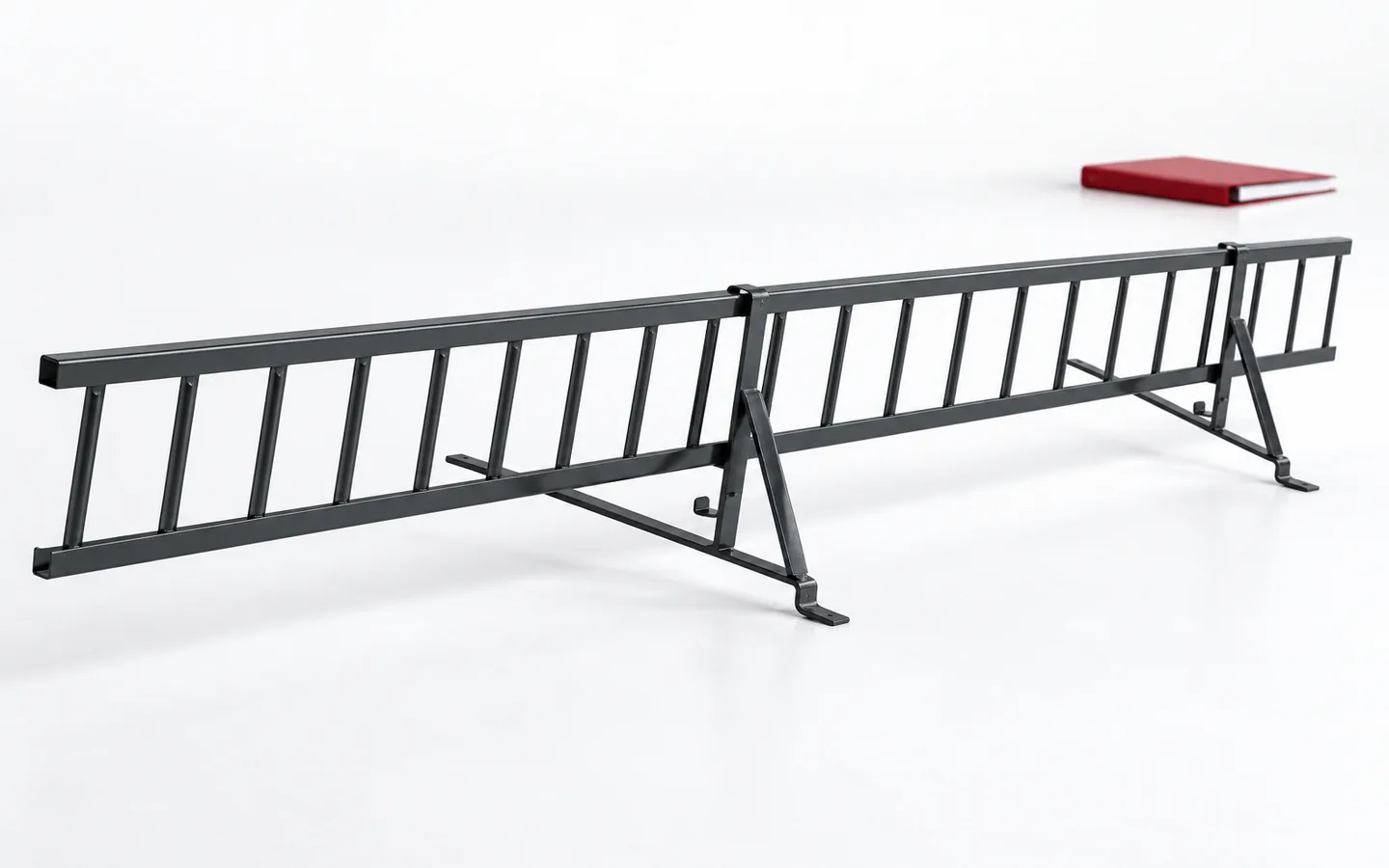
Snow fences or individual snow guards? Choosing protection above entrances and along the eaves
First establish which areas beneath the roof are most exposed to sliding snow, and only then choose between snow fences and point snow guards. Check the roof pitch, local snow loads and how forces are transferred to the structure — matching an accessory's colour to the sheet metal is not enough on its own. Snow fences form a continuous barrier, whereas point elements work in a specific layout, so their function and spacing need separate assessment. Bear in mind that protection does not remove the need to monitor snow quantity and roof condition.