
Knowledge base
Izoprofil.com helps you compare materials for a specific building project. The guides cover the uses of sandwich panels, PIR insulation boards, metal roof tiles and trapezoidal sheets. The criteria depend on the application, including the supporting structure, thermal performance and requirements for the finished surface. Read the product specifications, identify which dimensions affect the order and compare complete solutions. The articles help you discuss the options with a designer or installer and check the suitability of the selected materials before purchase.
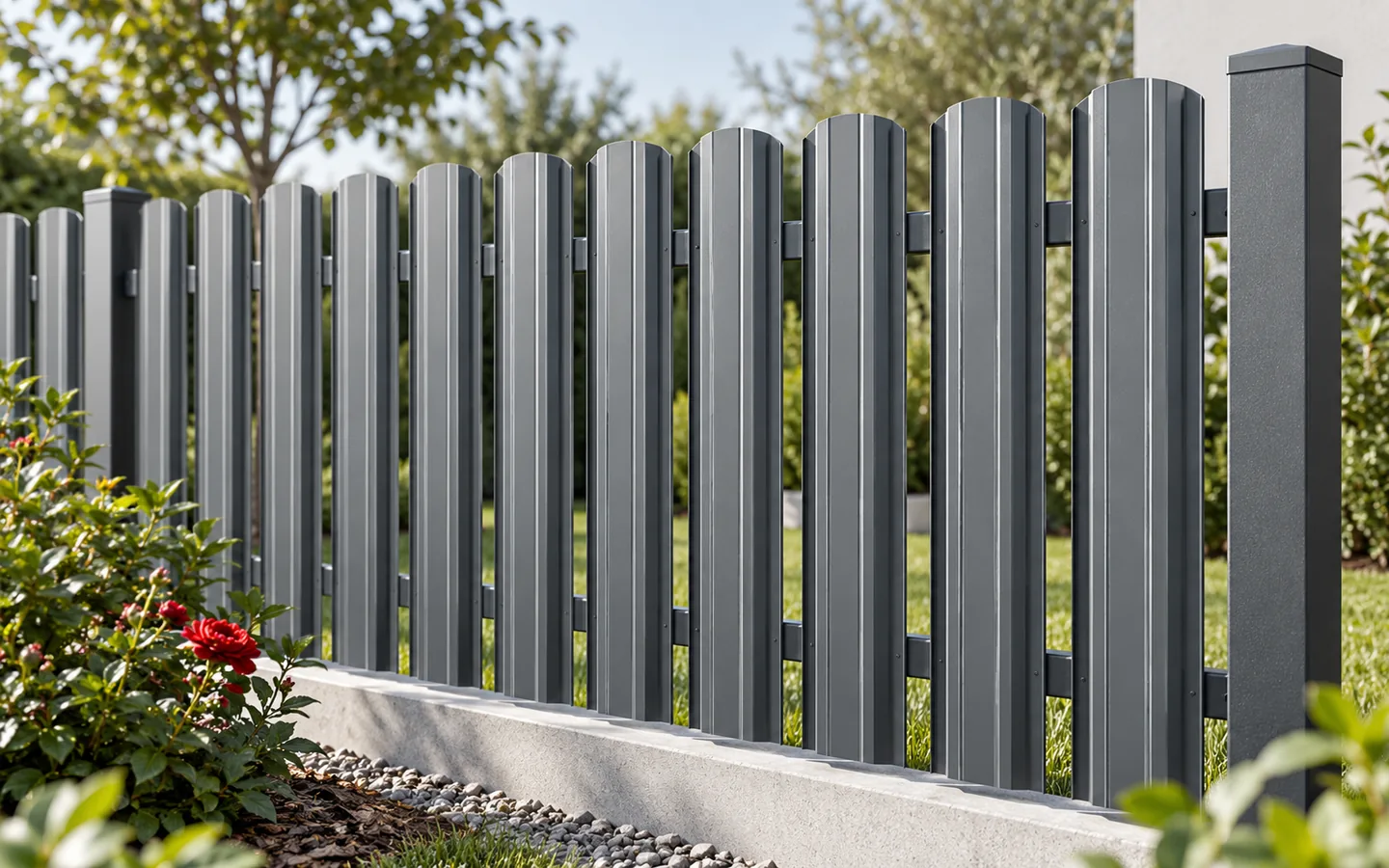
How sheet metal fence panels work and where they fit
A fence made of sheet-metal panels makes sense when a screen of ready-made bays or sheets fixed to a structure is needed, rather than an open mesh or individual pickets. Before buying, check how the posts, foundations and rails have been matched to the specific infill, because a larger screen area reacts more strongly to wind. Also inspect both sides of a bay, since rails and fasteners are often more visible from inside the property. Bear in mind that full sheet metal reduces airflow and shades a strip of greenery, and its acoustic effectiveness depends on the tightness, height and position of the barrier.
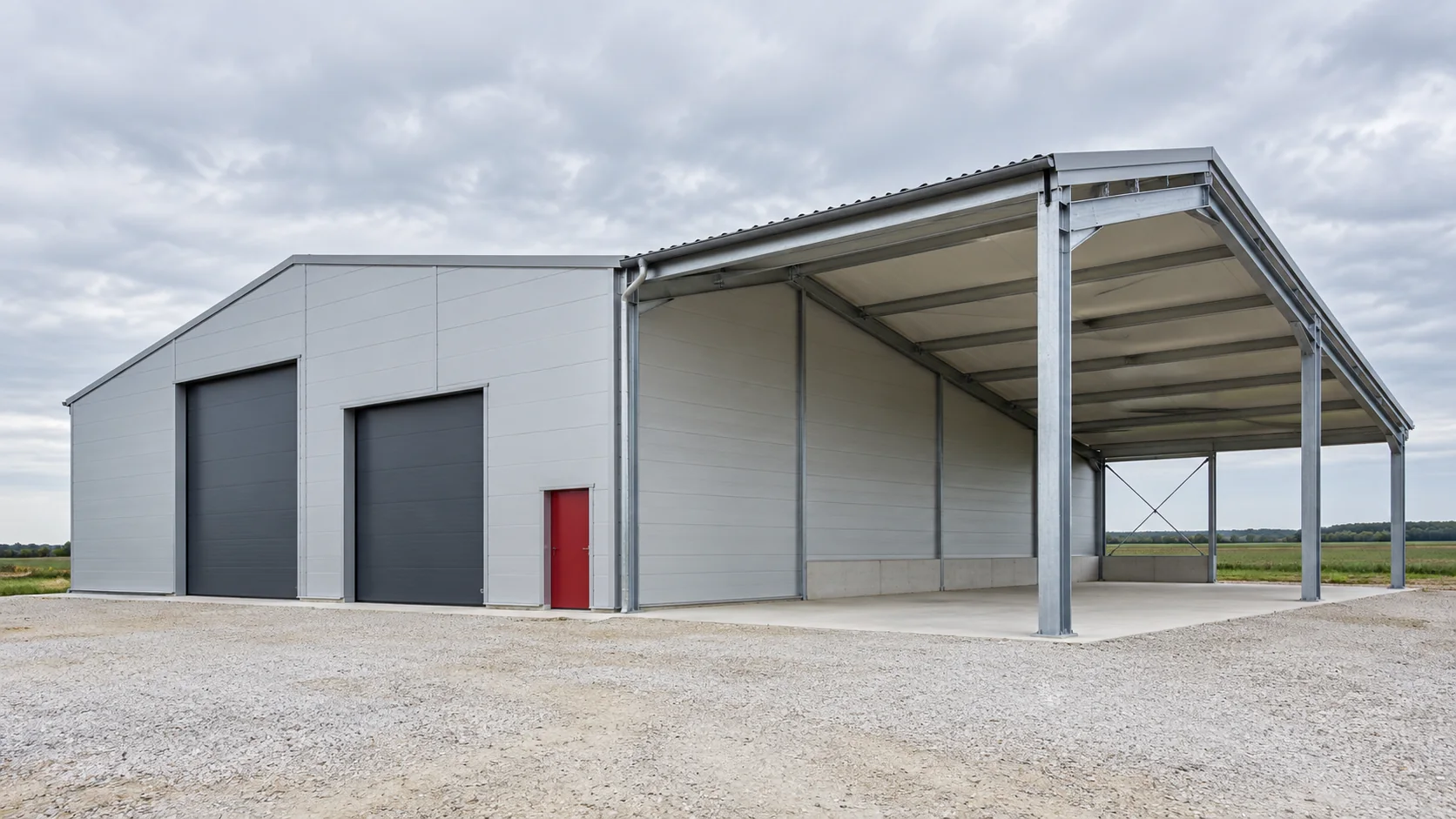
How to choose the right type of sandwich panel for the function and budget of a new building?
A sandwich panel combines metal facings with a core, but its suitability is determined by the whole product and how it is used. For a new building, selection should start from the function of the rooms, through the requirements of the building elements, to dimensions and cost. This approach allows real solutions to be compared rather than choosing solely by the name of the core. A dry warehouse, workshop, office back-up area and cold store may sit under one roof but place different demands. Note the temperature, humidity, cleaning method and planned equipment. Also identify areas requiring protection against impacts or frequent traffic. This is the starting point for selecting walls and roof.
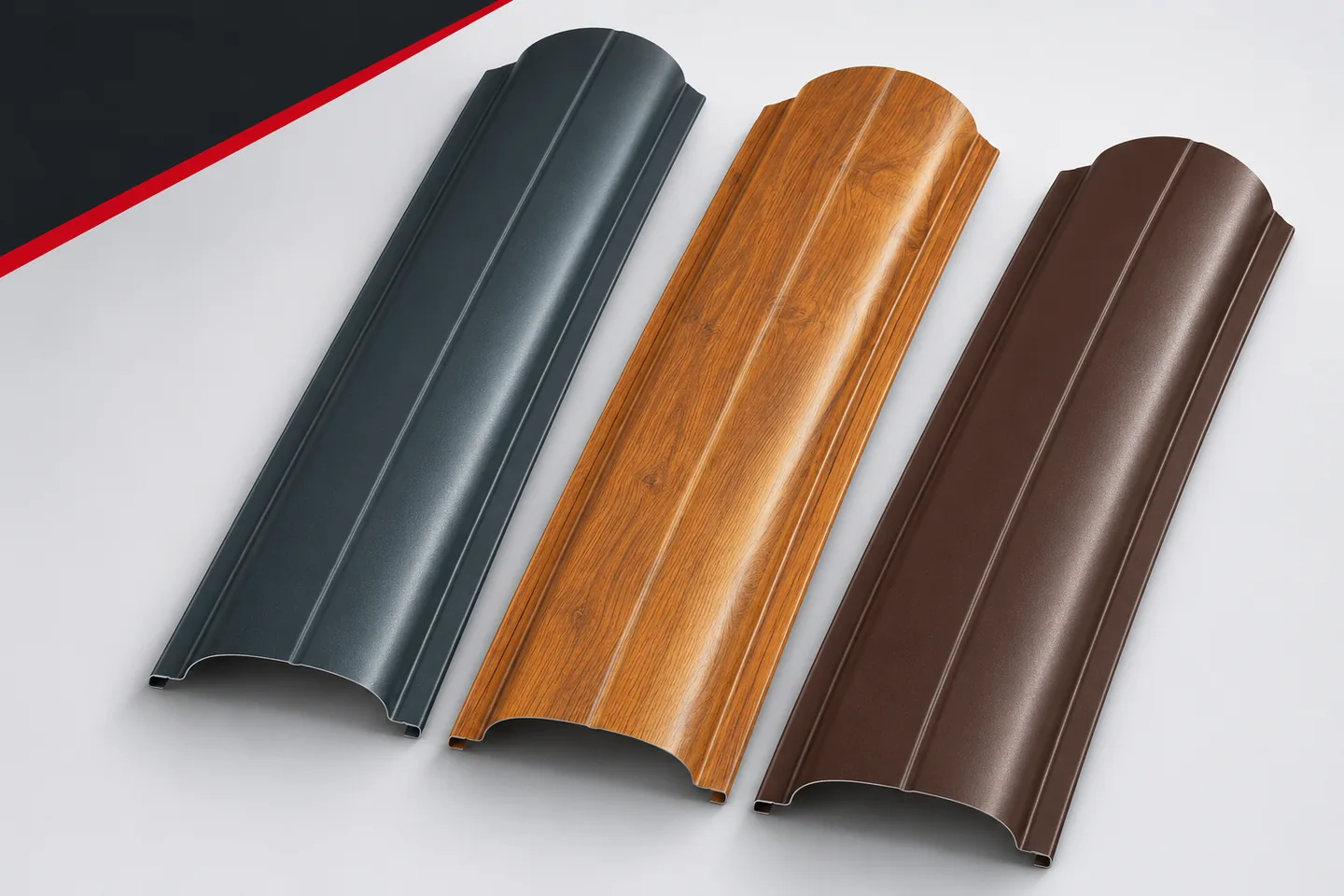
Receiving metal fence pickets: what to check before confirming a complete delivery
When taking delivery, it is easy to focus on the number of packages and overlook their contents. What matters, however, are the lengths, coating variants and accessories. Metal fence pickets can look similar even though they are intended for different areas. It is worth basing acceptance on the current schedule. This makes it possible to detect a discrepancy before installation, when clarification is simpler and does not require dismantling. Keep the final specification to hand, not an earlier quote. Check whether it reflects the latest changes to lengths and quantities. If the delivery is partial, it must be clear which items it covers. The number of packages alone does not indicate whether the order is complete. Different components may be packaged in different ways.
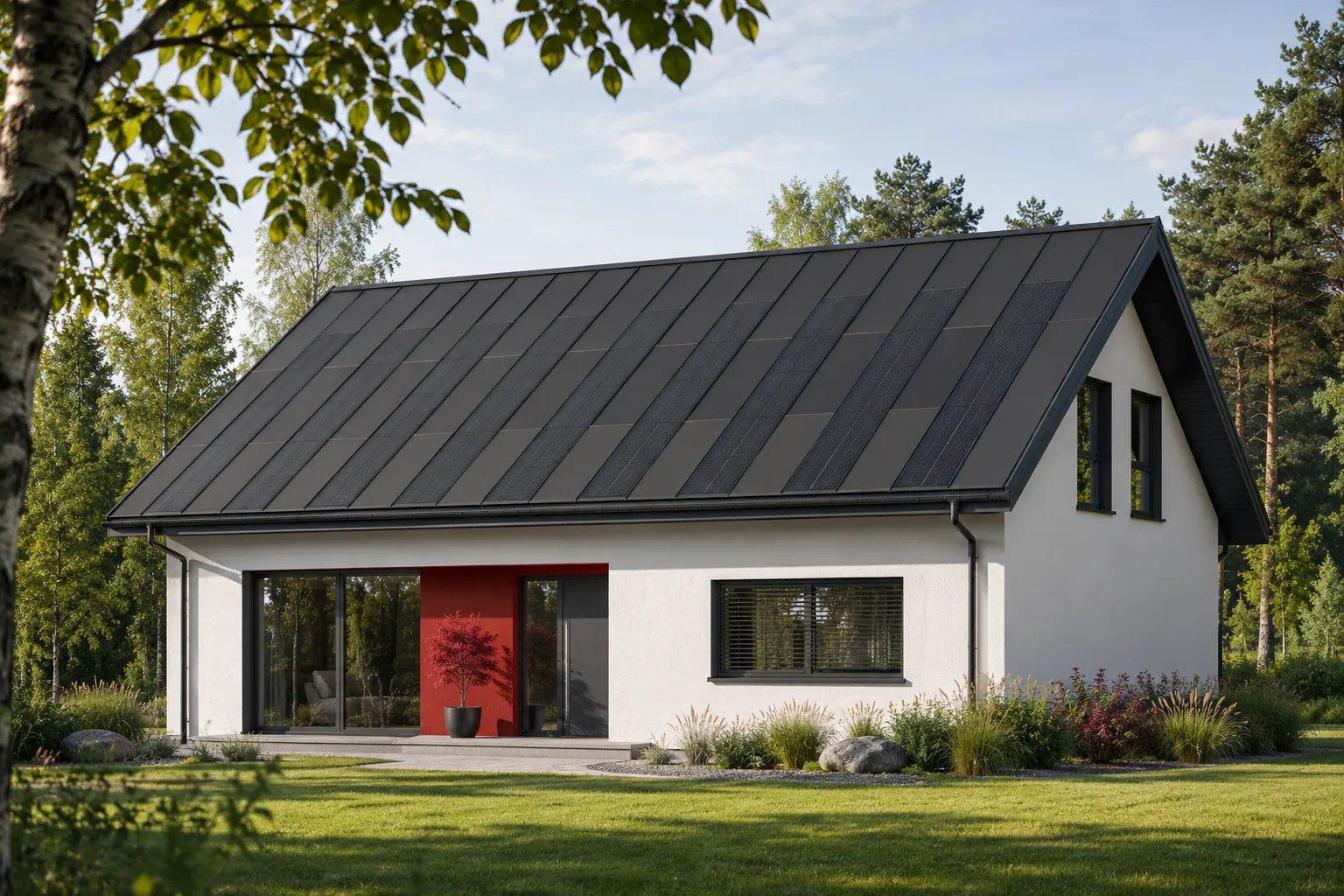
When should you decide against a photovoltaic roof despite its advantages?
An integrated roof gives a coherent appearance and combines the covering with energy production. It is best considered for new builds or a planned roof replacement. However, this does not mean it will be the best choice for every building. Sometimes the obstacles are technical conditions, poor solar exposure or an unjustified cost of reconstruction. A reliable decision takes these limitations into account. This ensures the system is installed where its advantages can actually be utilised. If the covering is sound and recently installed, removing it solely for integration may be difficult to justify economically. The value of the remaining service life and the cost of new works must be taken into account. This situation should not be compared with building a house, where the roof is being constructed anyway.
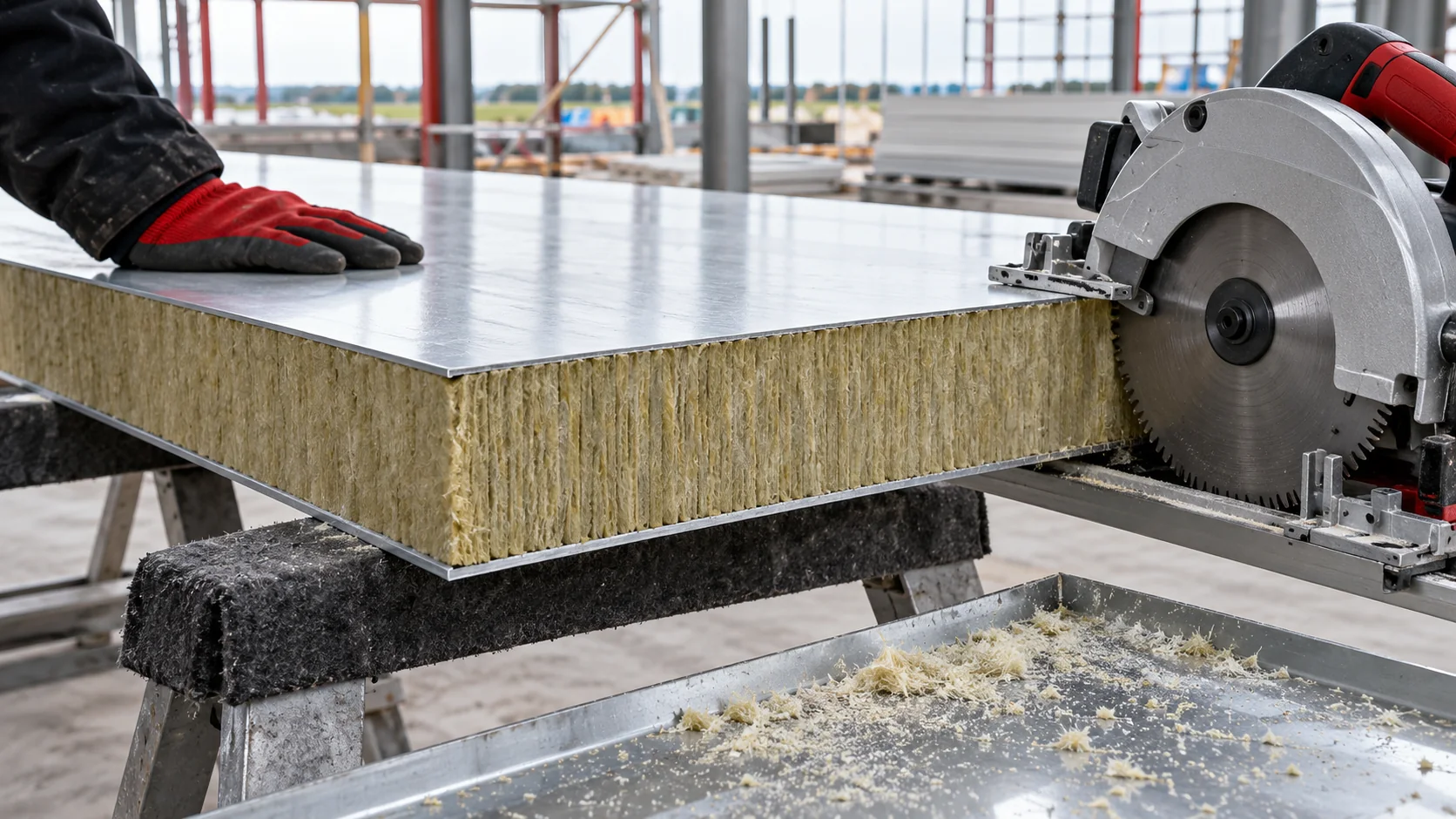
Cutting sandwich panels and forming openings without damaging the facings
Cutting a panel cuts through the facings and the core at the same time, so the tool must be matched to the whole element. On a new build, the cutting location and its effect on load-bearing capacity are also important. Careful cutting to size helps limit corrections at openings. High temperature and left-over swarf can damage the coating before installation is finished. First check the installation direction, the external side and the required dimension of the finished element. An opening for a window or a service penetration should have an approved location. It cannot be moved to any position simply because it is easier for the installer to work closer to the edge.
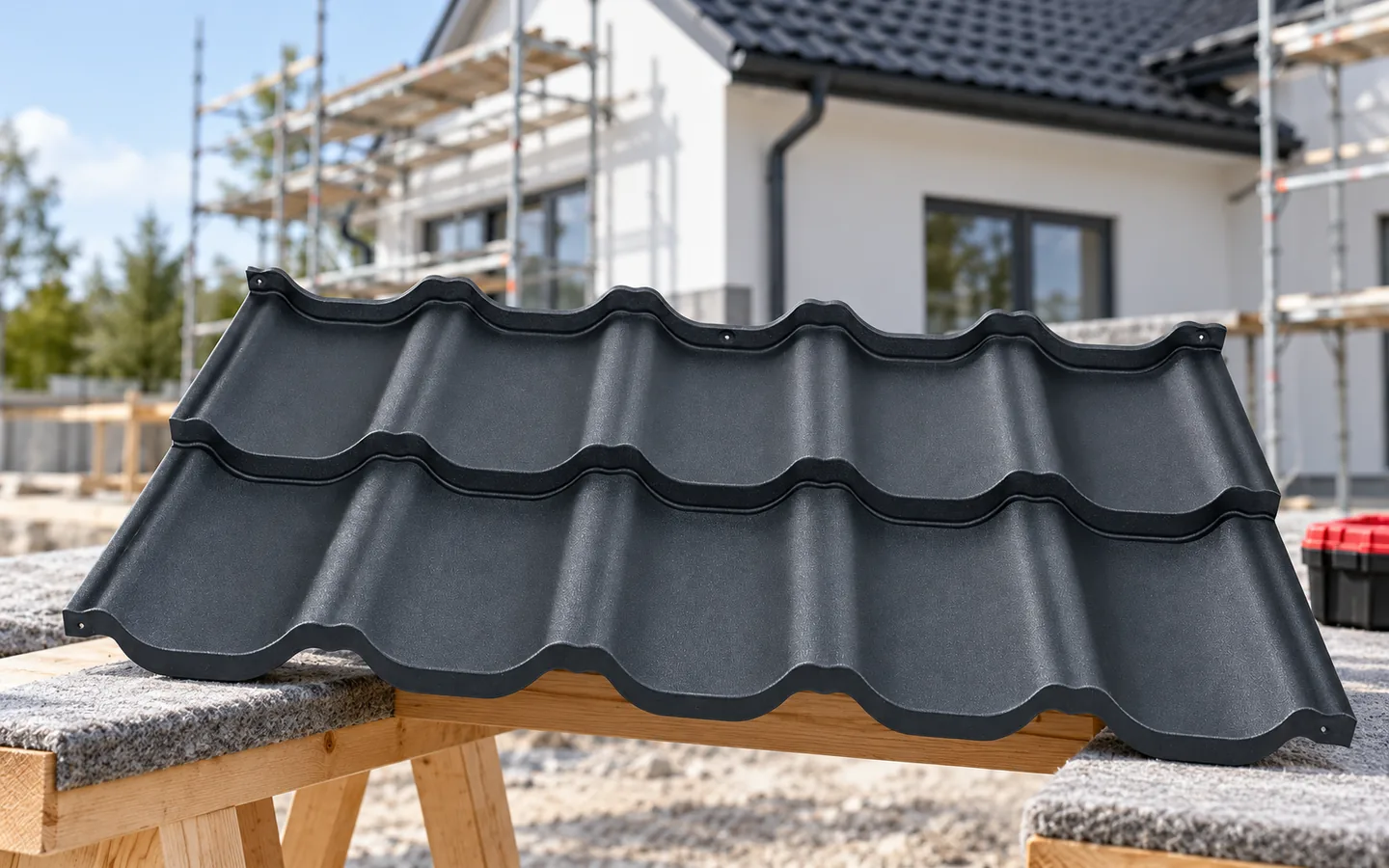
Planning a roof replacement: what to check and in what order
Begin by inspecting the trusses, supports and connections to find out where the leak originates. The cause may lie in the material itself or in a detail at the chimney, valley or eaves – in which case new sheets alone will not suffice. Only after this assessment should you choose the sheet metal, underlay and flashings, bearing in mind that T18, T35 and tile-profile sheeting reduce weight but will not strengthen a damaged structure. Plan the measurements, rain protection and inspection of each layer, and settle insulation, drainage and roof equipment straight away.