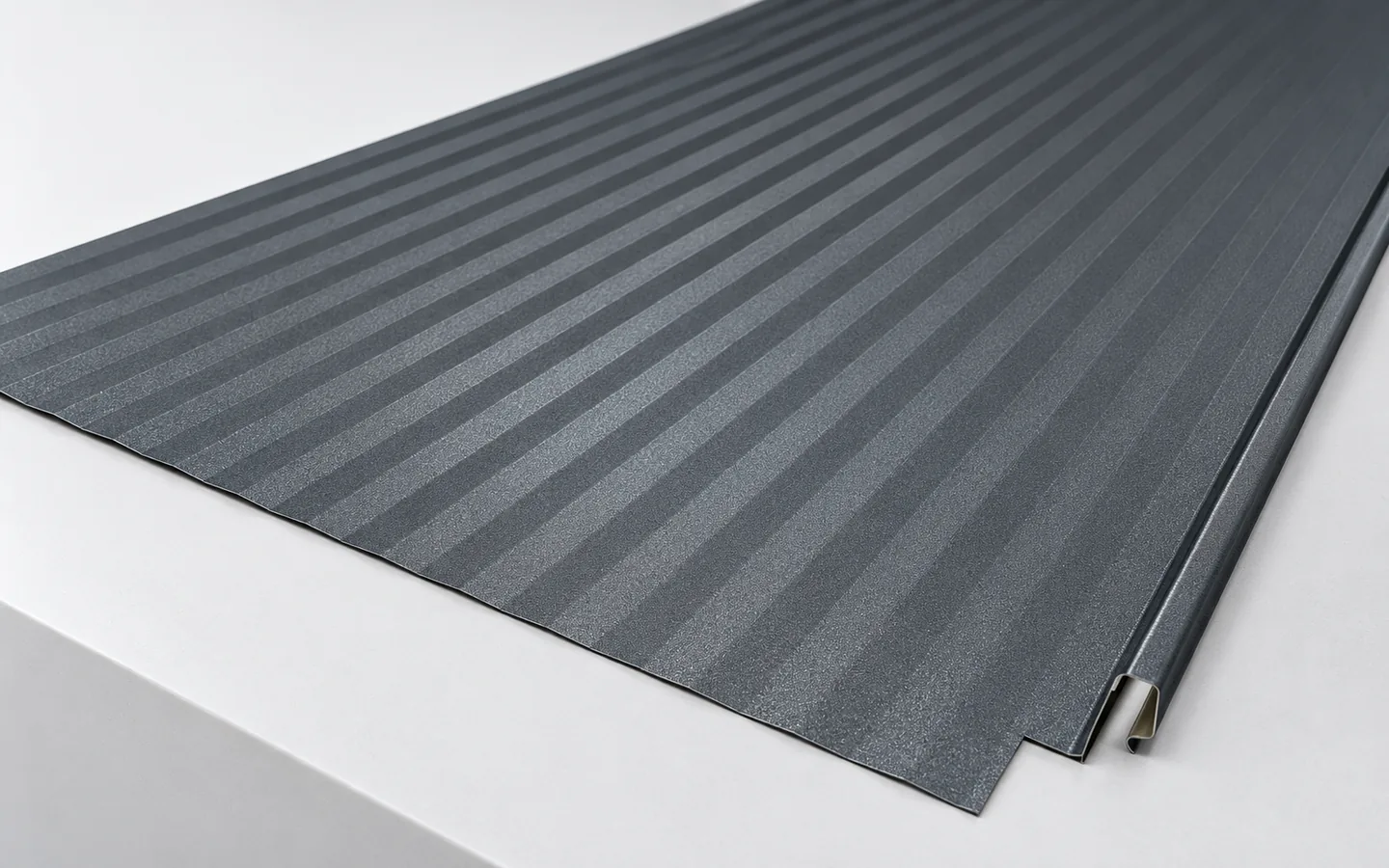
When is standing seam roofing a good fit for a building?

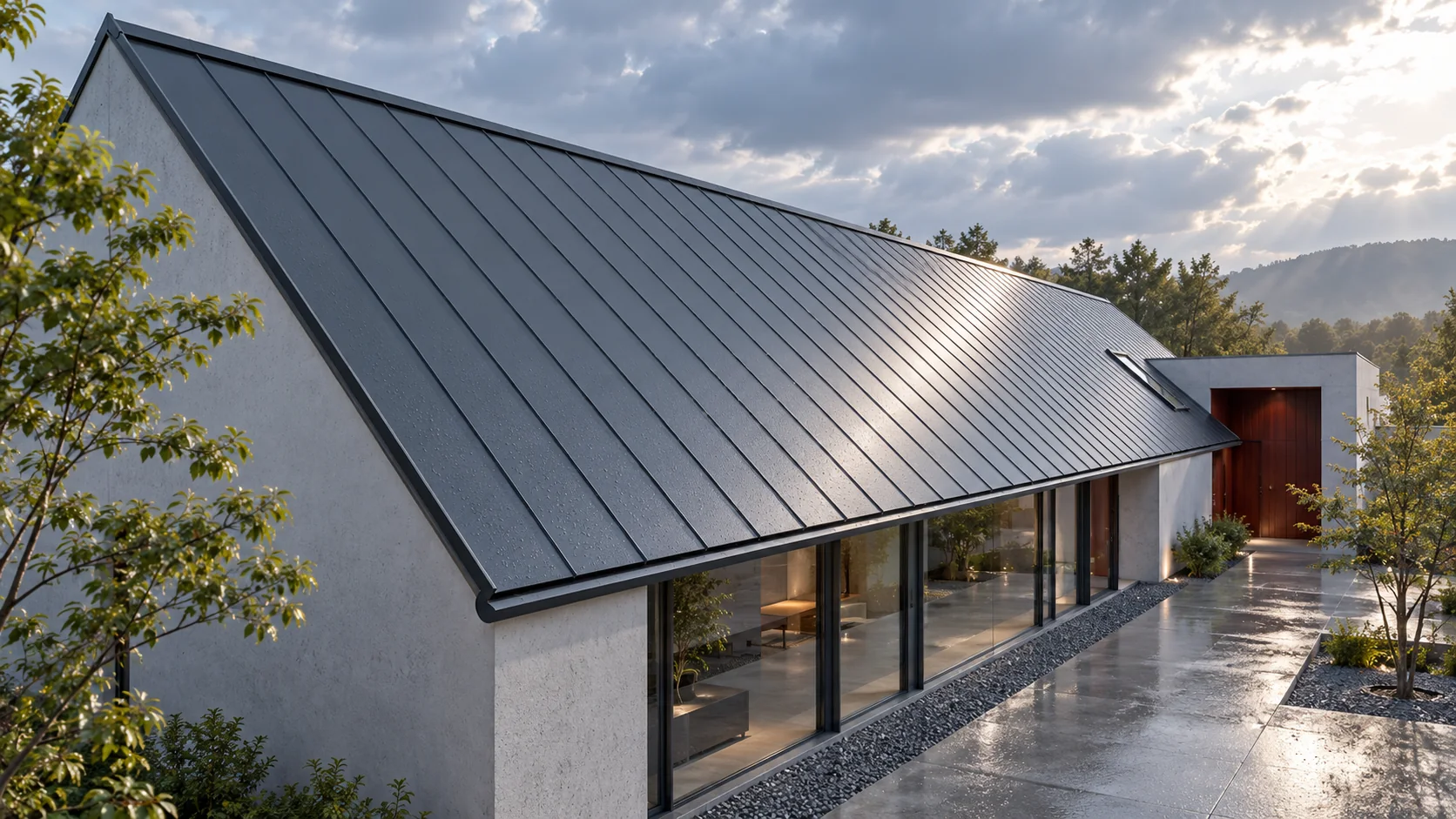
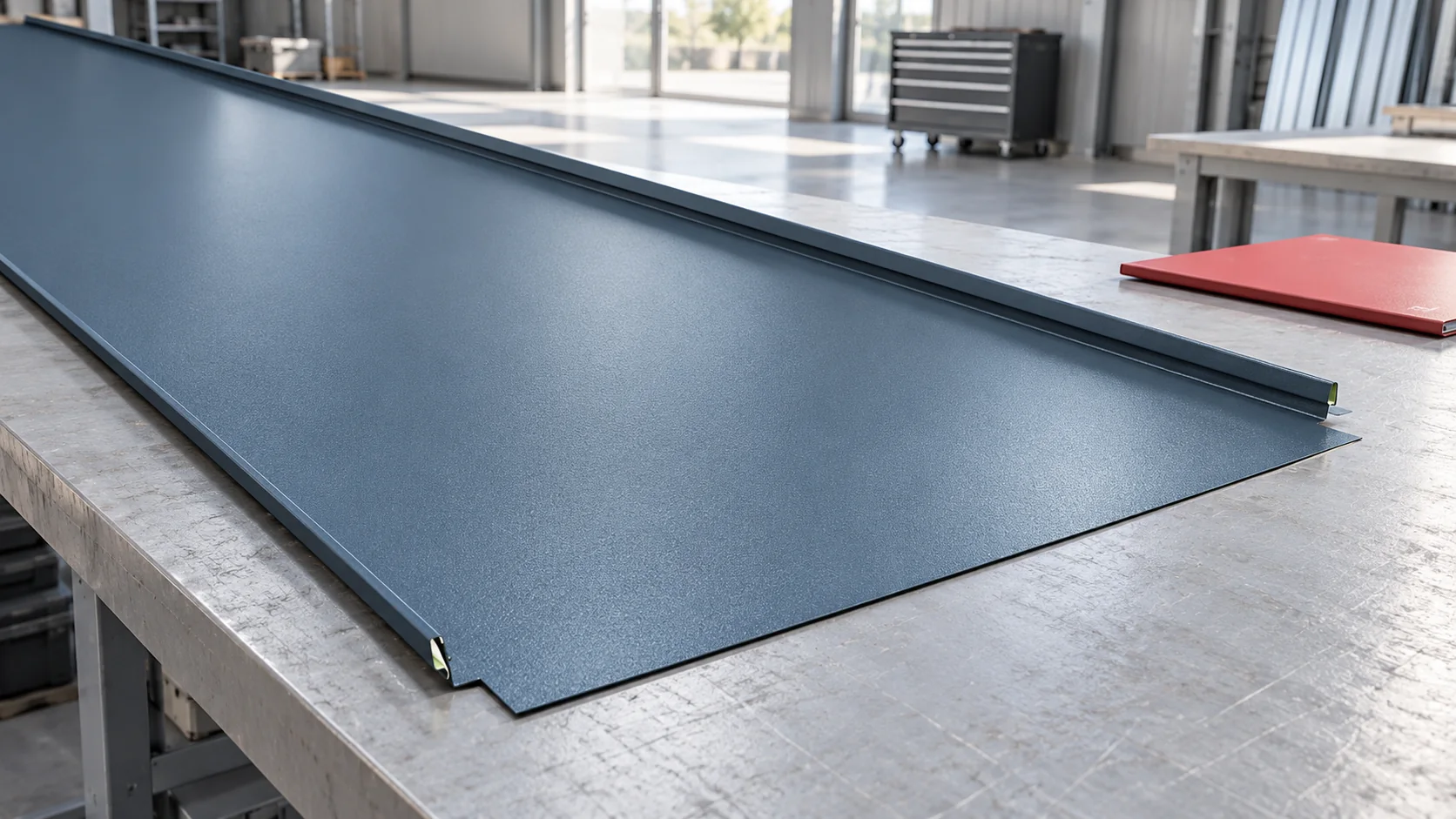
Choose a standing seam roof if you want a calm, vertical pattern across the slope, but first check whether your structure and contractor can support it. The key decision is the system: a traditionally closed seam or a ready-made snap-on panel, because a similar appearance does not mean identical tightness or behaviour under temperature changes. Before ordering, compare the complete roof with T35 or a modular metal tile, including the substrate, fixing and details. Remember that lightweight sheet metal does not prove the old roof truss is in good condition.
By |2026-11-15T03:57:36+01:002026-10-28|Knowledge base|Comments Off on When is standing seam roofing a good fit for a building?

Why does the watertightness of a standing seam roof depend on the entire roof slope?

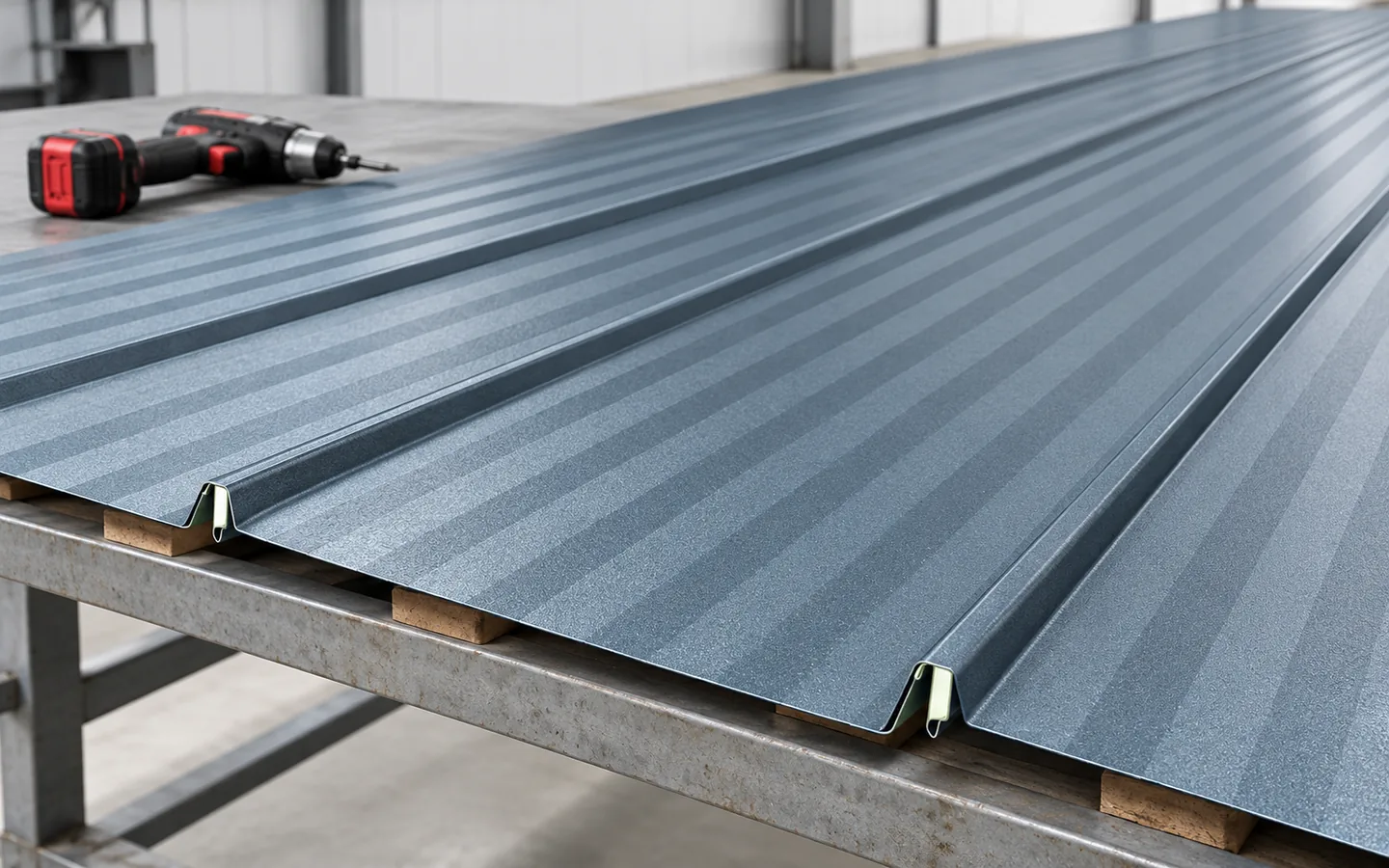
The standing seam moves the joint between adjacent strips away from the main plane of water runoff. This is an important advantage, but it does not justify calling every such roof the most watertight. Water can enter at the chimney, a transverse junction or an incorrect eaves detail. The effectiveness of the covering is determined by the entire system: from the substrate to the final flashing. The longitudinal edges are raised above the surface between them. Water flowing down the roof slope moves mainly along the flat strip. In many solutions the fixings remain concealed within the joint. This limits the number of holes in the visible surface, but does not remove the requirements for their correct execution.

By |2026-11-14T10:36:57+01:002026-03-18|Knowledge base|Comments Off on Why does the watertightness of a standing seam roof depend on the entire roof slope?

Mechanically seamed or snap-lock roofing: how the joints differ

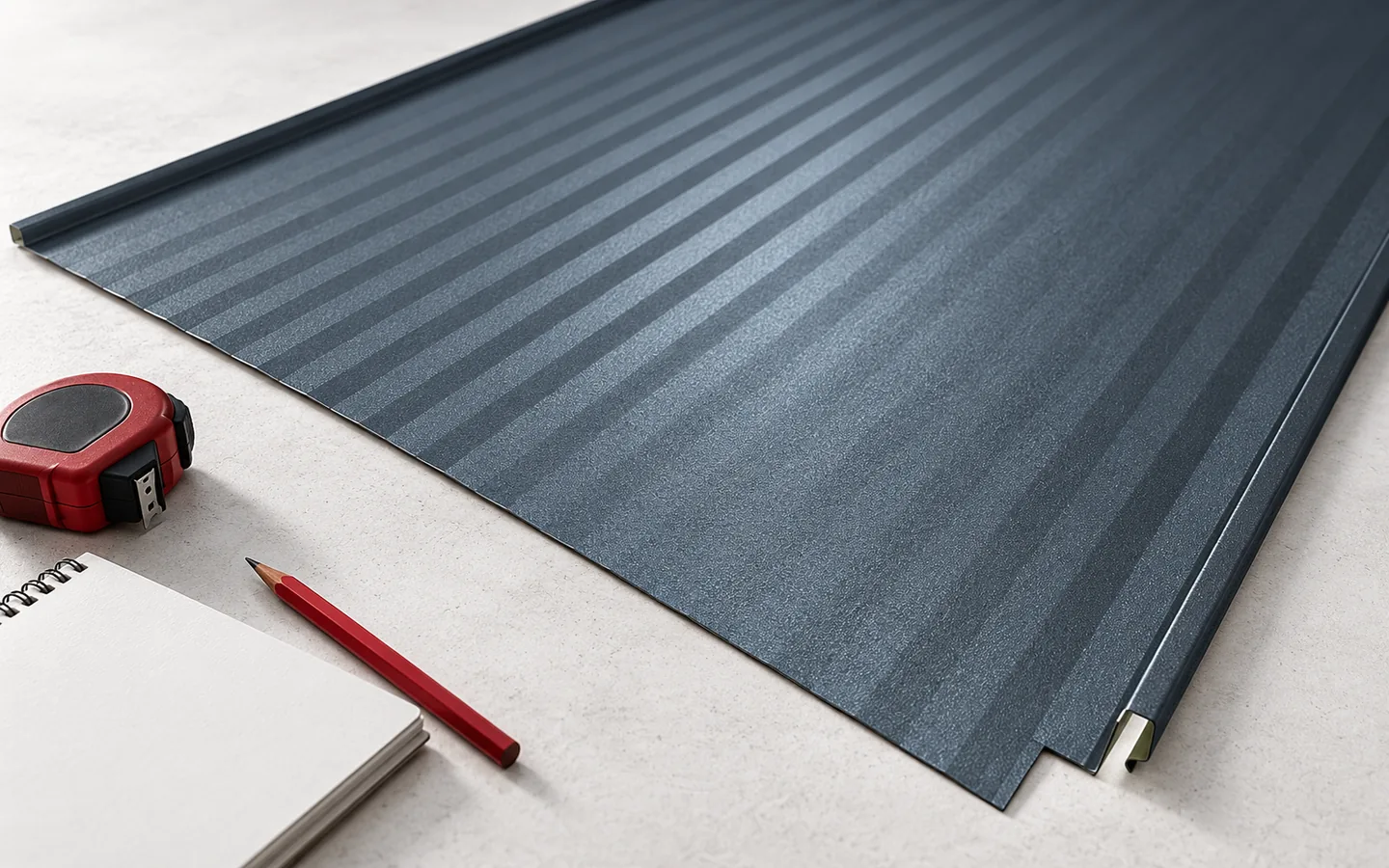
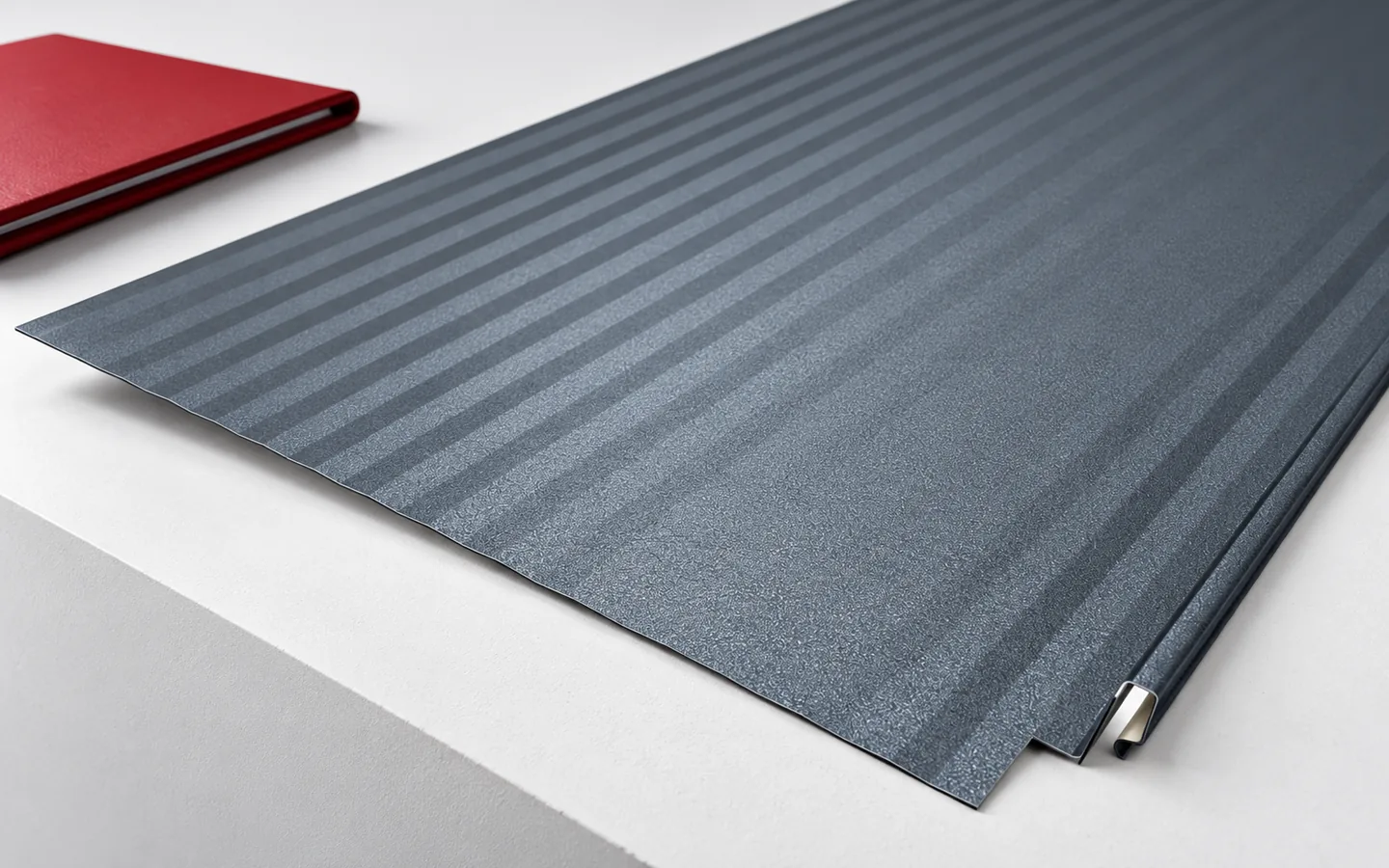
The term ‘standing seam roof’ covers several different solutions. Traditional metal strips are closed by folding the edges. A snap-lock panel has a factory-formed joint. A similar appearance of the finished roof surface does not mean the same installation rules. The differences should be established before choosing the substrate, strip lengths and flashings. Adjacent strips have prepared edges that are joined and closed with sheet metal tools. Depending on the system, a single, angled or double seam is used. With a double closure, the edges undergo an additional folding stage. This is not the same operation as pressing down a ready-made snap lock.

By |2026-11-14T10:36:42+01:002024-03-05|Knowledge base|Comments Off on Mechanically seamed or snap-lock roofing: how the joints differ

Standing seam or trapezoidal cladding for a metal façade?

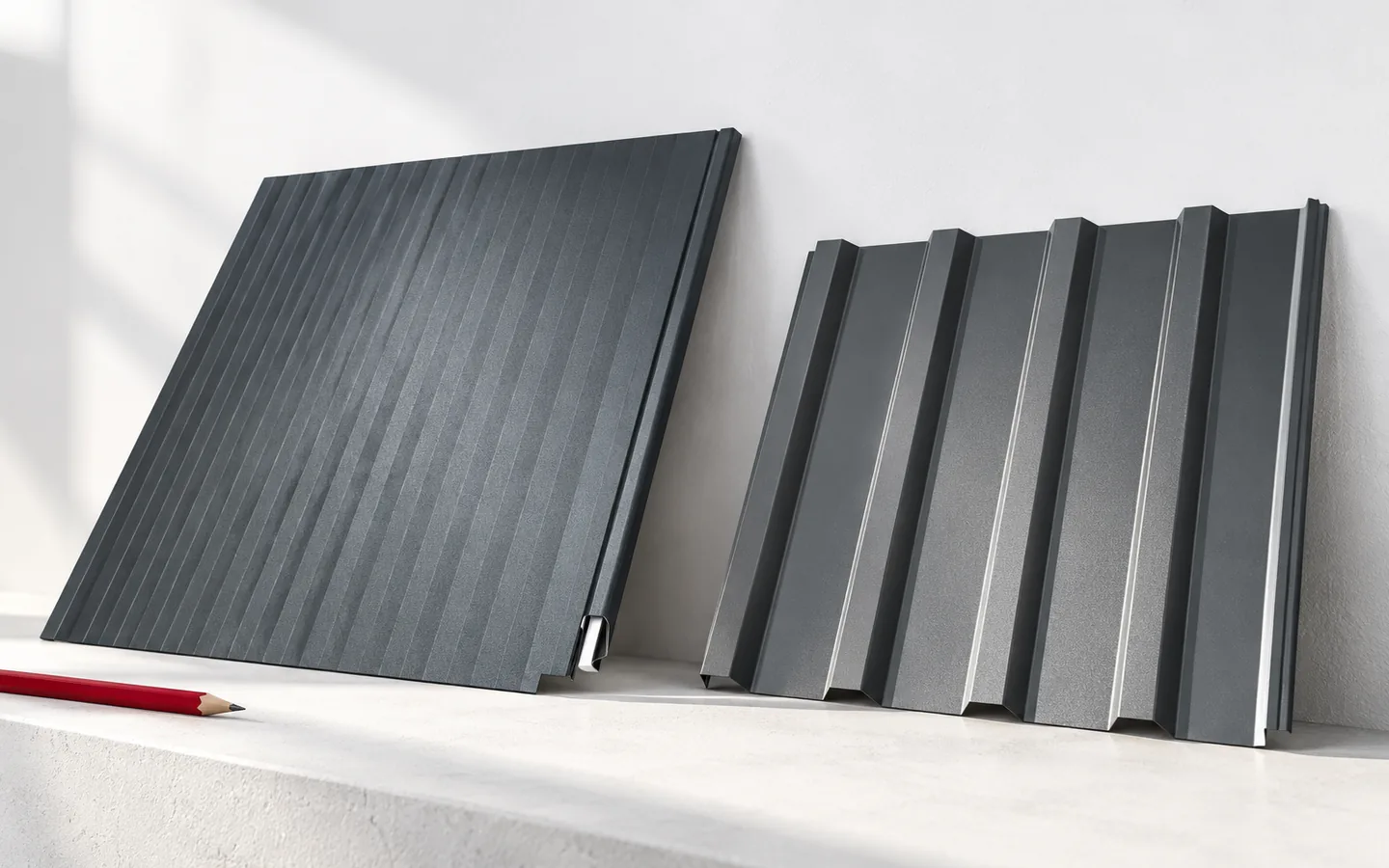
When choosing a standing seam metal façade, first establish whether the product is intended for walls rather than only for roofs. Check the fixing method, the substructure and the ventilation of the entire cladding. Plan the panel layout on a drawing before ordering lengths and flashings, linking the rhythm to window widths and the building's articulation. When comparing with trapezoidal sheet, do not rely on the profile name alone: verify the cover width, steel thickness and wall variant. Leave design decisions to the designer.

By |2026-11-14T23:55:45+01:002023-10-01|Knowledge base|Comments Off on Standing seam or trapezoidal cladding for a metal façade?

What makes standing seam roofing panels easier to install?

Whether installing snap-lock seam panels will be straightforward depends above all on the system matching the actual substrate and roof geometry, not on the factory-formed seam alone. Check that the substrate is level and stable, that thermal movement of the metal is allowed for, and that details at the eaves, ridge and penetrations are complete. Snap-lock panels and traditional standing seam are different solutions, so instructions, minimum pitches and accessories should not be transferred between them without confirming compatibility. The simple appearance of the covering demands high accuracy, because unevenness is easily revealed in the light.

By |2026-11-14T16:52:21+01:002023-09-30|Knowledge base|Comments Off on What makes standing seam roofing panels easier to install?

Planning the installation sequence for standing seam roof panels

The key to a successful standing seam panel installation is carefully checking the roof geometry and compliance with the chosen system's instructions. Before ordering, establish the dimensions of the roof slope, its pitch and the locations of penetrations and flashings, and verify that the panel is approved for that arrangement. Separately, plan the lengths and any transverse joints, bearing in mind that the maximum available length does not always make transport and delivery onto the roof easier. It is also worth preparing a plan for unloading and dry storage to avoid edge damage.

By |2026-11-14T23:57:51+01:002023-07-26|Knowledge base|Comments Off on Planning the installation sequence for standing seam roof panels

Choosing standing seam roof panels: what to check before ordering

First establish whether the covering you are considering is a snap-lock panel or a seam formed on site – these are two different solutions. The panel edges are factory-shaped to click together, while a traditional seam is created by folding the metal on the roof. So do not transfer requirements for pitch, substrate or joining between them. Before buying, check the minimum pitch, support, fixing and thermal movement conditions. Also consider the eaves, ridge and penetrations. Compare the whole roof with T18 or T35 sheet.

By |2026-11-14T23:57:18+01:002022-10-19|Knowledge base|Comments Off on Choosing standing seam roof panels: what to check before ordering
Back to top