
Knowledge base
Izoprofil.com helps you compare materials for a specific building project. The guides cover the uses of sandwich panels, PIR insulation boards, metal roof tiles and trapezoidal sheets. The criteria depend on the application, including the supporting structure, thermal performance and requirements for the finished surface. Read the product specifications, identify which dimensions affect the order and compare complete solutions. The articles help you discuss the options with a designer or installer and check the suitability of the selected materials before purchase.
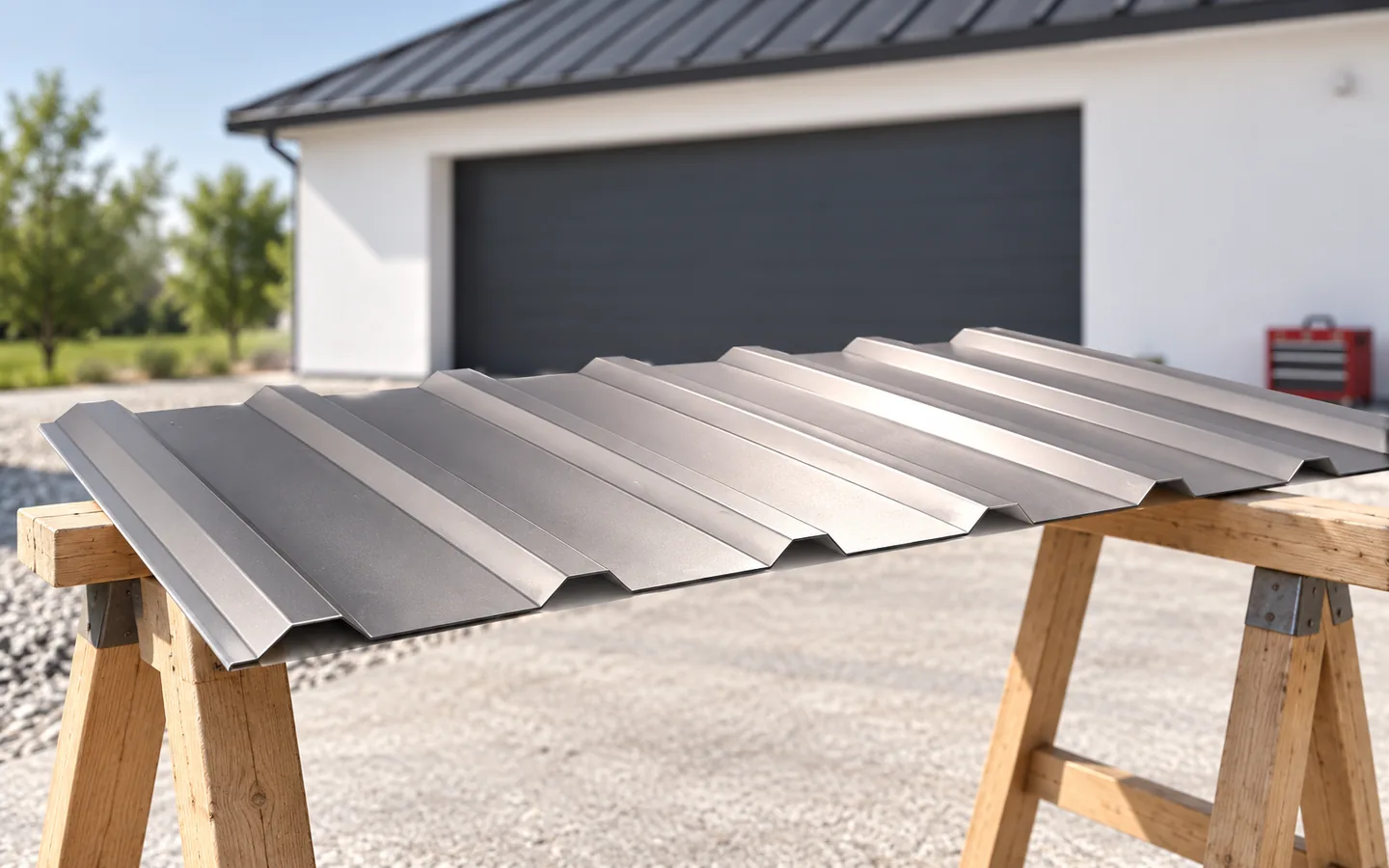
Choosing a low-cost roof for a house, garage, gazebo or patio
When choosing a covering, look at the whole outlay rather than the price of a single sheet. T18 or T35 steel sheet suits a simple roof, while a house with a usable attic also needs insulation, acoustics and well-executed details. Include the covering, support, substrate, fixings and flashings, plus gutters, penetrations, transport and labour; if renovating, add stripping out and disposal of the old material. Save through simple geometry and good cutting optimisation, without dropping the layers that keep moisture out.
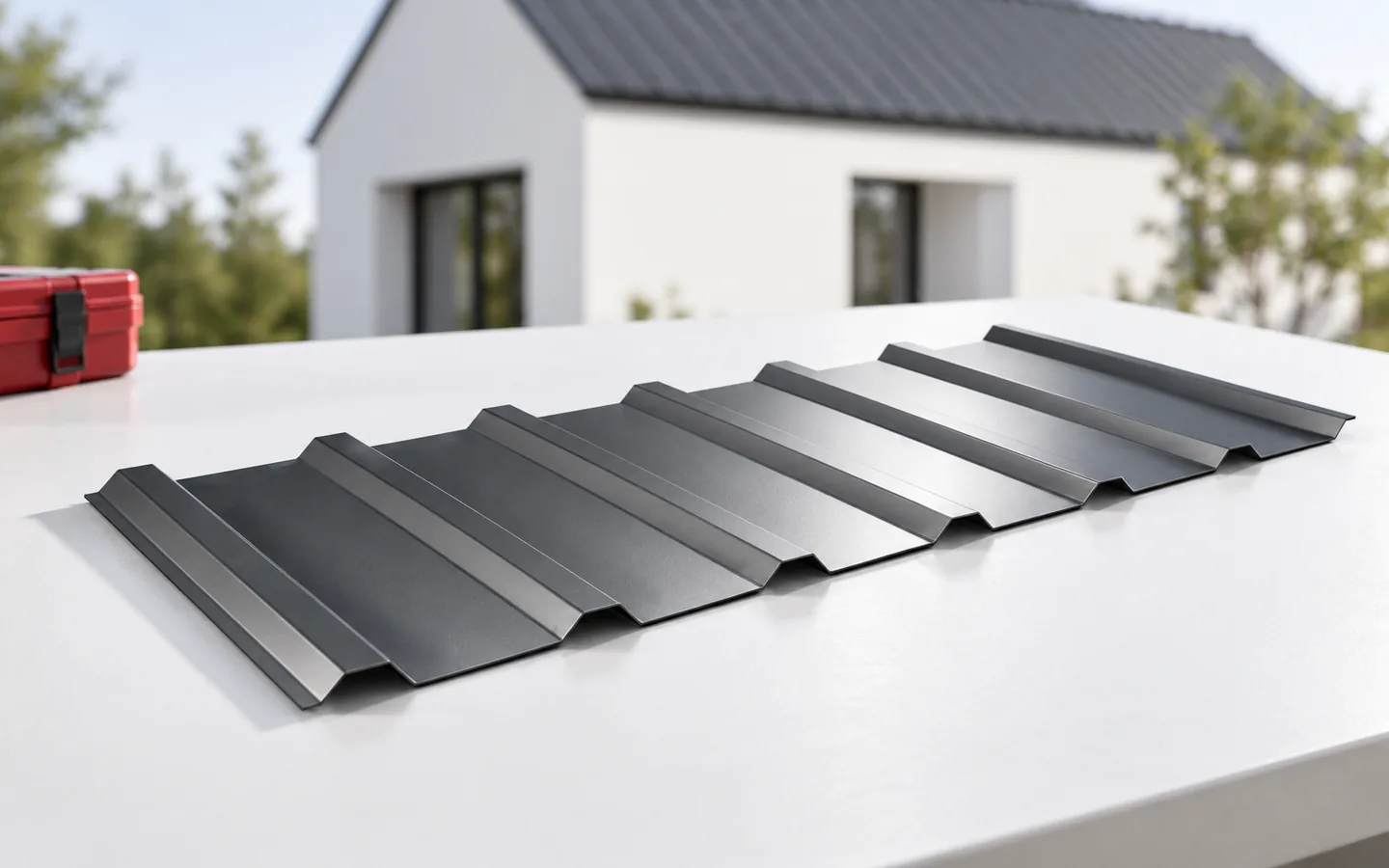
What makes trapezoidal steel sheet a modern roofing material?
A simple trapezoidal sheet stands out for its clear form based on parallel ribs that organise the surface and emphasise the roof pitch direction. Before choosing, however, check the load capacity, coating and roof pitch rather than relying on appearance alone. The effect depends on profile proportions and edge details, so a crooked eaves line or random flashing width can affect how the building is perceived. The name T18 or T35 does not replace data on loads, support spacing, thickness and steel grade.
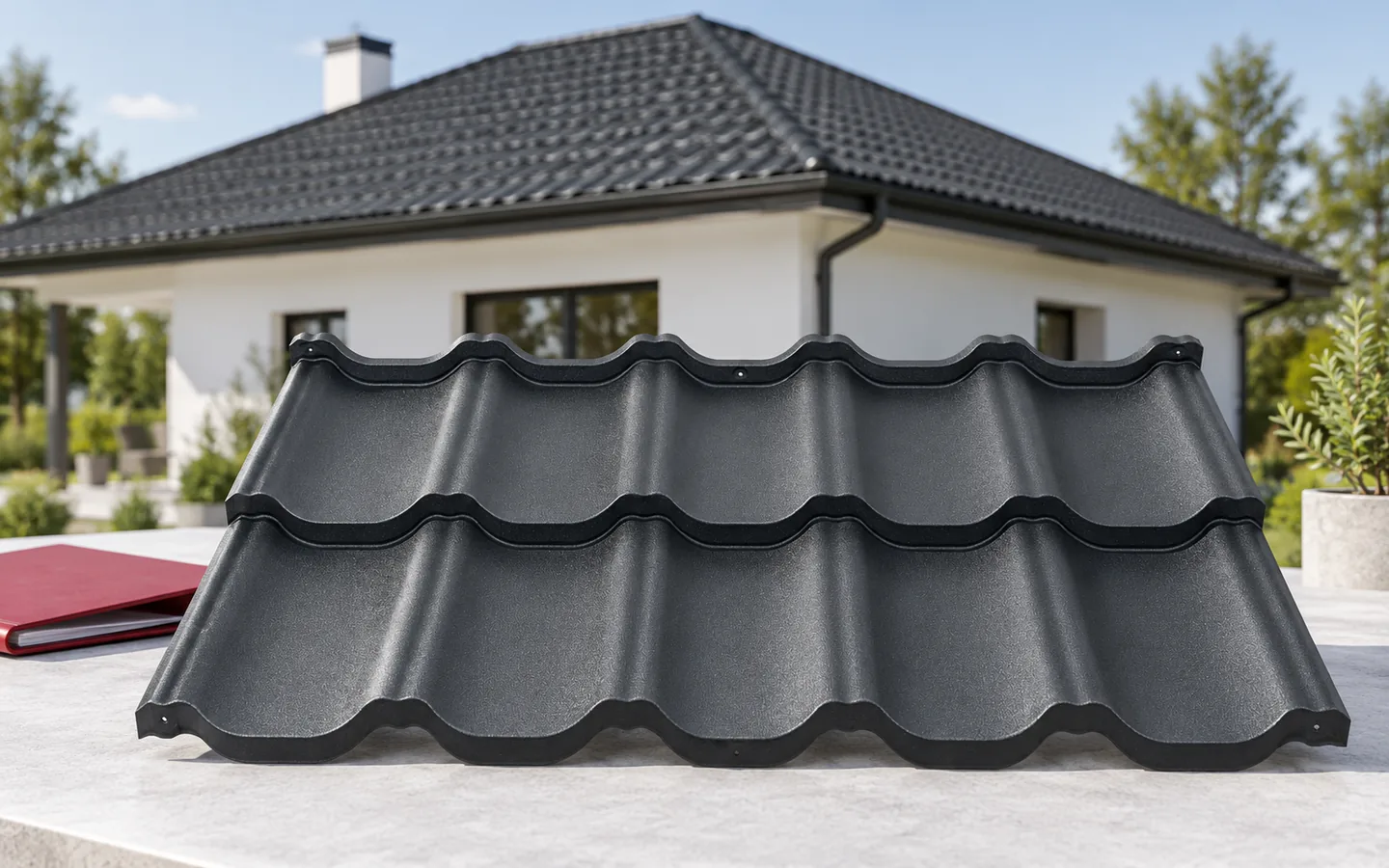
A hipped roof: how the structure affects the cost
A hipped roof has four slopes joined at the corners, and its cost depends on geometry and construction details. In a hip roof on a rectangular building, two slopes are close to a trapezium and two to a triangle, with a ridge at the top; in a pavilion roof the slopes meet at a point. Before choosing, check that the design defines the supports and how loads are transferred, because the number of slopes does not describe the load-bearing structure. Consider the span, pitch, length of the corners and the layout of the rooms under the roof.
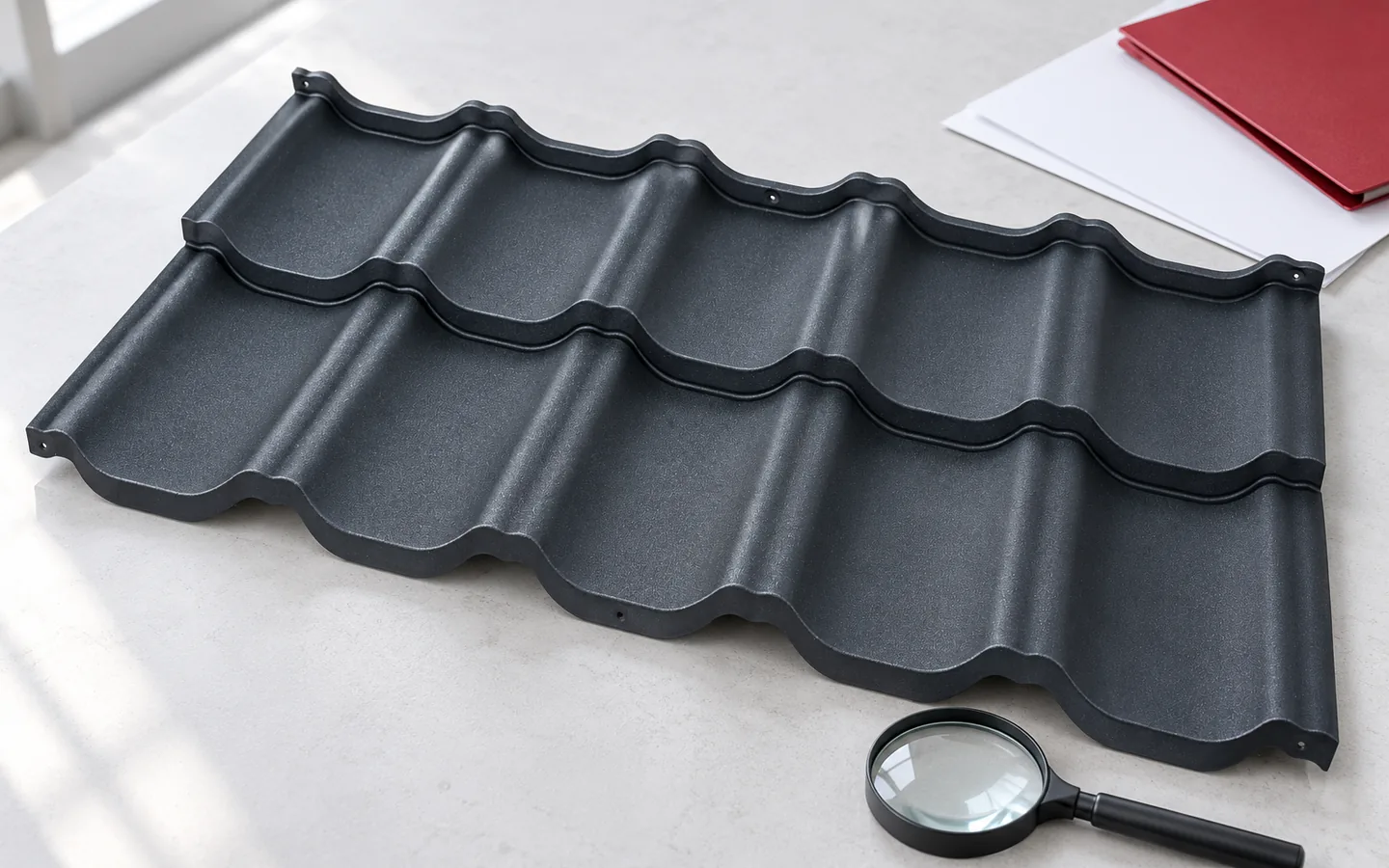
Tracing the causes of metal roofing complaints and preventing defects
Before treating a roofing sheet complaint as a material defect, check whether transport, storage or installation is the real source. On delivery, inspect the accessible edges, surface and packaging, and document any visible damage before splitting the pack. Later inspection should separate symptom from cause: a rust spot may come from a metal filing, while a leak may stem from flashing or condensation. Purchase documents and photographs of the whole roof area help establish the source and choose the right repair.
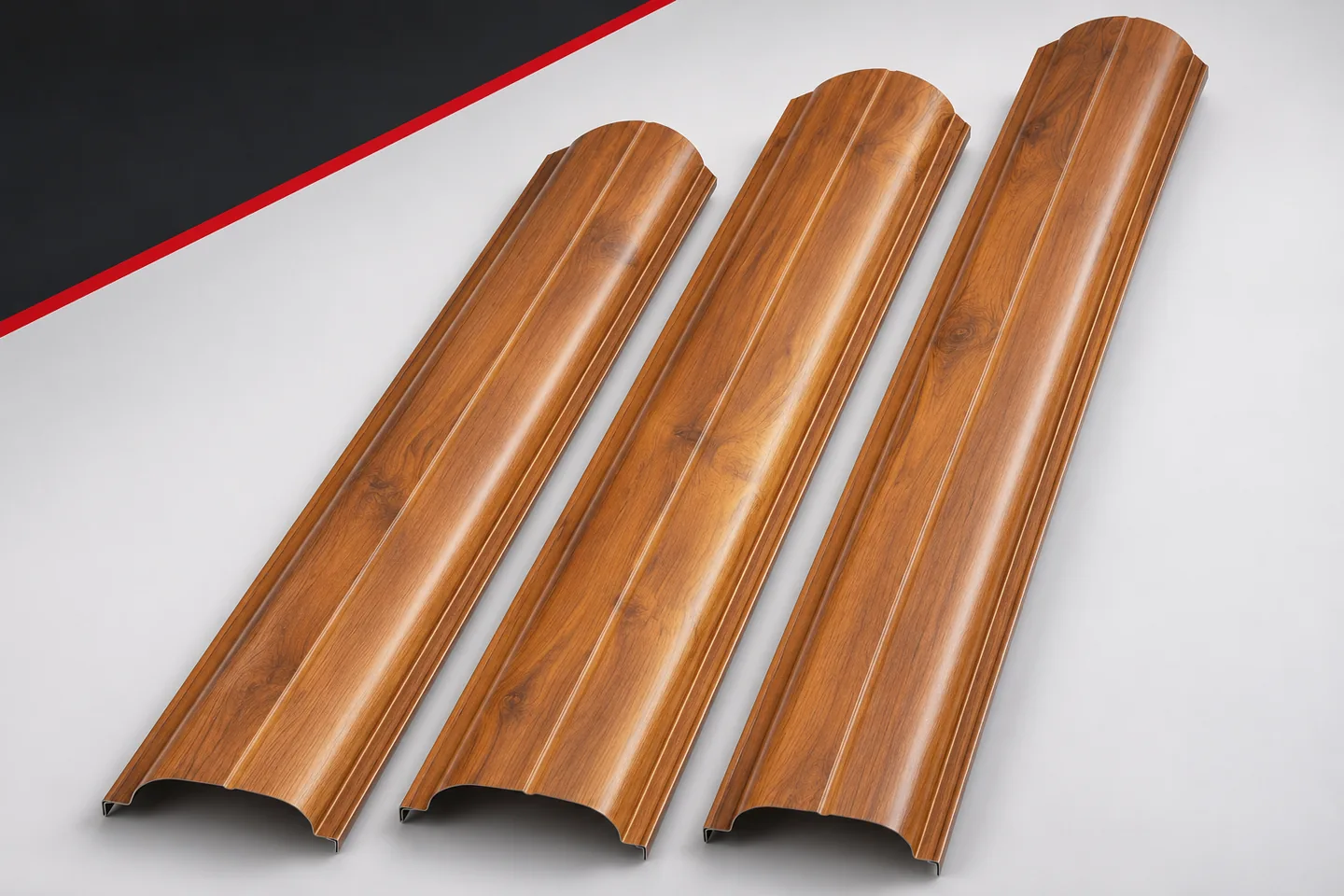
A fence picket sample before purchase: what to check beyond colour?
A sample is one of the most useful elements when choosing a fence. It shows more than a photograph, but it also has limitations. A short section does not prove how a long picket will behave within a bay. It is therefore worth using it for the right tasks. Checking the colour, geometry, reverse side and finish helps you order metal fence pickets that meet expectations. The material should correspond to the offer, not just to the general product family. Check the profile, coating and finish designation. If a sample of a different variant was shown, note that difference. A similar colour should not be treated as confirmation of all the properties of the picket being ordered.
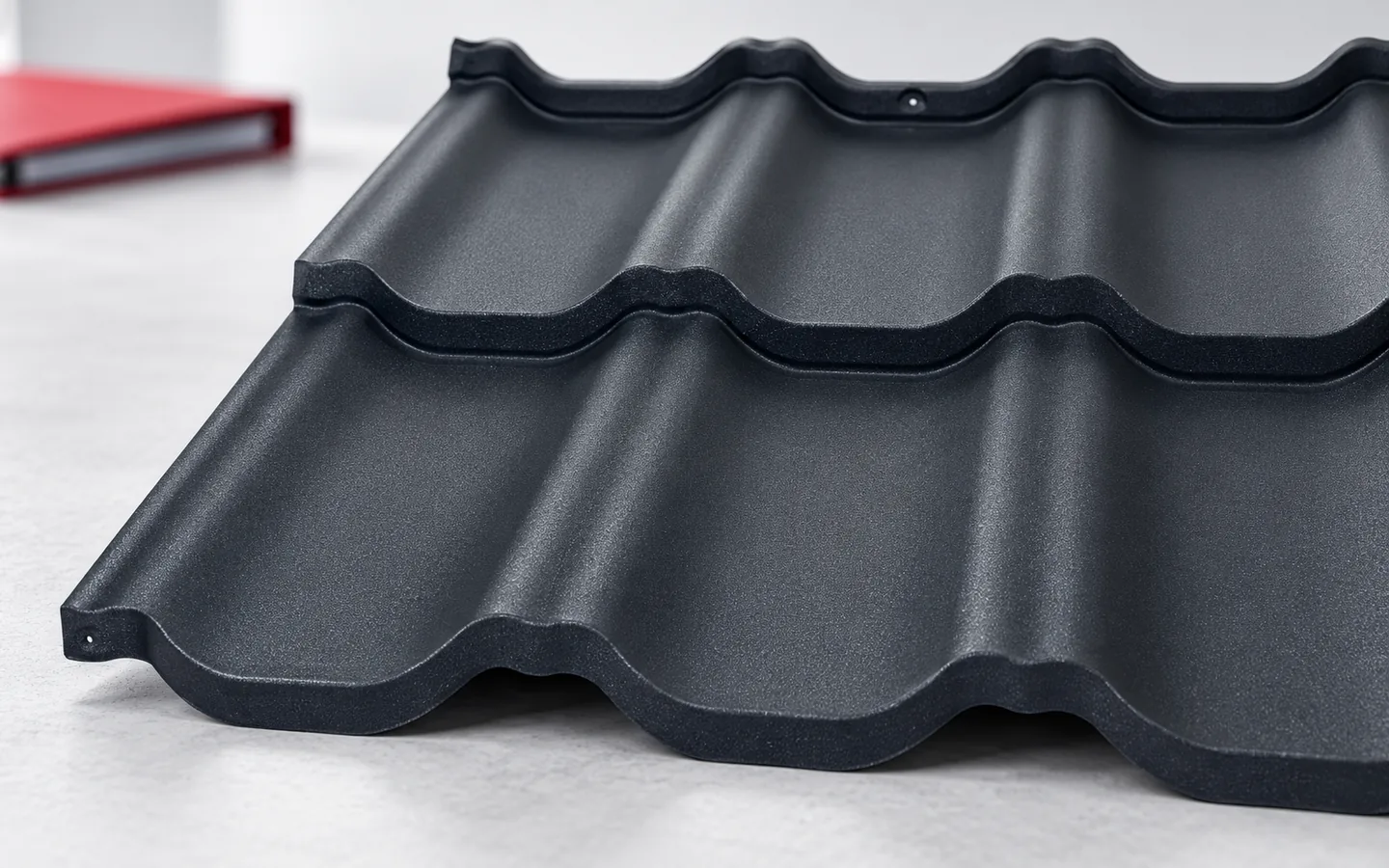
Stone-coated or painted steel roof tiles: what does the finish change?
The choice between a granular-coated metal roof tile and a coated finish depends on the desired appearance and verified documentation, not on a slogan about a better covering. It is worth checking whether the sample matches the effect on a large roof area, and comparing the coating build-up and installation requirements. The granular finish gives a mineral texture and diffuses light, but does not replace insulation or snow guards. A coated finish allows various gloss levels and profiles. The decision should be based on a complete system for the same roof geometry.