
Knowledge base
Izoprofil.com helps you compare materials for a specific building project. The guides cover the uses of sandwich panels, PIR insulation boards, metal roof tiles and trapezoidal sheets. The criteria depend on the application, including the supporting structure, thermal performance and requirements for the finished surface. Read the product specifications, identify which dimensions affect the order and compare complete solutions. The articles help you discuss the options with a designer or installer and check the suitability of the selected materials before purchase.
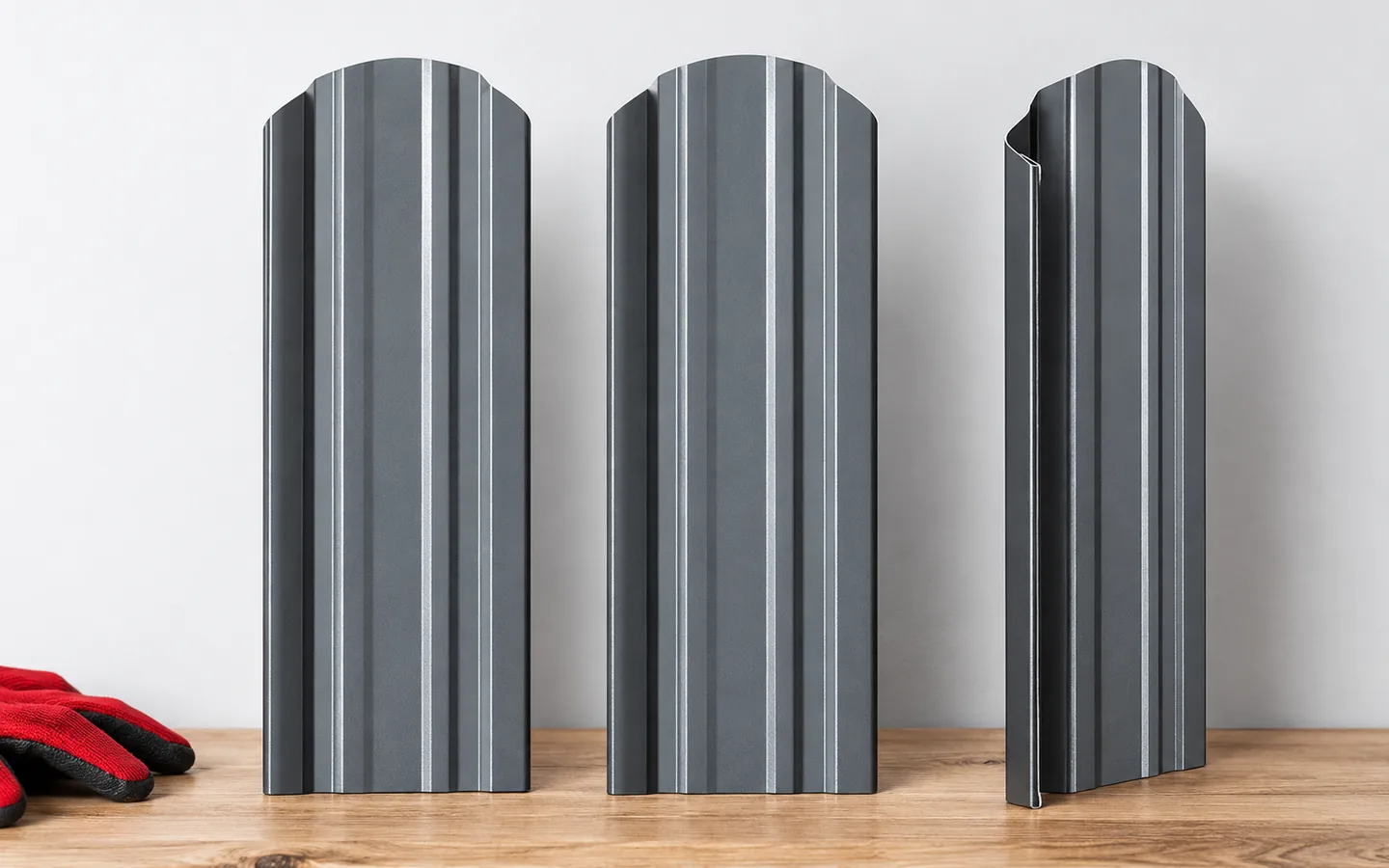
Metal fence pickets for a house: choosing the infill and layout
Metal pickets will work when you want a durable fence with a repeatable colour and no frequent painting, but the choice should follow the function of the property. Before buying, set priorities for each side of the plot: privacy, screening from the street or marking the boundary. Check whether openwork bays give enough visual exposure and whether a dense layout increases the area exposed to wind. View a sample from the side to assess the section and coating, and count the complete set with posts, rails and gate.
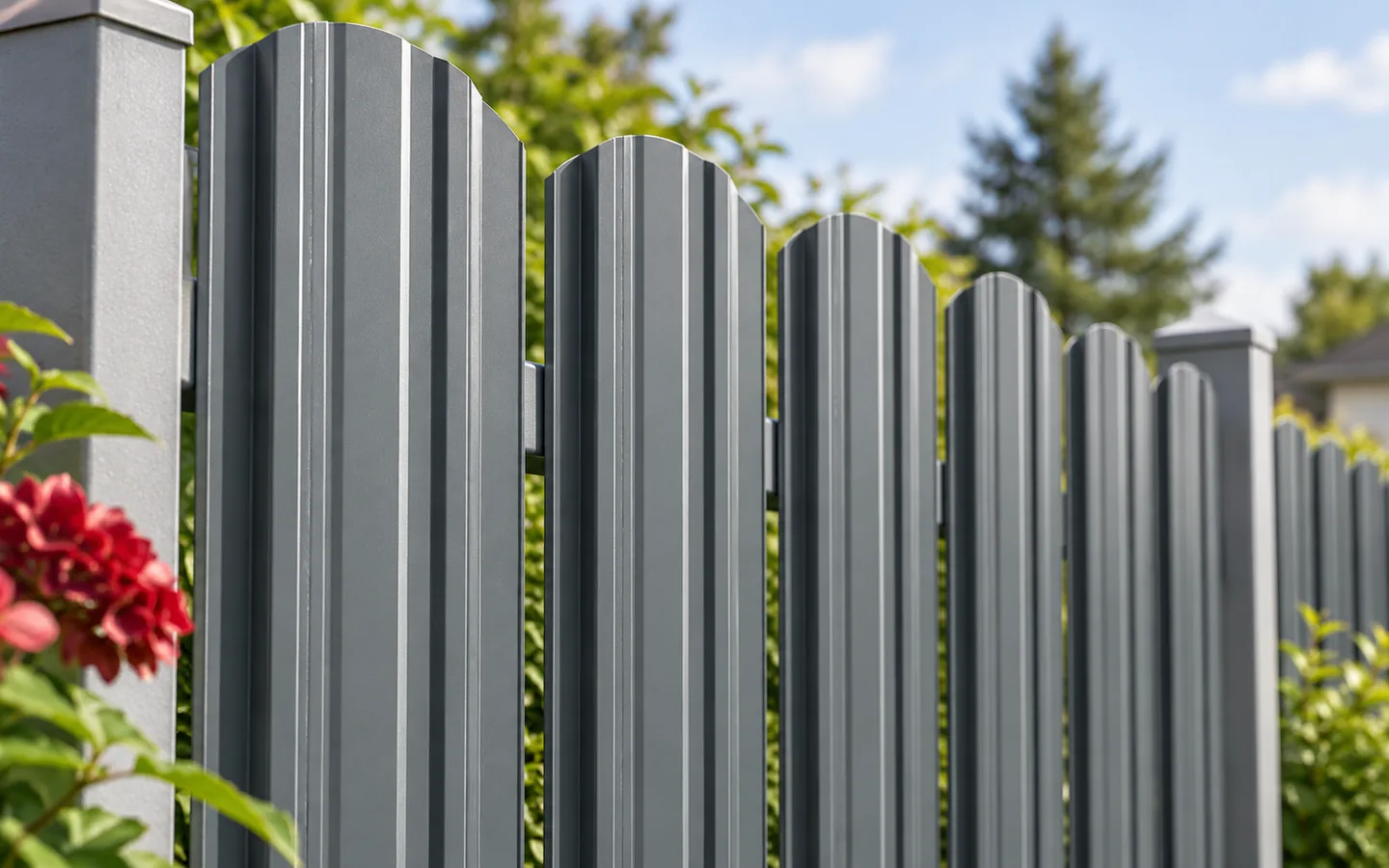
Is a sheet metal fence right for your property?
A sheet-metal fence will work on a property only once the solution is matched to the specific location and the desired effect. Before buying, it is worth checking whether a full trapezoidal sheet or profiled pickets better meet the needs, because this term covers various solutions. The gaps should be assessed from different angles, along with the finish on both sides of the fence. The gate structure and automation are worth settling before choosing decorative details, leaving design decisions to the designer.
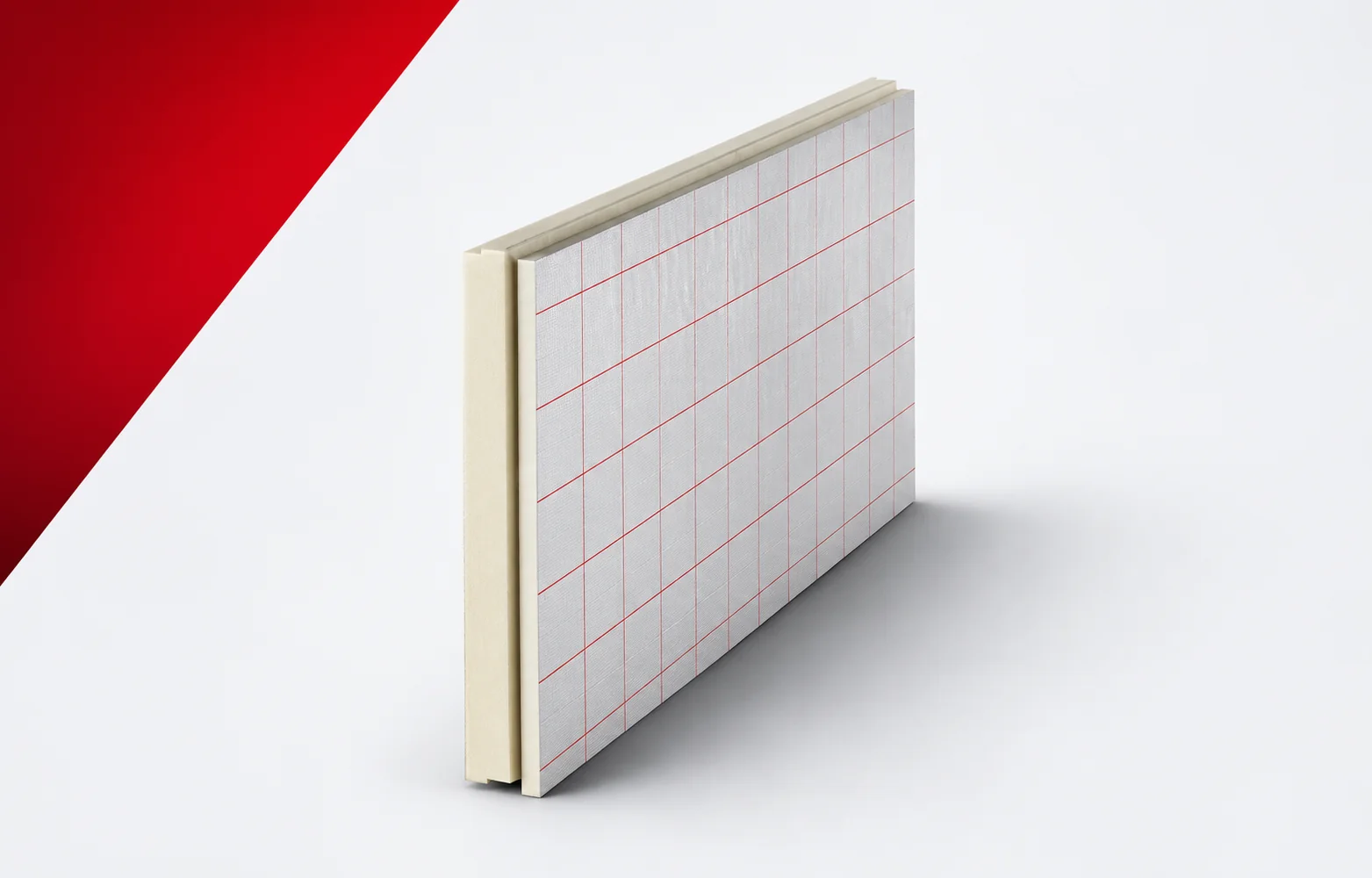
IKO enertherm ALU TG: when to include the tongue-and-groove joint in the cost calculation
With ALU TG, the price is determined not only by the area of the field but also by the planned cutting layout. The factory tongue and groove is present on full boards, while a cut edge no longer has it, so joints at the edges must be allowed for separately. It is worth attaching to the enquiry a row plan marking the cut edges, the width of the last strip and the positions of the joint ends. This allows the supplier to price the insulation joined with the factory tongue and groove together with the actual scope of cut pieces, and not just the straightforward field.
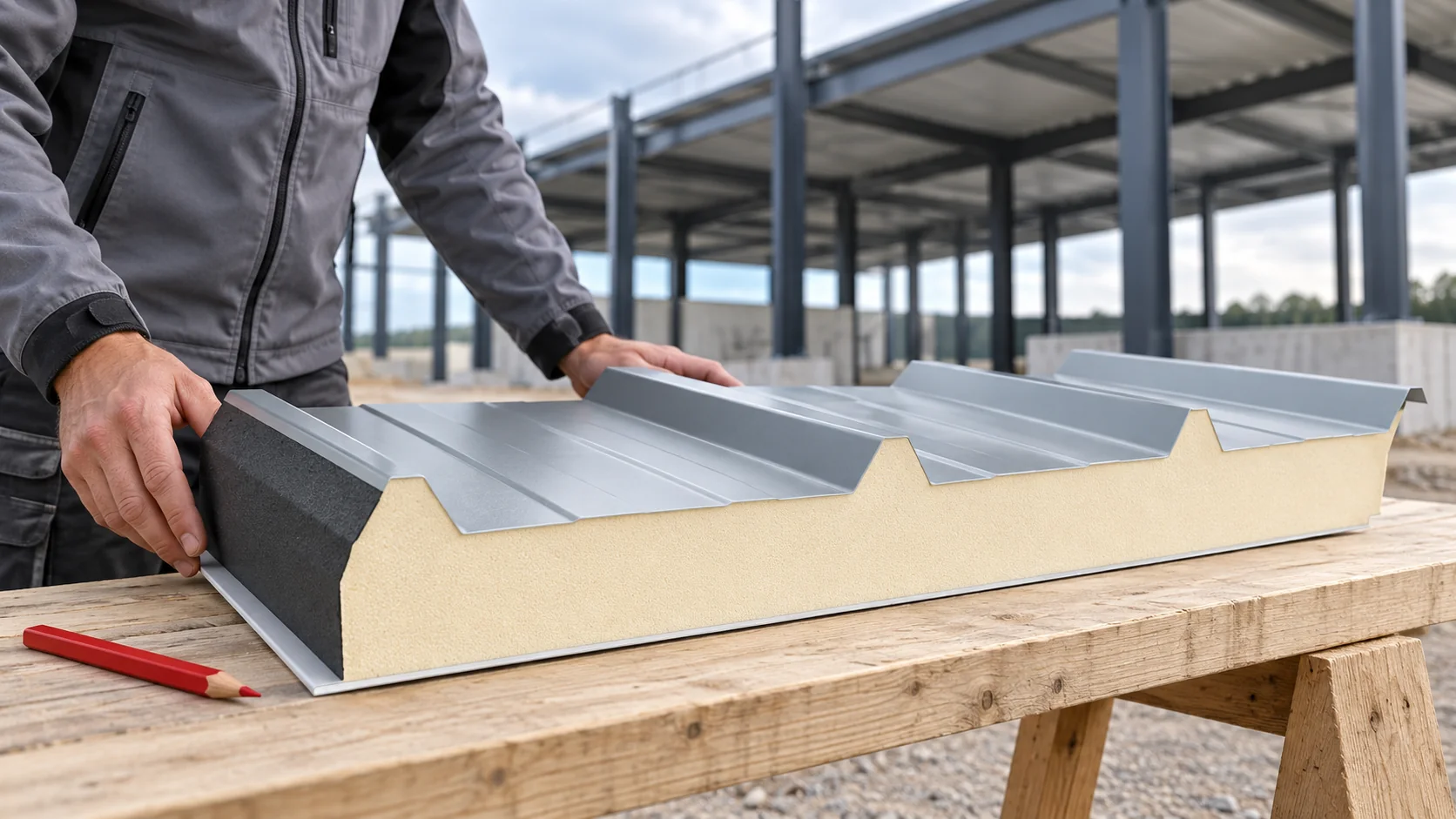
Choosing the thickness of roof panels and detailing the junctions
Roof panel thickness affects insulation performance, the dimensions of details and how the panel behaves between supports. It should not be determined separately from the structure. In new construction, the best moment to choose is before the wall heights are closed and service penetrations are planned. Then complete, feasible roof variants can be compared. Start with the temperature maintained in the building, the heating method and the nature of use. A cold canopy, a warehouse and a workshop with a controlled microclimate have different needs. Humid processes additionally require assessment of surface temperatures and joint tightness. The roof area alone does not determine the correct thickness.
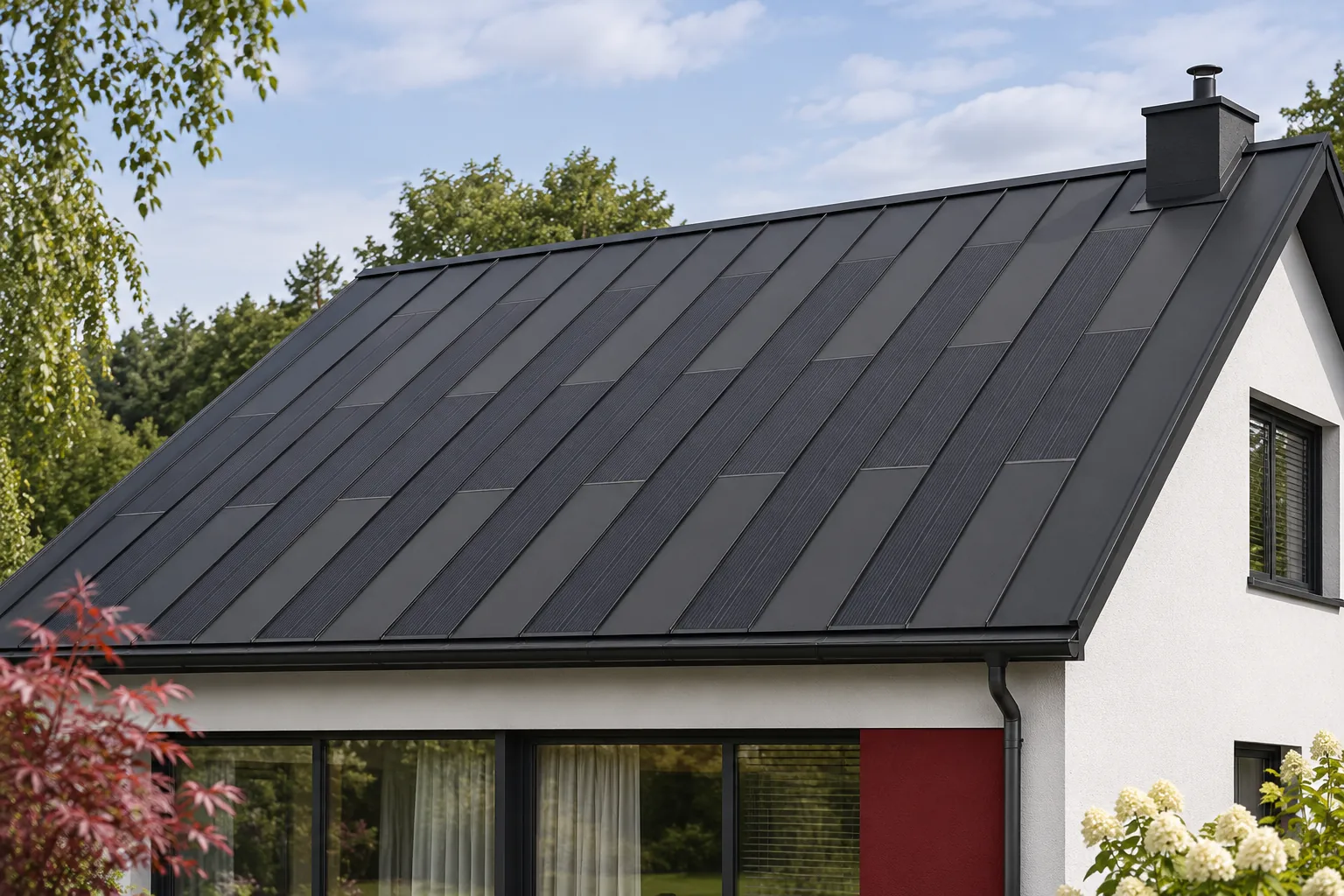
Why parts availability matters when choosing a photovoltaic roof
A roof is chosen with long-term use in mind, and some devices and components may need to be replaced over time. That is why, before buying, you should ask about how parts are identified, the service procedure and possible replacements. In an integrated system, compatibility concerns both the electrics and the roof covering. Merely ensuring that a product is popular does not explain how a specific section of the roof will be repaired in a few years' time. The active element must fit the geometry and joints of the adjacent covering. At the same time, it should work with the existing electrical system. Similar dimensions and colour are not enough. A change in voltage, profile or method of fixing may require different measures than a simple replacement of one unit.
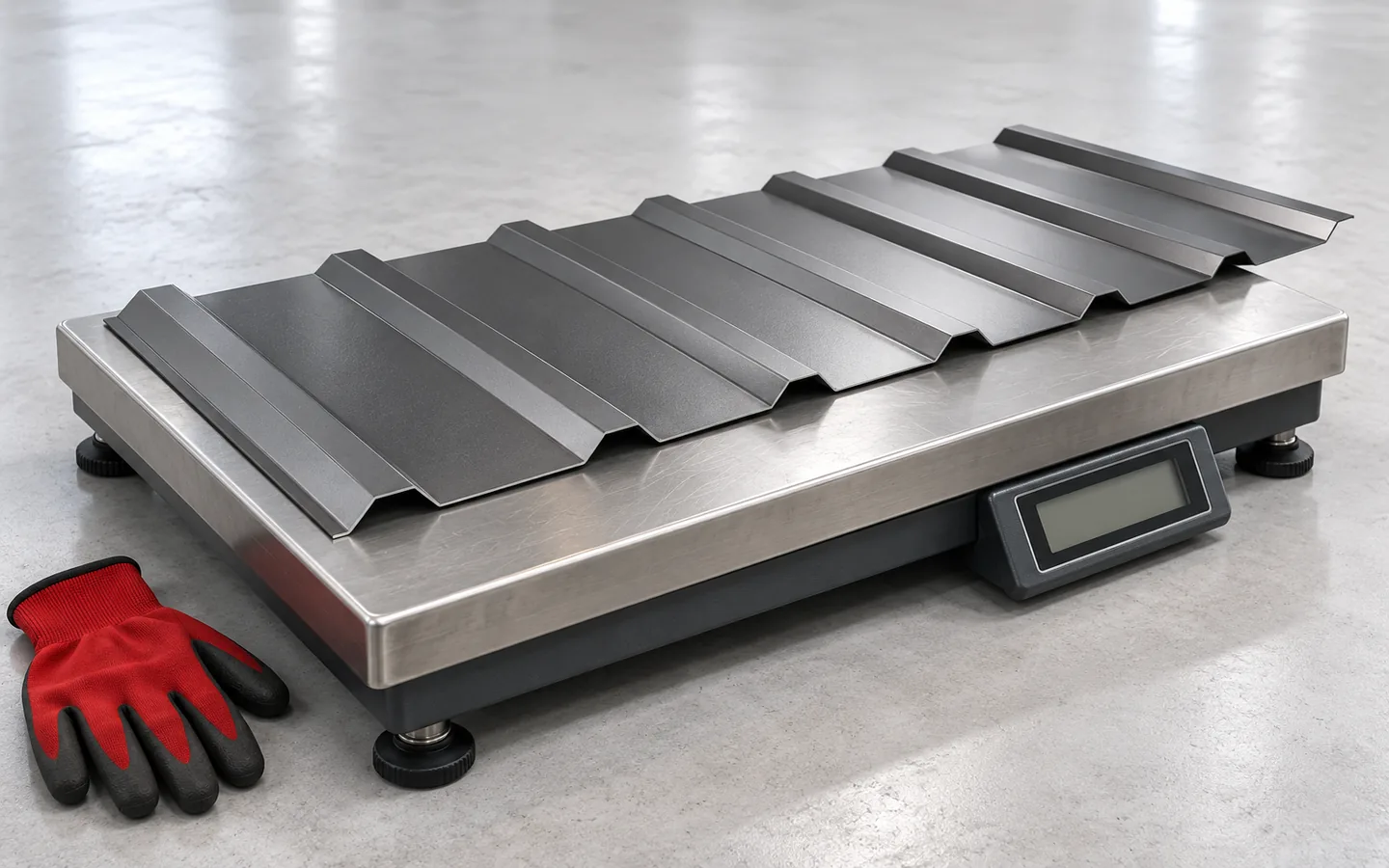
What determines the weight of T18 and T35 trapezoidal sheets?
The weight of T18 and T35 trapezoidal sheets depends primarily on the steel thickness and on which surface area the stated mass refers to. There is no single fixed value for these profiles, because the same shape can be available in different material variants. When planning transport and performing structural calculations, check whether the data relate to the total area, the coverage area or a single sheet. It is also worth establishing whether protective coatings are included. Only the technical data sheet for the specific product provides a reliable mass.