
Knowledge base
Izoprofil.com helps you compare materials for a specific building project. The guides cover the uses of sandwich panels, PIR insulation boards, metal roof tiles and trapezoidal sheets. The criteria depend on the application, including the supporting structure, thermal performance and requirements for the finished surface. Read the product specifications, identify which dimensions affect the order and compare complete solutions. The articles help you discuss the options with a designer or installer and check the suitability of the selected materials before purchase.
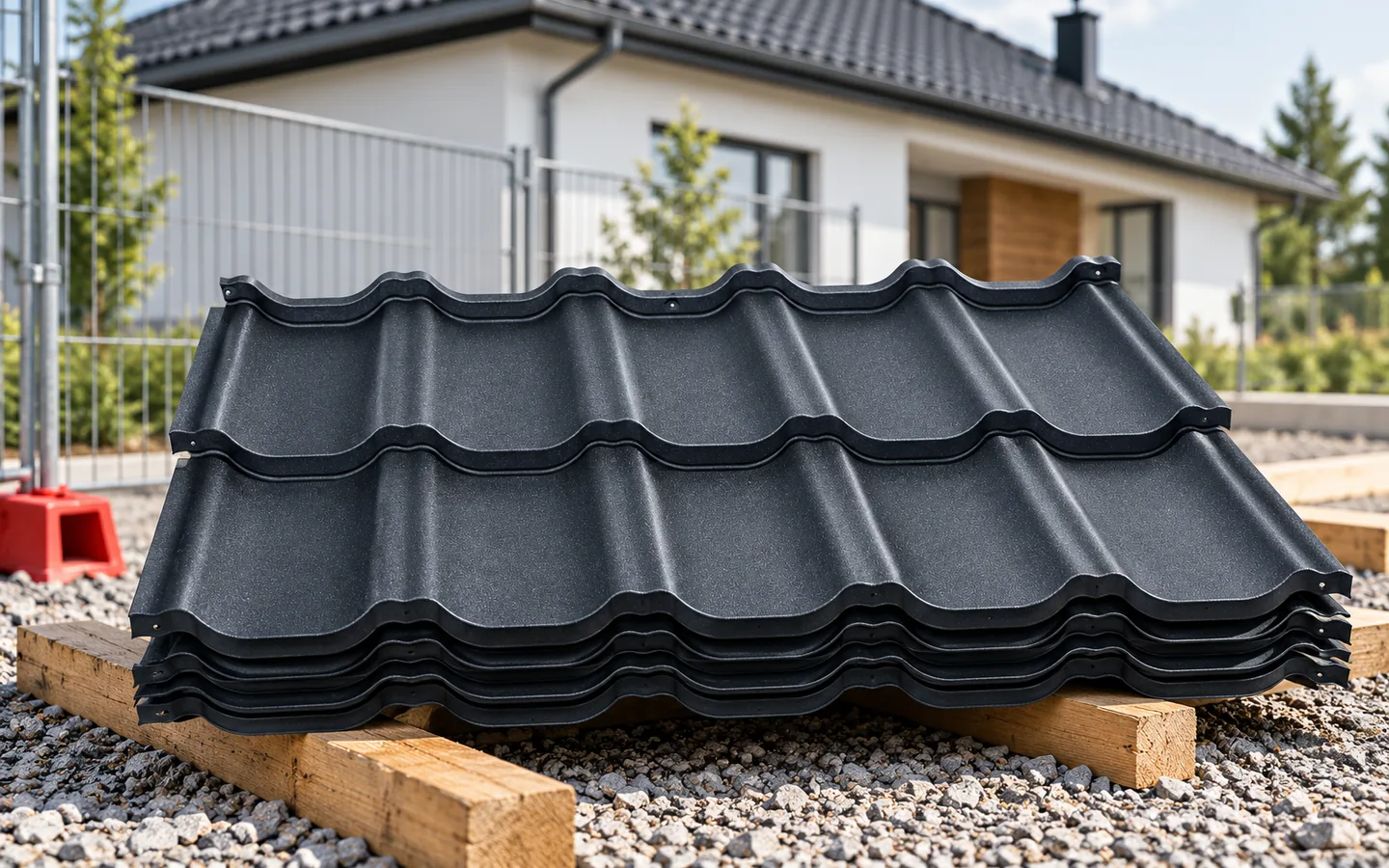
How to prepare for a safe roof replacement
Before ordering new covering, assess the old roof and its trusses. Establish where leaks originate, and check the timber and connections. Bear in mind that some defects may stay hidden until removal, so allow for extending the works. Lightweight metal sheeting makes renovation easier but will not repair a damaged structure. Before work, provide safe access, fall protection and protection of the building from rain. Plan deliveries, waste space and inspection of details.
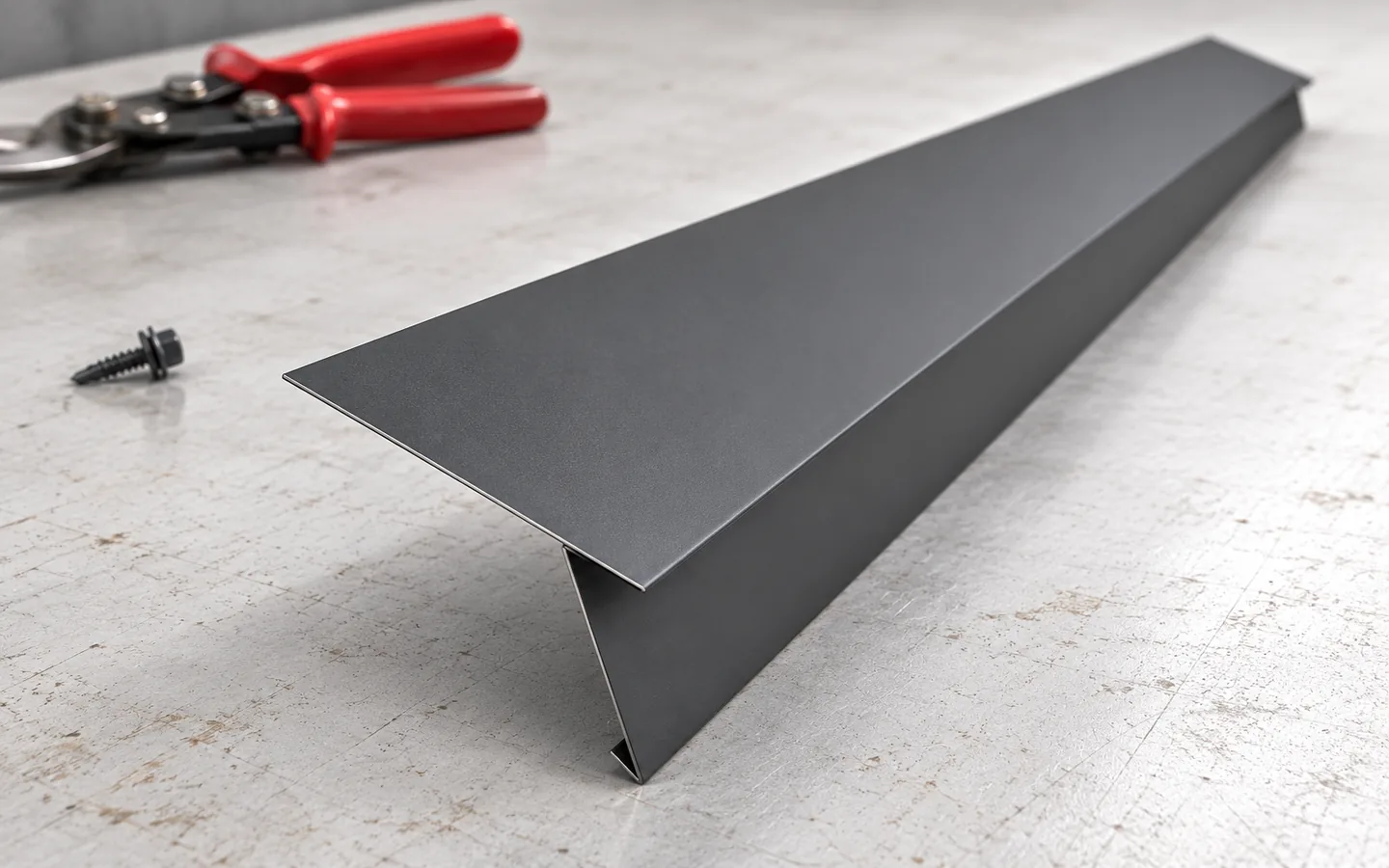
Roof flashings: what they do and where they are needed
Roof flashings safeguard the edges and junctions of the covering, channelling water away so it cannot get beneath the roof. They include eaves strips, bargeboards, valleys and components around the chimney, matched to the slope and sheet metal. Though sometimes decorative, their shape, laps and fixing determine tightness. The sheet alone is insufficient at terminations, openings and bends – flashing sets a controlled drainage path, even in wind-driven rain.
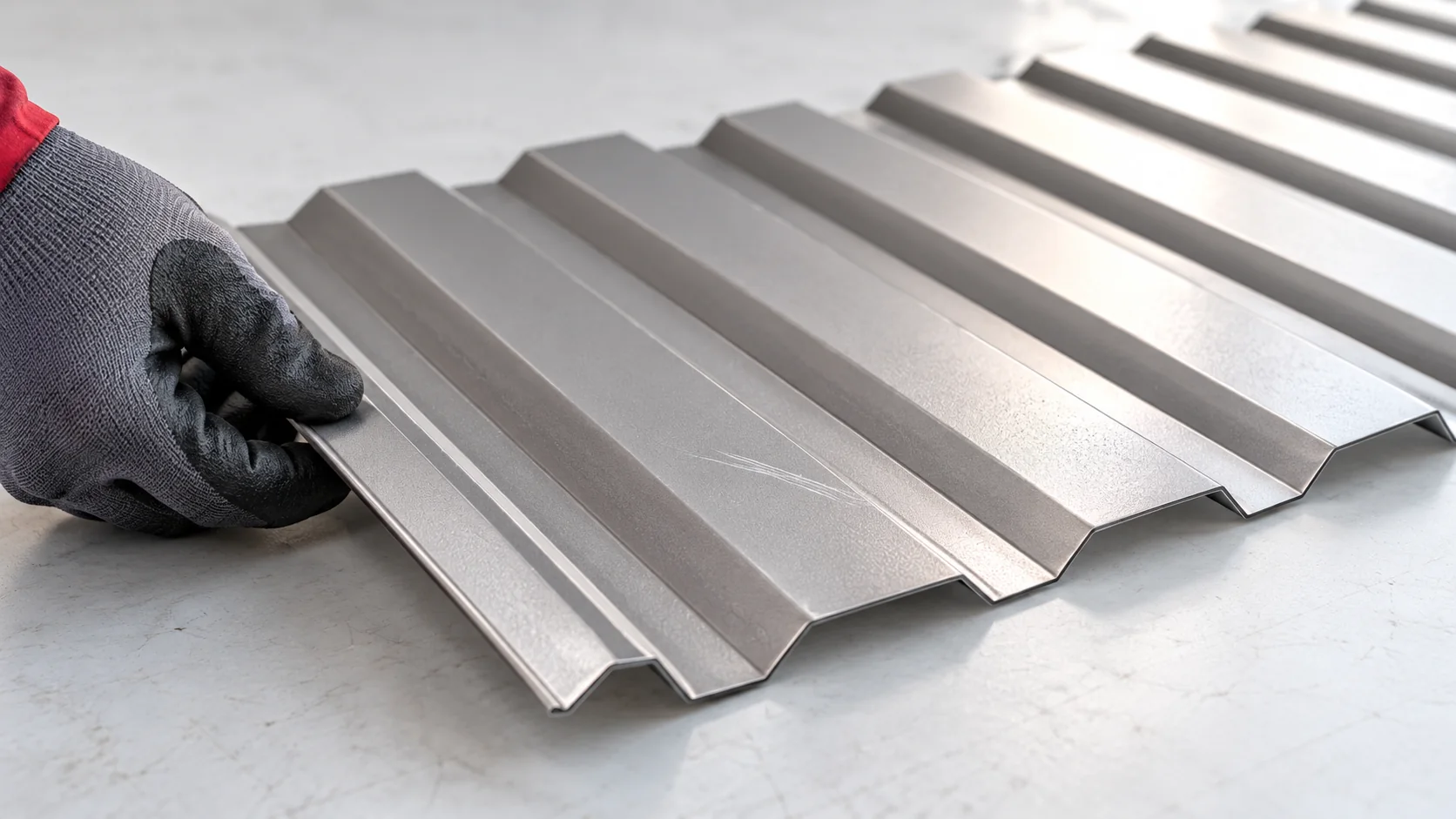
How to assess second-grade steel sheet for its intended use
The designation “second grade” does not in itself say what is wrong with the sheet metal. It may concern appearance, format or another characteristic of a specific batch. Before buying, you need to know the reason for the classification and inspect the material. Only then can you assess whether it is suitable for a roof, façade or cladding. A lower price does not replace the information needed for such a decision. Ask for a description of the actual difference compared with full-value material. An assurance that the defect is minor is not enough. What matters is where it occurs and what it concerns. A difference in shade has a different consequence from a damaged edge, a distorted trapezoidal profile or a break in the continuity of the surface protection. It must not be assumed that every discounted sheet has only an aesthetic defect.
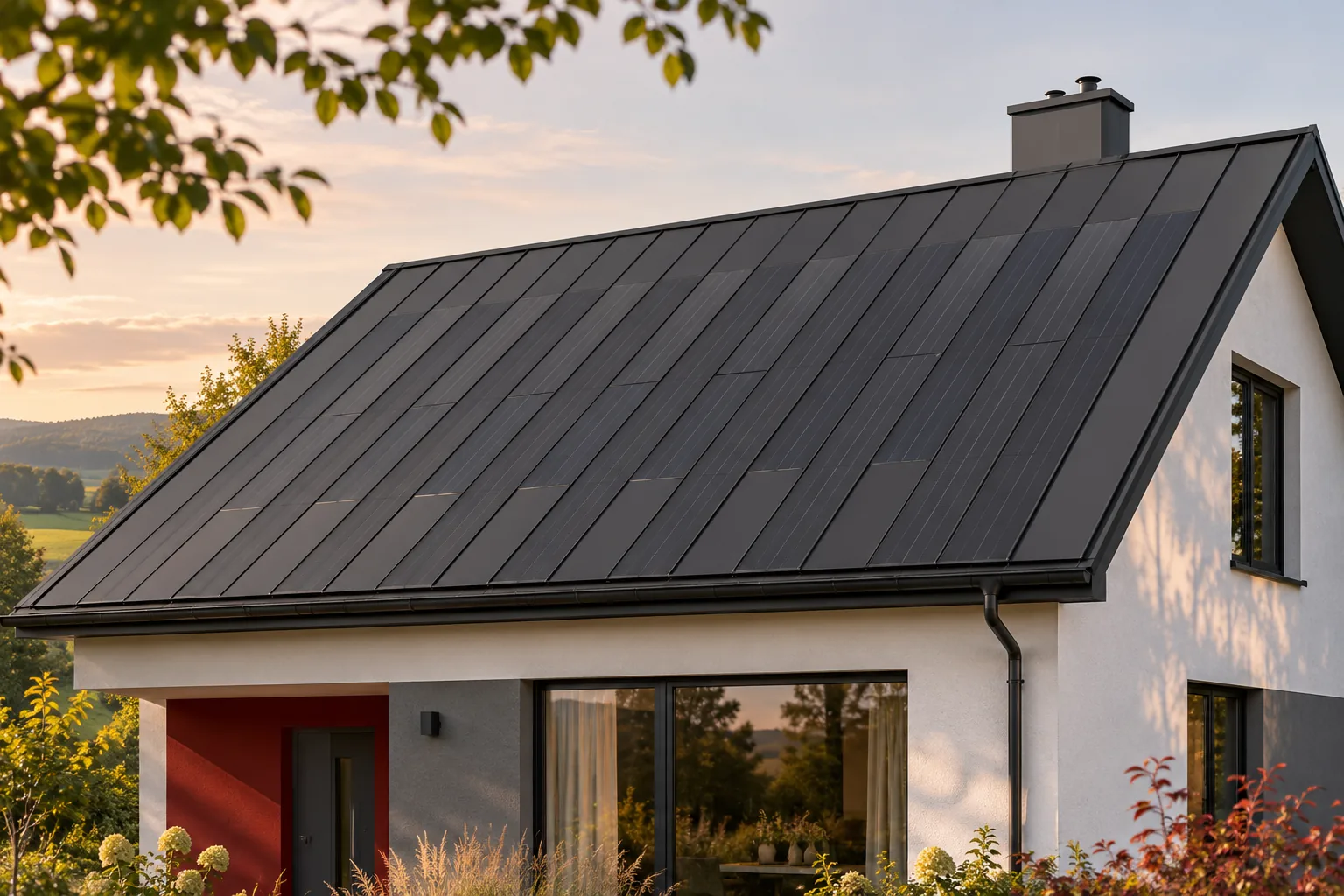
How should you plan a budget contingency when buying a photovoltaic roof?
A budget contingency should not be an arbitrary percentage added to the quote. It is best to tie it to specific unknowns: the condition of the structure, the scope of preparation, access and installation requirements. For a new house, some of the risk can be clarified in the design. For a renovation, some information will only come to light once the layers are exposed. A good cost estimate shows what is fixed and what requires a further decision. The roof geometry, the number of active fields and the scope of equipment should be specified as precisely as possible. A site inspection also makes it possible to establish access, storage and the necessary access for the works. The more specifics there are, the fewer items based on a general assumption. However, an initial estimate based on a few photos should not be presented as the final price for a complete installation.
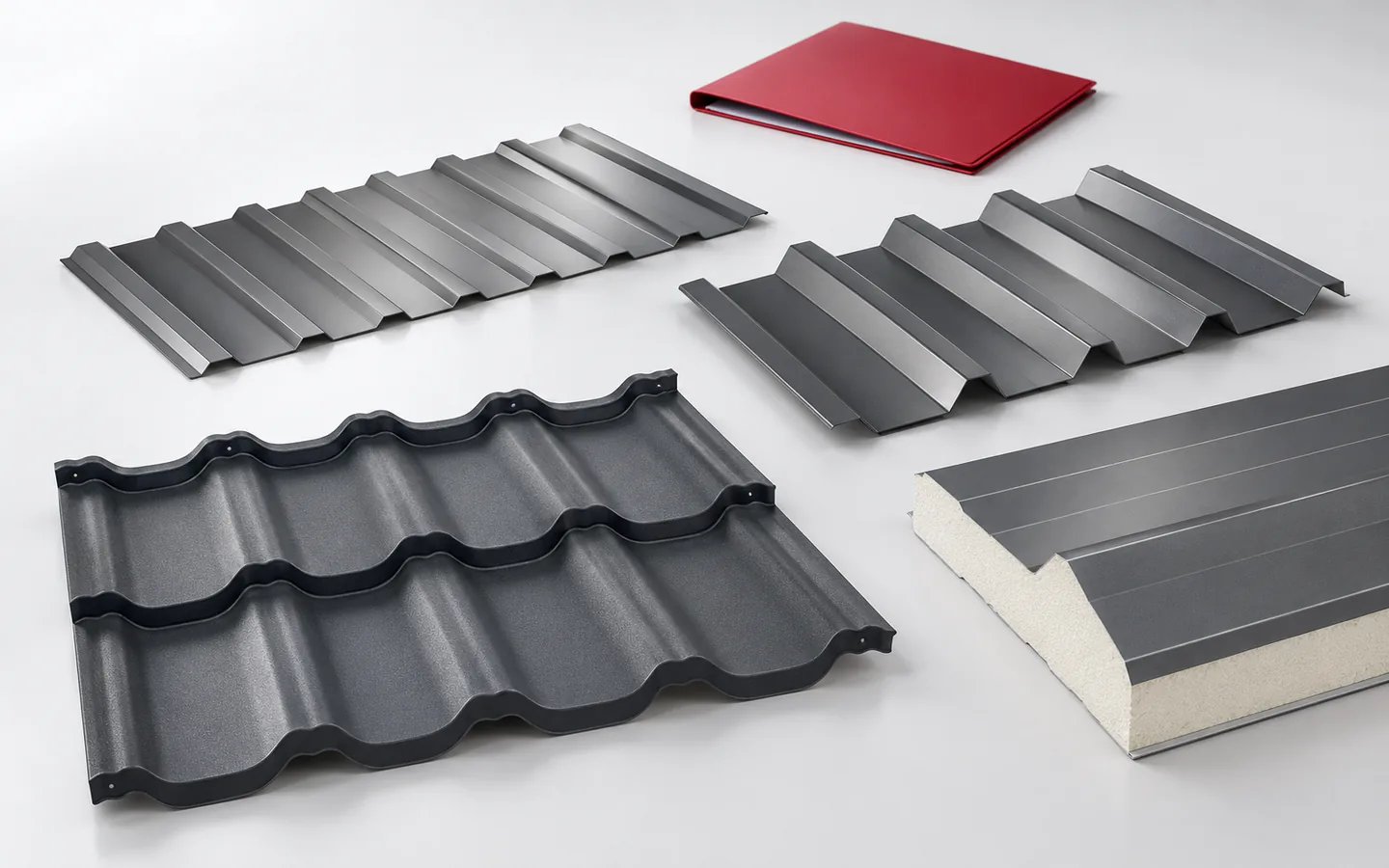
Roof covering options and the differences that matter
First establish whether a given covering suits the roof at all, and only then compare its appearance and the cost of the whole solution. Check the pitch and the method of water drainage, because a material intended for a steep roof cannot always be used on a nearly flat slope. The minimum fall follows from the product documentation and may depend on longitudinal joints, skylights and other details. Also examine the loads, the type of support and the fire, thermal and acoustic requirements. Once these conditions are clear, the list of sensible coverings quickly narrows.
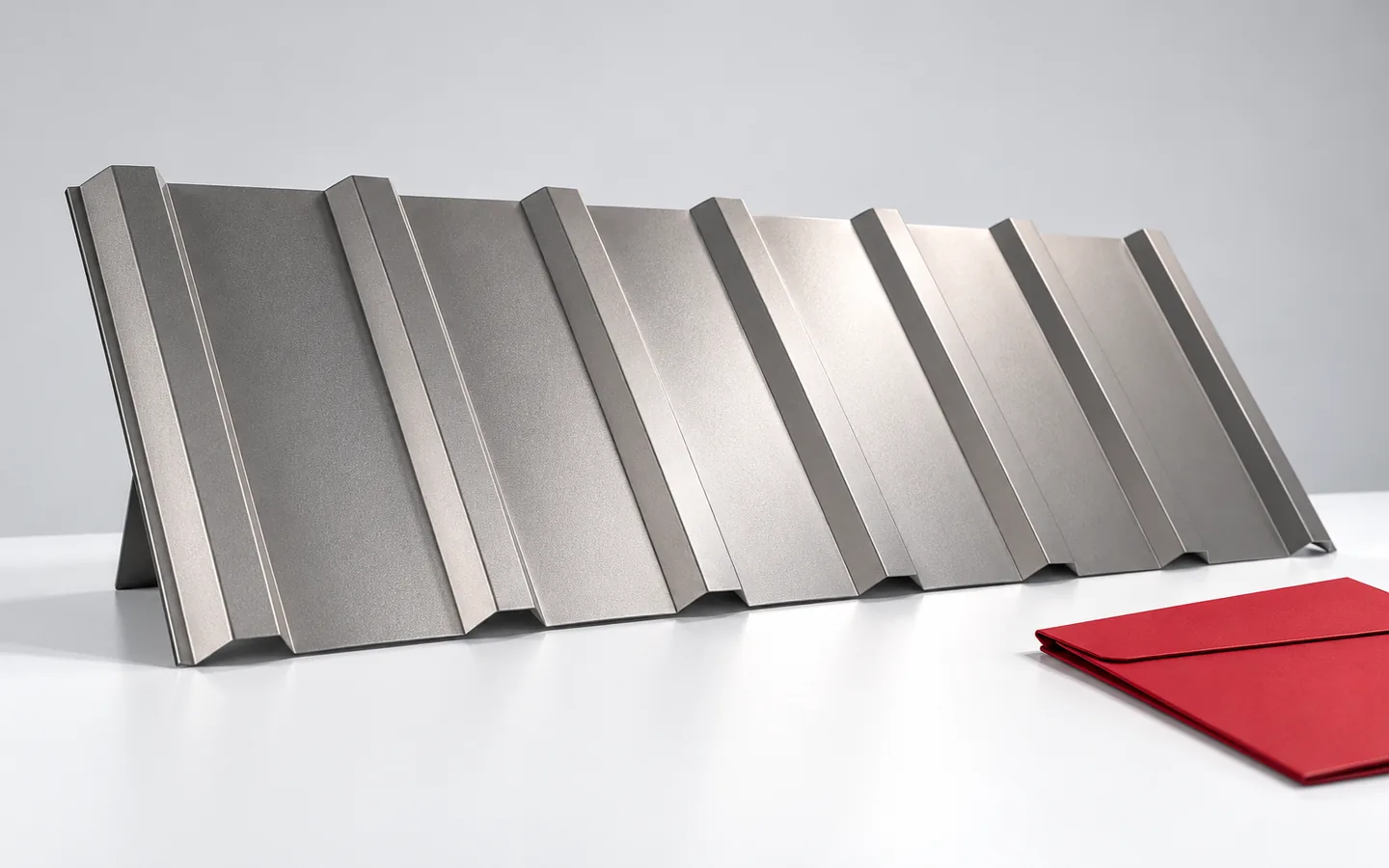
T18 trapezoidal steel sheet as a soffit: what to check at the eaves
T18 trapezoidal sheet may work under the eaves, but it is not an automatic replacement for a complete soffit system. Before choosing it, check the geometry, thickness and manufacturer's guidance for the specific product, as well as compatibility with trims and strips. Planning the support frame, edges and ventilation is also essential, since a full sheet does not function as a ventilation panel. The decision depends on the eaves width and layer arrangement, not just the profile name.