
Knowledge base
Izoprofil.com helps you compare materials for a specific building project. The guides cover the uses of sandwich panels, PIR insulation boards, metal roof tiles and trapezoidal sheets. The criteria depend on the application, including the supporting structure, thermal performance and requirements for the finished surface. Read the product specifications, identify which dimensions affect the order and compare complete solutions. The articles help you discuss the options with a designer or installer and check the suitability of the selected materials before purchase.
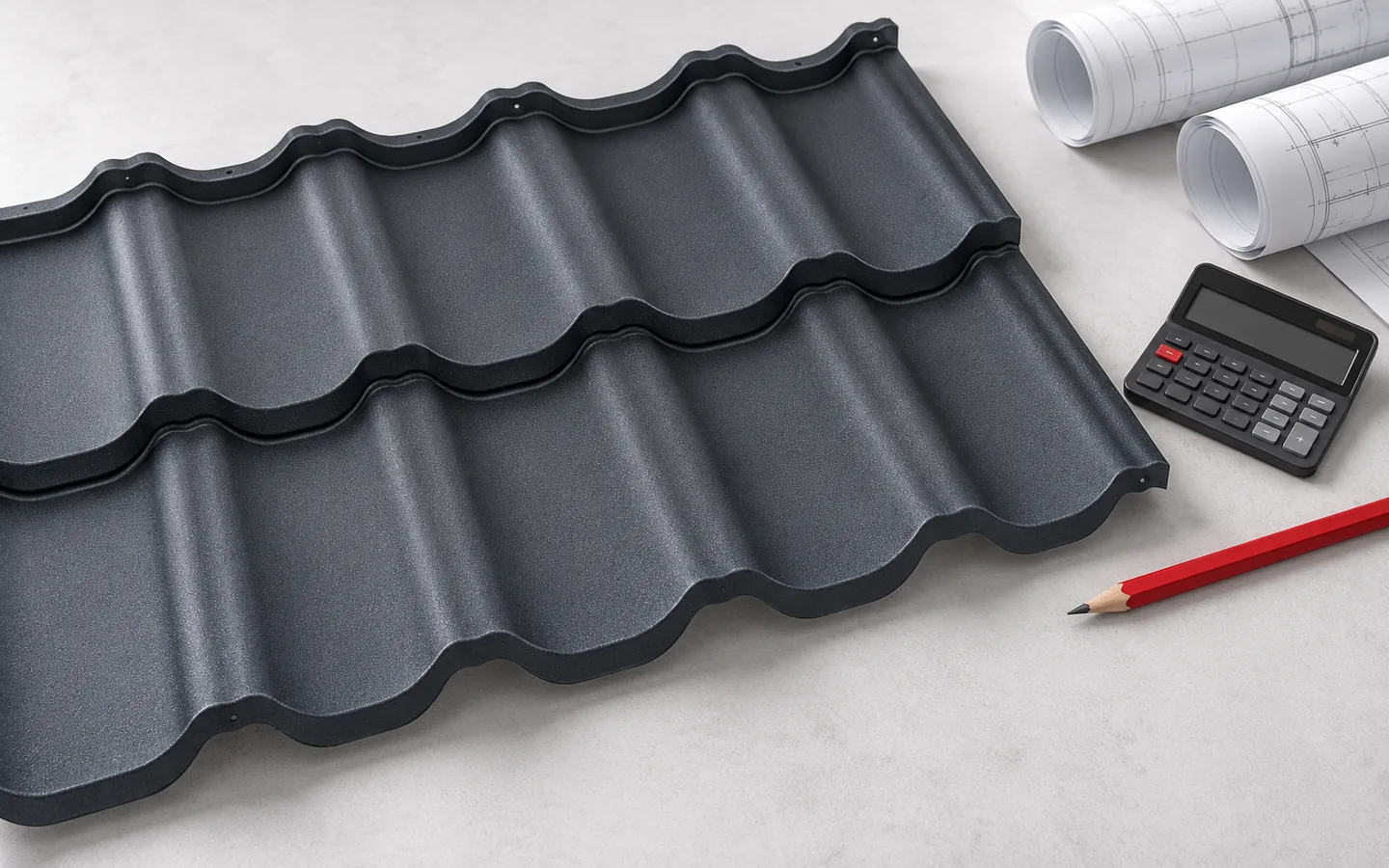
How much do tile-effect roofing sheets cost, and how do you budget for the whole roof?
To estimate the cost of a tile-effect metal roof, start with a cutting plan and work out how much sheet metal to order. Two quotations for the same roofing can look different if one supplier includes the overlaps in the sheet area and another charges for the area actually covered. For modular sheets, work out the number of whole panels as well. Compare coating options on the same price basis and check whether VAT is included. Add separate amounts for flashings, fixings, delivery and labour to arrive at the cost of the finished roof.
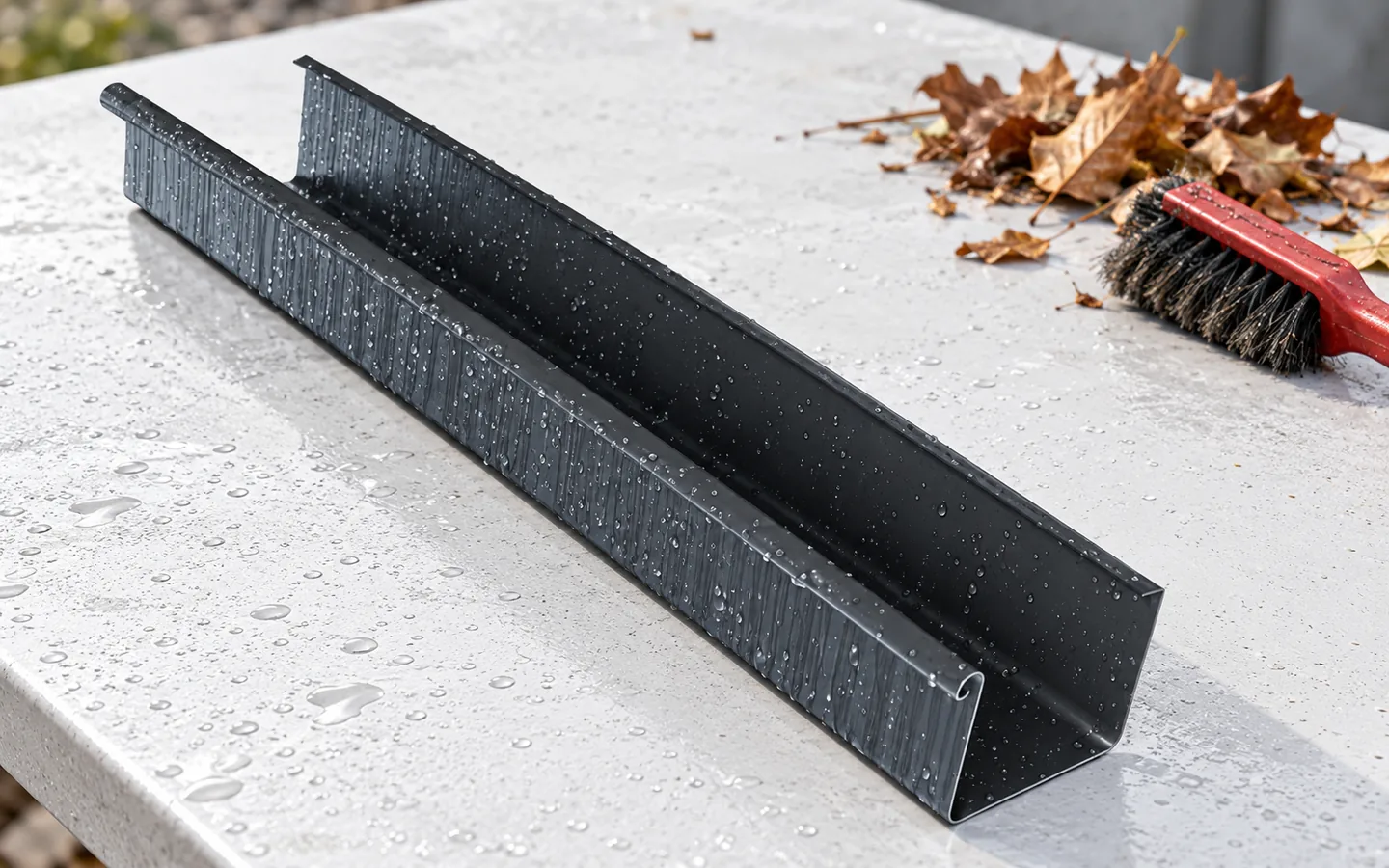
Does vacuuming the gutters restore drainage before winter?
Vacuuming can remove leaves and loose debris from a gutter. Whether rainwater can drain away before winter also depends on the outlets, bends, downpipes and gullies. Check the gutter fall, joints and brackets. Water left standing after cleaning warrants a closer look. A suitable nozzle can pick up dry leaves and small twigs where it can reach them. The shape of the gutter and the material stuck inside affect how well the nozzle works. Use a safe working position and protect the surface coating during cleaning.
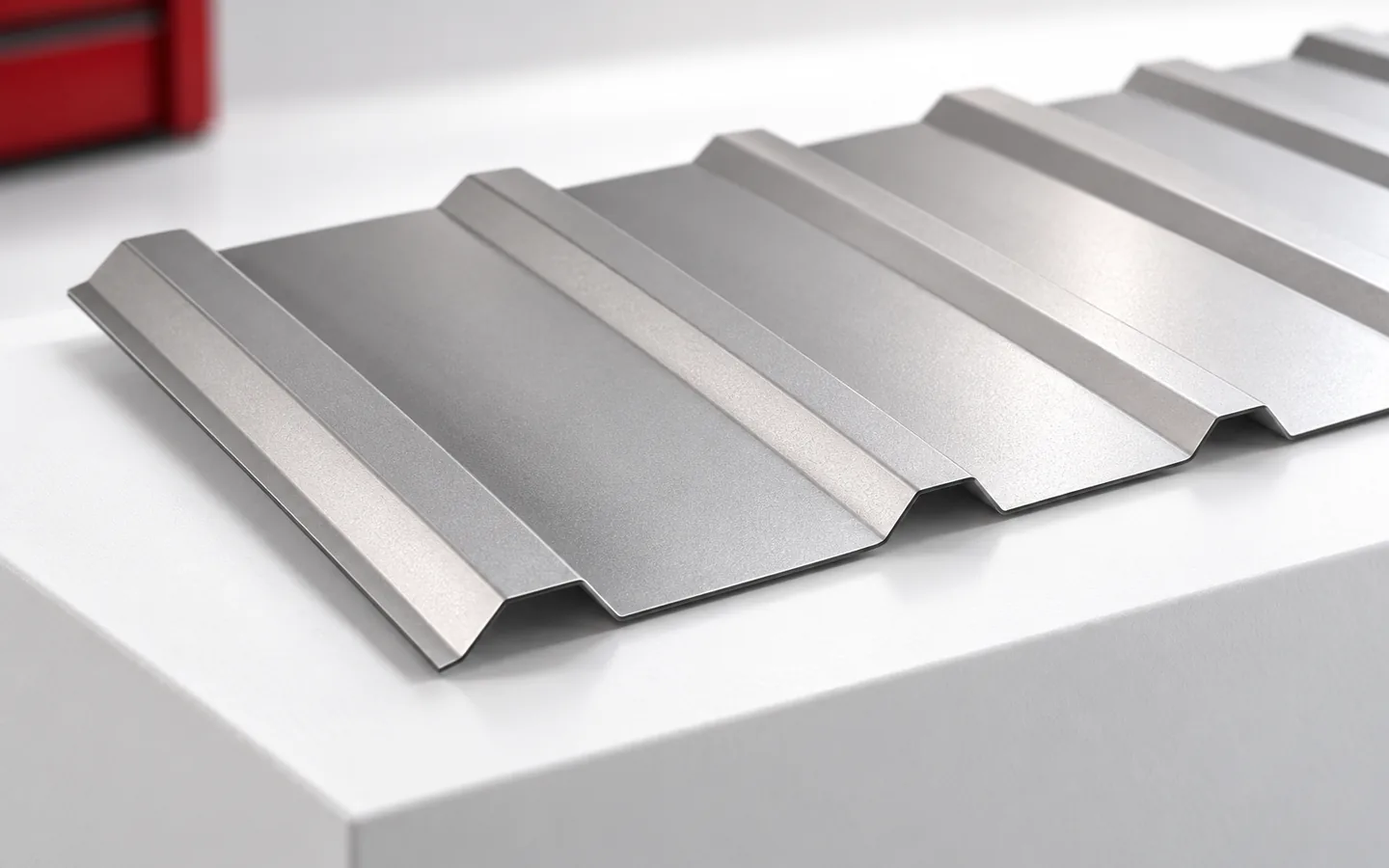
How zinc-magnesium coatings protect steel roofing sheets
When choosing roof sheeting, the key is to establish whether the zinc-magnesium coating is part of a complete, well-matched system rather than the sole argument. It is worth checking where this layer sits within the sheet, what role magnesium and aluminium play, and whether cut edges can be better protected. The organic finish, workmanship and service conditions must be assessed separately. The technology name alone does not guarantee durability in every environment, so before buying, compare the parameters of the whole variant, not just the marketing slogan.
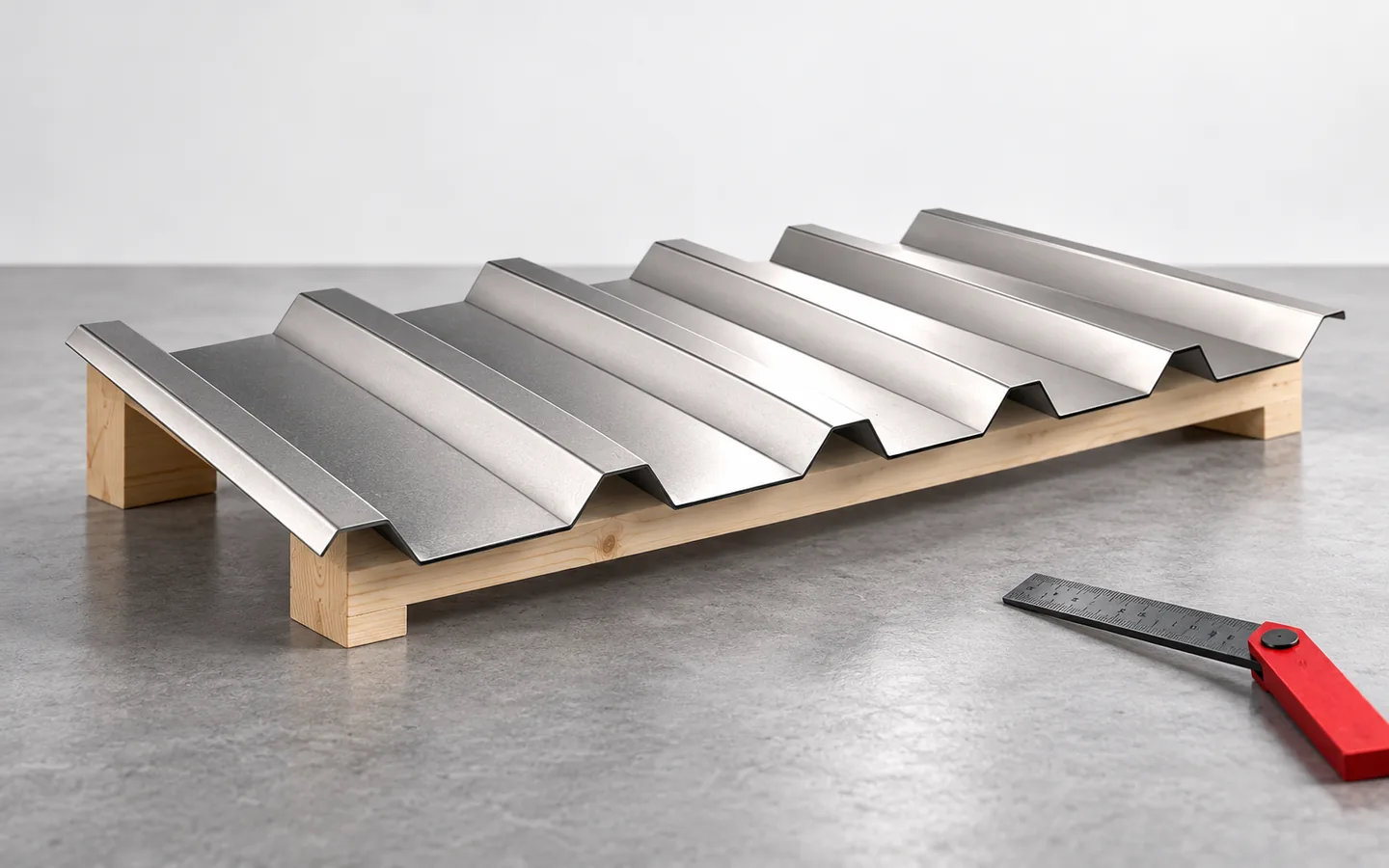
How to read a roof pitch shown in degrees or per cent
Before choosing a covering, establish whether the stated pitch is in degrees or percent — these units are not interchangeable. Check that the value applies to the specific roof slope and accounts for joints and roof penetrations. Percent describes the rise relative to horizontal distance, not the length measured along the slope. For T18 and T35 sheets and roof panels, instructions may use different units, so before requesting a quote, state the angle or pitch with its unit, the slope length and the planned details.
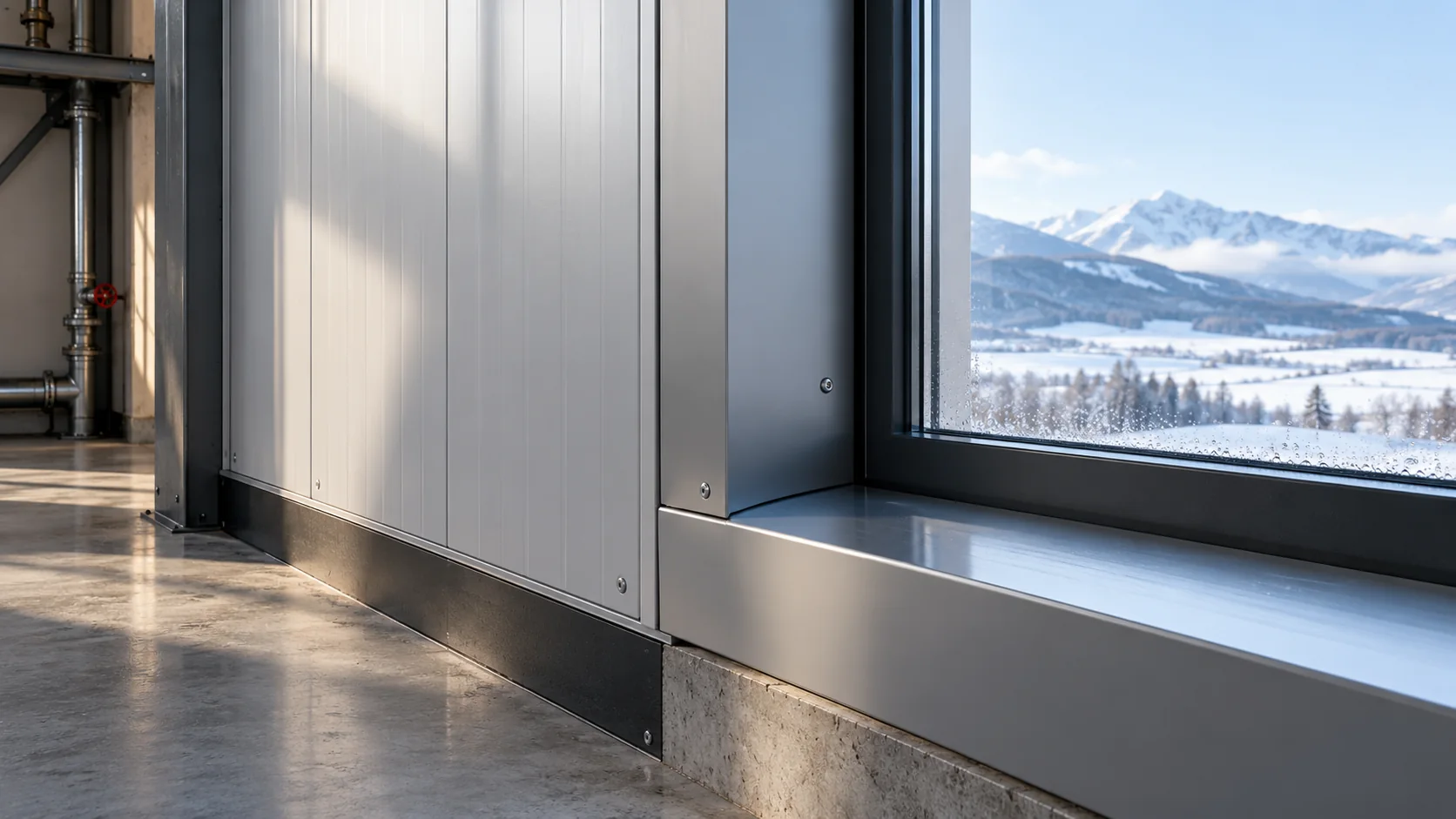
When does condensation form on insulated wall panels with a mineral wool core and how can it be predicted?
Water on the internal lining does not necessarily mean a roof leak. Vapour can condense on a surface colder than the dew point, especially at the plinth, fastener or reveal. In a new building, both usage and moisture from construction work must be taken into account. Panel thickness alone does not describe the whole risk. Surface condensation occurs when the surface temperature falls below the dew point of the surrounding air. In a simplified example, for air at 20°C and 60% relative humidity, the dew point is approximately 12°C. This is the result of a psychrometric calculation, not a fixed temperature for every hall.
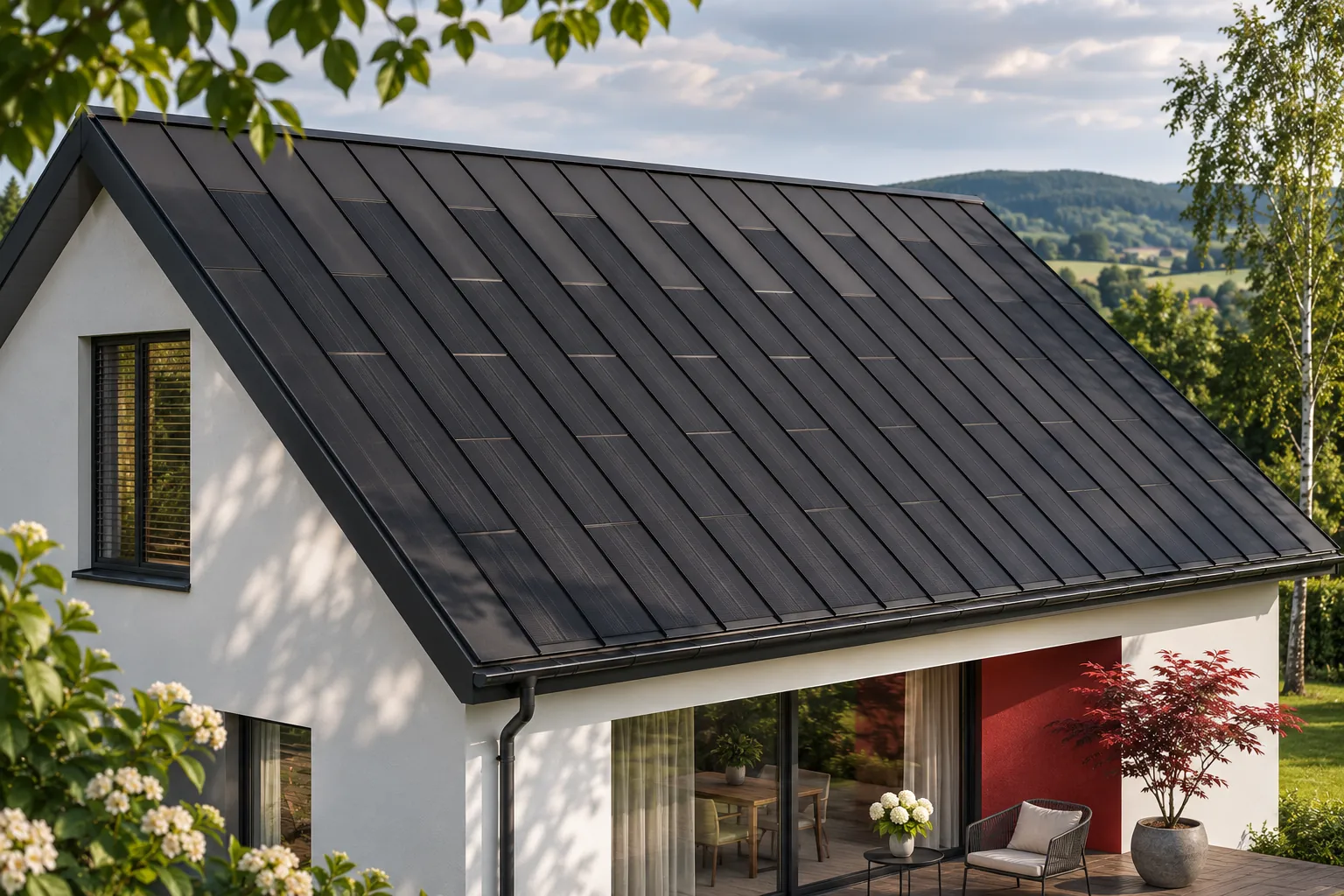
What should you include in a request for quotation for an integrated photovoltaic roof?
A good quote starts with a good description of the building and expectations. If each contractor receives different information, you will get figures that cannot be fairly compared. The request should specify the roof geometry, the condition of the structure, the energy requirements and the scope of work. It is also worth asking for a description of the servicing and documentation. This ensures the discussion concerns a complete system, not just the price of the active component. Provide the location, roof drawings, cross-sections and basic dimensions. Mark windows, chimneys, roof hatches and other obstructions. If it is a renovation, add photos and information about the existing covering and any known problems. The contractor should know whether they are quoting for a new structure, a material replacement or a more complex refurbishment.