Maintenance and durability
Does vacuuming the gutters restore drainage before winter?
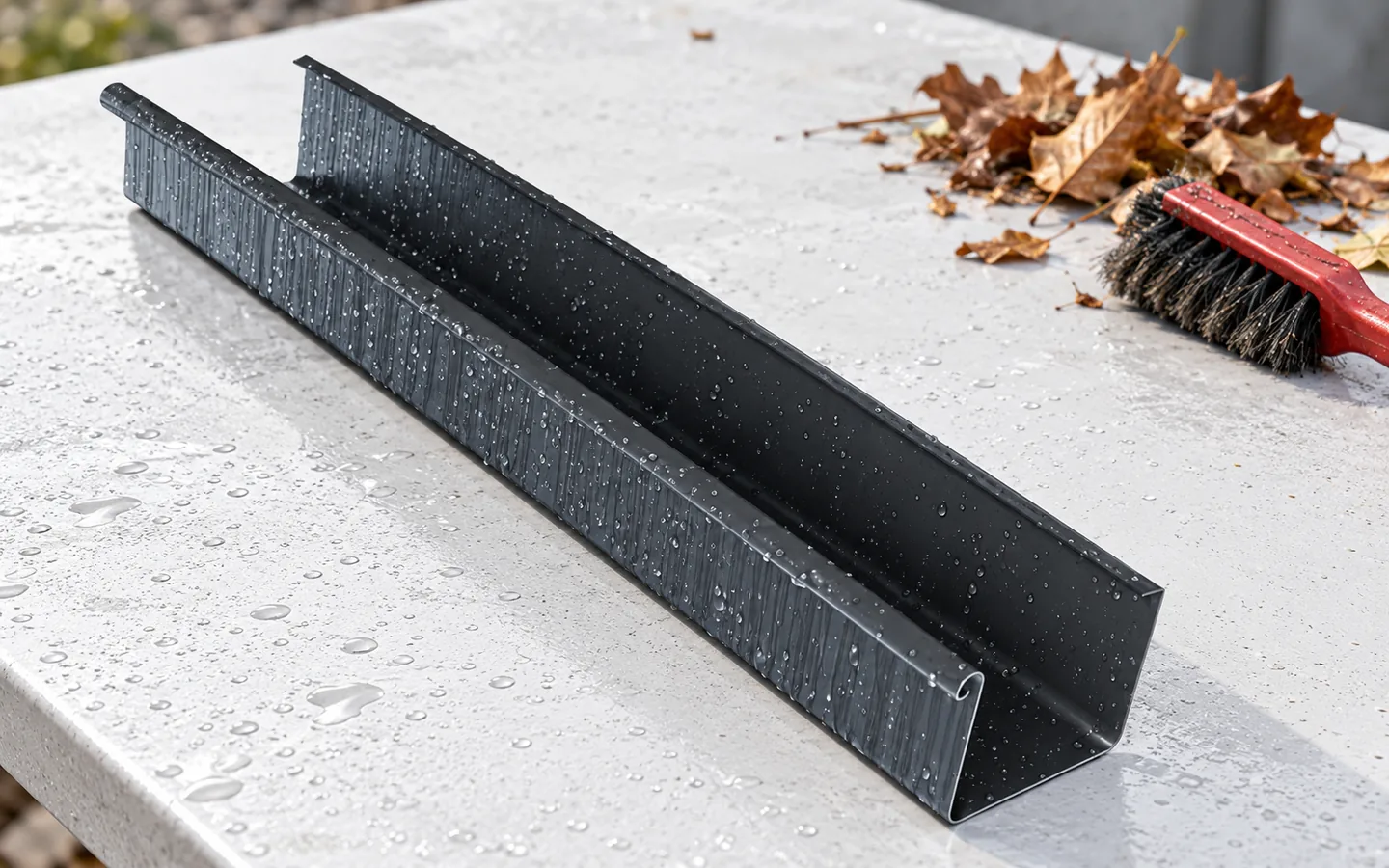
Vacuuming can remove leaves and loose debris from a gutter. Whether rainwater can drain away before winter also depends on the outlets, bends, downpipes and gullies. Check the gutter fall, joints and brackets. Water left standing after cleaning warrants a closer look. A suitable nozzle can pick up dry leaves and small twigs where it can reach them. The shape of the gutter and the material stuck inside affect how well the nozzle works. Use a safe working position and protect the surface coating during cleaning.
What does a gutter vacuum remove?
A device with the right nozzle can collect dry leaves, small twigs and loose debris. Working from ground level can be convenient, particularly when there is no safe access to the eaves. However, effectiveness depends on reach, gutter shape and the type of soiling. Wet, compacted material at the outlet may require additional removal by another method.
After the procedure, the result needs to be checked, for example by suitable visual inspection or examination carried out by the team. A vacuum cleaner will not assess the tightness of seals or the condition of brackets. Nor will it repair a gutter with an incorrect fall. Cleaning is therefore part of the inspection. The absence of leaves visible from the ground does not mean the system is ready for heavy rainfall and frost.
Why do you need to check the outlet and downpipe?
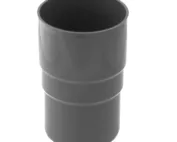
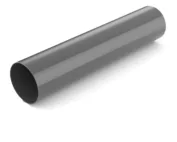
The narrow transition between the gutter and the downpipe often traps contaminants. A blockage can also form in the bend or lower down, beyond the reach of the vacuum nozzle. Then the clean gutter still overflows during rain. It is worth inspecting the area around the outlet and checking whether water drains without backing up. Debris should not be pushed blindly deeper into the pipe.
If the pipe is connected to an underground system, the inspection includes the accessible rainwater gully and the discharge point. A filled basket must be emptied and the components properly closed again. Water must not return to the façade or flood the base of the building. The rules for discharge into a tank or system should comply with the design. Cleaning only the section at the roof does not resolve a blockage further down.
How do you check the gutter fall and connections?
After removing the debris, a controlled flow test can be carried out if conditions allow it to be done safely. Water must be observed at the connections and the outlet, not only where it is introduced. Slight dampening of the bottom is different from permanent pooling. A larger amount of standing water requires checking the geometry and flow capacity.
The cause may be bent brackets, a displaced component or an incorrect fall. In systems with seals, the ability to move under the influence of temperature is important. It must not be blocked by accidentally gluing the entire joint. The repair method depends on the material and construction of the system. Replacing a worn component is sometimes more appropriate than covering it with another layer of sealant.

How do you clean without damaging the coating and fixings?
Match the tools to the gutter material. A hard, sharp nozzle can scratch the steel coating, and careless prying can damage a plastic component. Do not rest body weight or a ladder against the gutter without a solution intended for such work. The drainage system is not a structure for fall protection. With a high eaves, it is better to order a team with suitable equipment.
Avoid directing a strong jet under the covering and flashings. The water used for cleaning should flow along the intended path. Chemicals must be compatible with the surface and seals. After the work, remove residues from the outlet and the rainwater gully. Moving leaves from the gutter into the pipe is not effective cleaning, even if the upper section already looks tidy.
Do grids and baskets exempt you from inspections?
Guards can limit the entry of larger leaves, but they also collect dirt themselves. Fine material and dust can still reach the system. It is necessary to check whether the guard impedes water drainage and whether it is correctly fixed. The benefit depends on the surroundings, the type of trees and the shape of the roof. No solution eliminates maintenance under all conditions.
A basket at the outlet requires access for cleaning. Once it fills up, it can become a point of back-up. Near tall trees, inspection may be needed after a few intense leaf falls rather than only once a year. The timing is best linked to actual soiling. Photos taken after the inspection help assess how quickly sediment accumulates again.
What should you do if icicles and overflow occur in winter?
Icicles can indicate various phenomena: a blockage, freezing water or snowmelt related to the thermal conditions of the roof. It should not be assumed that a larger gutter will solve every case. An assessment of the drainage is needed and, if the problem recurs, of the insulation and ventilation. Ice must not be broken with a tool in a way that endangers people or damages the drainage.
Restrict access beneath the dangerous spot and commission an assessment by a prepared team. An ice protection system requires a design and does not replace clear drains. The best preparation before winter includes removing sediment, a flow test and repairing fixings and connections. Vacuuming is useful if it is the start of such a check and not its only point.
7 branches. Materials closer to your project.