Installation of sandwich panels
Which panel installation errors can you prevent at the design stage?
Many defects in the building envelope stem from details that were not agreed: a missing purlin, a poorly planned opening or a base element delivered too late. New construction offers the chance to resolve these matters before installation. The check should cover not only the panels but also the structure, services and the sequence of closing details. Ordering lengths before the structure is approved can lead to joints beyond a support or an unsuitable span. The panel type, its facings and the structural scheme must be agreed with the purlin design. The production length is not proof that the entire piece may be spanned without additional support.
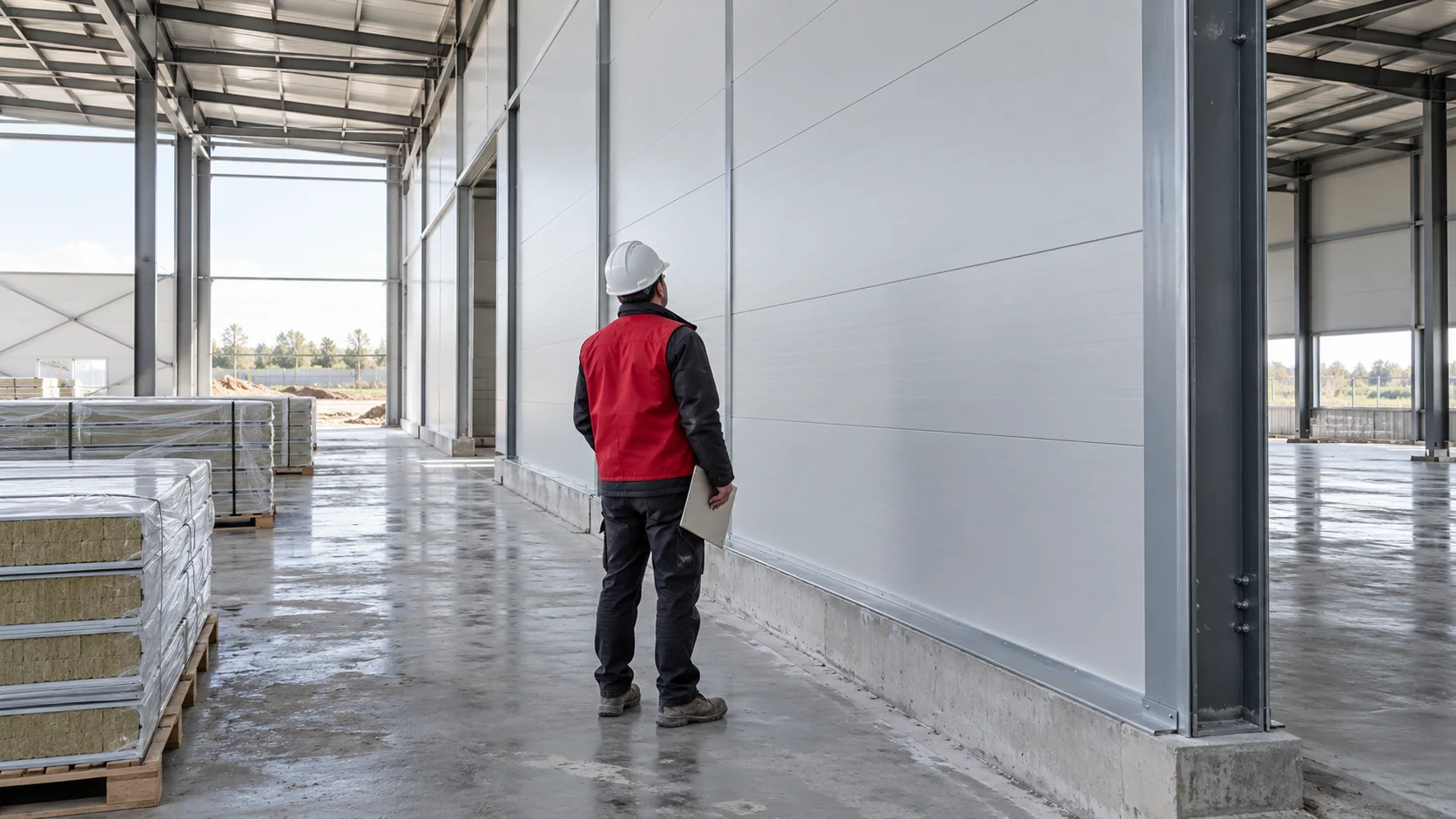
Mistake one: choosing a panel without checking the supports
Before installation, check the plane and axes of the structure. It must not be straightened by over-tightening the panel. Such an attempt can deform the cladding and load the joint, and the appearance of the wall will depend on the stresses introduced during installation.
Mistake two: openings left to be decided on site
The gate, window and large penetration should have a planned position and support. Cutting an opening weakens the element and may change its structural behaviour. Not every section of panel retains the application of the full product after cutting.
Before cutting, agree the dimensions of frames, rails and flashings. It is also worth marking out installation routes so that they do not cross the fastening zones. If a new opening is necessary, it must be assessed before cutting, instead of relying on later reinforcement with any strip.
Mistake three: omitted elements under the joint
Some seals and accessories must be installed before the next panel is laid. Their absence is often invisible once the wall is finished. Therefore the material list and the sequence of work should cover small components as precisely as the main panels.
Do not replace the specified seals with random foam or sealant. The solution may contribute to airtightness, protection against water or fire performance. The appearance after closing the joint does not confirm that all these functions have been maintained.
Mistake four: incorrect fixing and cutting
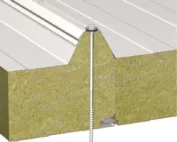
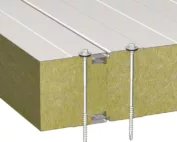
The screw must match the support, the panel thickness and the working location. Over-tightening can deform the sheet and the seal, while under-tightening does not provide a proper connection. The number and arrangement are determined by the design, including wind zones.
Cutting uses tools intended for the panel, without overheating the coatings. Leftover swarf can corrode on the surface. The work station should protect both sheets and support the cut-off fragment. Correct edge finishing is part of the work, not an addition left for any deadline.

Mistake five: base and roof detail without coordination
The wall must drain water in conjunction with the roof, parapets and surfacing. If the plinth flashing is only adapted after the external floor is laid, there may be no room for a proper termination. A similar problem applies to the junction with the gutter and the flashing above the gate.
It is worth checking the details on a common section. They should account for structural movement and the continuity of insulation and seals. A large amount of sealant alone will not improve a geometry that directs water behind the panel. A proper drainage path is needed first.
Define the boundary of responsibility for installations
The new façade is often finished by the cladding crew, and then the ventilation or electrical contractor comes in. If locations and rules for penetrations are not agreed, the finished wall may be compromised after its own acceptance. The plan should therefore specify who makes the opening, the seal and the final inspection.
Where a fire or acoustic requirement applies, an aesthetic rosette is not enough. A solution corresponding to the function of the partition is needed. Space should be left in the documentation for confirmation of completion of work by all trades. Such a common inspection point reduces disputes over whether the defect belonged to the panel, the installation or later interference.
Mistake six: inspection only after completion
Acceptance of the finished appearance will not show all hidden connections. Establish inspection points before covering the plinth, the lock, the reveal and the service penetration. Photos should make it possible to assign the detail to a location on the building and to the solution used.
Also check the removal of the film in accordance with the instructions, the cleanliness of the surface and the sealing of exposed edges. Document deviations from the design and their approved solution. A clear division of responsibility between crews helps avoid a situation where everyone completed their part but the connection between them remained unfinished.
Questions and answers
Will more sealant fix every mistake?
No. It will not replace correct support, flashing geometry or suitable fixing. The cause must first be identified and the correct method of correction determined.
When should a trial wall panel be carried out?
At the start of the works, when the sequence, the contact pressure of the fasteners and the details can still be checked. This allows the standard of execution to be agreed before the solution is repeated across the entire façade.
7 branches. Materials closer to your project.