PIR insulation
What are you actually buying under the name PIR boards? A guide to product characteristics
Two quotes for PIR boards may cover a seemingly similar material but in practice a different scope. Before comparing price, it is worth checking the construction, format and documentation. It also matters how much of the product will actually end up in the building element. Only such a set allows you to assess the purchase cost. A PIR board has a factory-formed core of rigid polyisocyanurate foam. The closed-cell structure helps to limit heat conduction. However, the parameters also depend on the formulation, thickness and facing. You must not attribute the values from one selected catalogue to all boards. The commercial description should state the exact type of finished product. Polyurethane foam alone does not define the facing, edges or intended use.
The PIR core and what the name means
An unmarked batch should not be priced as a full equivalent of the product from the current data sheet. If identification is uncertain, there is no basis for assigning parameters. This issue should be resolved before transport. Once the material has been unpacked, the cost of a mistake also includes organising the construction site.
The facing changes how the product is used
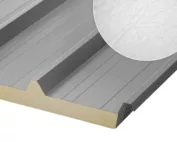
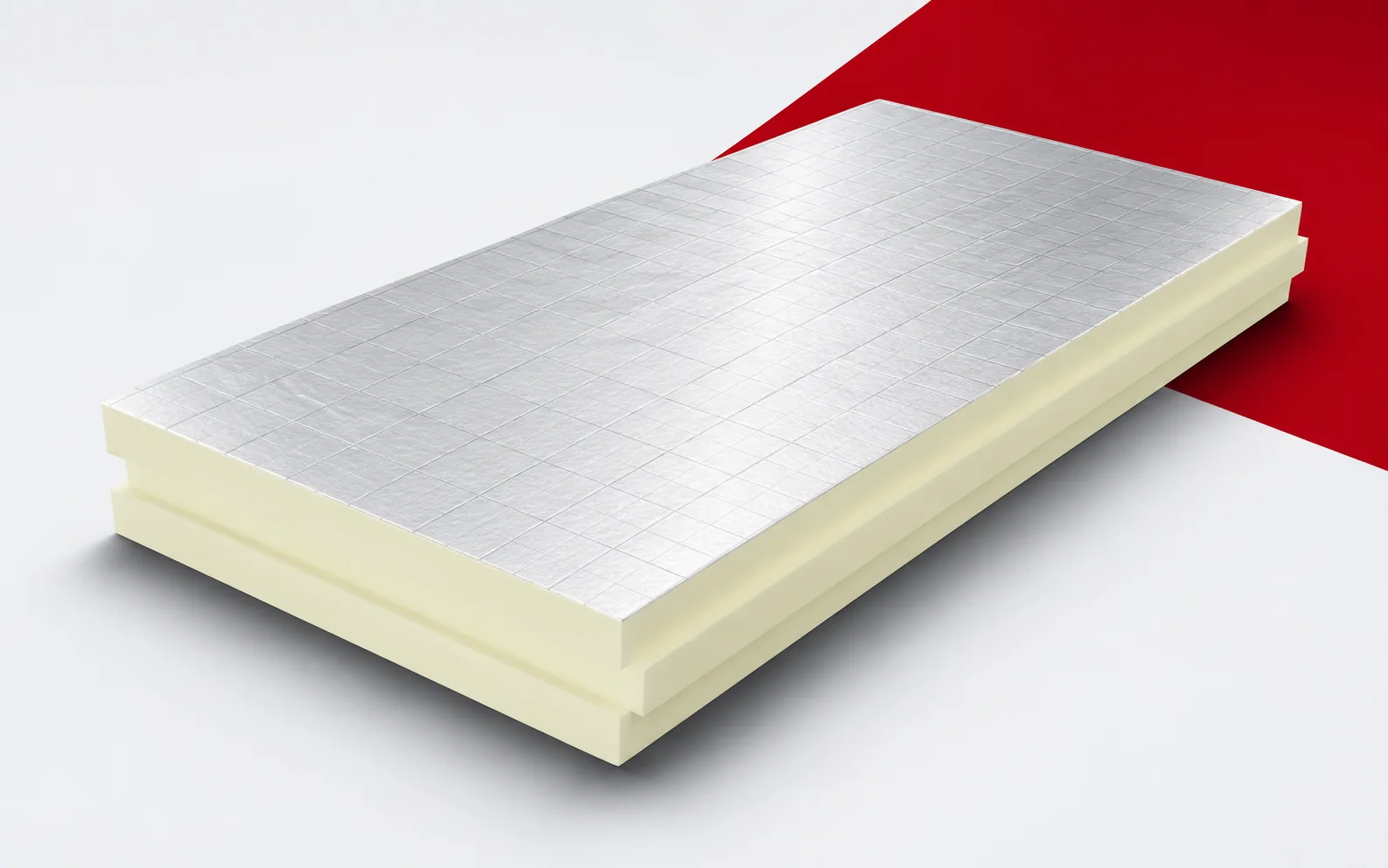
In the specification, state what the core has been finished with and which system the manufacturer intends the given variant for. The facings affect interaction with adjacent layers and the way joints are made. A composite product with additional finishing should be described as a whole, while keeping clear information about the insulating part.
Compare both surfaces of the board, not just the front image in the offer. Composite or asymmetric products may have additional layers that are relevant to price and application. Also establish whether the stated thickness refers to the core or the entire element. With a seemingly cheaper option, it may turn out that the amount of insulation is different. This distinction helps avoid comparing products that solve different construction tasks.
Why a smaller thickness may be sufficient
The board thickness must be matched to the thermal objective and the available space. Membranes, finishing, any gaps and the substrate add to the total layer build-up. These should not be subtracted from the required insulation after work has begun. Resolving these issues in advance limits costly changes.
Price per cubic metre does not always help with materials of different lambda. The client needs a specific thermal effect on a specific area. It is therefore worth comparing thicknesses that provide comparable resistance and only then calculating the cost. Polyurethane insulation may be thinner, but the whole solution also includes accessories and labour. These items should not be hidden outside the comparison simply because they are not part of the board itself.
The application follows from the specific product
When choosing, the place where the board will work must be specified. Roof, floor and wall place different mechanical and moisture-related demands. Equally important is what is above and below the insulation. It is precisely these layers that determine whether a given variant is suitable and how it should be protected.
The application stated in the order should match what was planned for the building. An additional discounted batch does not automatically become suitable for the foundation or roof. It is worth asking whether the offered variant has documentation for the intended assembly. If it requires a change of auxiliary materials, add their cost. A low purchase price may lose its significance when it forces a redesign of a previously agreed solution.
The edge helps, but does not replace care
Before quoting, check the edge detail drawing and how the boards are to be joined. A profiled edge makes it easier to form the intended joint, but does not by itself confirm the load-bearing capacity of the connection. On site, continuity of insulation must be maintained and damaged corners assessed. Randomly pressing together crumbled edges does not replace a proper detail.
The quantity of material required also depends on the geometry. Two formats at the same price per metre may yield a different number of cut pieces. Before ordering, draw the layout on the most awkward section. Check whether the cut-off parts can be used with the correct joint. Only then can the allowance be sensibly assessed. PIR boards bought in excess of requirements do not reduce the cost, even when a single pack was covered by an attractive discount.
Parameters worth checking alongside lambda
A correct choice ends with an inspection of the workmanship. A level substrate, proper joints and protection before covering have a real effect on the result. The best figure on the datasheet does not compensate for missing insulation at a service penetration. It is worth scheduling acceptance while the layer is still visible.
For cheaper end-of-line deliveries, separate technical condition from appearance. Minor soiling and a detached facing are not equivalent defects. Pay attention to dimensional consistency and damage to the profile. Acceptance of the material should have agreed rules and documentation. A general assurance that the core is good is not enough. The finished product decides the application, including its surfaces and the possibility of a proper joint.
How to prepare a full comparison of quotes
When comparing deliveries, ask about the full dimension and the coverage dimension. A profiled edge may affect how the area is calculated. The price per metre must refer to the same unit. Equally important is the proportion of cut lengths that can actually be used.
Prepare a comparison of the total quantity, transport, accessories and labour. Add the required documents and acceptance conditions. Polyurethane boards will then be assessed against the same objective. Polyurethane insulation does not have to be the cheapest in every single line item to prove justified where space is limited. The choice should, however, follow from a transparent schedule. A good quote allows the cost to be traced and checks that no required function has been omitted.
7 branches. Materials closer to your project.