
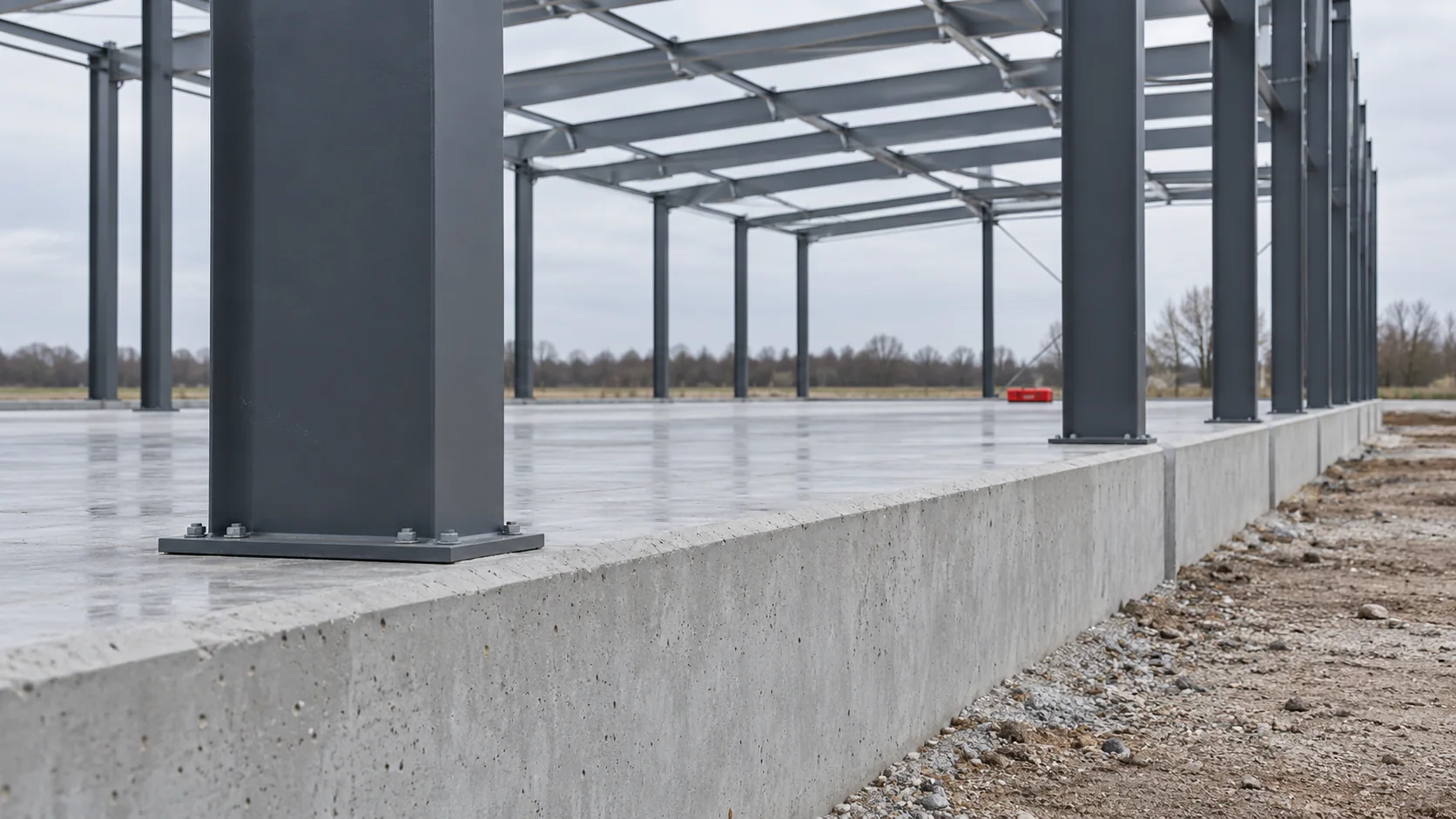
Specifying bonded anchors for steel columns on concrete foundations

A chemical anchor is part of a designed connection that transfers forces from the hall column to the concrete. It is not selected solely by the diameter of the hole in the base plate. Loads, foundation data and an assessment of installation conditions are required. A well-prepared plan helps avoid collisions with reinforcement and premature loading. Vertical forces, horizontal forces and moments arising from the structural behaviour occur at the column base. Under wind suction, some anchors may be in tension despite the low weight of the envelope. Therefore, lightweight walls do not mean simple fixing. The design covers the entire base, anchors, concrete and any elements transferring shear.
By |2026-11-14T12:52:52+01:002024-05-16|Knowledge base|Comments Off on Specifying bonded anchors for steel columns on concrete foundations

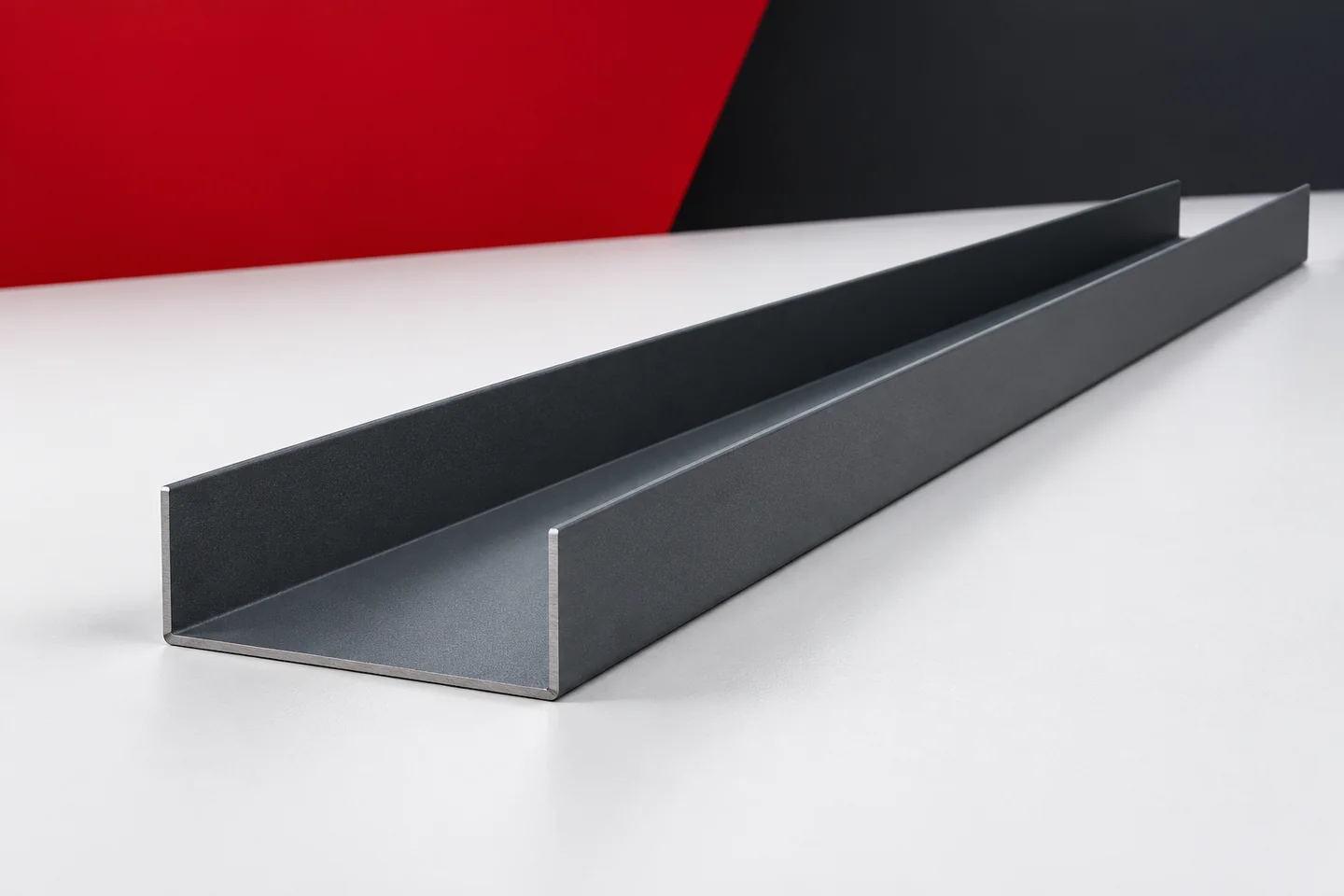
Choosing starter profiles for different façade plinth details

The bottom line of the façade is seen up close. It shows the accuracy of execution and how the wall connects to the plinth. Starter profiles can help to tidy up this zone, but their cross-section depends on the construction of the cladding. A recessed plinth needs a different solution from one projecting in front of the face. Ground levels and the proximity of doors and gates also matter. The selection should be based on the full cross-section, not only on the expected visible height of the trim. A recessed plinth creates a distinct undercut beneath the façade. A projecting plinth may require its top surface to be covered and water to be drained away from the junction. These situations differ in geometry. They should not be resolved by using the same trim without checking its position.

By |2026-11-15T03:59:12+01:002024-02-27|Knowledge base|Comments Off on Choosing starter profiles for different façade plinth details
Back to top