Profiles and steel structures
New equipment on a building roof: checking the service conditions of steel sections
A hall roof is often later used for additional installations. These may be equipment, cables, suspensions or items of equipment. Before installing them, it is worth checking the structure. Cold-formed profiles were often selected for a specific set of loads and supports. A new task may change that arrangement. It is not enough to compare the total weight of the installation with the roof area and conclude that the result is small. A purlin plan, cross-sections, thicknesses and material are needed. The connections and bracing are also important. As-built documentation makes it possible to establish whether changes were made compared with the design. If data is missing, the actual structure must be surveyed. Z-sections or C-sections that look similar may have different parameters. Reading the height alone is not enough.
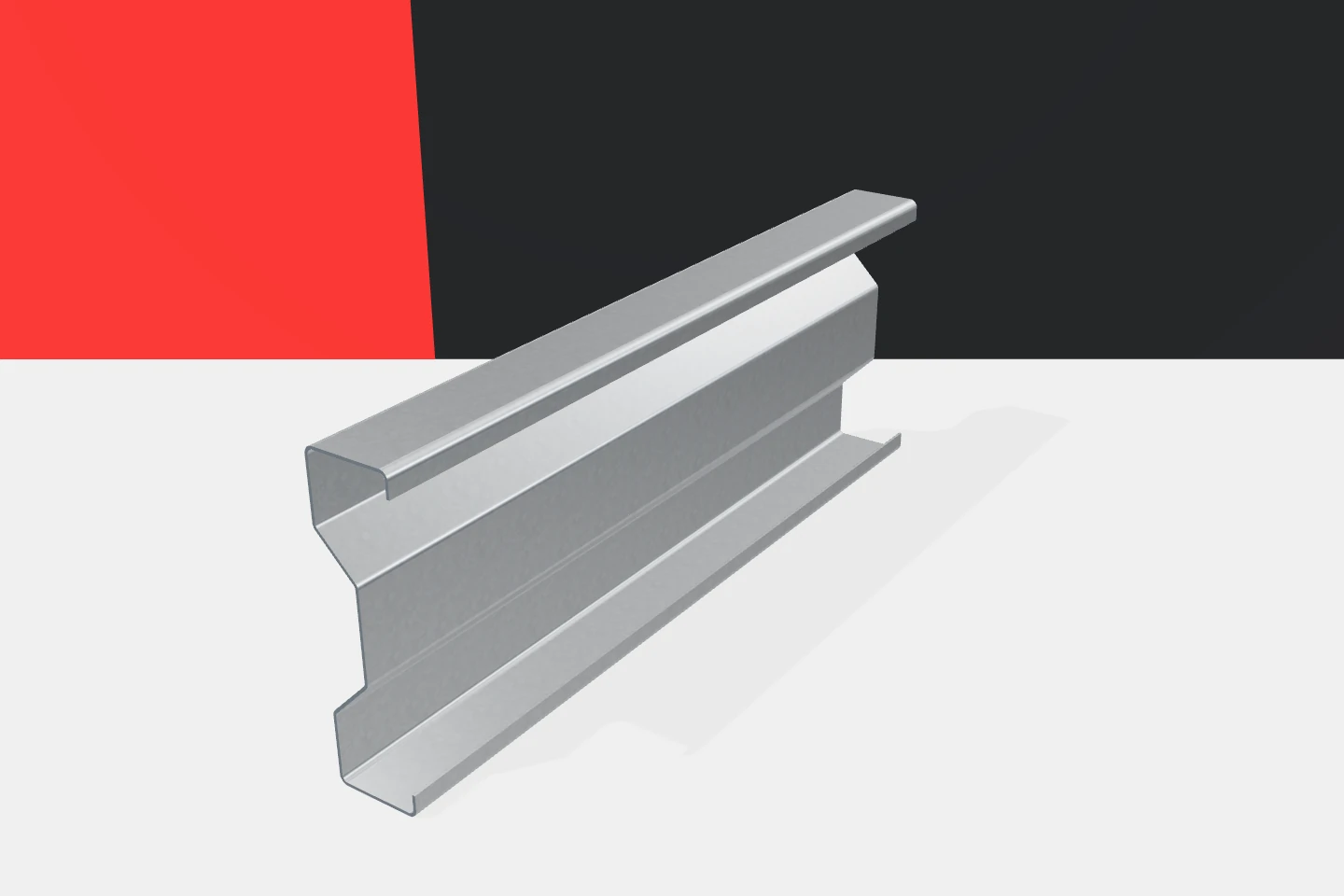
First, information about the existing arrangement is collected
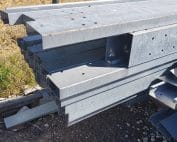
The condition of the components should also be inspected. Corrosion, deformation and unapproved holes can affect the assessment. Galvanised profiles are not exempt from such checks. The condition of the entire system matters, not just the surface accessible from floor level. Good documentation from the start of the project significantly facilitates this stage and reduces the need to reconstruct information.
The weight of the installation is only part of the description
It is necessary to know where and how the new load will be applied. A concentrated weight on a few brackets differs from a uniformly distributed layer. The direction of action and the distance from the profile axis also matter. Additional torsional effects may occur. For external components, the relevant environmental actions must also be taken into account.
The entire weight should not be distributed across all purlins on a self-determined basis if the installation is supported on only a few of them. The actual load path results from the fixings. Cold-formed profiles require an assessment of this local scheme. This also applies to brackets and ties used to distribute forces. Each such component must have a defined function and connection.
The fastener must suit the thin wall
Fixing the device to the flange or web introduces a force over a small area. The local conditions and the load-bearing capacity of the connector must be checked. It is not enough for the bracket to physically fit the profile. The bolt or screw must be matched to the material and thickness. Accidental drilling in the support zone may also interfere with an existing connection.
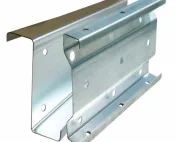
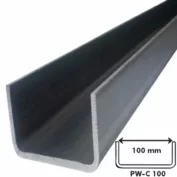
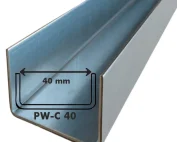
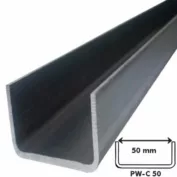
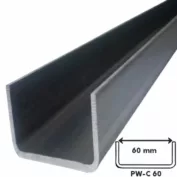
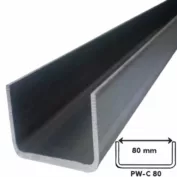
Z-sections, C-sections and sigma profiles have different geometries. Brackets are not automatically interchangeable between them. Omega profiles may form the sub-structure for certain details, but should not take on new loads without verification. It is worth planning fixing locations so that they do not require disturbing bends or bracing. A well-chosen detail facilitates later inspection.
The performance of the enclosure must be maintained
The installation may be connected to the sheet metal or sandwich panel. In that case, the requirements of that layer and its fixings must also be checked. It cannot be assumed that every cladding will transfer the new load to the purlins in any manner. The support locations and the approved connection system matter. The solution should comply with the documentation of the products used.
Penetrations and additional components also affect weathertightness. Sealants and drainage must be resolved. Galvanised profiles beneath a leak may perform under different conditions than before. It is therefore worth assessing the installation together with the detail of the building envelope. A correct structural fixing and correct sealing are two necessary parts of the same task.

Deflections and stability may limit the solution
Even if the material strength provides a reserve, deformations and stability must be checked. Additional load can change the behaviour of an open section. Lateral support of the purlins also matters. A tie must not be removed simply because it conflicts with the installation route. Its function should be preserved or replaced by a designed solution.
Cold-formed profiles may interact with the roof covering in a specific pattern. New fixings should not disturb these conditions. If the equipment requires a stiffer support, a separate structure or a different location must be considered. Strengthening an arbitrary purlin is not always the best solution. It is worth comparing variants in terms of structure, installation and maintenance.
Installing the system also introduces loads
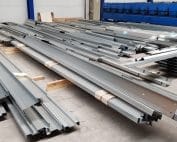
Packs of materials, equipment and workers may appear on the roof. Their arrangement during the works need not correspond to the final installation layout. Storage locations and the sequence of works must be planned. Heavy packs should not be stored in an arbitrary area. The installation state can be significant even when the finished installation has a moderate mass.
Access and the method of transporting components should be agreed. Protecting the coating of the profiles and the enclosure limits later repairs. After the works are completed, waste is removed and the connections made are checked. Galvanised profiles should not remain contaminated with drilling swarf. Acceptance should cover both the structure and the surfaces exposed during installation.
It is worth keeping the assessment results for future changes
Once the solution is approved, the locations, loads and method of fixing should be recorded. The as-built documentation should contain the actual installation layout. This means the next change will not be analysed in isolation from earlier additions. Several small modifications can together significantly change the working conditions of the roof. Organised data allows this to be controlled.
Z-sections, C-sections, sigmas and omegas offer many possibilities, but every new function requires matching. Cold-formed profiles can interact with additional installations in a proven solution. The client then gains certainty of scope of works and cost. The decision is worth making before purchasing the fixings, when locations and fixing methods can still be easily compared.
7 branches. Materials closer to your project.