
Knowledge base
Izoprofil.com helps you compare materials for a specific building project. The guides cover the uses of sandwich panels, PIR insulation boards, metal roof tiles and trapezoidal sheets. The criteria depend on the application, including the supporting structure, thermal performance and requirements for the finished surface. Read the product specifications, identify which dimensions affect the order and compare complete solutions. The articles help you discuss the options with a designer or installer and check the suitability of the selected materials before purchase.
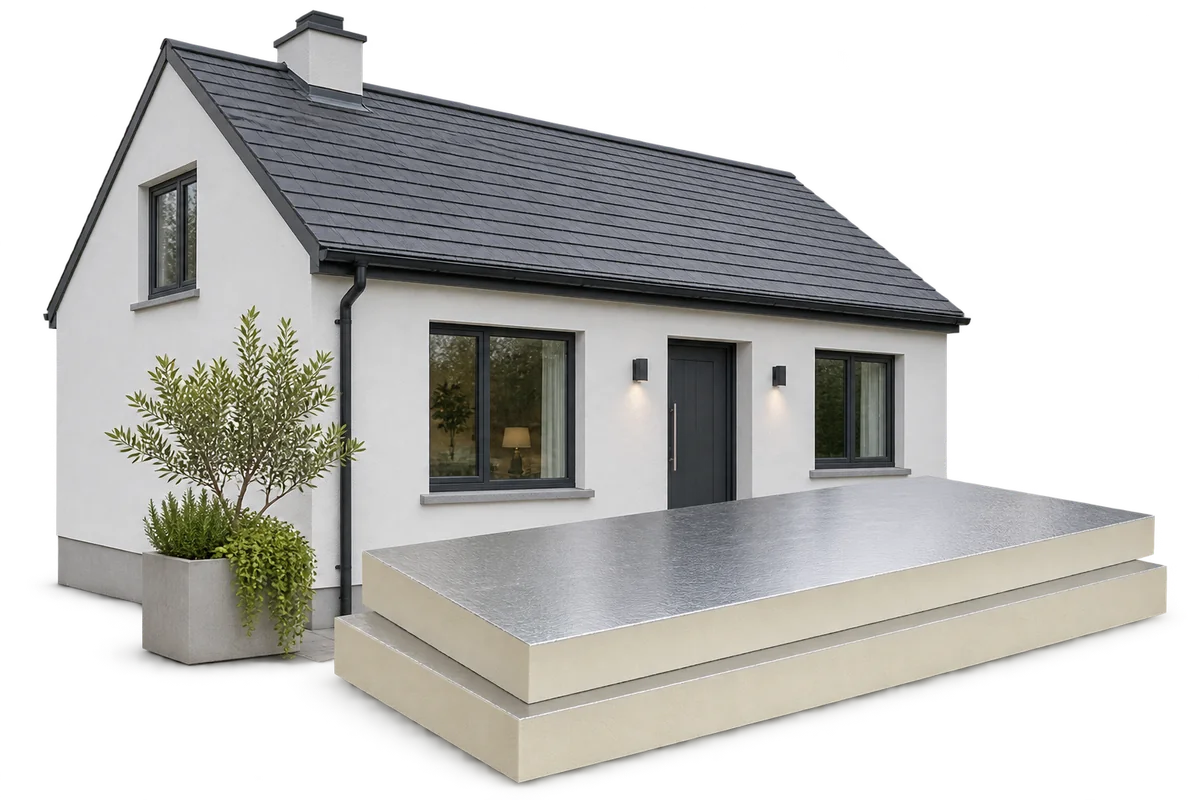
Using fewer resources in an energy retrofit: where PIR can help
A retrofit can reduce energy use and retain parts of the existing building if their condition is assessed first. PIR is useful where space is tight and good thermal performance is needed. The environmental outcome also depends on service life, waste and how the building is used. Sound structural elements, a dry substrate and watertight sections of roof have a value beyond the purchase price of new boards. Keeping serviceable components can reduce demolition and transport. Decide which layers to retain on more than waste savings alone.
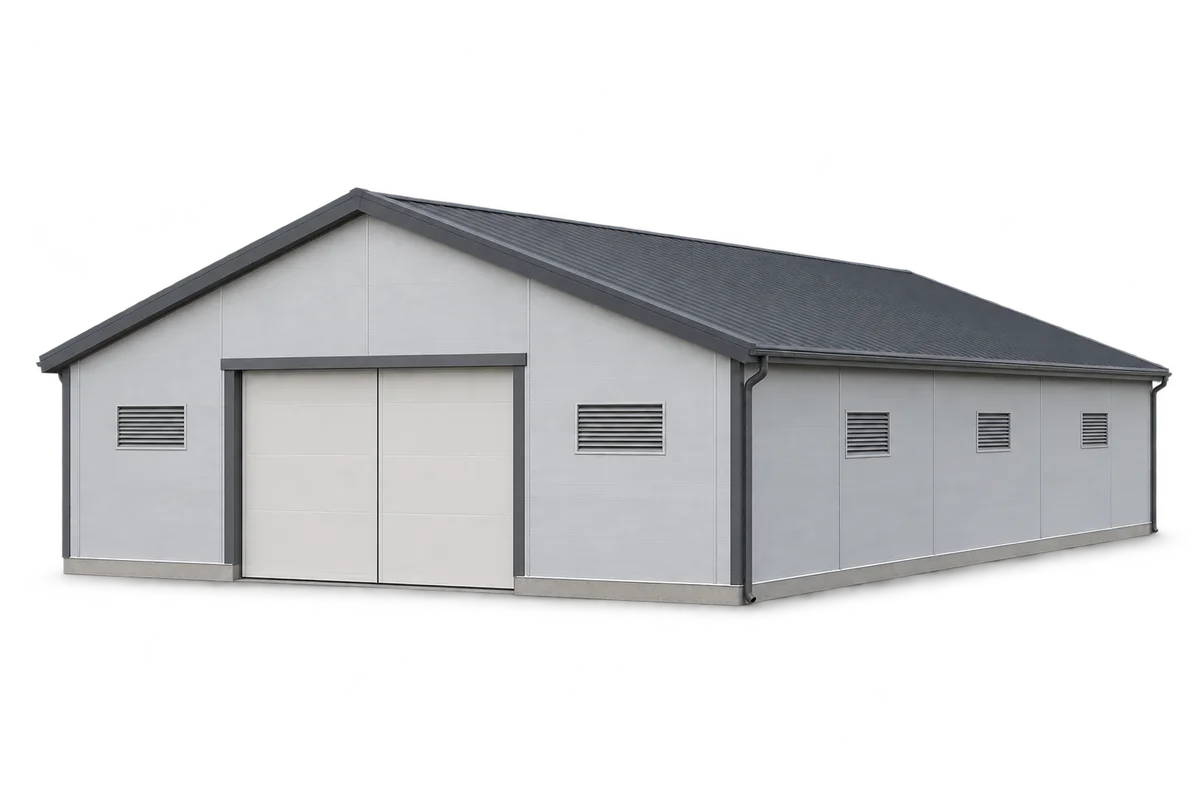
Designing the building envelope and ventilation for modern pig housing
A well-designed pig house keeps conditions suitable for the animals, can be washed efficiently and is straightforward to operate. Insulated walls and roofs reduce the influence of outdoor weather. PIR boards can form part of the envelope, but their selection depends on the ventilation system, the durability of exposed surfaces and how each area is used. Temperature requirements vary with the age, weight and production stage of the pigs. Begin with the layout, stocking levels and husbandry system. Use these to design the envelope and services, including separate controls for areas with different needs.
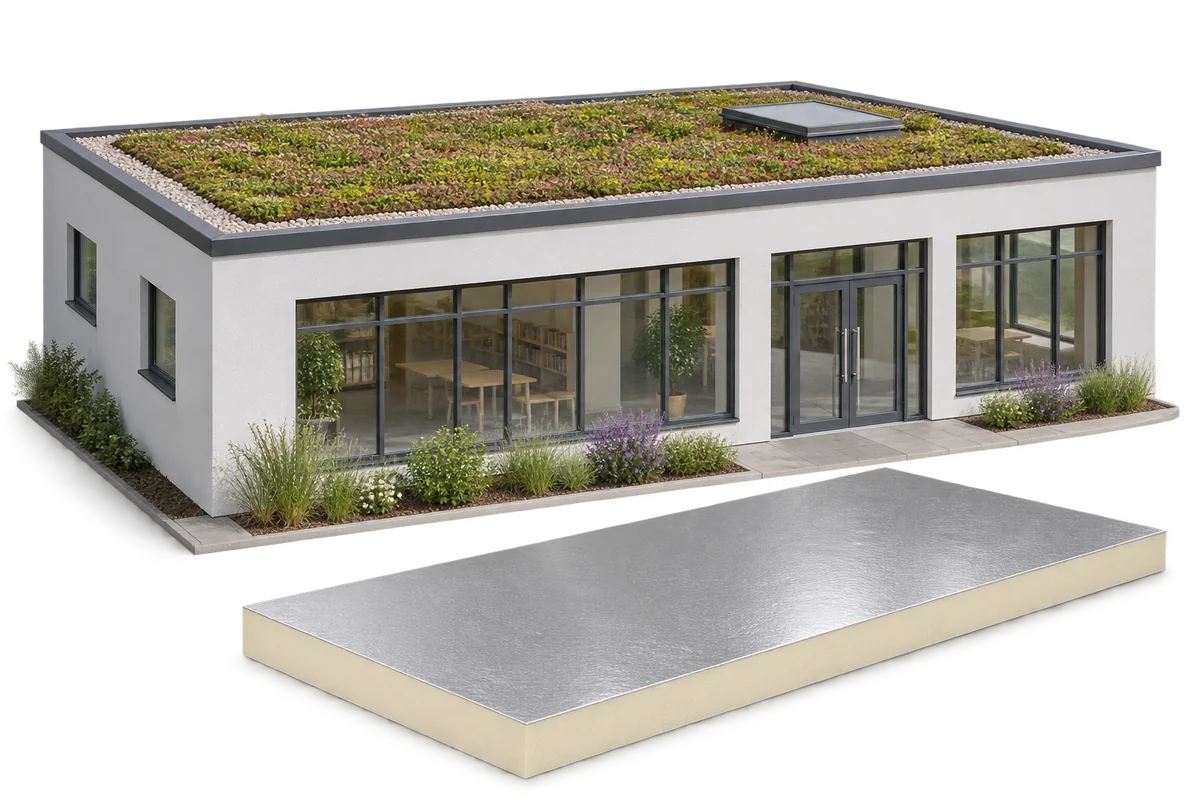
Retrofitting a nursery with a green roof: planning the roof build-up
A green roof can form part of a nursery retrofit. The structure must support the full build-up and the insulation must be continuous. PIR boards can keep the insulation thin at parapets and thresholds. Waterproofing, drainage and access for inspection throughout the roof's service life also determine its durability. Start by assessing the problems the nursery actually faces: heat loss, overheating in classrooms, leaks or the need for an extension. Address each separately, including faults with windows or ventilation. The green roof can then be included in a wider plan to improve conditions for children and staff.
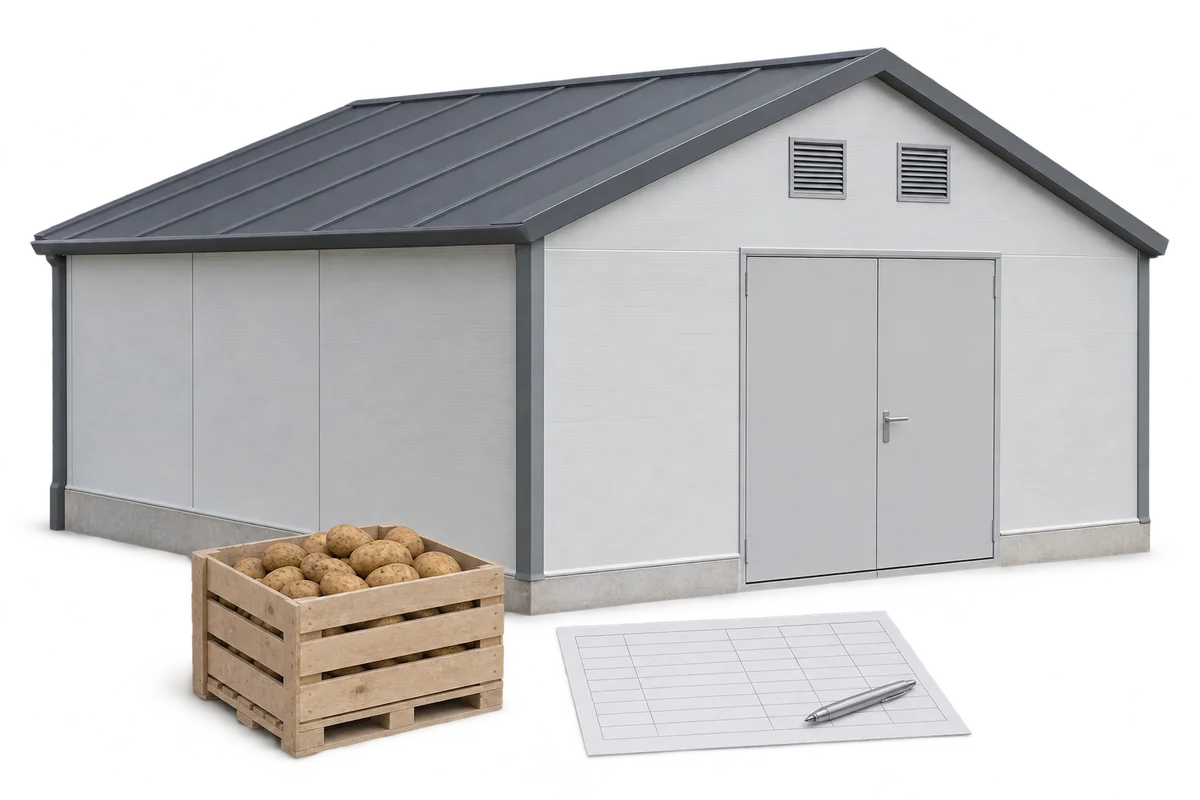
Getting a potato store ready for harvest: a warehouse retrofit schedule
Harvest sets the deadline for work on a potato store. Allow time to assess the building, order materials, install them and test the equipment. PIR boards and sandwich panels can speed up roof and wall repairs, but the installation still needs planning. Include the whole storage chamber, from cleaning and doors to ventilation and drying after the work. Decide when the first potatoes will arrive and how much the store will hold, then plan backwards. Allow for repairs and bad weather. Schedule the final panel delivery early enough to finish the work before harvest.
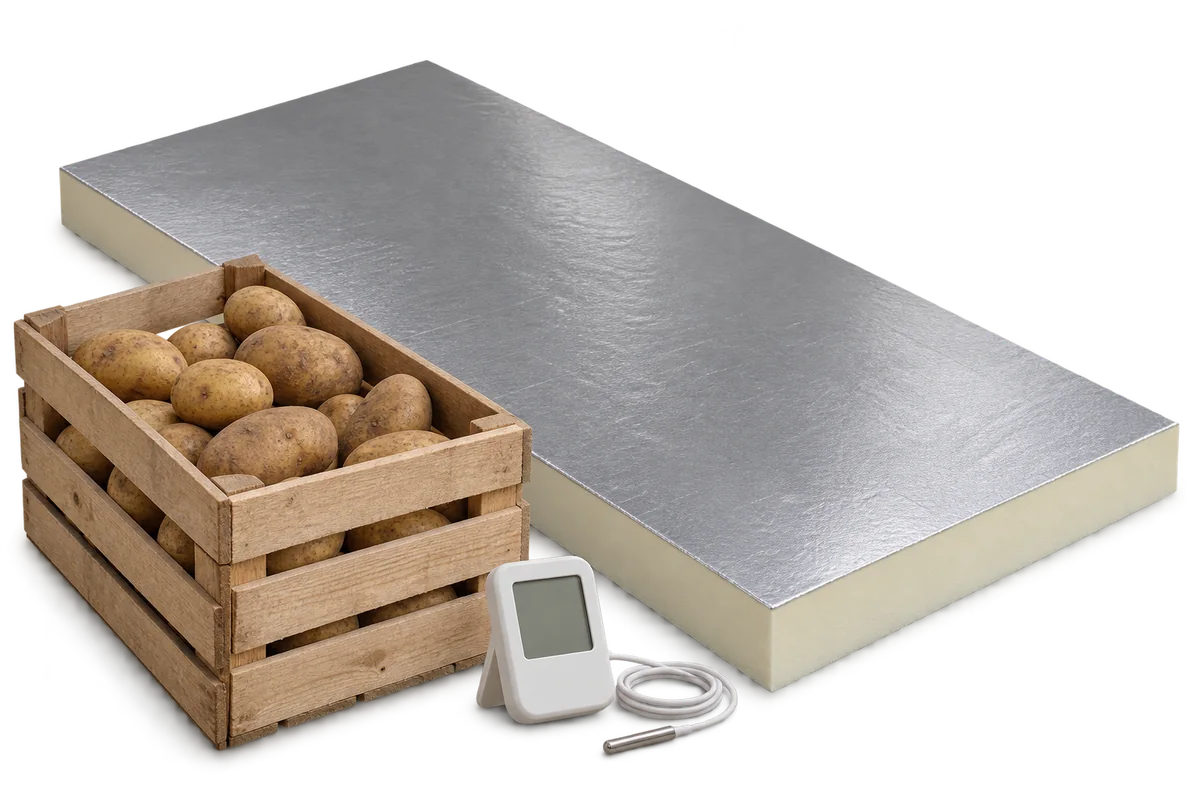
What puts stored potatoes at risk, and how can losses be reduced?
The withdrawal of a sprout suppressant formerly used in potato stores changed storage practices. Residues in older buildings need separate assessment even after treatment has stopped. Temperature, moisture and crop condition also matter. PIR boards help stabilise the thermal envelope but cannot replace hygiene, ventilation or appropriate storage practices. Do not assume that a substance used for years is still permitted: check current authorisations and conditions of use before choosing a treatment. The building should support the storage method. Thicker insulation alone cannot take its place.
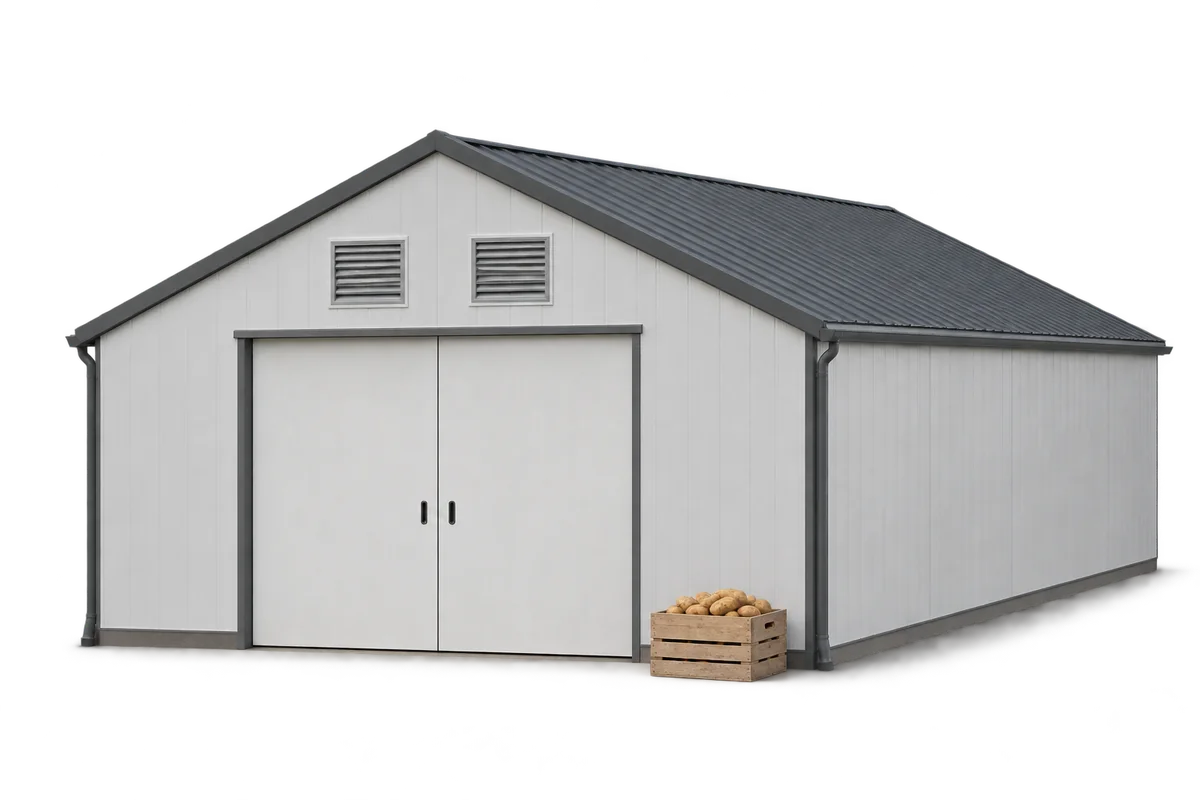
Retrofitting an existing warehouse for potato storage
An old warehouse can often be adapted to store potatoes without building a new hall. Three things must work together: an airtight enclosure, suitable insulation and ventilation that reaches the stored tubers. PIR boards and sandwich panels can improve the walls and roof. The result also depends on the condition of the crop, hygiene and how the store is controlled. First establish where temperature control breaks down. Inspect the building during rainfall, take readings in several places and review previous seasons. A sun-heated roof creates a different problem from a leaking door seal. Check for damp masonry, damaged supports and blocked air ducts too.