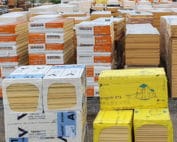
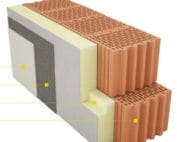
PIR insulation
IDELCO SIP and PIR board pricing: why the scope of quotations matters
When pricing IDELCO, you must first establish what exactly is being compared. A PIR insulation board and an α-therm SIP panel from the Smartbuild system are two different categories of component, so the price per square metre alone is not enough. The calculation includes design, prefabrication, connectors, transport and finishing; only then do the two amounts describe a comparable result. The terms “polyurethane boards” and “polyurethane foam” are broader than the PIR product designation, so an enquiry for the supply of PIR boards should distinguish between IDELCO insulation boards and α-therm SIP panels. It is also worth assigning the core and facings of α-therm SIP their actual function in the structure.
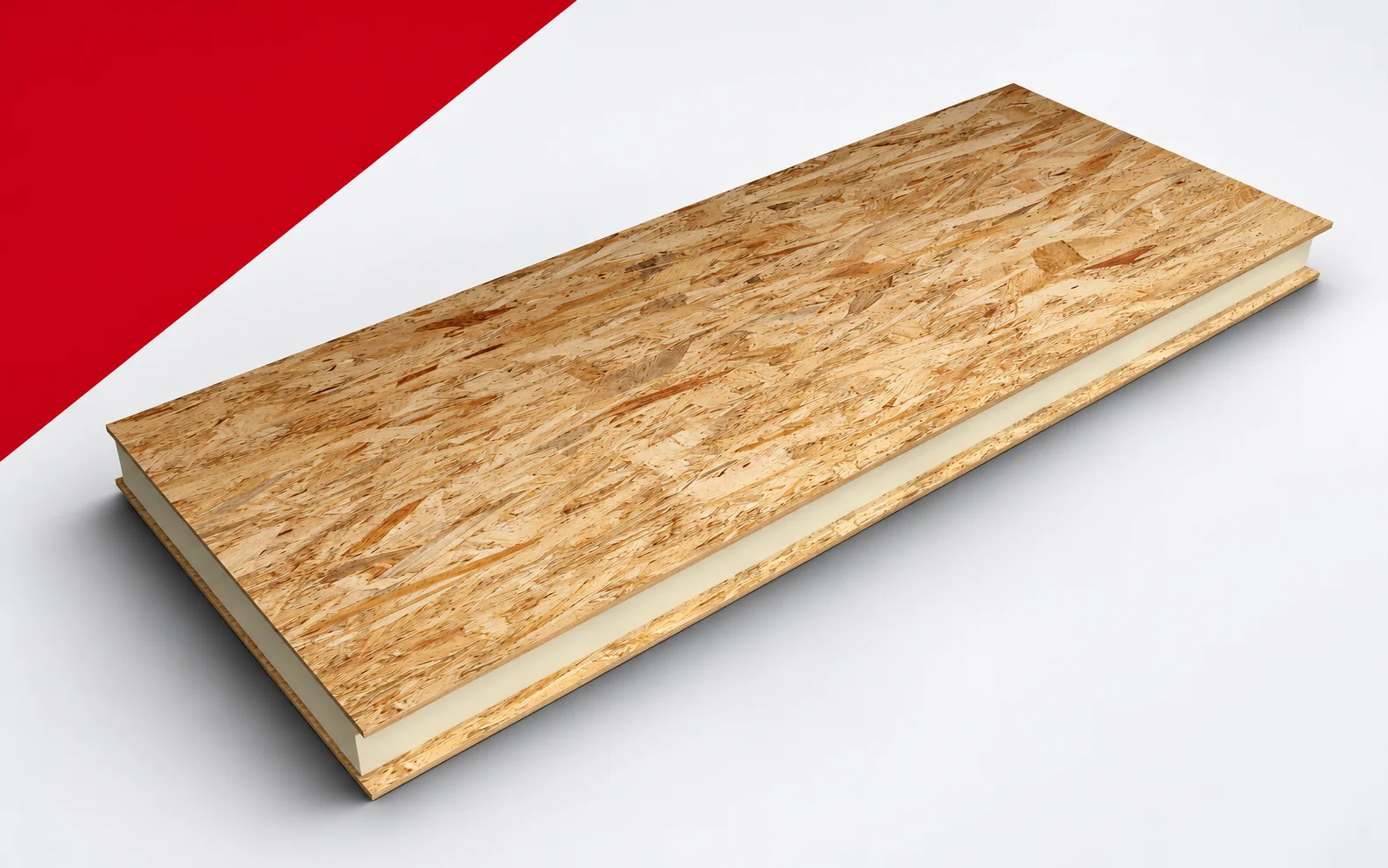
PIR boards versus structural SIP panel
A short name from the price list does not describe the full scope, because a structural panel and a thin laminated board do not perform the same job. The choice of element category must match the task of the designed building. Provide all tenderers with a cross-section showing the load-bearing components and the role of the thermal insulation layer, so that prices relate to a similar task.
Core lambda and panel U-value
The lambda of the core and the U-value of the finished SIP panel are not comparable price parameters for the same thing. The first describes heat conduction within the material, the second heat transfer through the building component. In quotations for polyurethane boards and structural panels, first identify which element the stated value refers to.
Keep the distinction between the material lambda and the U-value of the SIP panel, because the cheaper item may produce a different effect. Joints and supports can change the result of the entire building component compared with the panel field alone. In the quotation table, include the data of the selected panel together with an assessment of its joints and geometry, and link the price difference to a specific change in parameters.
Polyurethane insulation in a prefabricated building envelope
Before pricing α-therm SIP, set out the layout of the prefabricated elements, their openings and the routing of services. The schedule must correspond to the installation plan and take into account verified substrate tolerances. Then the delivery goes to the right places, and the execution of joints can be related to the design rather than to the insulation metre alone.
Openings and changes in SIP panels must be agreed before the prefabricated elements are produced, because the rectangular surface area alone can be misleading: every cut or damage to the facing can affect structural performance. The cutting plan is prepared for installation in accordance with the design, not for ordinary cutting of PIR. In the quotation, record the numbering of elements, the dimensions of openings and the substrate tolerances so that these details do not fall outside the scope.
Airtightness and transfer of forces at the joint
The airtightness of the panel joints matters as much as the insulation in their core. Corners, junctions at the foundation, openings and the connection to the roof require a planned solution. When assessing the completeness of the purchase, identify the junction of the SIP panel with the foundation and the connection at the corner.
The completeness of the offer at the SIP junction depends on coordinating sealing, protection against water and load transfer. An omitted item does not remove the task, because prefabrication does not exempt anyone from correctly executing the perimeter of each element. Supplementary materials should make it possible to combine structural and thermal functions in one clear detail. Before approving the amount, agree the routing of seals, fixings and finish layers at the junction as well as the scope of execution of the connections.
Load-bearing capacity and classification of the actual configuration
The permissible spans and load-bearing capacity of SIP panels cannot be transferred to IDELCO boards in the laminate. The fire class of the complete wall also does not follow from the name of the core alone. When proposing a substitute, therefore, the load-bearing capacity and fire classification of the actual SIP panel system must be confirmed.
Assessing the substitution requires data for the selected thickness, facings and support of the SIP panels. A similar name is not enough, because the properties of an ordinary PIR board do not determine the load-bearing capacity of a prefabricated wall. The supplier’s data should allow the requirements for the complete solution to be confirmed, not just those of the core. In both quotations, compare the system documentation, the scope of the assessments and the connection configuration before you accept a different solution.
Polyurethane insulation versus the price of a complete SIP system
Treat the SIP quotation as a quotation for part of the building system. Check whether it covers the design of the elements, fasteners, seals, transport and installation. The overall budget must accommodate the scope of the α-therm SIP quotation, that is, part of the building structure.
Before approving the price, compare the design, transport, fasteners and installation of the SIP system with the equivalent scope. The price per square metre of thermal insulation is not the price of a finished panel, and the price of the material does not reflect the result. The comparison should cover variants with the same completed function of the building envelope. In the order, confirm the elements supplied and the work remaining after installation of the system; price the missing work separately.
A case worth considering
When comparing the price of α-therm SIP with the cost of a building envelope with the same tasks, equivalent scopes must be compared, because the PIR board alone does not cover the entire structure. In the calculation, include the design, prefabrication, fasteners, seals and transport, as well as the scope of finishing. Only equalising these items shows the real cost difference, rather than an apparent difference in the price per metre of material.
7 branches. Materials closer to your project.