Polystyrene and thermal insulation
Checking an EPS delivery before signing for receipt
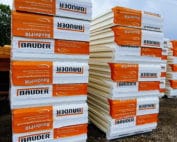
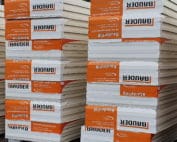
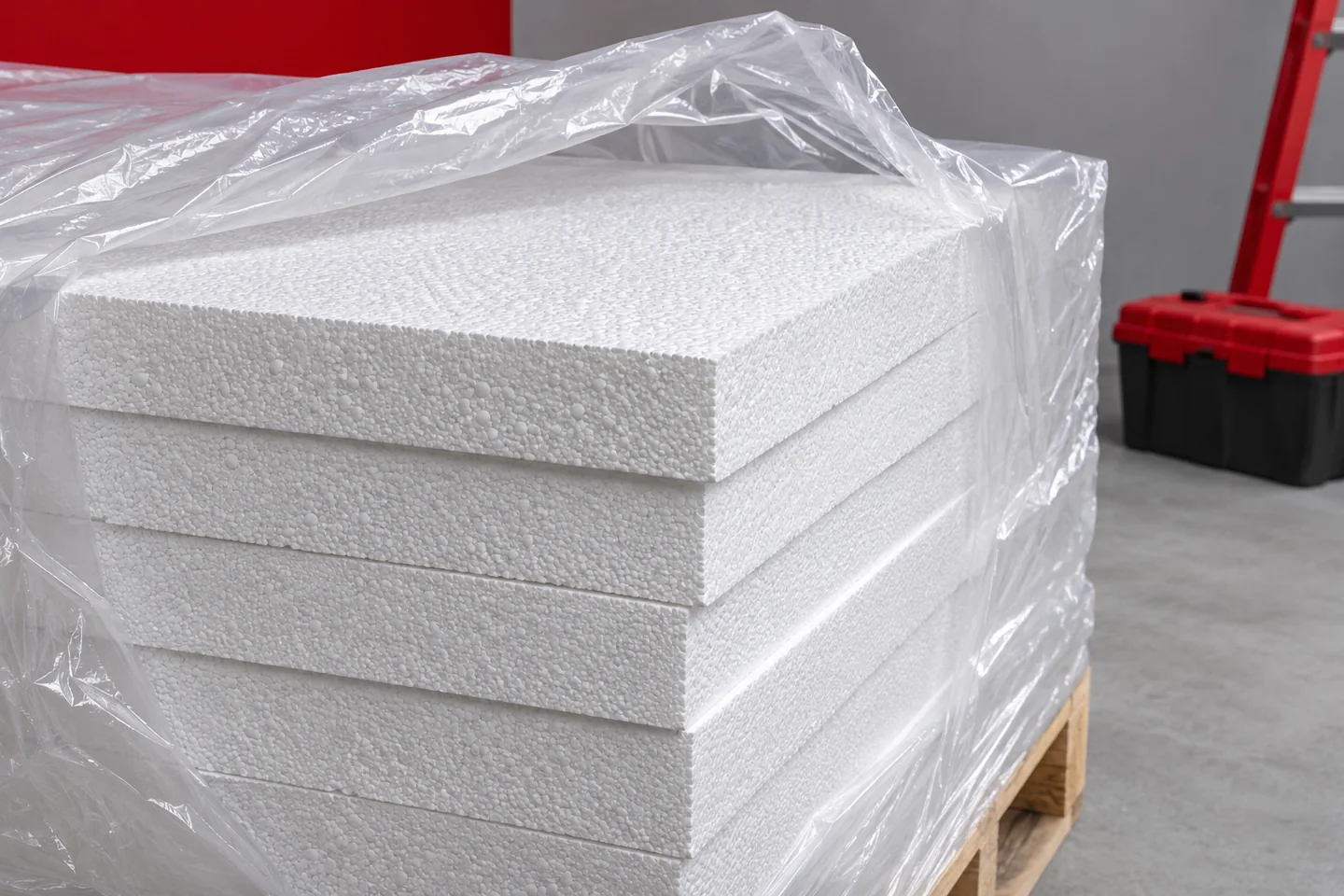
Begin accepting the polystyrene by comparing the delivery with the order. Check the grade, thickness, number of packs and documents, and then the condition of the boards. Do not rely solely on the colour of the packaging. The unloading conditions and the storage location are also important. Record any doubts immediately, before the labels disappear and different batches get mixed together. Keep the approved order with quantities and thicknesses to hand. Establish who is accepting the material and who decides on any discrepancies. The person present on site should know the division into façade, floor and other applications. The instruction to accept a specific number of packs alone is insufficient. Prepare a level, sheltered place and safe access for unloading.
What should you prepare before the vehicle arrives?
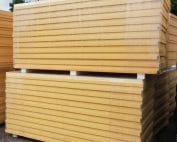
The material should not have to wait on a muddy driveway or block walkways. If the order includes several grades of EPS, plan separate zones. Mixing up similar boards later is easier than making a mistake on the first reading of the label.
How can you identify the correct product?
Read the full designation from the label. Compare the thickness, the declared lambda and the properties required in the order. In the floor, parameters relating to load are important, and in the part next to the ground, also properties relating to water. Do not assume interchangeability on the basis of a similar name or identical board colour.
Pay attention to the declaration number and the information that allows the material to be linked to the manufacturer and the batch. If the supplier proposed a substitute, check whether it was previously approved. A different grade does not become suitable just because the lorry has already arrived. Conformity must be related to the design and the place of use.
How can you calculate the actual quantity?
Count the packs by grade and thickness. Then convert them using the number of boards or the covering area specific to the given packaging. A pack does not always have a volume of 0.3 m³. Manufacturers’ tables contain various sizes, and profiled boards may have a differently defined covering than boards with straight edges.
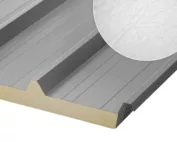
For a partial delivery, record which items remain to be delivered. Do not add several grades together into a single cubic metre figure if this would make settlement more difficult. For roof wedges, also check the markings on the components and the design’s roof fall schedule. Conformity of the total volume alone does not guarantee a complete layout.
What damage can be noticed on site?
Inspect the packaging, corners and accessible board surfaces. Indentations from strapping, cracks, chipped edges or bowing require assessment. Torn film does not always mean damaged EPS, but it justifies a more thorough check. The board should be assessed with regard to whether the intended insulation can be installed.
Do not hide damaged packs in the middle of the stack. Take photos before their position changes and record the number of pieces requiring clarification. If the damage affects only part of the delivery, keep that distinction. An accurate description is more useful than a general remark that the material looks bad.
Can all parameters be checked on the construction site?
A tape measure allows a preliminary check of the dimensions, and visual inspection will reveal some defects. However, they will not confirm lambda, TR strength or water absorption. Such properties are tested using appropriate methods. Weighing can provide auxiliary information about density, but it does not replace testing of performance parameters.
If a dimension raises doubts, take into account the declared tolerance class and the correct method of measurement. A single board with a broken corner is not suitable for assessing the dimensions of the whole batch. Repeated deviations are worth documenting and clarifying. Any difference should not be regarded on one’s own initiative as falling within the standard.
What should be done in the event of a discrepancy with the order?
Record the specific non-conformity: the grade, thickness, quantity or visible damage. Attach photographs of the labels and markings. Agree with the supplier how to proceed in accordance with the purchase terms. Do not write that the material conforms if a significant issue remains unresolved. Acceptance of the quantity does not have to mean confirmation of all properties.
Store boards that are subject to doubt separately and mark them. They should not accidentally end up in installation before a decision is made. If testing is needed, agree the method of sampling and securing the samples with the appropriate body. Cutting open the entire pack yourself may make it difficult to later reconstruct its condition.
How should acceptance be concluded and the material handed over to the crew?
Keep the delivery document, photographs and representative labels of all grades. Indicate to the installer where each batch is to go. Once the boards have been unpacked, their identification may become difficult. With several stages of work, update the record of consumption and of material remaining on site.
Finally, check the protection of the storage site. The original foil does not exempt you from protection against sun, weather and damage. Material that has been properly accepted can still be destroyed before installation. It is therefore worth establishing responsibility for covering the packs and for tidiness just as clearly as the quantity of boards accepted.
The manufacturers of EPS include, among others, Sonarol, Dom-Styr, Ekobud and Justyr. With every delivery, identify the specific product and its parameters, not just the company name.
7 branches. Materials closer to your project.