About PiVi

This author has not yet filled in any details.
So far PiVi has created 1504 blog entries.

Corrugated fibre cement in architecture. A simple material with a clear rhythm

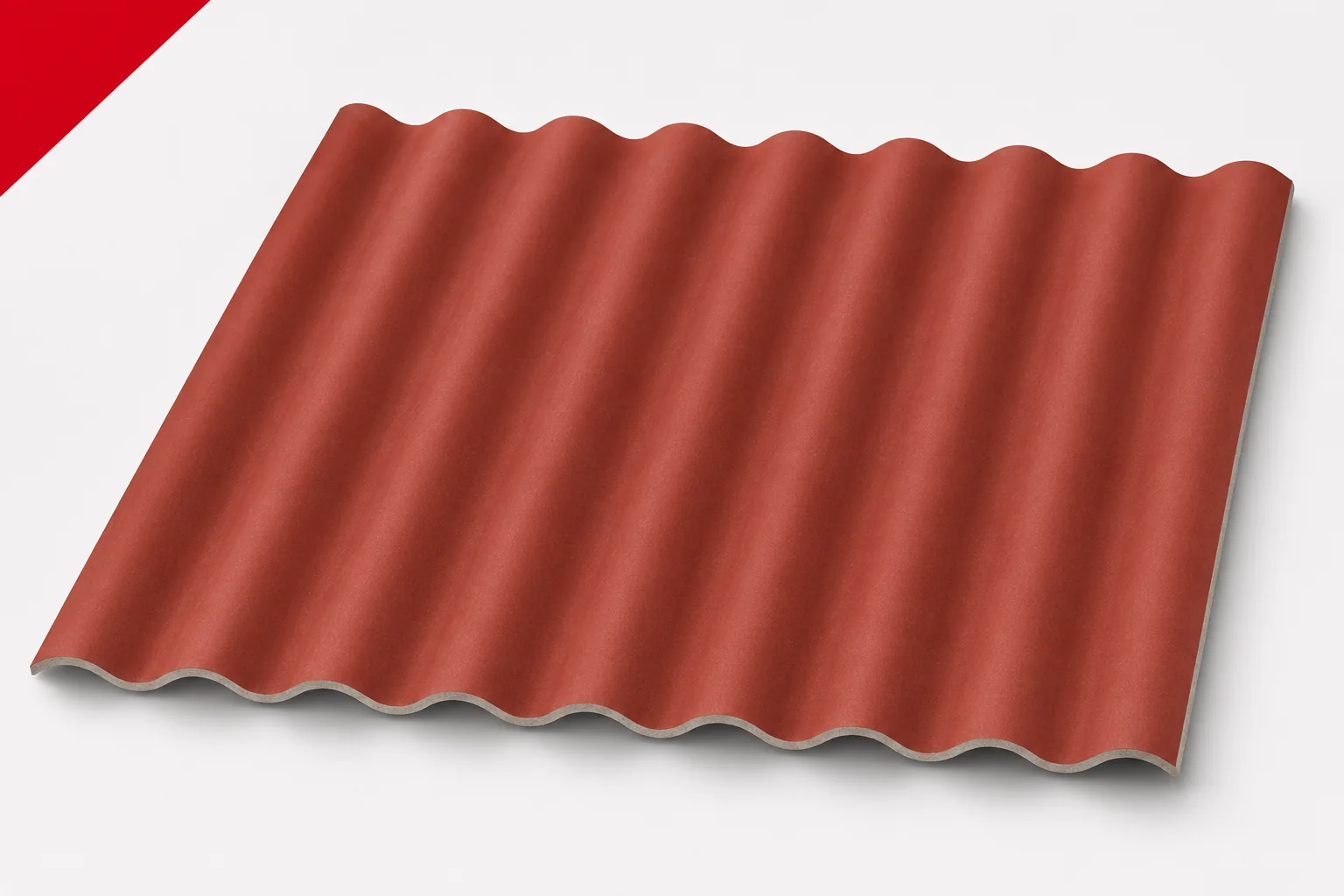
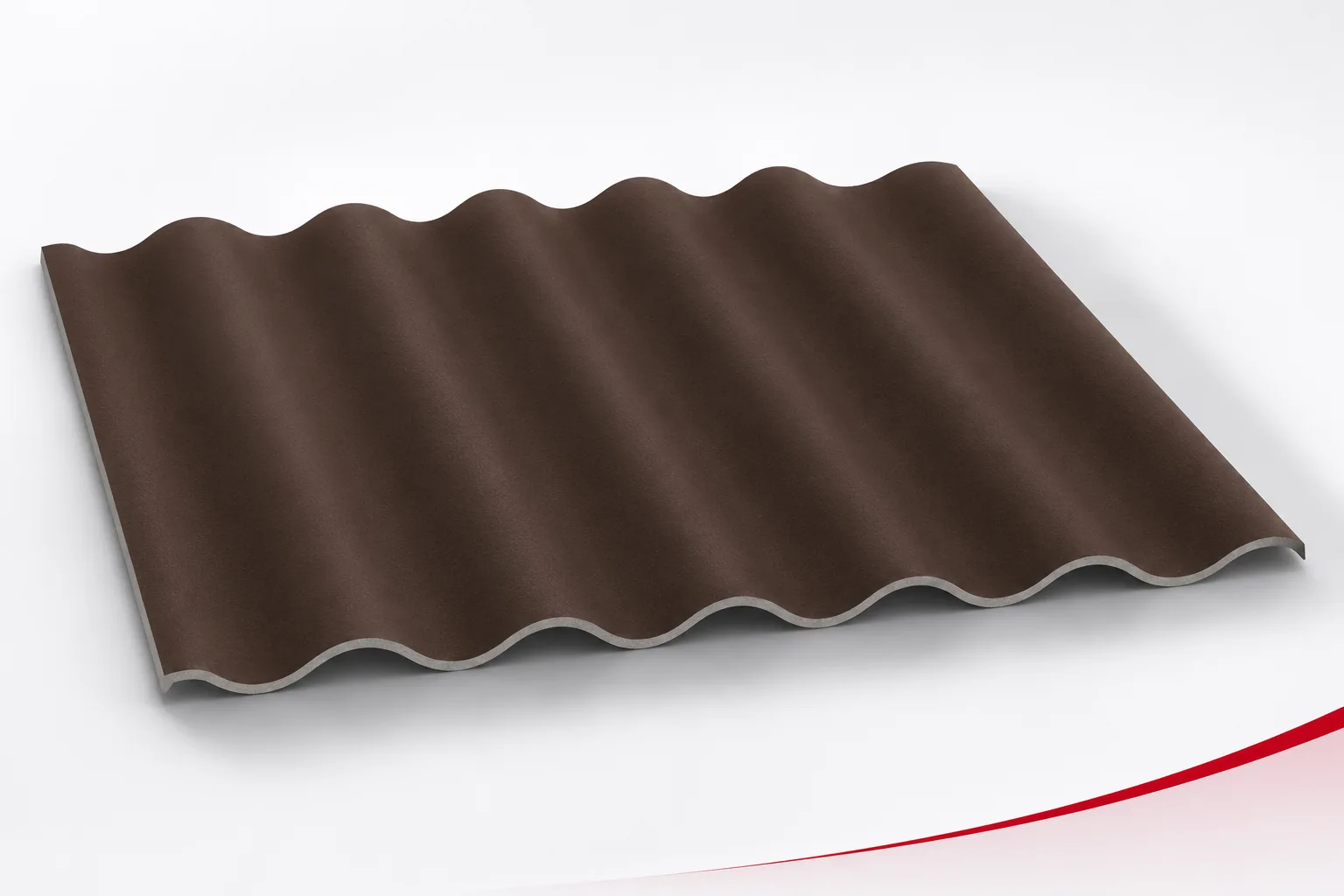
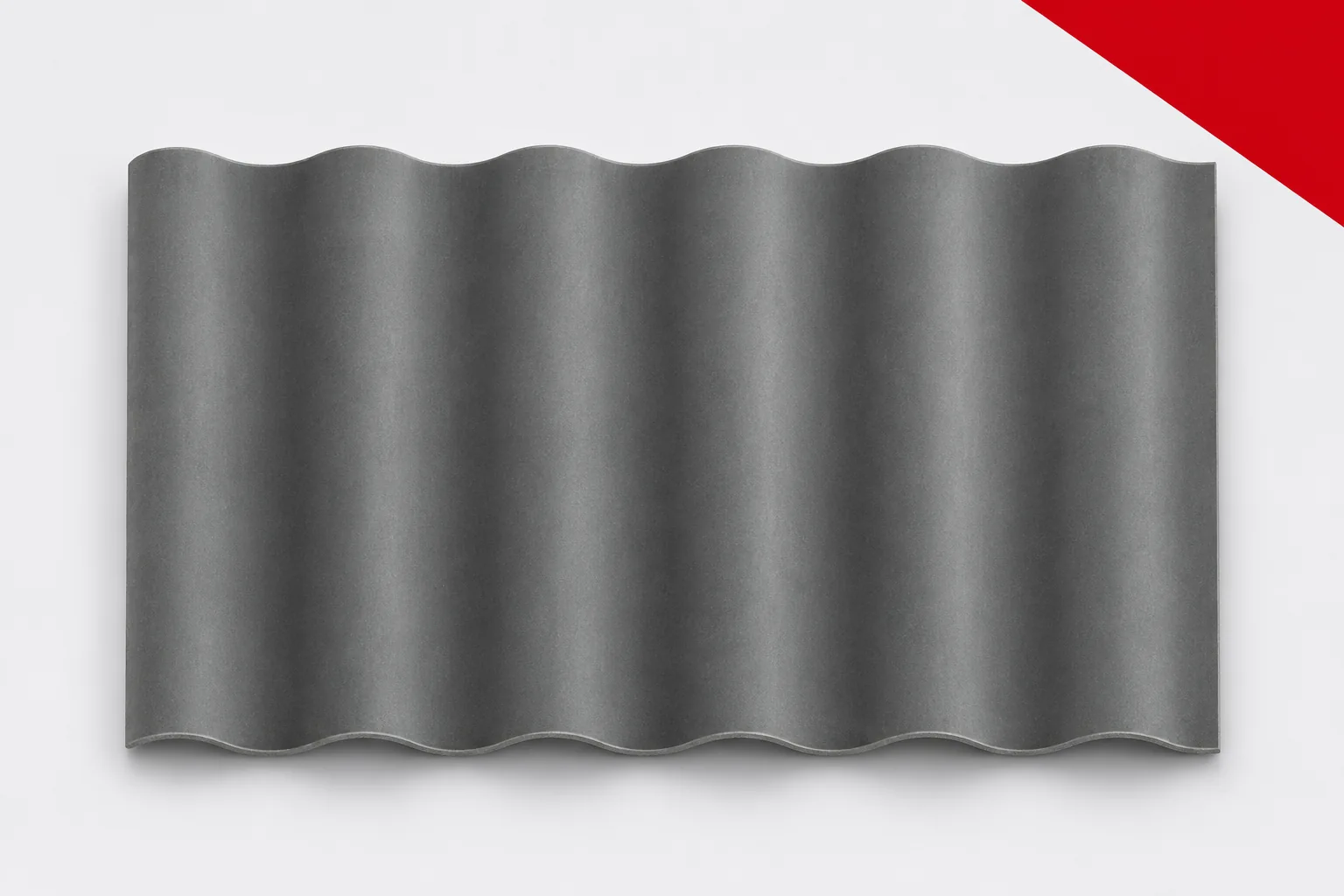
A corrugated roof has a clear rhythm that is visible even from a distance. Corrugated fibre cement sheets allow this rhythm to be used in simple, orderly architecture. Asbestos-free fibre cement does not have to be associated only with utility buildings. The effect is determined by the proportions of the building volume, the division of the sheets and the way the edges are finished. The repeating profile lays bands of light and shadow across the surface. When viewed from the side, these can be more pronounced than when seen straight on. The height and pitch of the corrugation matter. It is not worth choosing a profile solely from a small colour sample, because across a large roof area its rhythm becomes an important part of the building. In a simple volume, such a material can be the main means of expression.
By |2026-11-15T18:59:29+01:002021-04-14|Knowledge base|Comments Off on Corrugated fibre cement in architecture. A simple material with a clear rhythm

PIR, cellulose or wood fibre: comparing the cost of finished insulation

The price of the material in a pack is not enough to compare different technologies. PIR boards, cellulose and wood fibre require different preparation and installation methods. The purchase should be assessed for a similar thermal effect, taking into account space, summer comfort and the full scope of work. PIR boards are rigid products with a defined thickness and facing. Cellulose can be blown into prepared cavities. A quote for blowing in may include installing the layer, while a PIR quote may cover only the material. A comparison requires adding the scope of labour and preparation to both variants. Record the scope of each quote in stages: preparing the space, delivery and installation of the layer. This will allow you to distinguish the price of the product from the price of the completed service.

By |2026-11-16T02:30:02+01:002021-04-02|Knowledge base|Comments Off on PIR, cellulose or wood fibre: comparing the cost of finished insulation

XPS price per m², m³ and pack. How to compare offers?

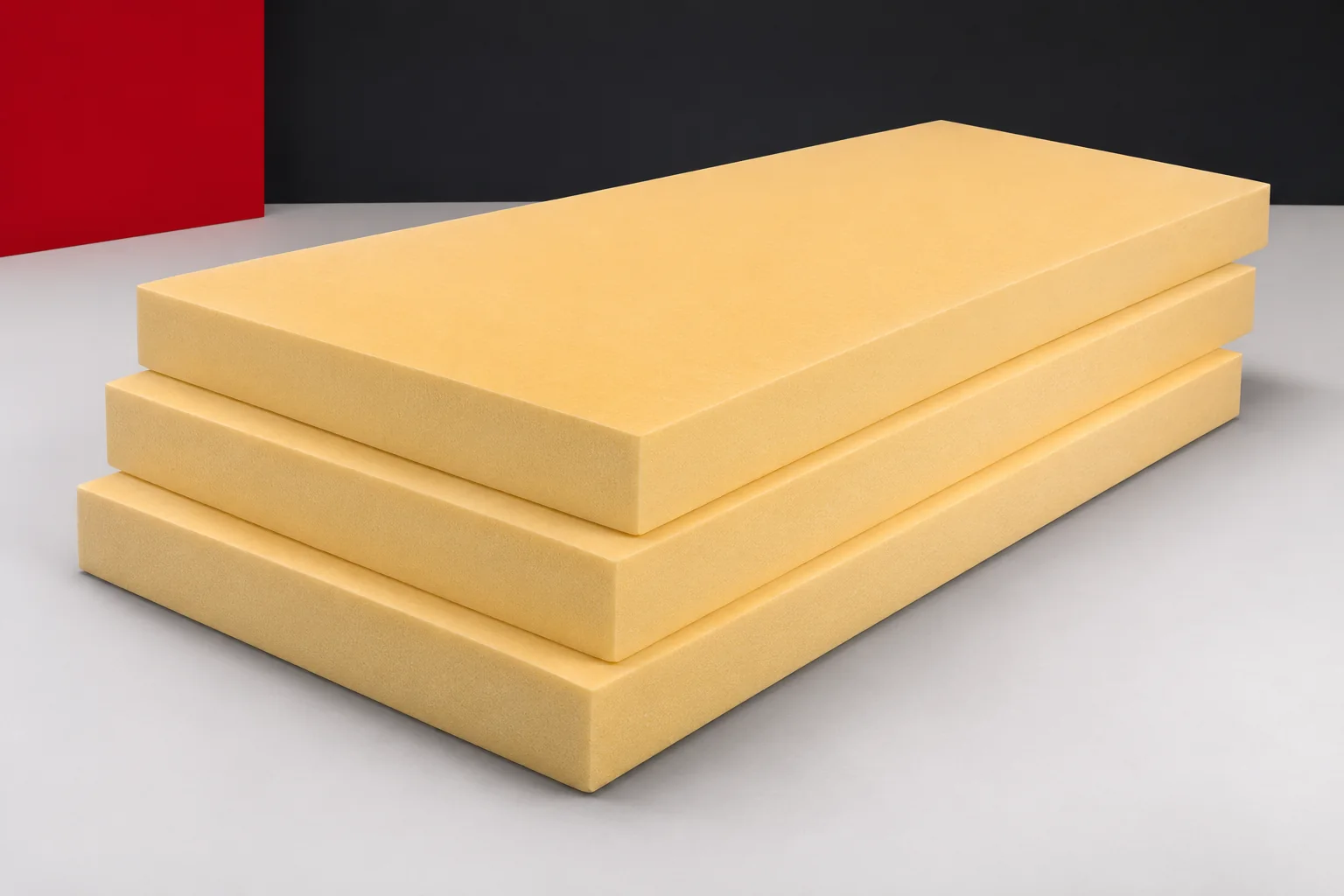
The XPS price may be given per pack, per square metre or per cubic metre. Without converting, it is easy to mistake a more expensive offer for a cheaper one or to order too little material. Extruded polystyrene is worth comparing at the same thickness and with the same properties. The colloquial term Styrodur does not specify the grade. A good offer contains data that allow you to calculate the quantity and check whether the boards are suitable for the project. Two packs of XPS may look similar yet differ in thickness, number of boards and parameters. A price without this information says little. Thermal, mechanical and moisture-related properties as well as edge geometry must be compared. Only then does converting units make sense.

By |2026-11-15T18:59:40+01:002021-03-28|Knowledge base|Comments Off on XPS price per m², m³ and pack. How to compare offers?

Buying Recticel Powerdeck F. How do you calculate the cost of the bonded variant?

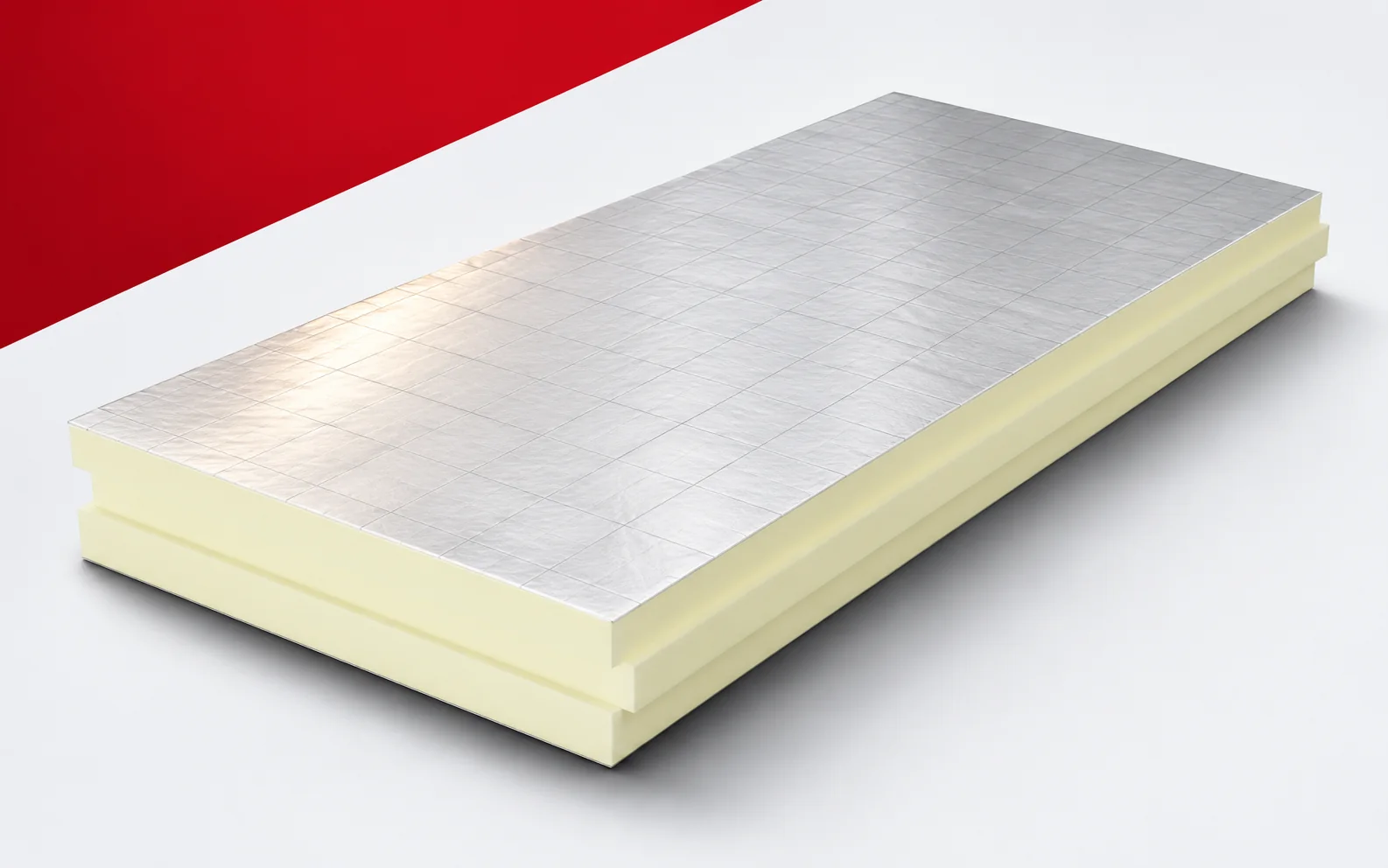
With Powerdeck F, it is worth pricing the material and the joint execution separately. Adhesive consumption, substrate preparation and roofing details all affect the cost. A quote based only on the board area does not show the full difference between the bonded system and another fixing variant. Recticel Powerdeck F has a PIR core faced on both sides with mineralised glass fleece. The product is intended for flat roofs with a suitably selected covering. When enquiring about PIR boards, describe the mineralised glass fleece of Powerdeck F as the surface that works with the covering. The Powerdeck F facing must be matched to the materials it comes into contact with in the adopted roof build-up.

By |2026-11-16T02:21:53+01:002021-02-21|Knowledge base|Comments Off on Buying Recticel Powerdeck F. How do you calculate the cost of the bonded variant?

Corrugated fibre cement roofs and façades: achieving a coherent design through detailing

Repeating the corrugated material on the roof and the wall can bring order to the building form. Corrugated fibre cement sheets allow this effect if the given product has the appropriate intended use. Asbestos-free fibre cement does not, however, mean identical installation on both surfaces. Visual consistency must be combined with different water paths, support and ventilation. The roof drains precipitation over a sloping surface, while the façade shields the wall from external conditions. In a ventilated system there is a designed cavity behind the cladding. Both parts may look similar, yet need not use identical laps and fixings. Before deciding, the application of the specific sheet must be confirmed. The documentation should cover the planned method of use.

By |2026-11-15T19:00:43+01:002021-01-30|Knowledge base|Comments Off on Corrugated fibre cement roofs and façades: achieving a coherent design through detailing

Corrugated fibre cement sheets on a ventilated façade. What does vertical installation change?

Corrugated cladding can give a façade a clear rhythm. However, fibre cement sheets used on a wall require a system intended for that purpose. Asbestos-free fibre cement on a roof and on a façade performs a similar protective function, but works in a different arrangement. Vertical installation must be assessed from the substructure through to the detail at the plinth. Not every sheet of the same material has the same application. The documentation must be checked to see whether the selected profile can form the planned cladding. A flat sheet, a corrugated roof sheet and another façade panel are not automatically interchangeable. They differ in geometry and installation requirements. If the manufacturer permits use on a wall, the correct instructions for that solution are needed.

By |2026-11-15T19:00:45+01:002021-01-09|Knowledge base|Comments Off on Corrugated fibre cement sheets on a ventilated façade. What does vertical installation change?
Back to top