Steel profiles and structures
When should sigma sections be included in structural quotations?
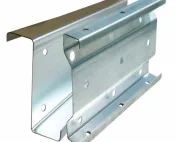
If the design permits several solutions, it is worth comparing more than just the prices of similar C-sections. Sigma profiles can be a separate variant of the layout. Additional web bends allow their properties to be shaped. In the right application this is a useful feature. However, the assessment should cover the entire structure. Cold-formed profiles are selected for a specific task, so a favourable quotation must show more than just the mass of steel per metre. First, the function of the element and the requirements must be stated. This may be a purlin, a rail or another part of the system specified in the documentation. Loads, spans and support conditions are needed. Only such a description allows a suitable sigma profile to be selected. It makes no sense to compare random sections that merely have a similar height.
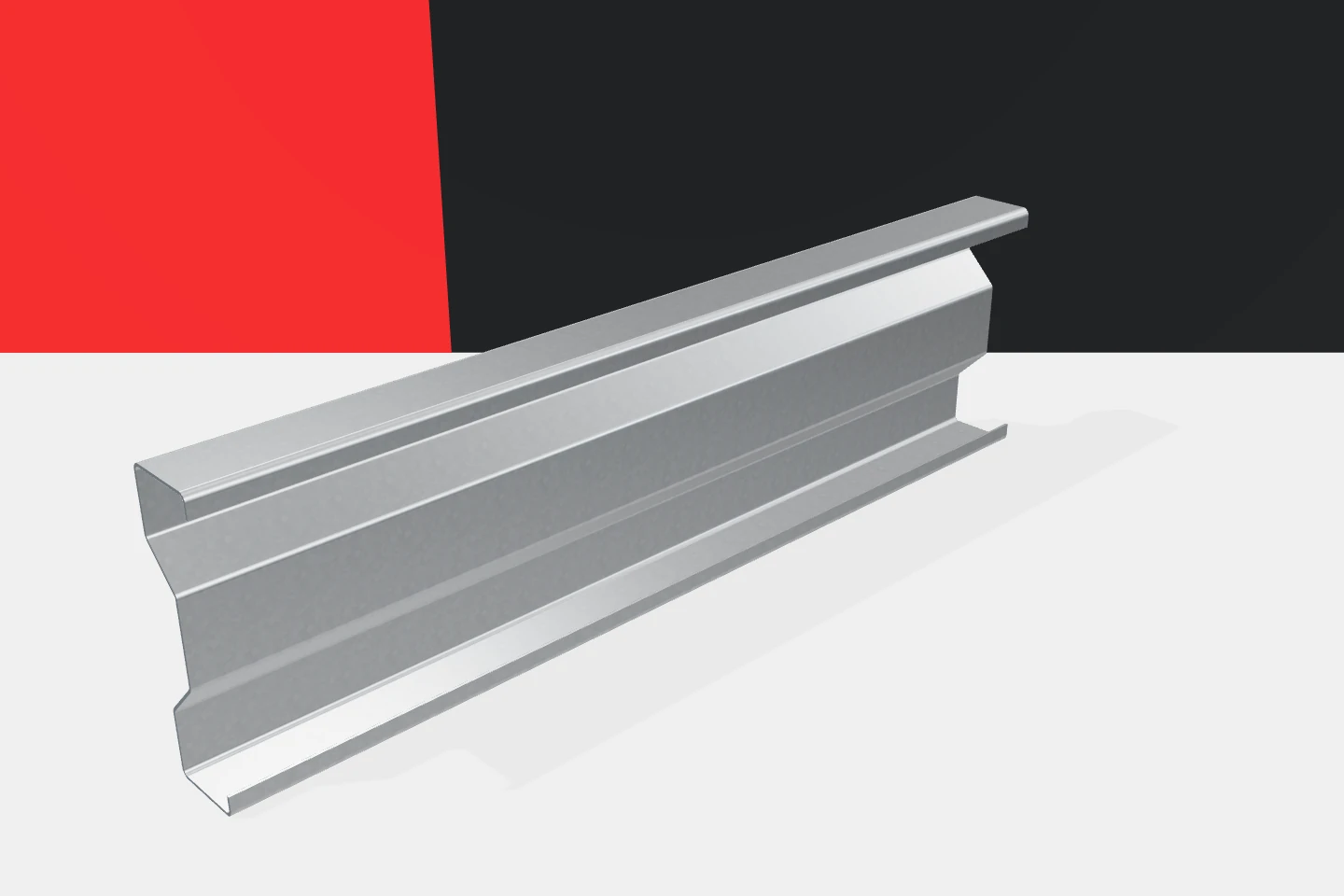
Sigma is a candidate for solving a defined task
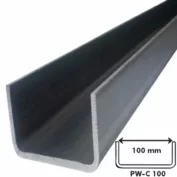
A well-prepared enquiry gives suppliers a common starting point. Variants may differ in geometry, but they must meet the same needs. Z-sections and C-sections are worth including where they suit the adopted scheme. Omegas, in turn, have different tasks in many substructures. The variety of cold-formed profiles allows a solution to be sought, not just the lowest rate in a single column.
Geometry can help use steel rationally
Web folds change the behaviour of the cross-section. This allows properties to be obtained that are useful in a specific arrangement. For the client, the result of the whole selection matters: mass, spacing and number of parts. There is no need to interpret every catalogue value yourself. It is worth requiring, however, that the variant has clearly defined parameters and a basis for application.
A lighter profile can reduce the delivery mass and make handling the material easier. It should not be assumed that such a benefit will occur in every comparison. If additional elements are needed, they must be added. Galvanised profiles are assessed together with connections and stabilisation. This shows whether the sigma geometry actually improves the balance for this project.
Stiffness should match the cladding
In a quote it is easy to focus on load-bearing capacity. Deformations are equally important. Excessive displacements can hinder the work of panels, flashings and other parts. A variant with a sigma profile should therefore meet the same serviceability requirements as the solution being compared. Otherwise, a lower price may result from a different criterion rather than from a better selection.
It is worth establishing the type of cladding before the final comparison. The support width and the method of fixing affect the detail. The requirements of a sandwich panel are not identical to those of any sheet metal. Cold-formed profiles form the substrate for a specific layer. A good structural solution should at the same time facilitate its correct installation.
Connections show the actual execution effort
A more complex cross-section requires the contact surface and holes to be matched. Support sheets, fasteners and tool access must be checked. A variant that is favourable in terms of material should not create unnecessarily difficult connections. It is worth asking for a clear example detail for a repetitive connection. This makes it easier to assess the contractor even before placing an order.
Factory-made openings can reduce work on site. They should be included in the quote to the same extent for the solutions being compared. C-sections, Z-sections and sigma sections do not always use identical accessories. It is therefore not enough to add a single common ‘bolts’ item. The complete cost covers the actual set of parts and the way they are assembled.

Design repeatability supports prefabrication
With many similar bays, well-prepared profiles can be produced in orderly series. Markings help assign them to the correct axes. This makes inspection and installation easier. If sigma meets the requirements, such organisation can be a practical advantage for it just as for other sections. The benefit comes from the quality of preparation of the entire order.
However, it is worth preserving the differences between edge and internal variants where the design provides for them. Excessive simplification of the list can increase weight or cause a mistake. Galvanised profiles should not be identified by height alone. A clear schedule reduces the risk that the right product is installed in the wrong place.
Durability is compared on the same basis
The variants should have protection appropriate to the shared environment. If one quote includes a different coating, this difference must be disclosed. A cheap sigma is not equivalent to a more expensive C-section merely because both are silver. The protection parameters and operating conditions should be clearly described. This also allows later inspection and maintenance needs to be assessed.
Protection during delivery and the scope of processing on site are also important. The more unplanned cuts, the more places requiring orderly handling. Cold-formed profiles are worth ordering in as ready-made a form as possible if the dimensions are certain. This does not eliminate inspection, but it makes it easier to keep the material consistent with the adopted assumptions.
The decision should be based on a brief comparison of variants
For each solution, weight, number of elements, accessories, processing, transport and installation can be compiled. Deadlines and technical conditions should be placed alongside. Such a picture makes it possible to recognise where the price difference comes from. The client does not have to assess an abstract advantage of one shape. They assess ready-made proposals for the execution of their building.
Sigma profiles are worth considering where they have confirmed application and a favourable balance. There is no need either to overrate them or to omit them out of habit. Z-sections, C-sections and omegas also have their place. The best choice of galvanised profiles results from matching function, detail and cost. A comparison conducted in this way makes it possible to use the real capabilities of cold-formed profiles.
7 branches. Materials closer to your project.