Maintenance and durability
Autumn roof checks before the first frost and snowfall
In autumn, first check whether water can drain freely from the roof slope and gutters, because a blockage or choked outlet may only become apparent with the first rainfall. Walk around the building and assess the covering, flashings and signs of damp on the façade below the gutter. Also look in the attic after rain to distinguish fresh moisture from old stains. On that basis, plan repairs before the frost, matched to the type of coating and the conditions recommended by the manufacturer.
Where should you start the inspection without going onto the roof?
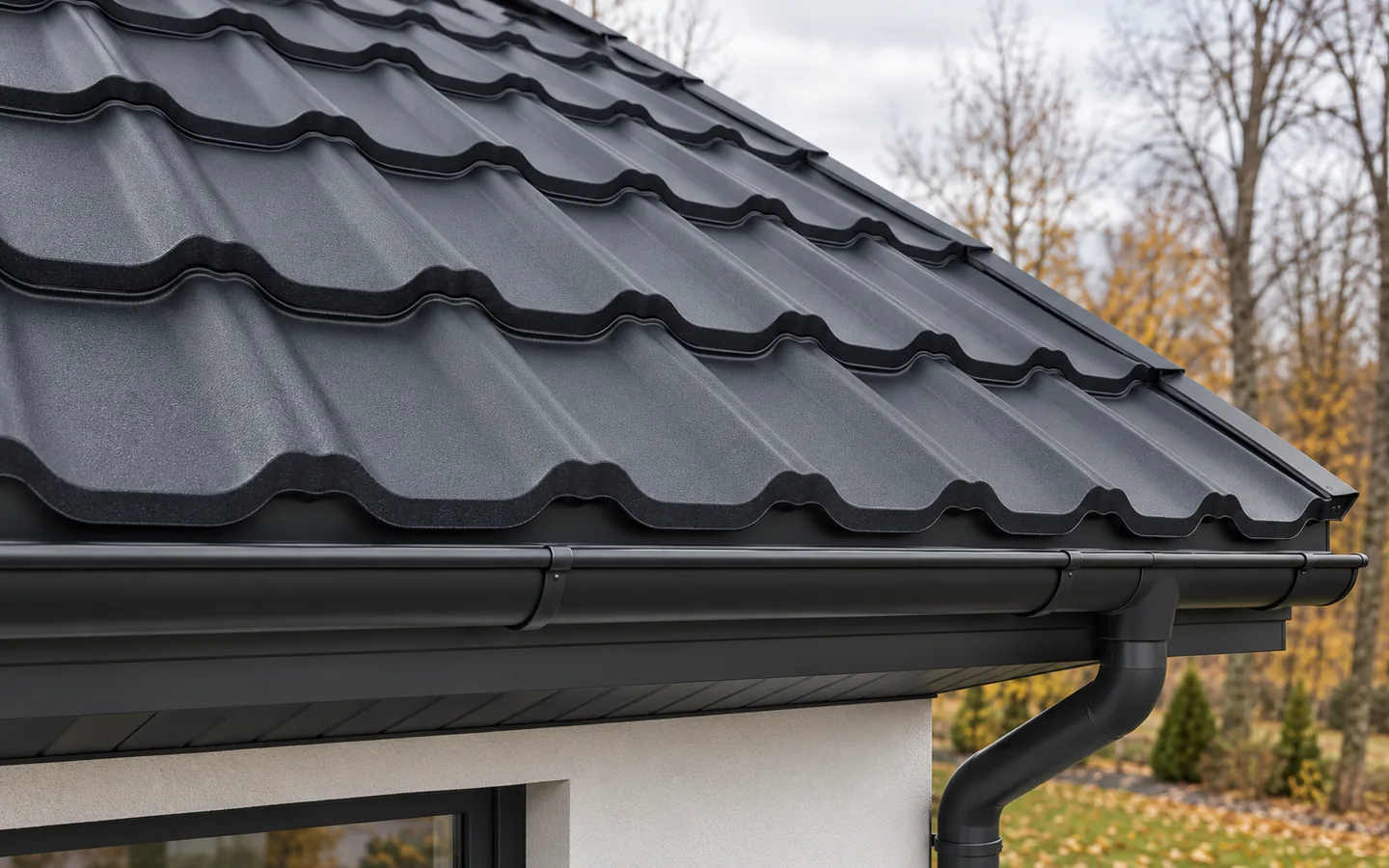
Walk around the building and look at the roof slope from several sides. Look for shifted sheets, raised edges and flashings that have come away from their line. Pay attention to traces of water on the façade below the gutter. Photos from earlier inspections make it easier to spot changes. Observation from below alone will not confirm the condition of all joints and seals.
Do not walk on wet sheet metal without preparation. In autumn, moisture, leaves and shorter days make the work more difficult. A close-up assessment requires suitable access and safeguards. If a loose element poses a risk to passers-by, access beneath it must be restricted and an intervention ordered. It is not worth trying to press down flashings from a randomly placed ladder.
How should you check the sheet metal surface and its edges?
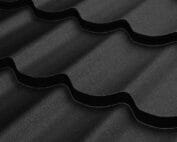
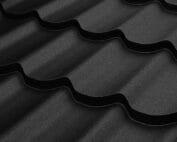
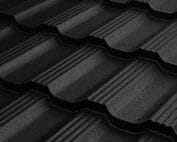
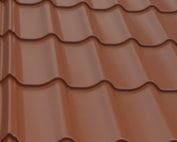
On T18, T35 and tile-effect metal roofing, inspect scratches, traces of corrosion and places where dirt accumulates. The areas around cuts and later installation work require particular attention. Leftover swarf can rust on the surface and form a stain. It must be established whether a foreign particle is corroding or the sheet’s own protection.
Cleaning and repairs are matched to the specific coating. Do not use a hard brush or an aggressive agent just because a stain is difficult to remove. Touch-up paint is not intended for arbitrary painting of large areas. Extensive changes require an assessment of the cause. The inspection is meant to stop the problem, not merely to hide its traces until the next rainfall.
Which flashings and penetrations should be checked most thoroughly?
It is worth inspecting the chimney, roof windows, vents and the places where the roof slope meets the wall. Temperature changes and material movement stress these connections throughout the year. Cracked sealant may be a sign of a problem, but reapplying it is not always a repair. The shape of the flashing, its fixing and the path of water runoff must be checked.
Also check the ridge, the barge flashings and the roof valleys. Leaves in the roof valley can restrict drainage and retain moisture. Removing dirt should not damage the tapes or the coating. If the roof slope has roof access or installations, the areas around the fixings should be inspected. An improperly sealed later penetration is often the cause of a leak, even though the covering itself remains in good condition.

Why should gutters be assessed together with the downpipes?
An empty gutter does not prove that the whole system is clear. Water can collect at the outlet, in the bend or at the entry to the underground installation. After removing leaves, the outlet and the condition of the connections must be checked. Damp marks on the façade help to locate the points of overflow. The inspection should also take into account the brackets, the fall and any deformation from earlier snow.
Do not direct a strong jet of water under the laps of the covering. The drainage test should be controlled and its course observed. A gutter with standing water requires the cause to be established. It may be a blockage, incorrect fall or sagging fixing. Freezing of such water can deepen the problem. Removing leaves alone does not repair the geometry of the drainage.
What can be noticed from the attic side?
After rainfall, inspect the accessible timber, the underside of the sheathing and the areas around penetrations. Distinguish fresh dampness from old stains. Photographs and information about when the moisture occurred are helpful. Not every wet mark means a leaking steel sheet. The cause may be condensation related to a lack of ventilation or an airtight layer on the side of the heated interior.
Check that the insulation does not block the designed gaps. Do not cover the ventilation inlets in the belief that this will retain heat. Energy losses are limited by continuous insulation and the airtightness of the correct layers. Ventilation under the covering has a different task. If moisture returns, a diagnosis of the assembly is needed, not the random addition of another membrane.
How to plan repairs before the weather worsens?
Make a list of defects with location and photographs. The most urgent are loose parts, active leaks and blocked drains. Repairs to the coating and seals require suitable temperature, a clean substrate and time for the material to cure. Not every task can be carried out reliably just before frost. If necessary, the contractor should propose safe temporary protection.
After repair, keep information about the products used and the scope of work. Set a date for the next inspection, particularly after strong wind or heavy snow. An autumn inspection is not a guarantee against failure, but it allows many minor defects to be detected while they are still easy to remedy. The greatest benefit comes from combining assessment of the covering, drainage and roof interior.
7 branches. Materials closer to your project.