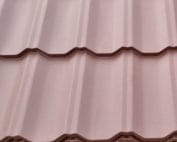
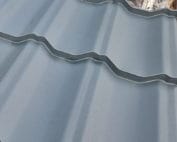
Installation and details
Five roofing mistakes to look for at handover
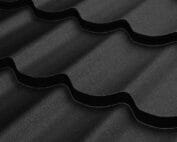
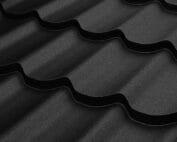
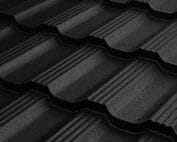
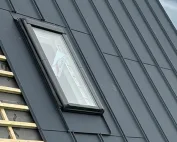
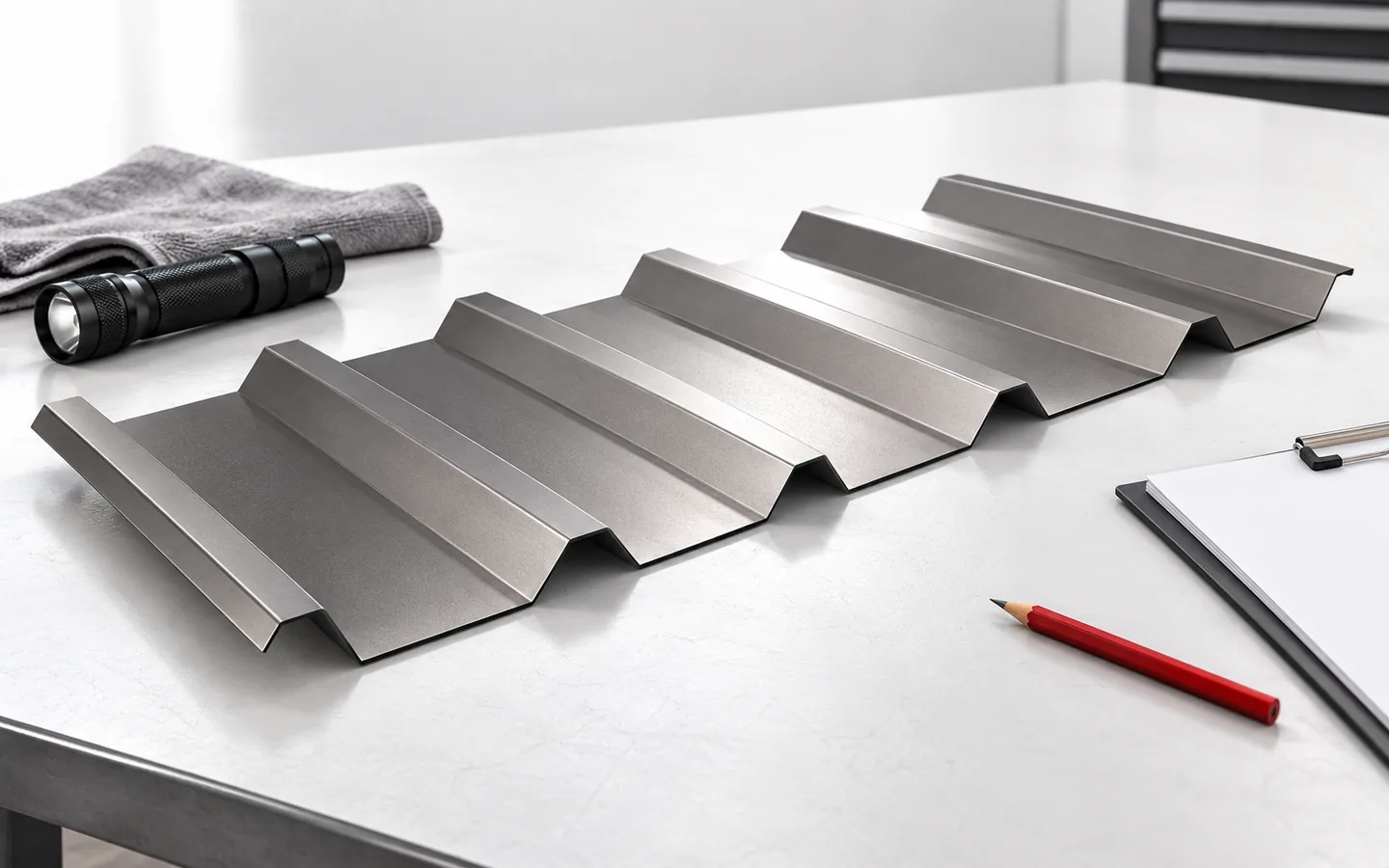
The key is to check the entire roof system, not just the appearance of the finished surface. Before acceptance, verify the material selection, the layers beneath the covering, the fixings and the flashings before they are concealed. For T18 and T35 sheet and metal roofing tiles, assess how the coating is handled and whether the covering matches the pitch, supports and loads. The profile designation alone does not determine load capacity – the geometry, steel thickness and support scheme matter. Acceptance should cover detail documentation, leaving design decisions to the designer.
Mistake one. Material chosen without checking the roof
The covering must match the pitch, supports and loads. The designation T18 or T35 alone is not enough to determine load-bearing capacity. What counts is the geometry of the specific profile, the steel thickness and the support pattern. Likewise, tile-effect metal roofing has its own installation requirements. Using it on too shallow a roof slope does not become correct by adding a random amount of sealant.
The mistake often starts when comparing quotes. A cheaper product may have a different cover width, thickness or conditions of use. If the contractor changes the material, they should indicate the consequences for the substrate and fixings. Changing the name in the order without checking the details can leave mismatched battens, flashings and cutting layout.
Before delivery, it is worth having a single schedule of the selected variant and its instructions. Checking the labels and the thickness declared in the documentation is much easier than later clarifying which sheet actually ended up on the roof.
Mistake two. Interrupted protection against water and moisture
The membrane, the airtight layer from the interior and ventilation serve different functions. One cannot replace another. The substrate under the covering is to drain water that appears under the metal sheet. The layer on the room side limits uncontrolled inflow of humid air. The ventilation gap allows drying where the design provides for it.
Problems arise at interrupted laps, poorly bonded penetrations and where the membrane is led out onto wood instead of to a drain. Equally dangerous is blocking the inlet at the eaves or the outlet at the ridge. Insulation pushed into the air channel can block the functioning of a correctly installed covering. The result is sometimes dampness visible only after winter.
These elements are best accepted in stages. Photos before covering should show the eaves, ridge, roof valleys and connections at windows. Merely ensuring that there is a foil under the metal sheet does not describe the quality of the installed system.

Mistake three. Incorrect fasteners and damaged coating
The screw is selected for the substrate, the thickness of the fastened elements and the environmental conditions. A fastener for joining two sheets does not necessarily have to be suitable for fixing them to the structure. The arrangement should take into account the roof zones. Accidental densification in one place does not compensate for insufficient fixing in an exposed corner.
Over-tightening can damage the seal and deform the metal sheet. Too little does not provide proper contact pressure. Drilling swarf must be removed immediately. Tools that overheat the cut edge can destroy the metal protection. Sparks scattered on the roof surface cause minor damage that later looks like random points of corrosion.
At handover, the type and condition of the fixings are checked, not just their number. Repair of damaged coating should follow the product recommendations. Smearing every spot with a thick layer of paint is not a universal method of protection.
Mistake four. Flashing matched only by appearance
The roof valley, chimney and eaves require controlled water flow. The flashing must have the correct shape, overlap and method of fixing. A roof valley that is too narrow blocks easily, and a screw in its base creates a potential leakage path. At the chimney, the different movement of the masonry and the roof must be taken into account. A surface sealant will not replace a correct connection.
A similar problem applies to service penetrations and brackets. The seal should work with the specific profile. Fixing equipment must not load the thin sheet metal in a way that was not anticipated. A neat, even flashing may be ineffective if its lower edge directs water under the adjacent element.
Before completing the work, it is worth tracing the path of water from the highest point down to the gutter. At every joint, the upper layer should pass water onto the correct surface below. This is a simple inspection principle that helps to spot many detail errors.
Fifth mistake. No control of delivery and stage-by-stage acceptance
The roof can be damaged even before installation. Damp packages, bent sheets and protective film left on for too long increase the risk of later problems. The material must be stored according to the instructions and checked after delivery. Distinguishing a product defect from damage during unloading is easier if the condition of the batch was documented immediately.
After completing the work, the patency of the drainage, the removal of waste and the completeness of the accessories should be checked. It is worth establishing the scope of inspections and safe access. The documentation should indicate the materials used, the coating and the maintenance rules. The lack of this information makes repair difficult even when the problem concerns a small detail.
A good handover is not about finding someone to blame after the first leak. It should close the successive stages in a way that can be verified. A few checks during installation often avoid the costly removal of a new covering.
7 branches. Materials closer to your project.