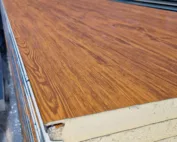
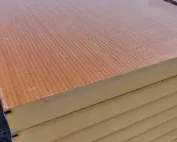
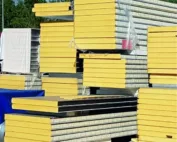
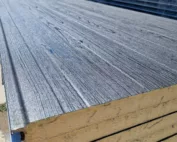
PIR insulation
Roof renovation and extra insulation: separating the costs of two options
When a roof needs renovation, the total project cost and the premium for improved thermal performance describe different decisions. Repairing the covering, preparing the structure and accessing the roof may be necessary in both options. Assessing additional insulation therefore requires complete, technically acceptable alternatives with clearly defined scopes. Only then can the difference in investment be compared with the difference in running costs. This guide explains how to organise two estimates and questions for the contractor and designer. It helps distinguish shared work from work caused by a particular insulation build-up. It does not assign a universal payback to PIR, mineral wool or any other material; the outcome depends on the proposed solutions and the building data.
Define the reference option
Both options should describe solutions that can actually be built on the same property.
Agree the reference solution with the designer using the roof condition and necessary work. Do not base the comparison on leaving defects unresolved or omitting requirements applicable to the renovation. Identify its layers, details and intended use so that every estimate relates to a defined construction.
Arrange estimates in matching columns
Describe the second proposal equally precisely, including components affected by the different insulation build-up. A thicker or more expensive board alone does not define a complete alternative. The differences should appear in the section and work schedule, not just in the quotation title.
Use consistent units and quantities for items with the same scope. Show removal, preparation, access, materials and installation separately. Label blanks as unpriced or not required, with a reason, so that a missing amount is not mistaken for a saving.
Separate work driven by the insulation choice
Shared items remain in the total budget even when they cancel out in the difference between options. Do not deduct them again from the amount payable. Show both the full cost of each solution and the cost of moving from one to the other.
A changed insulation build-up may also affect eaves, roof-window junctions, flashings and fixings. Include those differences where the design requires them. Do not assume either cost-free alterations or automatic savings at every detail when a thinner insulation layer is selected.
Compare the corresponding running-cost difference
Separate uncertain repairs discovered after opening the roof from priced items. If the same risk affects both options, record it in both. Agree how additional work will be priced before comparing totals; otherwise one quotation may simply conceal more unresolved work.
When assessing the premium for the second option, use its running-cost savings relative to the first option. Do not insert the entire improvement over the old damaged roof if the reference renovation already delivers part of that benefit. Costs and savings must describe the same comparison.
Look beyond a simple payback figure
Request the energy assessment assumptions, including building use, heating system and prices used to convert energy into expenditure. Do not subtract results produced under different conditions without reconciling them. A precise-looking difference cannot correct incompatible inputs.
Dividing additional investment by a constant annual saving gives only a simplified payback for that extra investment. This calculation requires a positive extra cost, positive savings and explicit assumptions. The figure does not itself include changing prices, financing costs or future repairs, and should not be the sole basis for choosing between solutions.
Complete the decision with a full project budget
Before deciding, check the funds needed for the entire renovation and the payment schedule. A small difference between options does not mean a small total outlay. Separate project cost from financing arrangements so that a smaller initial payment is not confused with a lower construction price.
Keep both complete versions with their dates and the reasons for selection. If the design changes, revise affected items and the relevant operating assumptions. This records what the extra expenditure purchased and the expected benefit without attributing the entire renovation solely to insulation boards.
7 branches. Materials closer to your project.