Flashings
Matt, gloss or metallic – choosing a finish for flashings
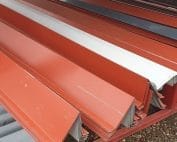
The colour of the flashing is not the only feature visible on the building. Gloss, texture and the way light is reflected also matter a great deal. The same shade can look different on a ridge cap, a verge flashing and a vertical façade trim. It is therefore worth choosing the entire finish on the basis of samples. At the same time, the technical parameters of the coating must be checked. The choice of surface should combine the intended appearance with the conditions of use. A screen does not reliably show the gloss and structure of the real material. The shade also depends on the display settings and the lighting of the photo. A sample allows the flashing to be compared with the roofing, joinery and façade. It is best to view them together in conditions close to those at the place of use.
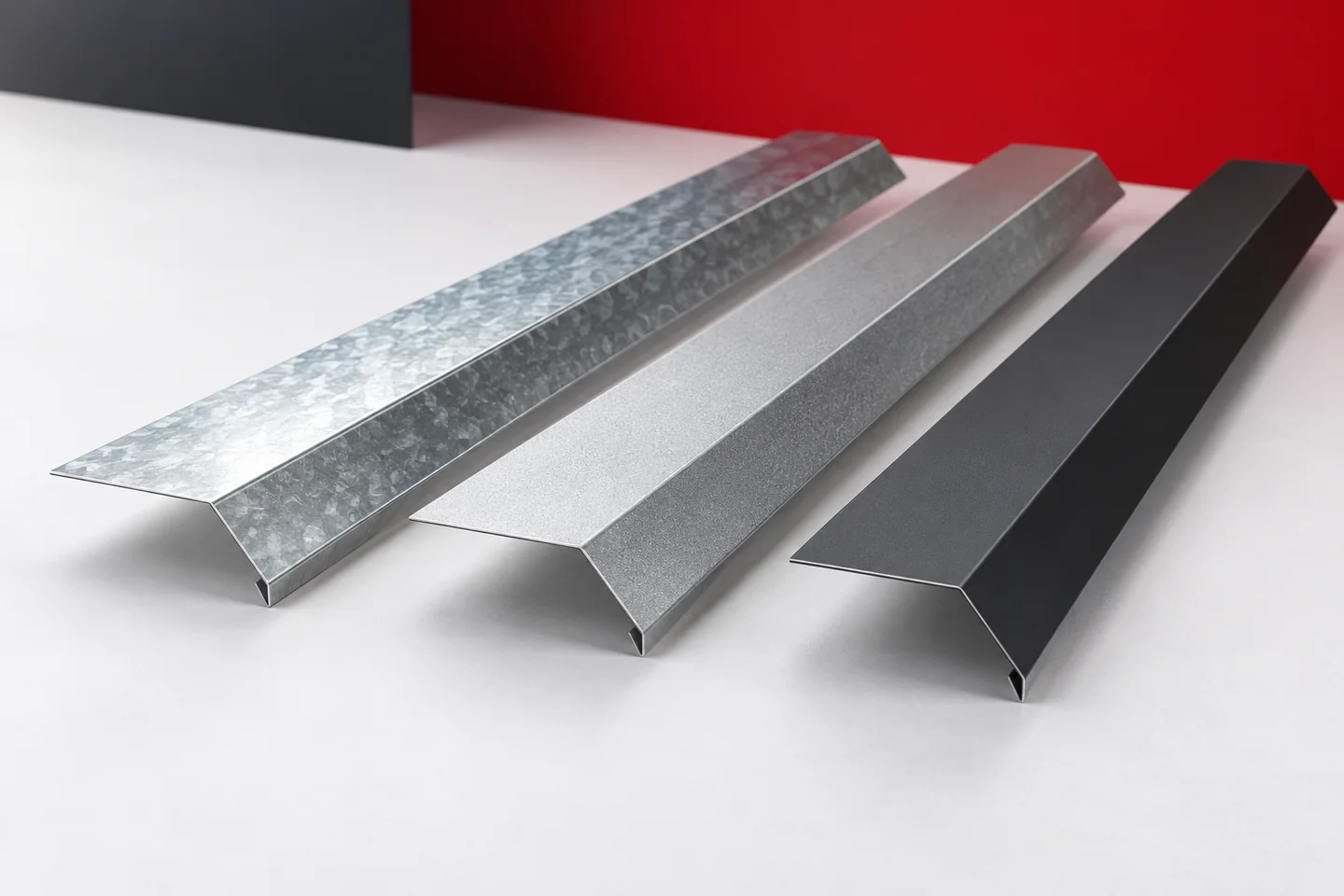
Why a sample can be more important than a screen
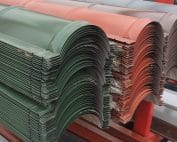
It is worth changing the viewing angle of the samples. A vertical surface may reflect its surroundings differently from a roof slope. A small difference in perceived colour therefore does not always mean a different colour code. Ridge caps and verge flashings should also be assessed taking into account their geometry and position on the building.
Matte is not a single type of coating
Matt surfaces may differ in texture and degree of light diffusion. Not every sheet described as matt will look the same. In the specification it is worth stating the specific type of finish rather than limiting it to a colour number. This makes it easier to maintain consistency across the whole order.
Matt alone does not determine full resistance to corrosion or damage. Data on the coating system and application recommendations are needed. Coated sheets must be selected for the actual conditions. An aesthetic surface name does not replace information about the protective layers on the steel core.
Gloss on narrow and wide details
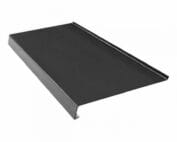
A smooth glossy surface may reflect light and its surroundings more clearly. On a narrow strip it produces a different effect than on a wide parapet cap. It is worth checking whether a large flat area will suit the intended composition. The evenness of the support and the care taken in installation also matter.
Unevenness should not be assessed solely from a single photograph in harsh light. Their actual character must be identified. At the same time, it is not worth counting on a change of colour to hide a geometry error. Non-standard flashings require the correct cross-section regardless of the chosen gloss level.
Metallic finish
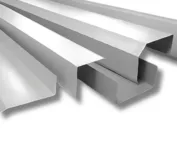
Galvanised steel sheets have a steel core protected by zinc. Aluzinc sheets are also steel, but use a different metallic coating. Their appearance may suit simple industrial or technical buildings. However, they should not be equated with each other or with aluminium sheet.
For a visible metallic surface, it is worth approving a material sample. Expectations regarding uniformity should correspond to the product documentation. Selection also includes environmental conditions and adjacent materials. A similar silver colour does not mean identical behaviour of every metal in combination.

Consistency between the roof slope and the façade
Gutter aprons and verge flashings form the boundaries of the roof. Starter profiles and flashings at openings organise the façade. A common palette can be maintained or these zones deliberately separated. However, it is worth establishing a rule before ordering so that individual parts are not selected at random.
Chimney flashings often visually connect with the roofing, but they can also reference its cladding. Ridge caps close the highest line of the roof. When assessing the whole, it is good to consider the proportions of visible surfaces. A small detail with strong contrast can attract more attention than a wide strip of similar colour.
Repeat orders and parts after years
New flashing may look different from material that has been in use for a long time. Ageing, soiling and differences between batches matter. The colour number alone does not guarantee an invisible repair. Before replacing a single section, it is worth comparing an actual sample with the existing surface.
Sometimes it is reasonable to set the replacement boundary at a natural division of the detail. Such a decision should result from inspection, not from an automatic recommendation to replace everything. In the purchasing documentation, it is worth keeping a description of the coating and the invoice. This makes it easier to recreate the intended finish later.
Appearance is maintained through correct execution
The coating must be protected during transport, cutting and installation. Swarf and contamination must be removed in accordance with material recommendations. Protective film is temporary protection. The deadline for its removal results from the documentation, not from the belief that leaving it longer will better protect the colour.
Before acceptance, both the surface and the conformity of cross-sections are checked. A scratch and a deformation require different assessment. Coloured flashings, galvanised and aluzinc should form a set consciously matched to the building. The right material and careful detailing help maintain a consistent appearance of the entire flashing set.
Questions and answers
Does the same colour code ensure an identical appearance of flashings?
Not always. Gloss, texture, material, batch and lighting conditions also matter. It is worth comparing samples of the actual surfaces.
Is matt steel sheet by definition more durable than glossy?
This cannot be determined on the basis of gloss alone. Durability depends on the entire coating system, the conditions of use and how the detail is executed.
7 branches. Materials closer to your project.