
Knowledge base
Izoprofil.com helps you compare materials for a specific building project. The guides cover the uses of sandwich panels, PIR insulation boards, metal roof tiles and trapezoidal sheets. The criteria depend on the application, including the supporting structure, thermal performance and requirements for the finished surface. Read the product specifications, identify which dimensions affect the order and compare complete solutions. The articles help you discuss the options with a designer or installer and check the suitability of the selected materials before purchase.
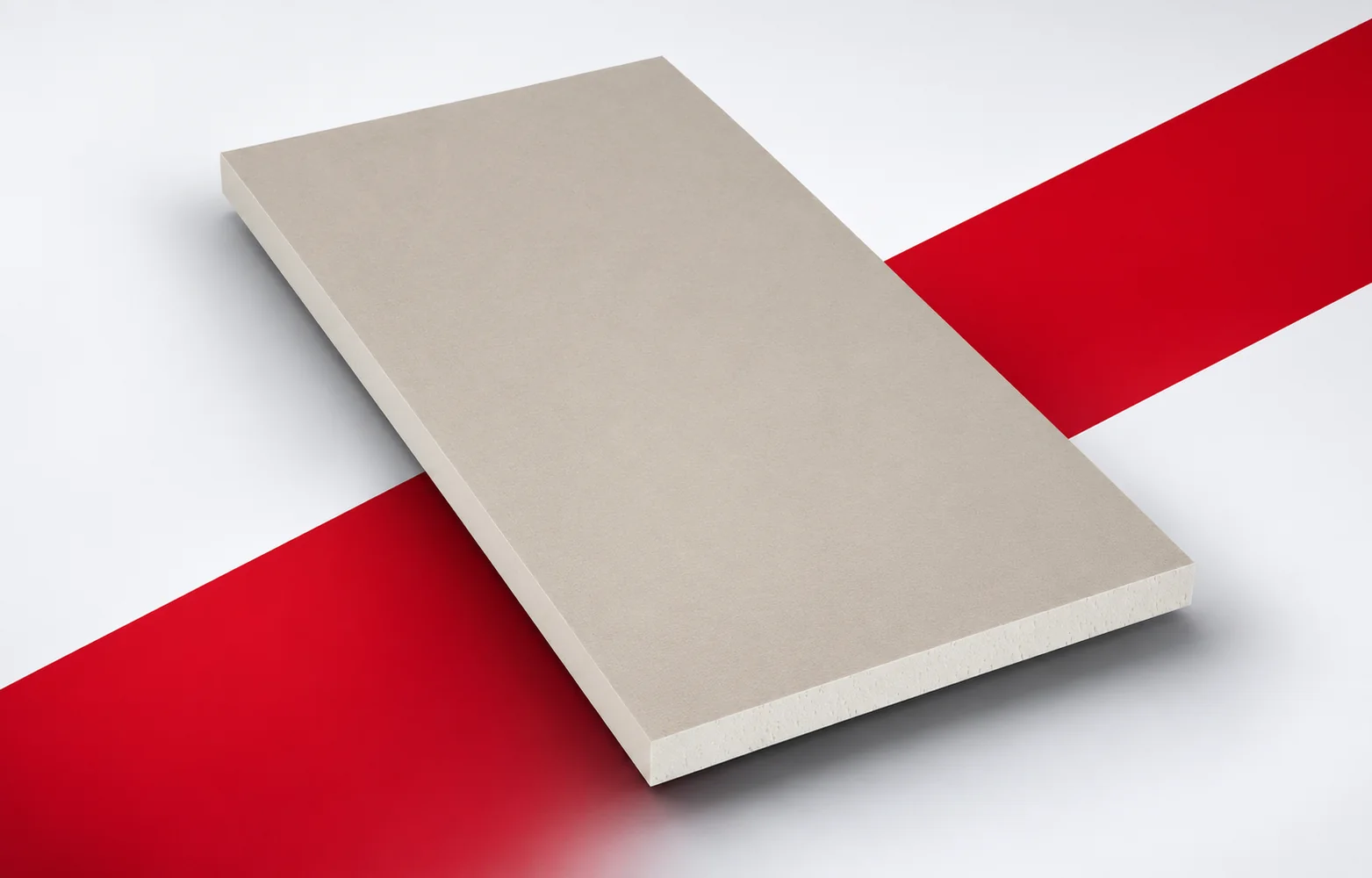
Buying Recticel Powerdeck F. How do you calculate the cost of the bonded variant?
With Powerdeck F, it is worth pricing the material and the joint execution separately. Adhesive consumption, substrate preparation and roofing details all affect the cost. A quote based only on the board area does not show the full difference between the bonded system and another fixing variant. Recticel Powerdeck F has a PIR core faced on both sides with mineralised glass fleece. The product is intended for flat roofs with a suitably selected covering. When enquiring about PIR boards, describe the mineralised glass fleece of Powerdeck F as the surface that works with the covering. The Powerdeck F facing must be matched to the materials it comes into contact with in the adopted roof build-up.
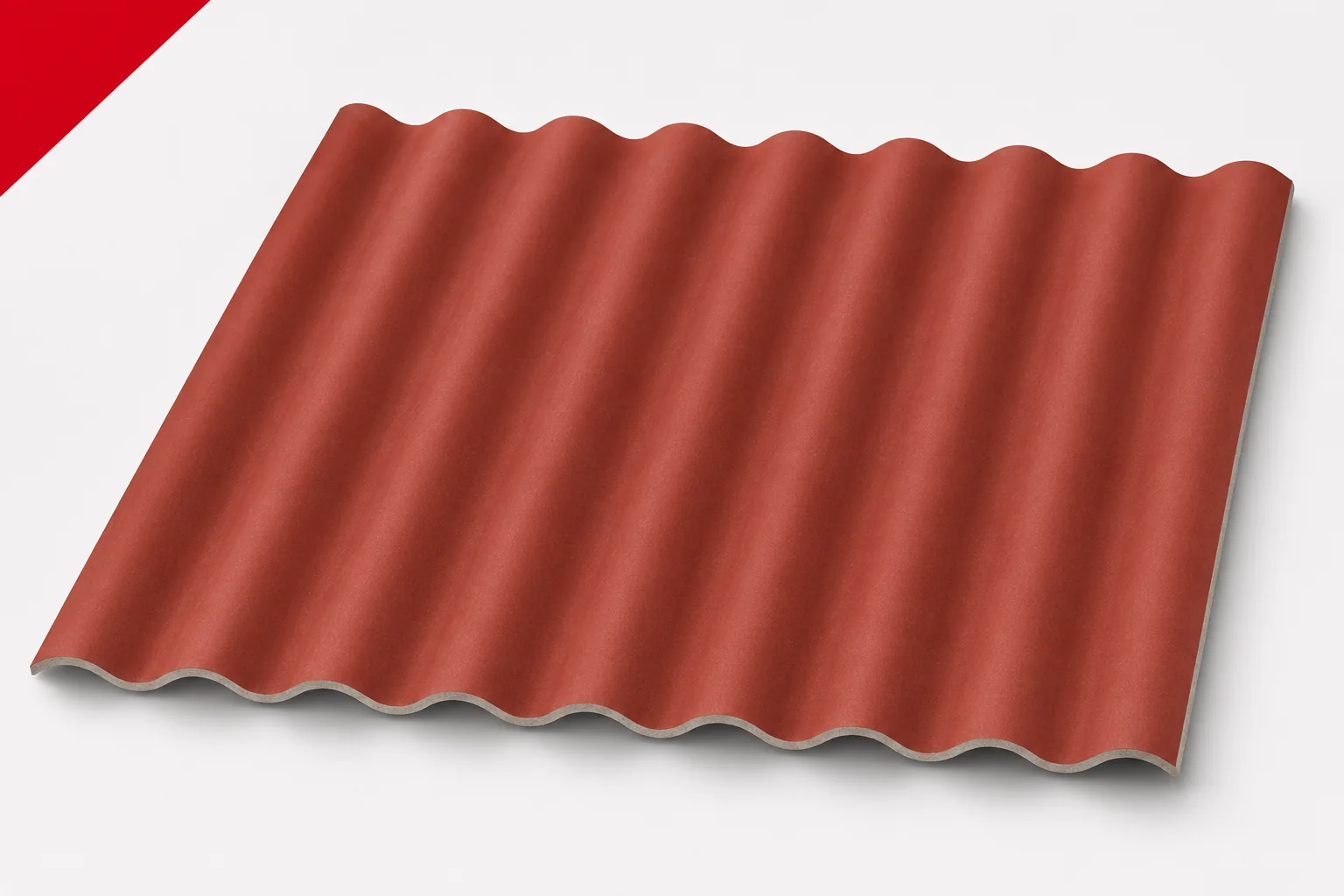
Corrugated fibre cement roofs and façades: achieving a coherent design through detailing
Repeating the corrugated material on the roof and the wall can bring order to the building form. Corrugated fibre cement sheets allow this effect if the given product has the appropriate intended use. Asbestos-free fibre cement does not, however, mean identical installation on both surfaces. Visual consistency must be combined with different water paths, support and ventilation. The roof drains precipitation over a sloping surface, while the façade shields the wall from external conditions. In a ventilated system there is a designed cavity behind the cladding. Both parts may look similar, yet need not use identical laps and fixings. Before deciding, the application of the specific sheet must be confirmed. The documentation should cover the planned method of use.
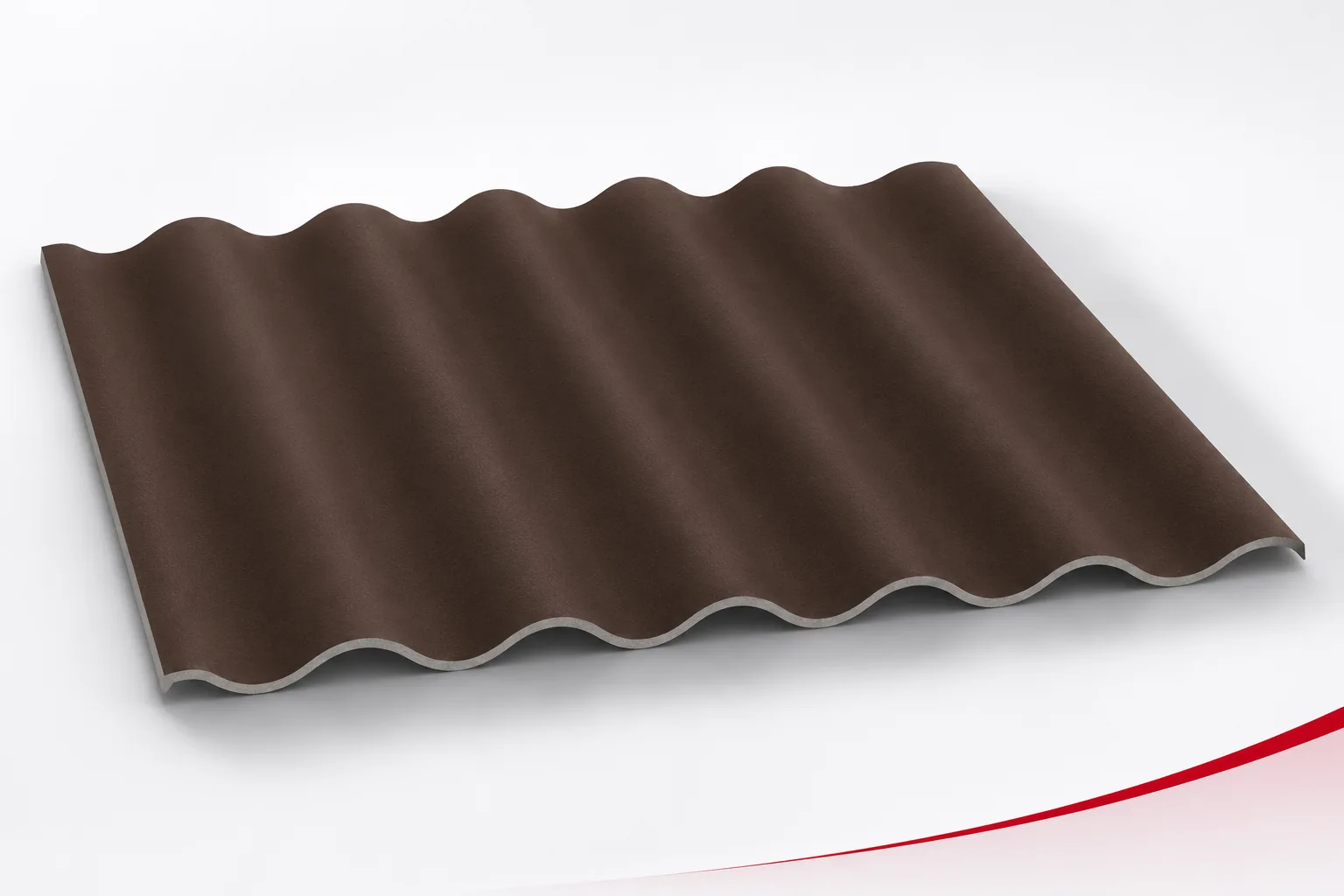
Corrugated fibre cement sheets on a ventilated façade. What does vertical installation change?
Corrugated cladding can give a façade a clear rhythm. However, fibre cement sheets used on a wall require a system intended for that purpose. Asbestos-free fibre cement on a roof and on a façade performs a similar protective function, but works in a different arrangement. Vertical installation must be assessed from the substructure through to the detail at the plinth. Not every sheet of the same material has the same application. The documentation must be checked to see whether the selected profile can form the planned cladding. A flat sheet, a corrugated roof sheet and another façade panel are not automatically interchangeable. They differ in geometry and installation requirements. If the manufacturer permits use on a wall, the correct instructions for that solution are needed.
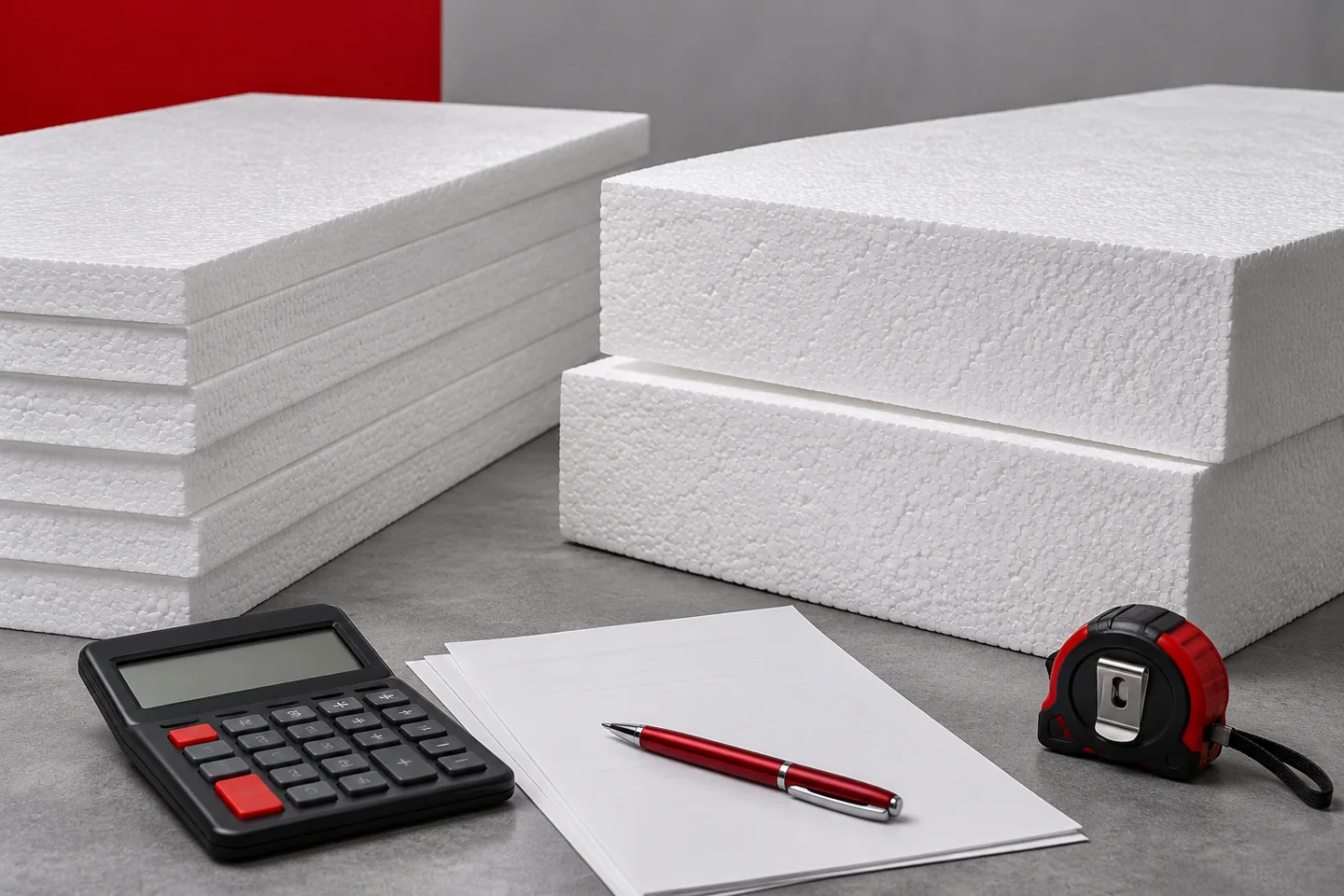
Comparing EPS prices per pack, square metre and cubic metre
The price of a pack of polystyrene is not enough to compare offers. Packs can have a different volume, board thickness and covering area. First bring the prices to a common unit. Then check the parameters and the delivery cost. A cheaper cubic metre does not have to mean a lower cost of insulation that will meet the project requirements. The cubic metre makes it easier to compare the volume of material. The square metre shows the cost of covering an area at a given thickness. The pack is the purchase unit, but its size depends on the product. Each of these units is useful, provided it is clear what exactly the stated price covers. For two boards of the same thickness, the cost per square metre can be compared.