Maintenance and durability
How to trace a roof leak and plan the repair
First limit damage inside and ensure safety, then determine whether the water comes from precipitation or condensation. Check whether the leak appears only with rain from a particular direction, during thaw or at low temperature – this helps narrow the search. The damp patch need not lie beneath the damaged covering, as water can travel through roof layers. The inspection should cover flashings, penetrations, laps, fixings and drainage, rather than random application of sealant.
What to do immediately after noticing water?
Move items at risk of flooding and protect the interior in an accessible, safe way. If water reaches the electrical installation, do not touch wet appliances or cables. The power should be disconnected from a safe location. If in doubt, help from a suitably qualified person is needed.
Take photos and note when the stain appeared. It is important whether it was accompanied by rain, wind, thaw or low temperature. Do not go onto a wet roof during rainfall to look for the fault. Temporary protection of the roof slope requires a prepared team and proper protection. The situation must first be brought under control without creating another hazard.
Is it definitely a leak in the covering?
Water inside can also come from vapour condensation. Condensate forms on cool roof components, especially with high humidity and defective sealing of the layers. In such a case, applying more sealant on the outside will not solve the problem. An assessment of ventilation, insulation and connections from the inside is needed.
A stain that appears only during rain from a specific direction may indicate a detail susceptible to wind-driven rain. Water during a thaw may be related to ponding or icing. These observations help narrow down the search. However, they do not constitute a diagnosis on their own. Sometimes several causes act simultaneously.
Why can a stain on the ceiling be misleading?
Water can run along the underside of a sheet, the membrane or a timber roof truss component. Only elsewhere does it fall onto the insulation or lining. Therefore, a point on the ceiling does not automatically mark the place to repair on the roof. It is worth inspecting the accessible parts of the loft and looking for the direction of moisture, without unnecessarily dismantling the entire building element.
The inspection should also include components located higher up on the roof slope. A leaking chimney can produce a symptom closer to the eaves. A damaged underlay, on the other hand, can cause a small amount of water to reach the interior. Photos from the construction stage are helpful here. They show connections that are not visible after the loft has been finished.

Which places are checked first?
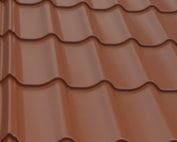
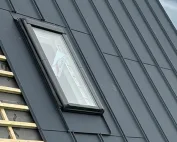
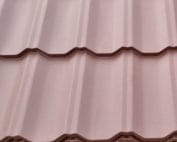
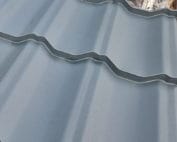
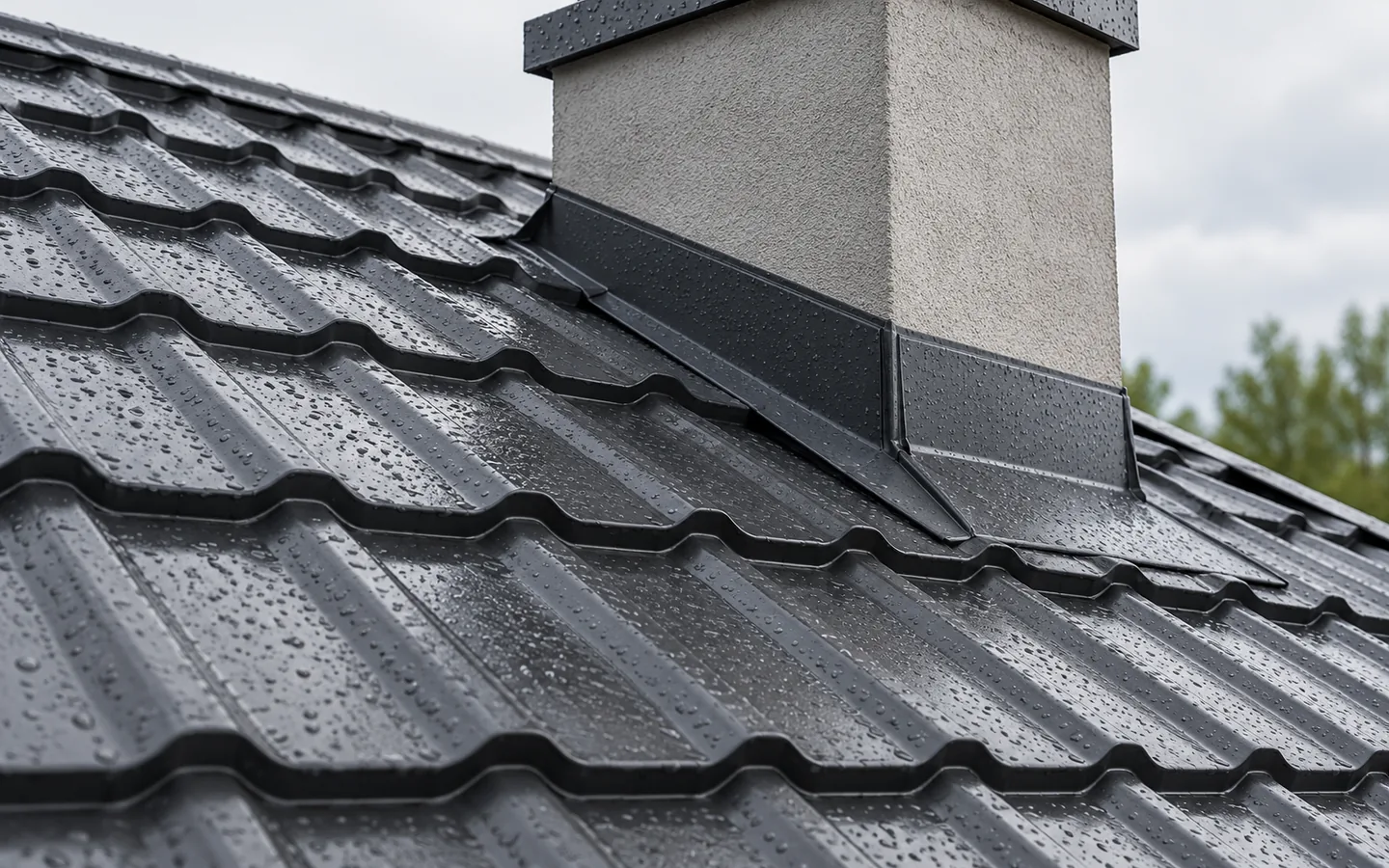
Typical inspection points are chimneys, windows, service penetrations, roof valleys and connections to walls. Sheet overlaps and screws with sealing washers should also be checked. In trapezoidal steel sheet, the profile layout and the sealing of connections specified for the given pitch are important. In modular tile-effect metal roofing, the correct engagement of the locks must be assessed.
Gutters and downpipes must not be overlooked. A blockage can raise the water level at the eaves and direct it where it is not wanted. In concealed systems, the patency of emergency overflows and service access are important. Checking drainage is often simpler than replacing the covering, but it requires checking the entire water path through to the point of discharge.
What does a durable repair look like?
First, the cause and extent of the dampness must be determined. The repair may involve correcting the flashing, replacing a connector, restoring a joint or replacing a damaged sheet. Materials must be compatible with the covering. A universal product advertised as waterproof does not necessarily suit every coating and every moving joint.
After the water ingress has been eliminated, the wet layers must be assessed. Some materials require drying, while others require replacement after loss of properties or damage. Trapping moisture under a new covering can perpetuate the problem. A check should also be carried out after subsequent rainfall. A single absence of leakage on a dry day does not confirm the effectiveness of the repair.
How can the risk of the leak returning be reduced?
Regularly check the patency of the drainage and the condition of areas particularly exposed to water. After installation work on the roof, check new penetrations and any left-over swarf. Do not allow subsequent teams to mount equipment without agreeing the sealing method. An additional hole in the sheet metal is a new detail requiring correct execution.
Keep a description of the repair and photographs. This way, if the problem recurs, it will be known what has already been checked. In the contract with the contractor, it is worth specifying the scope of the diagnosis and the works, rather than ordering just “roof sealing”. An identified cause offers a chance of a lasting result. Covering successive spots with random compound often only makes the next inspection more difficult.
If a leak appears in a new roof, notify the contractor before other parties intervene. Documenting the defect and agreeing the repair method facilitate later settlement of the works. This does not release you from taking safe measures to limit further damage.
7 branches. Materials closer to your project.