Sandwich panels
How to assess laminate cladding for a building exposed to ammonia?
In a livestock building, the durability of the enclosure depends on the entire system of surfaces, joints and fixings. Glass laminate may be considered as cladding for a demanding interior, but the term “ammonia-resistant” alone is too general for design. The service conditions and the confirmed scope of application of the specific panel are needed. Gather data on temperature, humidity, ventilation and the compounds present in the room. Not only typical conditions matter, but also cleaning periods and changes between use cycles. The surface may come into contact with condensate and preparations other than those resulting from the presence of animals alone.
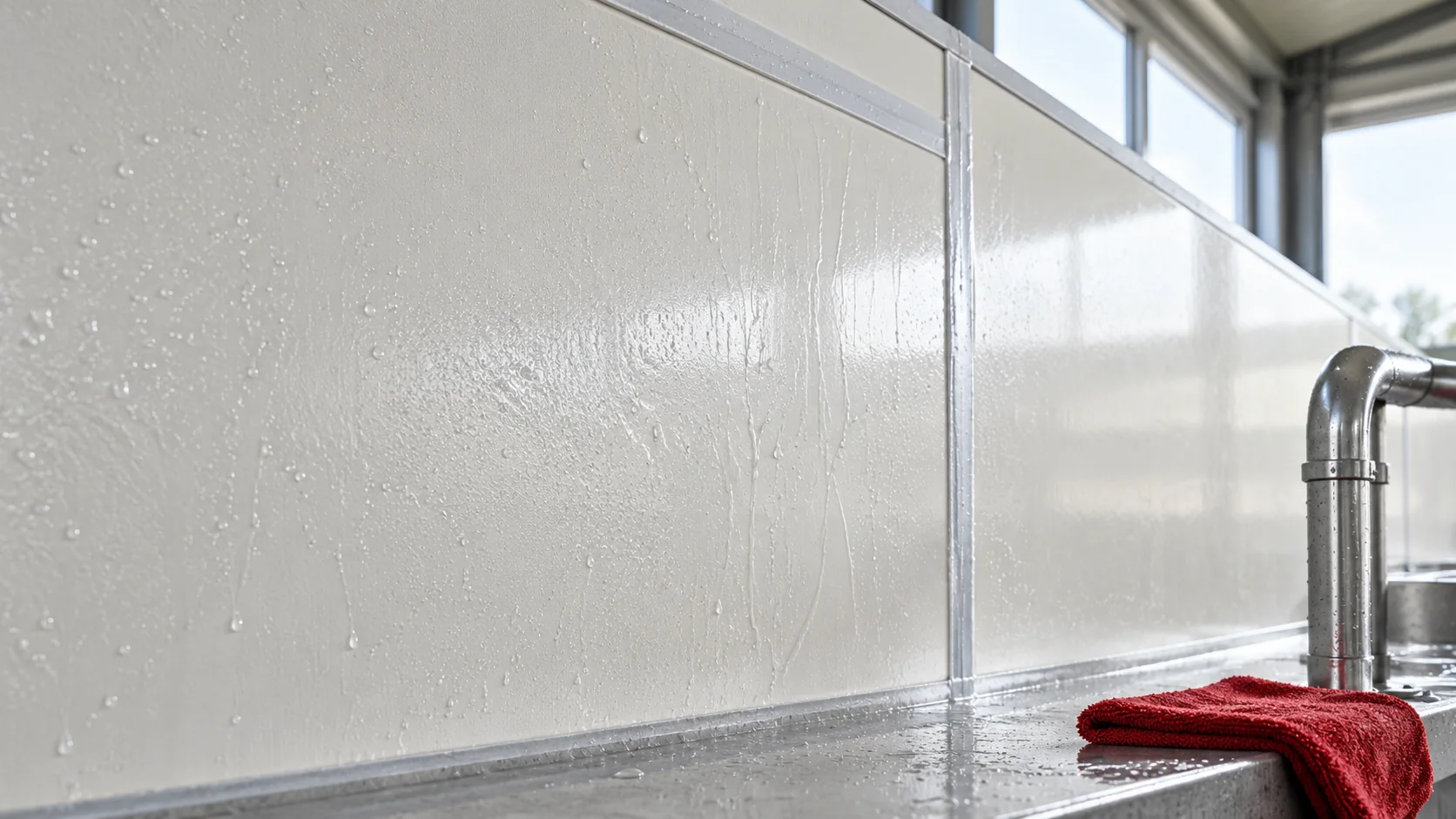
Describe the environment before comparing materials
Note where the risk is greatest: under the ceiling, near the floor, next to equipment or in the washing area. Such a description allows you to ask about the suitability of a specific cladding. Do not assume identical exposure throughout the building. Requirements may also change after extension or a change in the way animals are kept.
Determine what the laminate actually protects
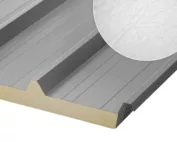
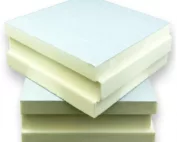
In the described panels, the laminate is usually a glass-fibre-reinforced polyester resin. It forms the surface on the interior side, while the core may be PIR. This is a different construction from a mineral wool panel and from a panel with two steel sheets. Each requires data specific to its cross-section.
Both flat insulation boards with laminate and roof panels with steel on the outside are available. The type of product cannot be omitted from the order. A suitable chemical surface does not yet guarantee the required span. Support and fixing must be checked independently of the resistance of the cladding itself.
Do not turn resistance into an unlimited promise
Confirmation of suitability should refer to conditions similar to the intended use. Resistance to ammonia does not mean resistance to any disinfectant, its concentration and temperature. Also, a laboratory test result is not automatically a number of years of durability in every building.
A full description of the environment and the cleaning method is needed for agreement. If a change of preparation is planned, it is worth checking compliance again. Such an approach is more useful than comparing the terms ‘agro’ and ‘reinforced’ alone. The name of the application group does not replace the limitations of a specific solution.
Design cleaning without weak points
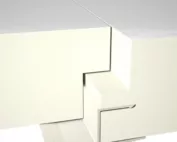
Even if the cladding permits pressure washing, the operating parameters must fall within specified conditions. Pressure, distance, spray angle, temperature and the chemicals used all matter. Joints are treated with particular care. A spray directed into a gap may act differently than on the centre of a smooth field.
In new construction, it is worth limiting horizontal ledges and pockets where dirty water remains. Pipe, column and door perimeters should have easy-to-clean solutions. The exposed core must not remain an accidental panel end. The detail should protect the insulation, allow cleaning and maintain the required tightness.

Also select fixings and metal components
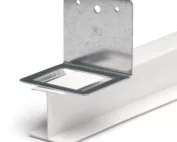
Laminate does not make the entire building metal-free. The structure, screws, flashings, fixings and equipment remain. Each of these elements requires protection suited to the environment. It should not be assumed that the cladding will protect a fastener protruding directly into a damp interior.
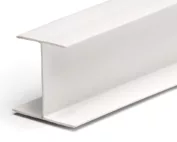
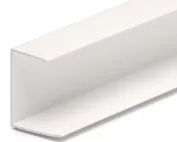
Junctions between different materials and locations where condensate may accumulate require particular attention. The sealant must be compatible with the surface and the operating conditions. Equipment should have planned support points. Repeatedly adding fixings after construction is complete increases the number of penetrations and locations requiring durable protection.
Link durability to ventilation and roof design
The cladding is one element of protection. Effective ventilation and condensation control help maintain the conditions assumed during selection. Insulation thickness affects surface temperatures but does not remove the source of moisture. Ventilation penetrations must be arranged so that they do not compromise the structure and do not create clusters that are difficult to seal.
Before purchase, compare complete variants: panel type, both facings, chemical conditions, cleaning method, details and fire requirements. Do not transfer the classification of a steel panel to a different system with laminate. Only conformity of these elements allows assessment of whether the solution suits the new building and the intended operating technology.
Questions and answers
Is laminate resistant to all cleaning agents?
This should not be assumed. Compatibility with the specific preparation, concentration, temperature and method of use must be confirmed.
Can any screws be used with laminate?
No. Fasteners must meet structural and environmental requirements and be suitable for the specific panel and substrate system.
7 branches. Materials closer to your project.