Roofs and roofing
How can roof-renovation quotations with different scopes be compared?
Roof-renovation quotations can only be compared meaningfully after checking whether they describe the same work. One may cover only the roofing, while another includes stripping, substrate repairs, flashings and delivery arrangements. The difference between totals does not then establish which proposal offers better value. A scope comparison helps: materials, labour, ancillary work, assumptions and items not yet priced. This article explains how to prepare questions for contractors, identify missing items and distinguish a technical alternative from an omitted service. It does not set market prices or select a structural solution. It helps establish what the owner will receive, what remains unresolved and which assumptions underpin the stated amount.
Compare the same baseline scope
Give every bidder a short list of the work being considered. It need not contain technical specifications chosen by the owner, but should identify the same roof areas and intended outcome. Responses covering different parts of the building do not provide a common basis for comparison.
Check quantities and measurement units
Use separate comparison labels for included, excluded and unresolved items. A blank entry means neither a zero price nor automatic inclusion of a service. Turn missing descriptions into specific questions before comparing totals.
Check whether area means the roof slope, purchased sheets or effective coverage. Likewise, distinguish a metre of flashing from a finished piece. Different units may explain different unit prices even where the amount of material ultimately required is similar.
Identify items outside the covering price
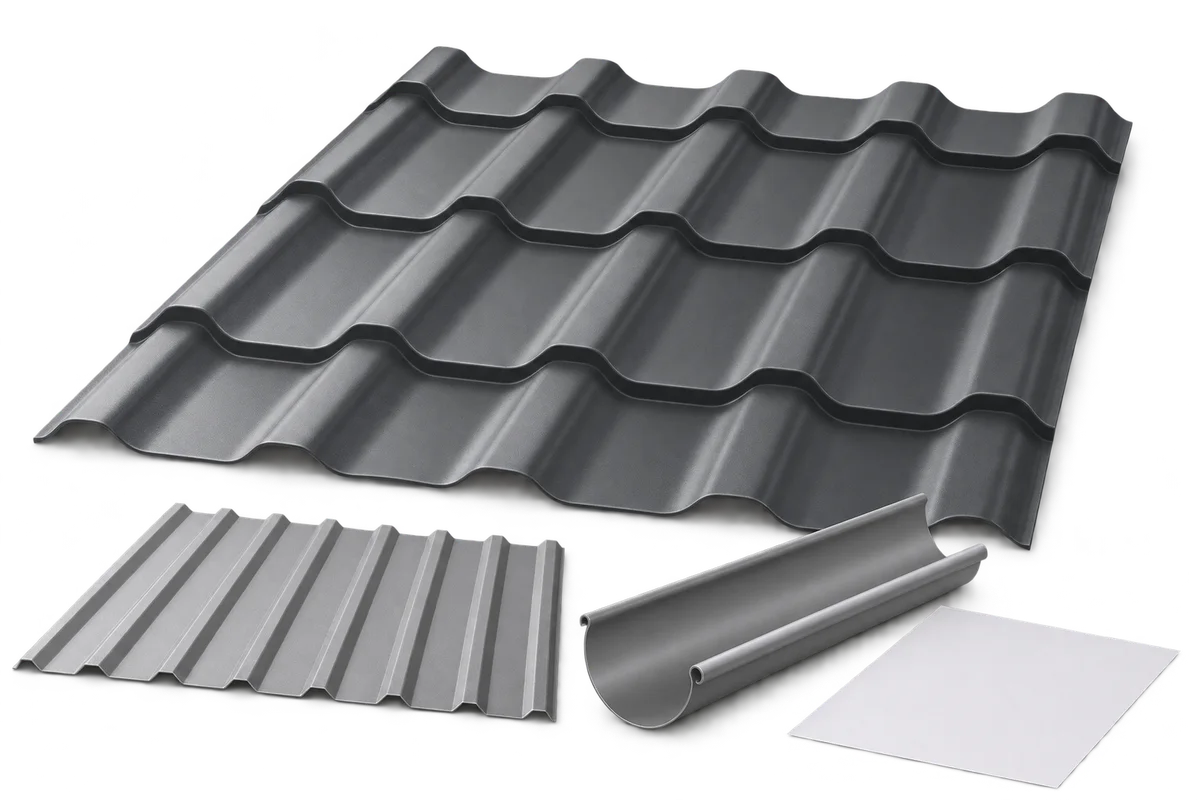
Break a general “accessories” item into groups that can be checked. Establish whether it covers the specified fixings, seals and finishing components. Alternatives need not use identical products, but the function of each package must be clear.
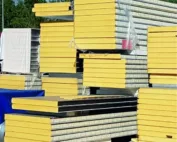
Ask separately about access, unloading, storage and removal of stripped materials. These activities do not follow from the price of a sheet alone. Identify tasks the owner is expected to arrange, so that a transferred obligation is not mistaken for a saving.
Make assumptions and unknowns explicit
Identify areas that could not be assessed before stripping. Agree how the contractor will report additional repairs and prepare a price for them. A provisional sum should not be presented in the comparison as though it describes a finally approved scope.
Where a quotation assumes reuse of an existing component, ask which assessment that assumption depends on. Do not compare full replacement with retention of unexamined parts without clearly recording the distinction.
Separate alternatives from additions
A roofing alternative should describe consequential changes around it too. A different profile may require different accessories or support arrangements. Compare packages approved for the intended application rather than material names and colours alone.
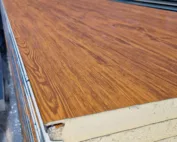
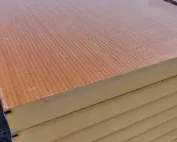
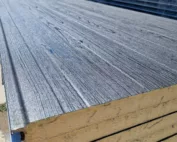
Mark additional insulation as a separate scope if it is not included in every proposal. Record the variant’s connections and associated work as well as the insulation. Board cost alone does not describe delivery of a complete roof solution.
Keep earlier proposals and mark additions or removals when a quotation changes. This makes a lower total explainable. Do not assume it is a discount if material quantities or labour scope have changed at the same time.
Record the agreed scope in writing
Before selecting a contractor, combine answers to outstanding questions into one scope description. Check it against the current pricing schedule. A verbal clarification absent from the accepted document can later be remembered differently by the parties.
The final comparison should show the amount, scope, unknowns and tasks left to the owner. The choice then concerns clearly described proposals. If there is still no common basis, clarify the enquiry before deciding from the lowest total alone.
7 branches. Materials closer to your project.