Metal fence pickets and fences
Documents for metal fence pickets: what to keep from your order?
A well-described order remains useful long after installation is complete. It helps you clean the coating using the correct method, choose a replacement, and clarify any discrepancy. You do not need to keep every catalogue. It is worth keeping the documents that identify the metal fence pickets actually purchased and how they were used. This is a practical part of the purchase, not an insignificant extra. It should include the profile, lengths, quantities, coating and end finish. The finish of the reverse side is also important. If there were changes, keep the version finally approved for production. A few unlabelled files with different dimensions make later assessment harder rather than easier.
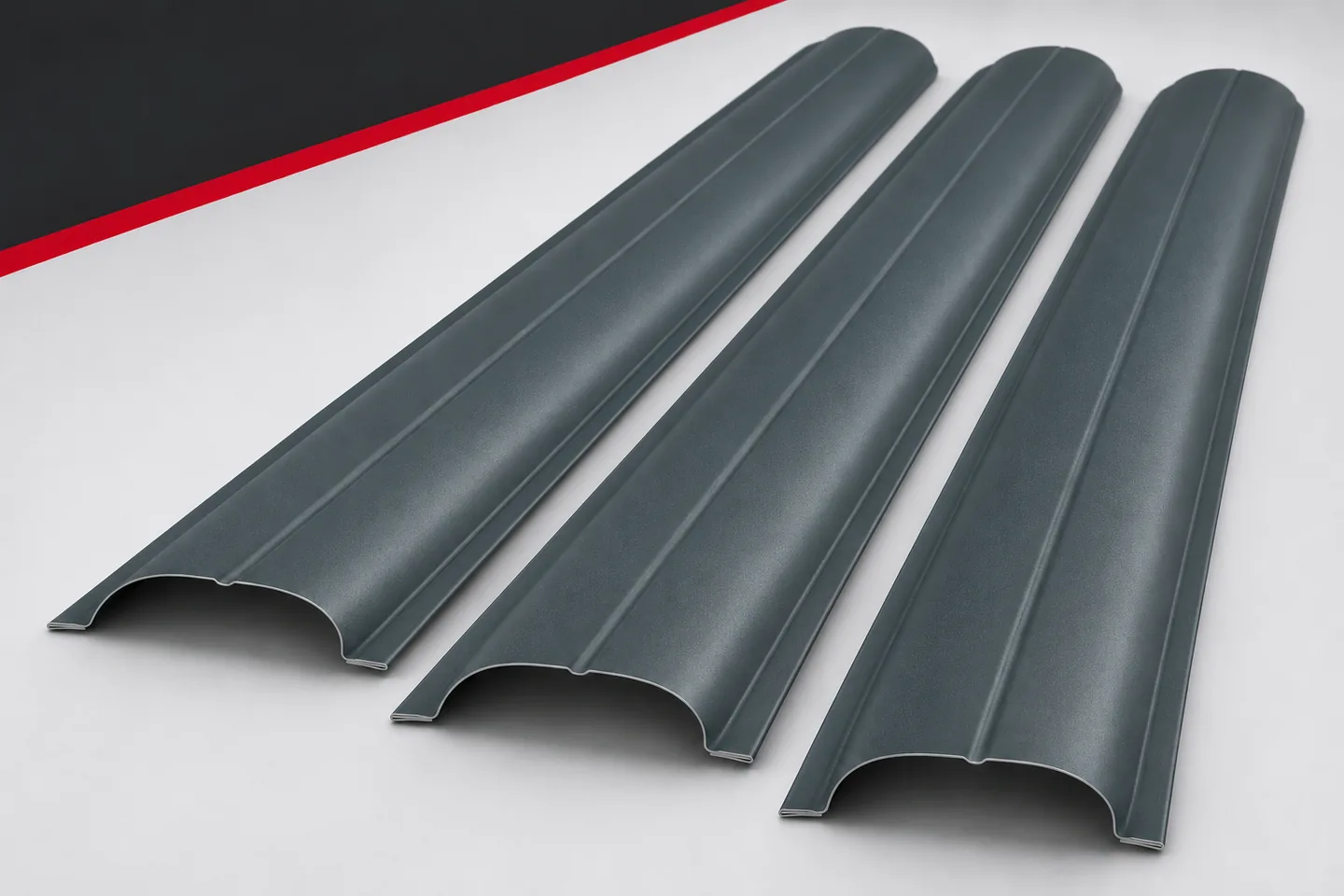
Start with the final order specification
Include a simple sketch showing the assignment of material to fields. With a variable fence line it is particularly useful. It allows you to establish where a given dimension is located and from which side the sequence was counted. Metal fence pickets from several delivery stages should be marked separately on the same plan.
Match the product data sheet to the supplied variant
The data sheet should correspond to the specific profile. A general category page may cover many models. If it gives different dimensions from the detailed document, the discrepancy must be clarified. You should not independently choose the information that better suits expectations. The supplier should indicate what was actually ordered.
It is worth keeping the section drawing and the basic material data. For future replacement they are often more useful than an attractive photo of the finished fence. They help distinguish profiles of similar width but different bends. The colour name alone is not enough to order a matching picket.
Keep information about the coating and sample
The finish data should include colour, gloss or matt, decor and appearance of both sides. If a sample was accepted, record its designation and the date. With several similar variants, such a description reduces the risk of error. It is also worth knowing whether the sample covered the entire profile or only the colour itself.
Delivery labels can help link the material to the batch. Do not throw them away before checking the completeness of the order. A photo of the marking is a simple way to preserve the information. However, the label should not be treated as a substitute for the specification if it does not explain all the features of the ordered metal pickets.
Keep installation instructions separate from maintenance instructions
The first describes how the product is to be used. The second concerns transport, storage, cleaning and inspection. Both are needed, but they answer different questions. It is worth passing the correct fixing diagram to the installer before the structure is prepared. This allows the supports and connectors to be matched to the chosen solution.
The user instructions should remain available after installation. The person washing the fence does not need to know the entire design, but should know which methods are permitted. Some coatings require water only, while others allow specified agents. A universal household mixture does not replace these recommendations.

Check the warranty document in full
Ask for the full warranty document for the material being purchased. Read the scope, conditions and how to report a claim. The number of years in the advertisement alone does not explain all the rules. It is also worth establishing whether additional organisational steps are envisaged. These should not only be noticed once a problem arises.
Separate the material document from the arrangements for the structure and installation. A comprehensive fence may involve different scopes. Do not assume that one data sheet automatically covers every connector, post and gate device. Such a division helps to organise information about the purchased whole and to direct a question to the right person.
Document acceptance and condition after installation
Keep the delivery list and a description of any discrepancies noticed. Photographs of the packages, markings and damaged areas are useful. After the work is completed, it is worth photographing the front and back of the finished panels. This shows the layout and the condition of the surface at a specific moment.
If the solution was changed during installation, describe the change in the documentation. This applies to additional supports, a different type of connector or replaced components. The arrangements should not remain only in the installer’s memory. For later repair, what was actually done is important, not only the original concept.
Add only information useful for operation
A brief history of inspections and repairs is better than a collection of random notes. Record the date, location and method used. For touch-up, keep the product data, and for replacement, the designation of the new picket. This makes it easier to assess which surfaces are still factory-finished and which have been renovated.
Metal fence pickets are a product whose appearance is easy to remember, but technical details are quickly lost. Well-organised documentation helps to maintain the fence and order matching parts. The most important are up-to-date delivery data, the correct instructions and a record of changes. Such a set should be easy to find even after several seasons.
If the fence comes under the care of another person, pass this set on to them. This way they will not have to reconstruct the type of coating from photographs or guess which agents were used in an earlier repair.
7 branches. Materials closer to your project.