Steel profiles and structures
Cold-formed sections for warehouses, workshops and farm buildings: how use affects selection
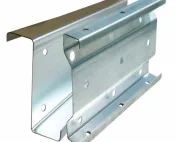
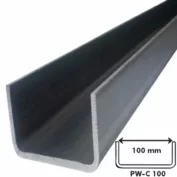
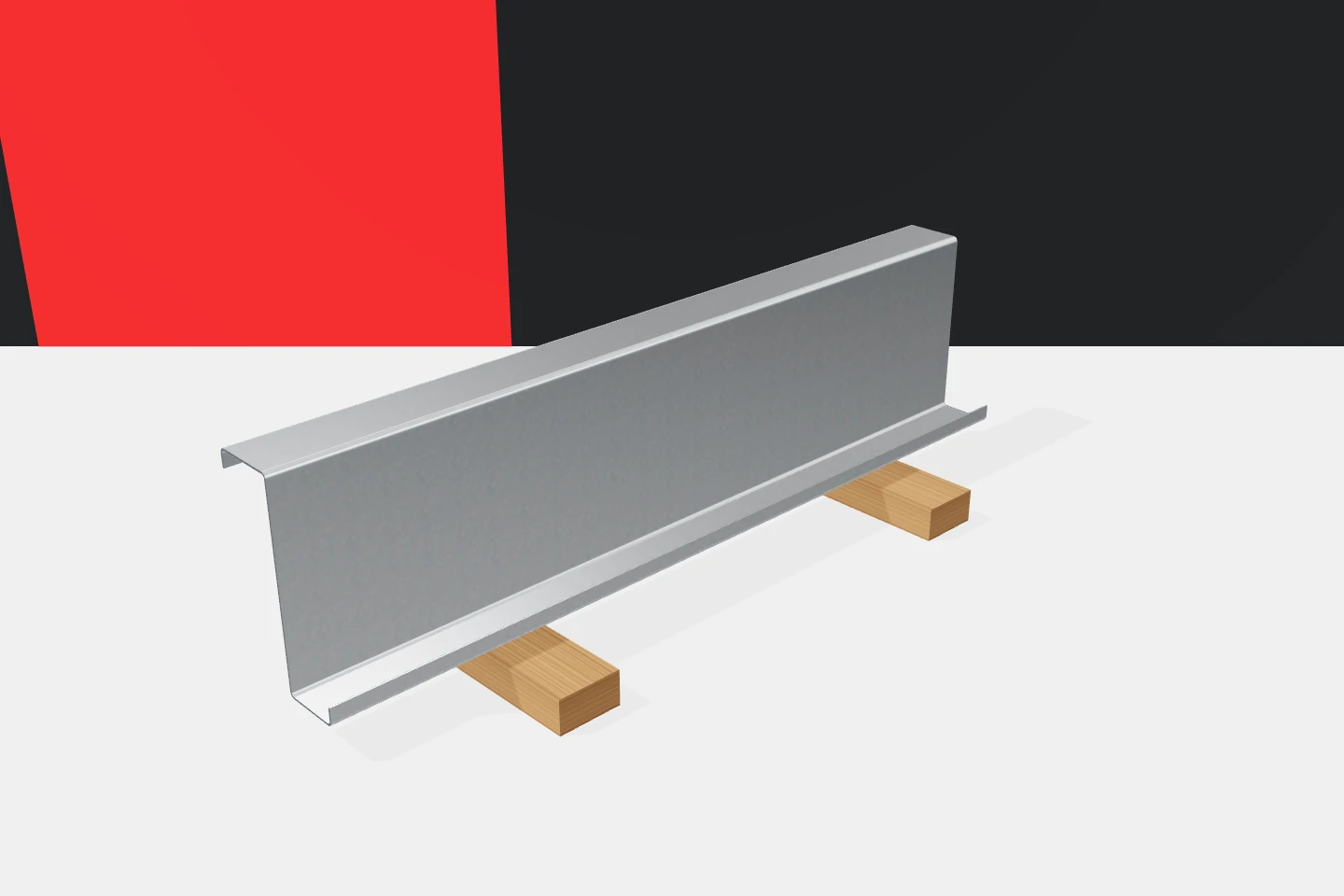
A similar steel hall may serve for storing goods, workshop operations or protecting agricultural machinery. From the outside, the differences are often small. Inside, the loads, humidity and user requirements change. Cold-formed profiles are used in many such buildings, but not according to one universal set of rules. Z-sections, C-sections, sigma and omega profiles must be matched to the actual purpose of the building. Profiles can form roof purlins, wall rails and supports at openings. A regular layout favours prefabrication and repeatable assembly. It is worth defining the dimensions of gates, daylight zones and locations for future installations in advance. This helps to limit later additions of elements. Not every warehouse hall requires the same method of enclosure.
In a warehouse, the layout of the enclosure and space matters
Shelving and transport equipment have their own loads and structural solutions. They should not automatically be fixed to light wall rails. Galvanised profiles supporting the panel may have a different role. A clear division of functions allows the light subframe to be used well without assigning loads that were not included in the design.
A workshop introduces additional requirements
In a workshop building, ducts, cable routes, equipment and suspensions often appear. It is worth defining these before selecting the structure. Some installations may require separate supports. Others can be linked to designed fixing points. Cold-formed profiles offer many possibilities for preparing details if the loads and their locations are known.
It should not be assumed that every channel or zed profile will be a convenient hanger. A point load may act differently from the load from the envelope. Eccentricity is also important. It is worth planning installation routes so that they do not later clash with bracing. Good coordination helps maintain an orderly space and reduces reworking of steel elements.
Shelter for agricultural machinery has its own wind conditions
An open or partially open building is not simply a closed hall without a few panels. The wind action conditions change. The structure and fixings must be selected for the actual geometry. This also applies to the plan for later cladding of the walls. Such a change can affect loads and should be considered in the design.
Roof zed profiles and envelope channel profiles can be practical in these projects. Preparing components facilitates the installation of repetitive bays. However, galvanised profiles must be selected for exposure to moisture and precipitation. Some locations remain more exposed than the interior of a closed warehouse. The coating and detail should correspond to this condition.
Stored materials can change the environment
Not all agricultural buildings have similar conditions. A machinery store differs from an animal housing area or a place for storing chemicals. Humidity and contaminants can affect steel protection. Therefore, the term “agricultural hall” is too general for selecting a coating. A description of the actual use is needed.
Cold-formed profiles can form part of structures even in demanding conditions, provided the right material and protection are specified. However, it should not be assumed that standard galvanising will suffice everywhere. C-sections, sigmas and omegas often have hidden contact surfaces. It is worth limiting moisture exposure and ensuring inspectability. This is an element of responsible durability planning.

The building envelope should match the function of the hall
The choice of sandwich panel or other cladding affects the support spacing and the method of fixing. Thermal, acoustic and service requirements may vary. Profiles should be selected together with the envelope requirements. Changing the material too late may necessitate adjusting the flanges, spacing or fasteners. Agreeing this in advance reduces the risk of additional costs.
Omegas can form the substructure for specific claddings and details. However, they are not a universal substitute for purlins. Sigma profiles, Z-sections and C-sections have different properties. Their variety makes it possible to match the wall and roof construction. It is good practice to use this variety according to function, rather than choosing one section for all locations.
Repetition supports phased construction
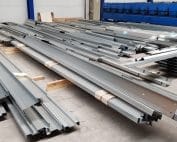
A multi-bay hall makes it possible to organise sections by axis and by stage. Profiles cut to length and prepared with holes facilitate such organisation. Deliveries can be coordinated with construction progress and storage reduced. This is particularly useful where the client wants to bring a specific part of the building into use quickly. However, the schedule must preserve the completeness of the structural systems.
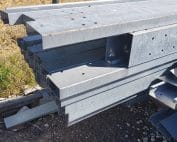
A section should not be opened for use simply because it already has a roof. The execution should correspond to the design and the requirements of the given stage. Galvanised profiles form part of the building together with the connections and bracing. Material delivery is only one component. It is worth planning stages as complete technical scopes rather than random portions of area.
It is worth recording the intended use in the project data
The client should provide information on the intended use, planned installations and anticipated changes. Information on humidity and stored materials is helpful. On this basis, the profiles and protection can be selected. Such a description helps avoid default assumptions that later do not match the building’s operation. This is a simple step of great importance for the quality of decisions.
Cold-formed profiles are a versatile material for many halls. Their advantages include the possibility of prefabrication and matching sections. Z-sections, C-sections, sigma and omega profiles make it possible to separate the tasks of the roof, walls and details. They work best when the building’s purpose is clearly defined. Then the lightweight structure supports the function of the investment instead of restricting its later use.
7 branches. Materials closer to your project.