PIR insulation
A termPIR ETX quotation: the board and the complete insulation system
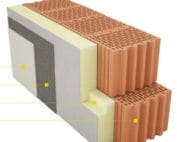
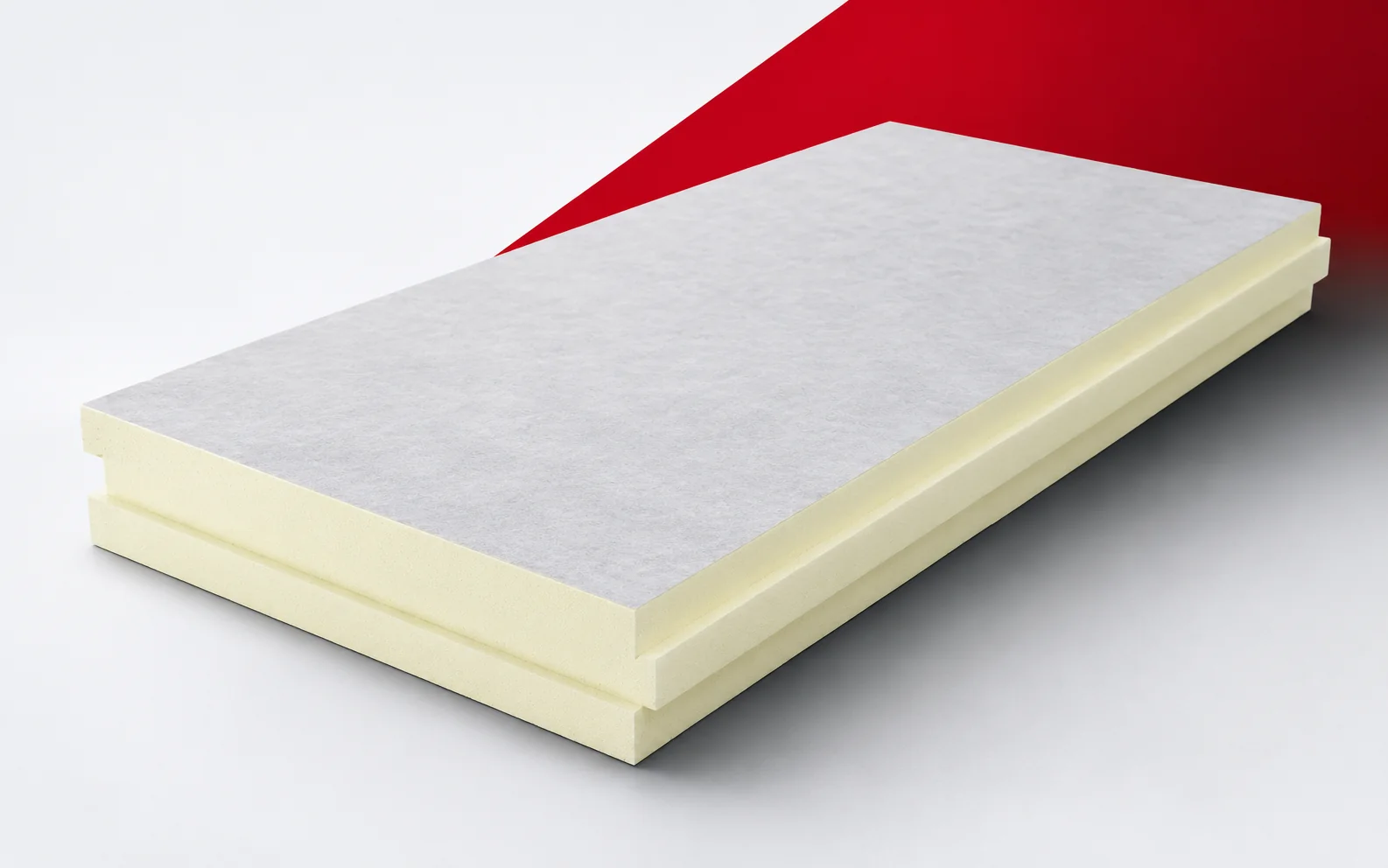
Comparing the price of termPIR ETX alone with the price of a complete façade leads to a misleading result. Adhesives, fixings, mesh, profiles and render are added to the quotation. You also need to know the condition of the wall and the scope of work around openings before the final cost can be assessed. termPIR ETX is a PIR board with a vapour-permeable glass fleece facing. The manufacturer intends it for two-layer walls in the ETICS system. An enquiry about PIR boards should describe the façade where the limited width of the reveal makes it difficult to use thick insulation. The thermal insulation at the window frame must remain continuous with the boards laid on the full wall.
What the offer must identify
Do not choose solely on the basis of a short sales description, because a board with a glass fleece facing requires the correct set of façade layers. The compared offer should make it possible to maintain continuity of insulation at the window without accidentally substituting the product’s facing. Agree with the bidders on the name of the complete ETICS system and the scope of its application on the selected substrate, so that everyone prices a similar task.
What result is worth paying for
In termPIR ETX, the lambda value is matched to the ordered thickness: below 80 mm it is 0.027 W/(m·K), from 80 mm to below 120 mm — 0.026, and from 120 to 250 mm — 0.025. In the façade bill of quantities, therefore, assign the parameters to each item, including the thinner boards at the reveals.
When comparing termPIR ETX boards, note the change in thickness at the 80 and 120 mm thresholds from the product data sheet. Read the lambda value for the thickness actually used on the given part of the façade, so that the price does not reflect differing thermal assumptions. Adopting 0.025 for a thinner board may overstate the resistance of the layer, so the cheaper item will produce a different effect. In the quotation table, state the thickness at the full wall, the reveal and the narrowed sections, and only then link the price difference to the parameters.
Covering, cutting layout and labour
The print on termPIR ETX must face the wall, and the boards should form an even plane with joints offset from one another. This requirement from the instructions translates into the cutting plan and the order in which the rows are laid, so it is worth including it already in the quotation enquiry.
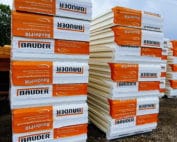
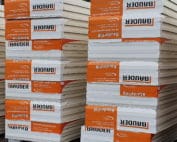
Plan the delivery of termPIR ETX taking into account the production date and the required one-month interval before installation. The presence of the boards on the scaffolding does not shorten this period. Check the readiness of the substrate, the orientation of the marked side towards the wall and the offset of the joints between rows. Determine the number of packages and the reserve from the cutting plan, not from the pack area alone.
Is the proposed variant equivalent?
The declared compressive strength of termPIR ETX is CS(10/Y)120. The reaction-to-fire class of the product itself is F for thicknesses of 20–49 mm and E for 50–250 mm; it does not determine the behaviour of the entire building component during a fire.
With an equivalent product, check the building corner, where fixing depends on the façade conditions. Select the fasteners for the type of masonry, the zone and the system requirements before you regard a lower price as a saving with an equal result. A similar name or facing is not enough, because the board’s compressive parameter does not define the number or type of anchors. The supplier should separate the data for the product, the fixing and the behaviour of the complete thermal insulation system during a fire; compare the fastener layout plan and the compatibility of the reinforced layer with the system.
Layers that should not be omitted
Assessing the substrate comes before deciding on the thickness and layout of termPIR ETX, because efflorescence, flaking paint or remnants of weak plaster change the scope of wall preparation. The substrate must be dry, load-bearing, level and clean, and its condition is linked to the appearance of the façade after thermal insulation.
Old plaster may look good and yet be detaching from the masonry, which is why weak layers must be removed and the substrate checked before bonding termPIR ETX. Regarding roof protection, ask about the protection, because the durability of the bond also depends on the layer left under the adhesive. The auxiliary materials are intended to allow weak fragments to be removed and the cause of moisture to be determined before the façade is covered. Before the final price, confirm the substrate assessment, traces of efflorescence, repair locations before installation and responsibility for the protective measures.
Full cost of the finished solution
The 600 × 1200 mm format before taking the rebate into account determines the cutting plan and the number of offcuts, which is why the termPIR ETX order should cover an agreed ETICS system, not a collection of random components.
Compare insulation works by the full scope of works, including cuts at window corners, sills and the top termination of the insulated wall. The bill of quantities must cover flashings and terminations alongside the board surface, so that the purchase cost is related to completed works. Differences in quotations may concern scope, because an omitted flashing risks water ingress behind the layers. When ordering, check flashings, reinforcement materials, fixing and preparatory works, and record excluded items as a separate cost.
When purchasing termPIR ETX, the production lead time can affect the organisation of the entire order. If the crew is already booked, the required monthly interval before installation must be checked. Any earlier storage also requires space and protection of the material. These arrangements are worth including in the delivery discussion. A low board price should not obscure whether transport fits the actual works schedule.
7 branches. Materials closer to your project.