Roof and energy
How to set the schedule and payments for a photovoltaic roof?
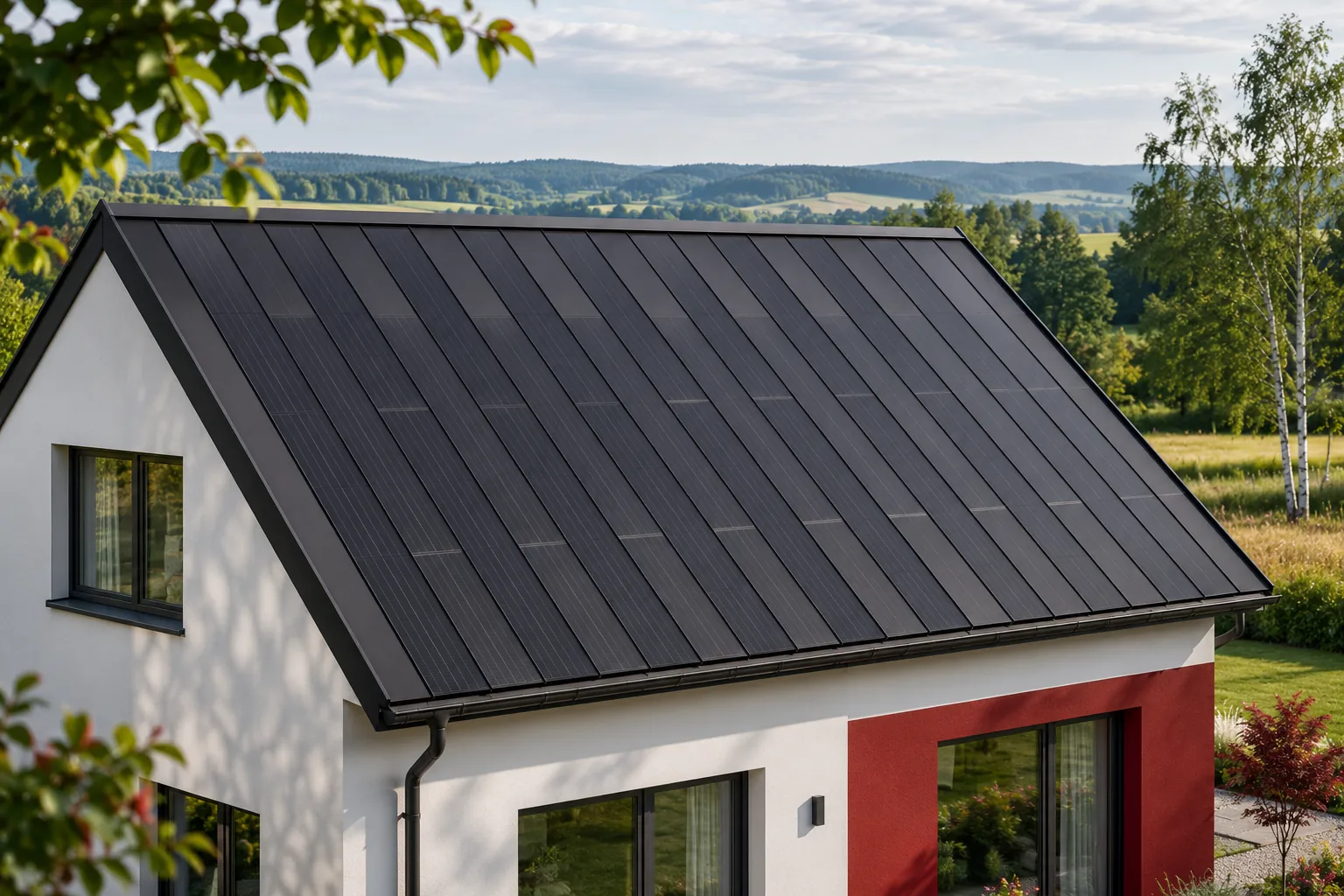
A roof-integrated system requires coordination of design, delivery, roofing and electrical work. The schedule should show their dependencies, and payments should refer to clearly described stages. The mere date of material arrival does not mean a ready energy source. It is worth separating the completion of the weathertight covering, the commissioning of the installation and the handover of documents. This way both parties know what is to be done and when the completion of the scope can be confirmed. First, the geometry, the layout of the active fields and the required details must be confirmed. It is also worth settling the fundamental selection of equipment and routes. A change to a window, chimney or roof slope dimension after ordering may affect the prepared components. Therefore the schedule should provide for the moment of design approval, not just the start date of works.
What must be ready before ordering material?
For a renovation, an assessment of the available roof condition and a list of unknowns are needed. The contractor should indicate what may require decisions once the layers are exposed. This does not mean every detail must be known in advance. It is about agreeing how to proceed when the actual building differs from the assumptions of the first quote.
How to separate delivery and installation?
Delivery means the material has reached the specified location, but it does not yet confirm that the roof has been correctly installed. It is worth establishing how conformity, condition and completeness of the elements will be checked. Storage conditions must also be specified. Improper storage before installation can create a problem despite a correct order.
The installation date should take into account the readiness of the structure, access and weather. In an integrated covering, cooperation between the teams working in the same areas is particularly important. If the electrician arrives after all routes have been covered without an agreed plan, the roof may need to be opened unnecessarily. The schedule should prevent this.
Which stages are suitable for confirmation?
It is possible to describe the acceptance of the prepared substrate, the areas to be covered, the complete covering and the electrical part. The specific list depends on the project. Each stage should have a measurable scope and a supporting document. A general statement that ‘most of the work is done’ is less useful than indicating what has been checked and what is still missing.
It is worth linking payments to progress defined in this way, in accordance with the agreed contract. There is no single proportion suitable for every project. Material prepared to order is also significant. It is important that the client understands what they are paying for at a given stage and what security results from the agreed settlement method.
Why is commissioning a separate item?
A watertight roof may be ready earlier than the full operation of the energy installation. Checks, configuration and the required connection activities are needed. Completion of mechanical installation should not be equated with the possibility of normal use. The schedule should indicate who is responsible for each of these steps.
If a delay occurs, it must be known how the circuits have been secured and who checks the condition of the covering. Illuminated elements can generate voltage even before the inverter is started. Staging must therefore follow the correct procedure. The owner should not try to speed up the start of production by interfering with the installation.
How should changes during construction be settled?
A change should include a description of the reason, scope, cost and impact on the schedule. This applies both to additional structural repairs and to voluntary expansion of the equipment. It is worth separating these two cases. Without a written record, it is easy to argue after completion over whether a given task was part of the original price or was ordered later.
In an integrated roof, a change in one trade can affect another. Moving a building element can affect the layout of active fields or cables. Therefore, approval should be coordinated by the designated entity, and the documentation must be updated. A verbal agreement with one person on site does not always reach the other contractors.
When is completion truly complete?
In addition to completion and commissioning, the agreed documents, instructions and access to monitoring need to be handed over. Any shortcomings and the deadline for remedying them should also be described. The owner should know how to use the installation and whom to contact in case of a problem. Only this set allows the roof to be taken over for use with full awareness.
A shared schedule is one of the organisational advantages of a system photovoltaic roof covering. It can reduce accidental overlapping of works and subsequent rework. The condition is to treat the roof and the energy as one coordinated investment. Clear stages help maintain control over quality, schedule and budget without relying on progress declarations alone.
Manufacturers and brands of solar roofs include Dyaqua, Electrotile, ML System, SunRoof, SolRoof, Wienerberger Wevolt, Solarstone, MDM NT (MyRoof), SoliTek and 3S Swiss Solar Solutions.
7 branches. Materials closer to your project.

- SEROCK — Dzierżenin 34 E
- BŁONIE — ul. Sochaczewska 138A
- RADOM — ul. Grobickiego 8
- ŁÓDŹ — Natolin 8
- OLSZTYN — Barczewo, ul. Prosta 9
- WROCŁAW — ul. Jerzmanowska 10C
- GORZÓW WLKP. — ul. Zielona 33/34