Profiles and steel structures
Complete connections for steel sections: avoiding gaps between contractors’ responsibilities
One company supplies the main structure, a second the profiles and a third the cladding. Such a division can work smoothly if the scopes meet at clearly described points. Most misunderstandings arise at the connections. Cold-formed profiles require screws, brackets, splice plates and stabilisation selected for the project. It is worth establishing who prepares them before comparing final tender prices. A general phrase such as ‘purlin supply’ does not say whether it includes the connection to the frame. It may cover just the Z-sections or a complete system with accessories. This must be stated explicitly. It is worth using a drawing of a typical connection detail and assigning the parts to suppliers. Then each party sees what it is responsible for and which element it must connect to.
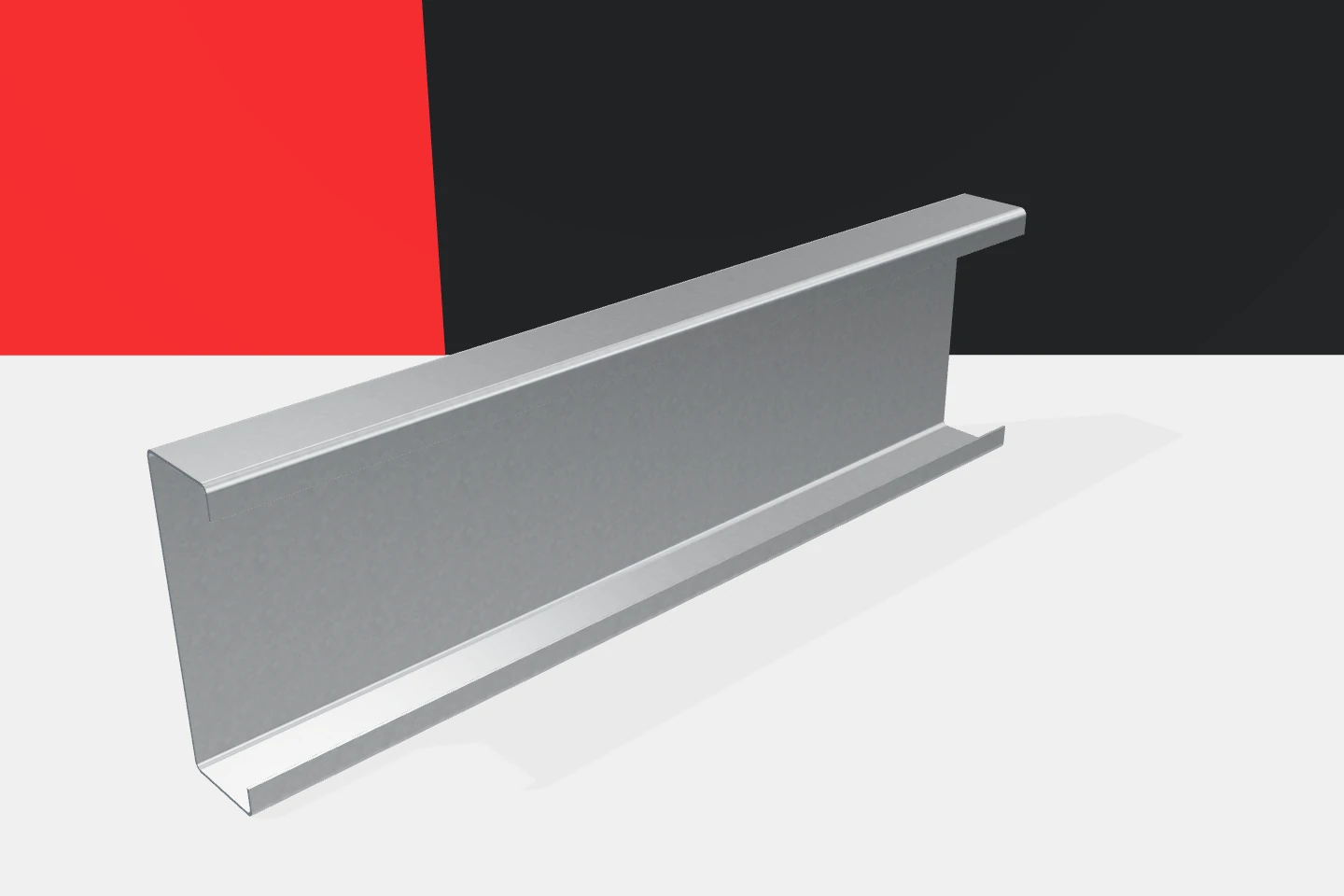
The supply boundary should run through a described connection detail
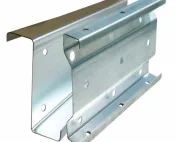
A similar principle applies to wall channels. The sheet at the column may belong to the main structure, while the perforation belongs to the side rail supply. The data must be agreed. Galvanised profiles with pre-punched holes facilitate installation when all parts refer to the same version of the detail. Splitting orders should not mean splitting technical information.
The accessories list should be visible in the quote
Bolts and washers are easily hidden under a collective item. However, it is worth knowing their scope and their link to the project. This also applies to splice plates, bracing and support elements. The absence of one group of parts can halt installation over a larger area. The price of the profiles alone then does not show the cost of the finished structure. Supplements ordered later are often more difficult to organise.
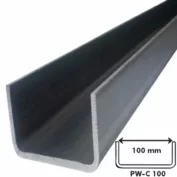
Z-sections, C-sections and sigma profiles may require different accessories. Omega profiles, in turn, have fixings that depend on the substrate. It is good to compare offers on the basis of a common list. If the supplier proposes a different solution, they should show the complete set. This makes it possible to distinguish a real saving from a missing item that will only appear on site.
Selecting the fastener requires data on both connected elements
A connector does not work in isolation from the sheet or the support. Thicknesses, material and the type of loading are important. Information about the profile should reach the person selecting the connection. Likewise, the data of the main structure must be known to the supplier of the intermediate part. Otherwise, you may receive a set of products that are correct individually but not matched to the common connection detail.
An example is fixing the cladding to a thin flange. The type of screw must be selected for the specific scope of application. It is not enough that it has the right length. Cold-formed profiles may have different thicknesses in individual zones. These differences should be taken into account in the fixing specification. Clear information helps avoid using one random connector everywhere.
Stabilisation must also have an assigned contractor
Bracing and connecting members are often treated as a minor addition. Meanwhile, they may be essential for the performance of purlins or side rails. Their supply, installation and sequence of execution must be established. These tasks cannot be left in a general category of additional works. It is worth showing them in the schedule alongside the installation of the profiles. This also applies to elements needed at the construction stage.
The cladding can interact with the structure only under specific conditions. It should not be assumed that this relieves other stabilising components. If the design includes support from the slab or sheeting, the fixing requirements should be consistent. Galvanised profiles and cladding then form part of a single design model. Splitting the deliveries does not change this relationship.

Drawing approval should follow a defined procedure
It is worth defining who passes on the dimensions, who checks them and which version is the basis for production. This need not be a complicated procedure. What is needed is a clear flow of information and a point at which coordination ends. This prevents the supplier from producing to a drawing that another company regards as a draft. Every revision should have a recognisable designation.
A change of profile can affect several orders at once. A different flange or thickness may require adjustments to screws, plates and cladding. Informing a single contractor is not enough. Z-sections, C-sections, sigma and omega profiles are components linked to their surroundings. An agreed change should cover all places where it affects the connection or the method of installation.
Acceptance should be based on conformity of the complete set
On delivery, the profiles, markings and accessories are checked. It is good practice to compare them with the plan for the first stage of installation. This allows missing splice plates or incorrect connectors to be detected early. There is no need to wait until the crew is on the roof. An early check has practical value because it allows time to clarify discrepancies without stopping a larger scope of work.
After installation, acceptance covers the actual connections. Position, completeness and conformity of workmanship are important. Galvanised profiles should also be free from unagreed deformation and modifications. If a change has been approved, it is worth keeping a record of it. Documentation of the actual installation helps with subsequent installations and later maintenance of the hall.
A clear scope allows the price to be assessed without guesswork
A complete quote should show what will be ready once the given scope is finished. It is worth noting exclusions and tasks by other companies. Then a lower price does not hide a missing connection or additional work. The client can compare variants on the same basis. This is simpler than resolving gaps during installation.
Cold-formed profiles enable efficient delivery when the preparation of components goes hand in hand with the coordination of connections. Z-sections, C-sections, sigma and omega profiles can form a clear system. The greatest benefit is predictability of delivery and execution. Defining responsibility for small components helps preserve this benefit across the entire project.
7 branches. Materials closer to your project.