Steel profiles and structures
Choosing cold-formed steel sections beyond the shape designation
The client does not have to calculate the purlins themselves in order to order the structure well. They should, however, understand what they are paying for and which data influence the choice. Cold-formed profiles offer a wide variety of cross-sections and methods of preparation. Z-sections, C-sections, sigma and omega profiles can complement one another in a single building. The decision is not about choosing the most attractive shape. It is about finding a complete solution for a specific function. At the outset it is worth defining how the facility will be used. A dry warehouse has different needs from a workshop, a cold store or an agricultural building. The differences concern loads, cladding and environment. Planned installations and future changes should also be taken into account. Such information helps the designer select the layout before a list of profiles for pricing appears.
The building’s function organises the initial requirements
Galvanised profiles can be a practical component of many of these structures. This does not mean one common set for all applications. The type of coating, spacing of elements and connections should match the conditions. Good preparation of the investor’s needs limits later corrections. It also avoids paying for solutions that do not serve the actual way of use.
Cross-sections perform different tasks
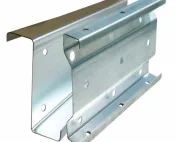
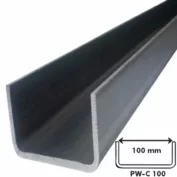
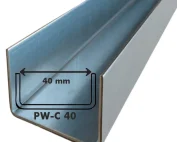
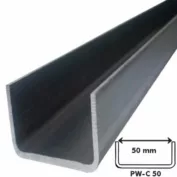
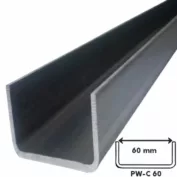
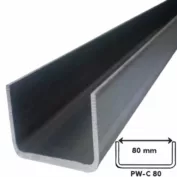
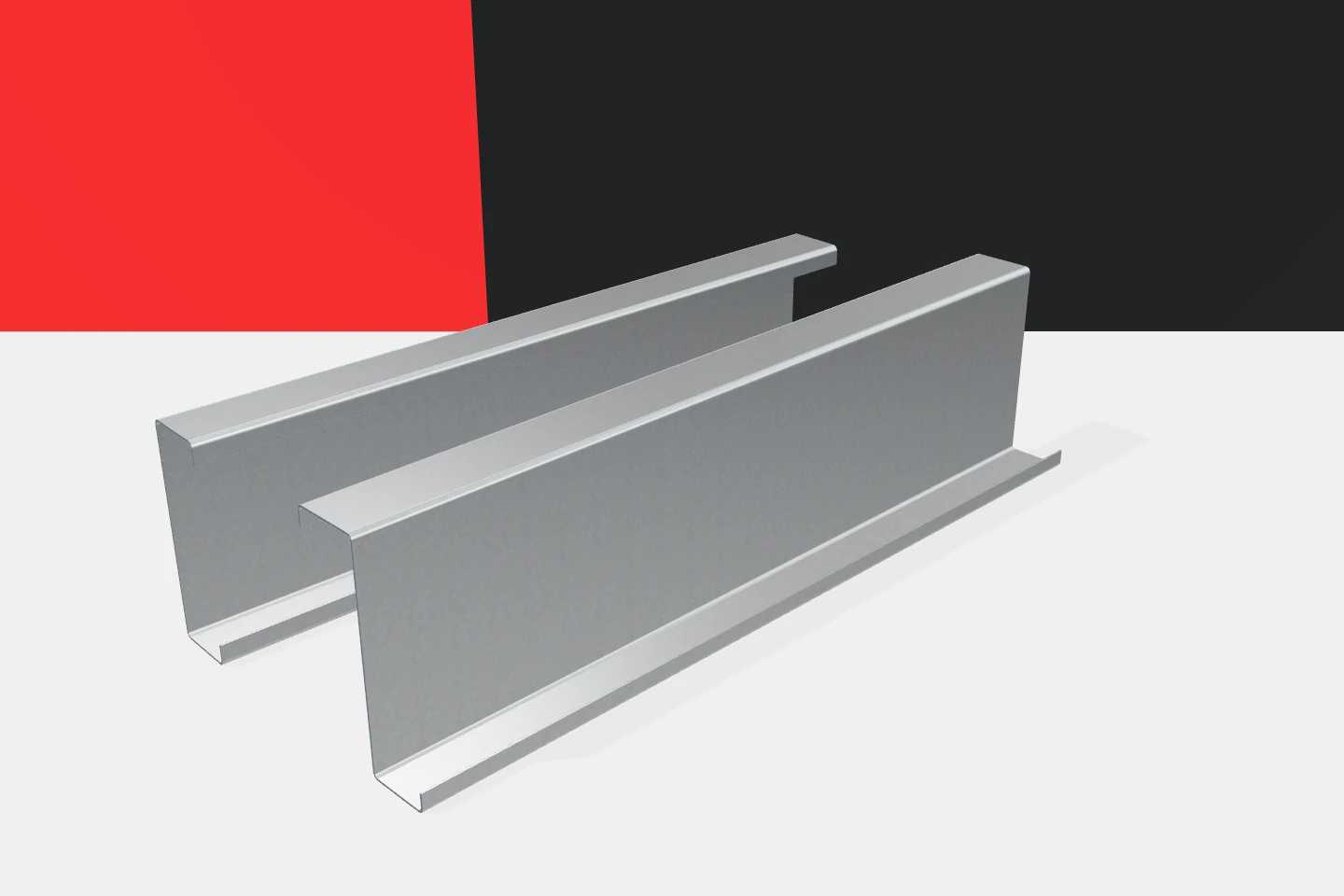
Z-sections are often used as purlins and side rails in appropriate systems. C-sections can form wall elements, supports and framing. Sigma has an additionally shaped web, which changes the section properties. Omegas appear among others in cladding substructures, although the family of hat sections also includes larger elements. The scope of application must be confirmed for the specific product.
There is no need to choose one shape for all locations. It is precisely this diversity that is the advantage of cold-formed profiles. It allows the element to be matched to the function and detail. Forcing uniformity across the entire structure can increase weight or complicate installation. A sensible set uses several sections where they bring real benefit.
A lightweight structure can facilitate implementation
Forming the sheet metal allows material to be distributed favourably in the section. In a suitably selected system, this can achieve the required properties at a moderate weight. Lighter parts can improve transport and handling of the material. This matters on sites with limited access. However, the benefit must be assessed for the entire solution, together with the accessories.
This does not mean that lifting equipment can always be dispensed with. The length and flexibility of the element also affect the method of installation. Galvanised profiles require protection against deformation during unloading. It is therefore worth discussing the actual construction technology. Low unit weight alone does not yet show the labour cost or equipment requirements.
Prefabrication reduces the scope of work on site
Profiles can be prepared to a specific length and with holes according to the design. This facilitates installation planning and parts control. Repetitive elements can be marked according to axis or construction stages. Less processing on site means fewer tasks to coordinate. This benefit is particularly visible in structures with many similar bays.
The condition is approved documentation. If dimensions change after production, prefabrication will not solve the problem automatically. It is therefore worth anticipating the point at which the arrangements are finalised. Cold-formed profiles are flexible at the selection stage, but the finished element corresponds to a specific specification. An orderly decision-making process allows this characteristic to be used rather than corrected later.

The price should cover the scope of the complete system
The offer may include only profiles or also connectors, bracing and intermediate sheets. It must be clearly established what is supplied. Two similar schedules do not have to cover the same services. Hole patterns, marking, transport and preparation of documentation matter. Without this, a price comparison can be illusory.
Z-sections, C-sections and sigma profiles may require different connection schemes. Omegas have fastenings that depend on the substrate. The cost should therefore be calculated for variants that meet the same requirements. Sometimes a more expensive profile reduces the number of additional parts, sometimes it does not. The client should receive a comparison of the entire solution, not merely an attractive rate per metre.
Documentation allows you to assess what you are actually buying
The order should include full dimensions, material, coating and the method of preparing the elements. It is worth checking the availability of product documents and installation principles. It is also necessary to define responsibility for selection. A commercial assurance of load-bearing capacity does not replace a structural design. A well-described scope facilitates acceptance and reduces disputes over missing parts.
Galvanised profiles also require compatibility with the anticipated environment. This issue should not be left until the end. The choice of protection affects subsequent maintenance. If the appearance of the surface is important, this must be specified separately. Performance characteristics and a uniform visual effect do not always result from the same standard of execution.
A good decision leaves room for informed changes
It is worth stating at the outset the planned extension of the building or new installations. This does not mean automatically increasing all profiles. It does, however, allow variants to be assessed and appropriate details to be prepared. Future expansion requires verification of the entire structure. The possibility of unscrewing a part is not equivalent to freedom to change its load.
Cold-formed profiles offer a wide choice and efficient prefabrication. Their advantages are best revealed in a well-coordinated investment. Z-sections, C-sections, sigma and omegas do not compete for the title of the single best product. Together they form a set of solutions. The choice should combine the needs of the building, technical correctness and the actual cost of implementation.
7 branches. Materials closer to your project.