Maintenance and durability
Tracing the causes of metal roofing complaints and preventing defects
Before treating a roofing sheet complaint as a material defect, check whether transport, storage or installation is the real source. On delivery, inspect the accessible edges, surface and packaging, and document any visible damage before splitting the pack. Later inspection should separate symptom from cause: a rust spot may come from a metal filing, while a leak may stem from flashing or condensation. Purchase documents and photographs of the whole roof area help establish the source and choose the right repair.
Why can a similar defect have different causes?
A leak does not immediately prove a defect in the sheet itself. Water can get in through poorly made flashings, an installation penetration or a lap. Moisture from underneath can also be the result of condensation. Similarly, rust on the surface may come from a metal filing left behind. The assessment should establish the source and extent of the phenomenon before a decision is made on the repair method.
There is no basis to attribute all complaints to one group of errors without data. The material may also require a quality assessment. It is important to separate the symptom from the cause and to keep documentation. Photos of the entire roof slope and close-ups help to reconstruct the situation. Information about when the change appeared and the weather conditions often facilitates diagnosis.
What can happen during transport and storage?
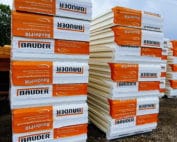
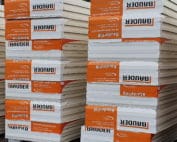
Sheets can be scratched, deformed or damp between layers. A wet pack left without response creates unfavourable conditions. The material must be stored in accordance with the instructions and the permissible storage time. It should not be assumed that the transport packaging allows the sheet to be kept safely for a long period on an open yard.
On delivery, inspect the accessible edges, the surface and the condition of the packaging. Document visible damage before separating the delivery. When moving, do not slide sheets over one another and do not allow long elements to be permanently bent. The protective film also has a specified removal time. Left too long, it can make cleaning difficult and leave marks.
Which flashing and fixing errors lead to problems?
Improper cutting can damage the edge protection and scatter hot filings. Filings left on the roof slope corrode and spoil the appearance. Tools approved for coated sheet must be used for the work. Touch-up paint does not restore an arbitrarily damaged factory coating. The repair method depends on the type and size of the damage.
During fastening, the risks are incorrectly selected fasteners, improper pressure and holes outside the support. Excessive tightening can deform the sheet, while too little can leave a leak. A mismatched substructure makes correct joining of the sheets difficult. The entire geometry cannot be repaired by forcibly pulling the covering. The cause should be eliminated at the stage of preparing the support.

When is the problem due to the choice or roof details?
The covering must correspond to the pitch and the method of joining. Using a model outside its conditions can increase the risk of leakage even with a careful appearance. Roof valleys, ridges and connections to the wall are also important. Sealant does not replace the appropriate shape of the flashing. The detail must drain water, not just cover a gap.
The coating should be appropriate for the environment and conditions on both sides of the sheet. High humidity, aggressive contaminants or incompatible materials may require a different solution. The ventilation specified in the design must also be provided. The anti-condensation layer is not a substitute for insulation and vapour barrier. Its presence does not eliminate all causes of moisture.
How do usage and subsequent works affect the covering?
Leaves, dirt and blocked drains can trap moisture in places that should dry out. Inappropriate cleaning can however scratch the surface or damage the paint. Methods approved for the given coating should be used. It is worth inspecting the roof after strong winds and after installation work. New holes and leftover swarf are often the start of a problem.
Installing antennas, panels or accessories requires compatible fastenings and seals. The thin sheet must not be treated as an arbitrary support point. Walking on the roof slope must also follow the instructions and safe access. Inspections help detect damage early, but should not lead to further damage. If work at height is needed, it is worth commissioning a prepared team.
How to prepare a report and arrange a repair?
Gather the purchase documents, batch labels, product data sheet and photos. Describe the location, the date the change was noticed and the actions taken so far. Do not carry out extensive intervention before the inspection has been agreed, unless the risk or damage must be urgently limited. In such a case, document the condition and the scope of the safeguard. This makes it easier to determine the cause later.
The scope of the material warranty and the responsibility for installation must be checked in the documents and the circumstances of the case. Approval or rejection of a complaint should not be promised on the basis of a photo alone. The purpose of the inspection is to find the cause and a lasting way to resolve the problem. Good documentation helps choose a repair appropriate to the actual condition of the roof.
7 branches. Materials closer to your project.