Construction and design
Choosing a classic or contemporary tile-effect profile for a house
Choose the roof tile profile only after comparing a sample with the house’s form, façade and planned details, not solely under the influence of fashion. A classic pattern and modern geometry can share similar material parameters, so shape does not determine durability. Check the coverage width, module length, edge details and the full set of accessories. Assess colour and texture outdoors, in sun and shade, because a screen distorts hue. Remember that the final effect also depends on careful installation and an even substructure.
How do the two styles differ visually?
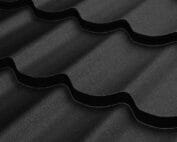
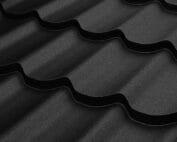
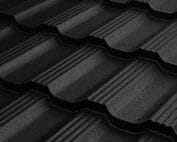
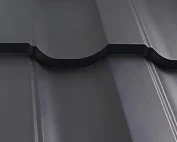
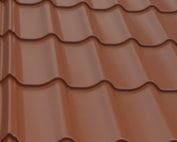
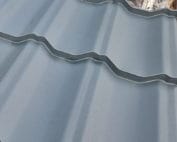
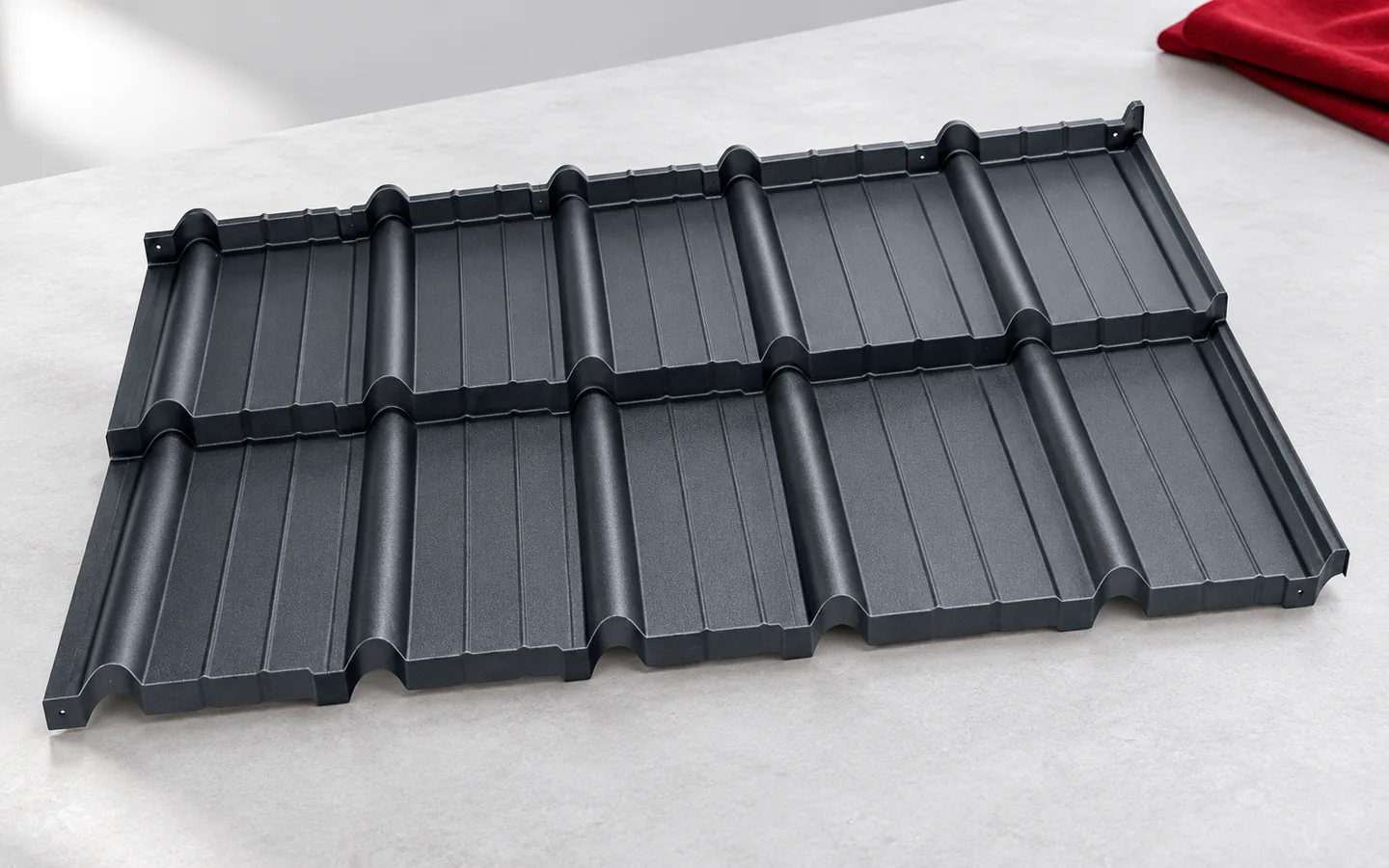
A classic profile echoes the repeating pattern of roof tiles. The waves and pressings create a strong interplay of light and shadow that works well with traditional details. Modern patterns often reduce soft curves in favour of simpler geometry. This does not mean a completely flat surface. The pressings still shape the appearance and rigidity of the sheet.
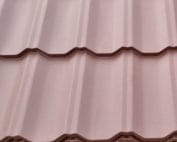
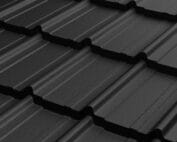
The boundary between styles is not strict. The same profile in a warm colour can look traditional, while in a dark matt finish it appears more contemporary. The height of the pressing and the width of the repeating pattern also matter. It is worth viewing the roof from a distance similar to that from which the house will be seen. A sample in the hand shows the texture but not the entire pattern of the roof slope.
How to match the profile to the building shape and façade?
On an elaborate house, the roof occupies a significant part of the view. A strong pattern can emphasise roof valleys and corners, while a calmer one reduces the number of visual divisions. With a simple form, a large regular roof slope well displays the rhythm of the profile. It is not necessary to automatically choose modern metal roofing for every new building. Consistency of proportions and details is what counts.
Compare the roofing with the windows, façade and planned fencing. Metal fence panels may echo the roof colour but need not copy its texture. Too many similar yet differing shades of graphite often become visible only in daylight. Place samples side by side before purchase. A colour name does not guarantee an identical effect on different surfaces.
Does the shape say anything about material quality?
The appearance of the profile does not determine the steel thickness or the coating class. Classic and modern tile-effect metal roofing can be made in several material variants. Metallic protection, organic finish and documentation must be checked separately. A more expensive pattern does not always mean greater resistance to the conditions present at a specific building.
The coating is selected according to the surroundings and aesthetic expectations. Resistance to UV radiation is not the same as resistance to corrosion. Matt and gloss describe the appearance, and their durability depends on the given system. The warranty should be read with attention to scope and exclusions. A long period in an advertisement alone does not confirm that the chosen material will be best for this location.

Modular or cut-to-length — does the format dictate the style?
The delivery format and the profile style are separate features. Modular tile-effect metal roofing can have a classic or geometric appearance. Similarly, cut-to-length versions are not traditional by definition. Modules facilitate handling and working with small elements, while long sheets can reduce joints on a regular roof. The choice should take the actual cutting layout into account.
When comparing similar profiles, check the cover width, module length and end details. Do not mix components simply because they look alike. Edge details may prevent a tight joint. Also ask for the complete accessory set. The ridge and side flashings should work with the profile technically, and only then create the intended visual effect.
How do colour and light change the perception of a roof?
A dark roof slope can contrast strongly with a light façade. A lighter covering gives a different contrast and reflects light differently. It is not worth choosing from a screen alone, because monitor settings change the colour. The surroundings, the orientation of the slope and the weather also affect the appearance. A sample is best viewed outdoors, both in sun and in shade.
A smooth surface shows reflections more strongly, while a textured one scatters light differently. However, do not assume that a matt finish will hide every installation error. An uneven substructure and poorly aligned sheets can still be visible. A well-chosen style requires careful execution. The rhythm of the rows, a straight eaves line and even flashings affect the result just as much as the choice of profile.
How to decide without following fashion alone?
Choose two or three profiles that suit the geometry and the permissible pitch. Compare samples, photographs of similar houses and complete quotes. Take into account the expected appearance after changing the façade or fence. A roof is meant to last a long time, so it is worth choosing a form that suits you beyond the current trend.
In the order, record the exact material variant and the accessories. Agree the sheet layout and the position of visible details with the installer. A classic profile can look good on a new house, and a geometric one on a carefully renovated building. There is no single right answer for every building form. What matters most is the coherence of the whole, the correct parameters and the quality of installation.
7 branches. Materials closer to your project.