Installation and details
Stone-coated metal roofing: how installation differs from standard modules
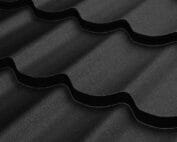
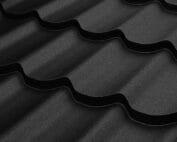
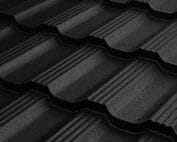
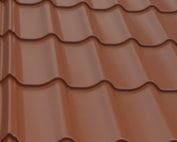
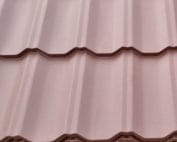
The decisive factor is matching the installation method to the specific coated steel panel, not to ordinary modular metal roofing. Before laying, check the batten spacing, laying direction and fixing points, because the granular surface does not turn the panel into a traditional roof tile. Establish the coverage area and minimum pitch, and correct the roof plane geometry, eaves line and diagonals before installation. A detail drawing is needed for installation, especially at the eaves and ridge. Remember that a similar appearance does not mean identical batten spacing.
What must be checked before starting to lay?
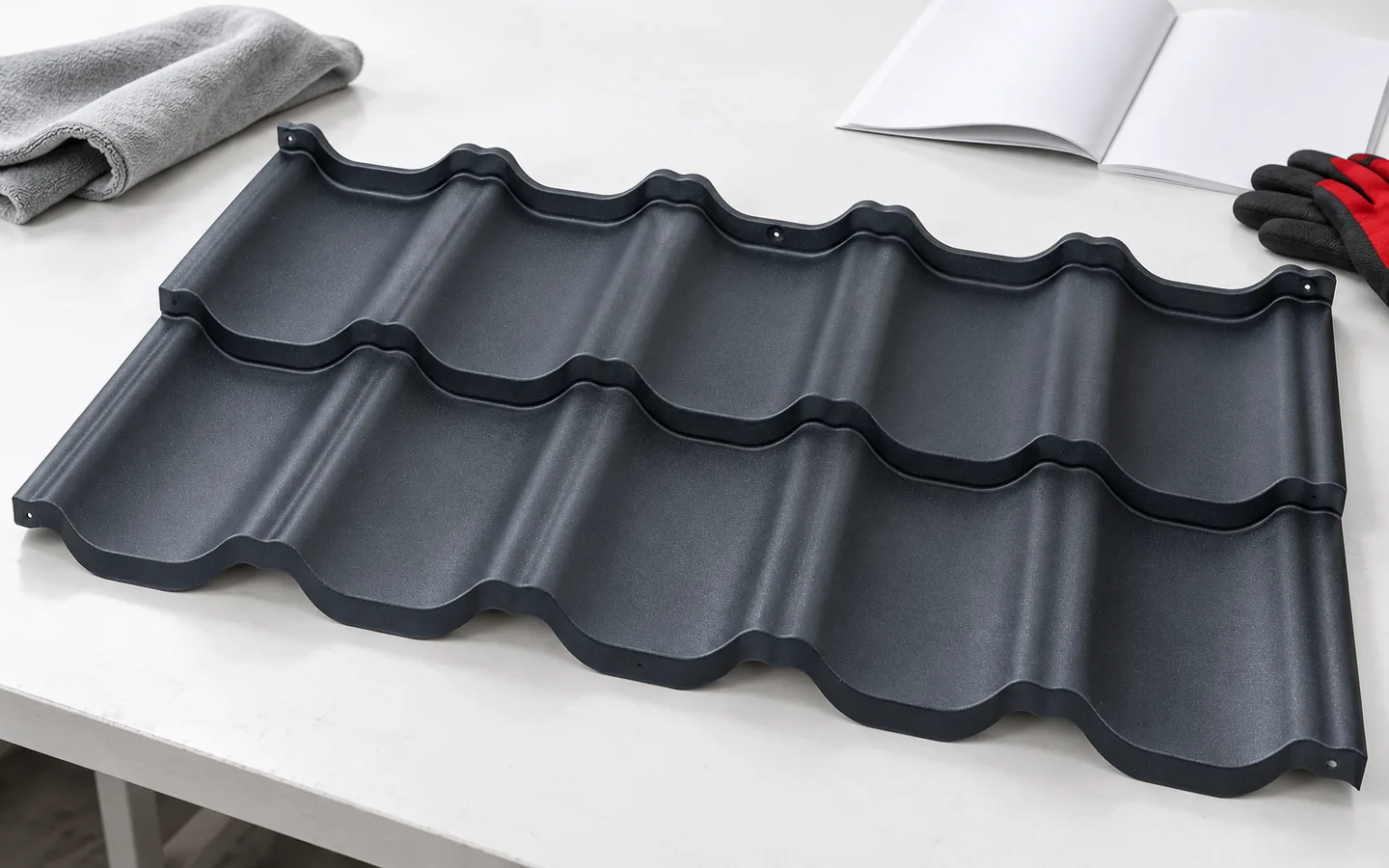
First, the exact panel model, its coverage area and minimum pitch are determined. Individual systems may differ in edge geometry and connection method. A similar appearance does not mean identical batten spacing. Installation requires a detail drawing, not just a photo of the finished roof. This applies especially to the eaves and ridge connections.
It is worth assembling the flashings and fasteners straight away. A panel with a granular coating has a specific method of surface protection and repair of minor damage. Accidental paint in a similar colour may not be suitable. Before unloading, the method of carrying the packs must also be established so as not to abrade the granular coating or deform the profiles before they reach the roof.
How to prepare the roof structure, substrate and battens?
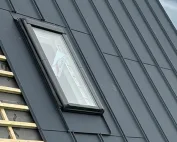
The evenness of the roof slopes, the eaves line and the diagonals are checked. If the roof has deviations, laying the panels along one edge may gradually push the connections apart. Geometry is corrected before installing the covering. The underlay must drain water to the outside and remain continuous at chimneys, roof valleys and windows.
The batten spacing results from the module length and the way it is supported. The first section at the eaves often requires a separate solution. A single distance should not be assumed for all panels with a granular coating. Counter-battens and the ventilation gap must ensure air flow under the covering. Covering a damp substrate without the possibility of drying out can harm the entire roof.
From which side to start and how to connect panels?
The working direction must be read from the instructions. In some systems the laying sequence differs from that known from popular lacquered tile-effect metal roofing. This depends on the construction of the laps and access to the fastening points. Laying out the first rows should allow the line to be checked across the entire slope. Fitting must not be forced by excessively stretching the panel.
Each lap has a specific function. It should direct water onto the outer surface of the lower element and remain stable in wind. Pressing the connection with an incidental screw in a visible field can impair tightness. The designated fasteners and fastening points must be used. This also applies to the edges of the slope, where greater uplift forces act.

How to cut and protect edges?
Cutting is done with a tool approved for the specific panel. Tools that strongly heat the sheet metal can damage the metal protection and the surface layers. Crushing the edge at the support must also be avoided. Cutting should take place where filings and granular residue can be easily collected before they get between the laid panels.
The method of finishing a cut edge depends on the system. Sometimes a fold is needed, concealment under a flashing, or the use of a dedicated repair kit. The granule coating should not be treated as a free material for filling gaps. The joint must be sealed through geometry and fixing. Surface colour correction serves a different purpose.
What requires particular attention at the roof valley and chimney?
Water from adjacent roof slopes collects in the roof valley. The cut pieces must leave an adequate drainage path, and the fixings must not pierce its base. A granular texture will not protect against water backing up in a poorly executed detail. Continuity of the underlay beneath the flashing is also required. A straight cut line helps control the width of the open valley strip.
At a chimney, the flashing must account for movement of the roof and the masonry. A sealant alone at the junction of two surfaces is too limited a solution. The ridge should protect against precipitation and allow for planned ventilation. A safe service route should also be provided on the roof. It should not be assumed that a textured surface allows safe walking without fall protection.
How do you accept the roof and compare it with modular tile-effect metal roofing?
Acceptance covers the line of the rows, the condition of the coating, the fixings and the completeness of the flashings. Removal of waste and the method of terminating the ventilation must be checked. Excess loose granules after installation require assessment in accordance with the product documentation. Not every granule indicates damage, but visible scuffing and exposed metal should not remain unexplained.
Compared with lacquered modular tile-effect metal roofing, consider the price of the entire system, the availability of accessories and the labour cost. The granule coating may change the texture and the appearance of the roof, but it does not replace the acoustic insulation of the attic. The most important thing is the correct execution of the specific solution. Before purchase, it is worth establishing whether the crew has experience with this particular type of panel.
7 branches. Materials closer to your project.