Choice of covering
Comparing the weight of roof coverings: what belongs in the calculation?
Thin metal sheet coverings are among the lightest roofing options, but compare the mass of the whole system rather than the sheet alone. Check whether the data in the product sheet refer to a square metre of total area, effective coverage or a single sheet, as these are different units. Convert both coverings to kilograms per square metre of effective coverage and add ridges, flashings and accessories separately. Remember that profiling changes stiffness and the amount of material per roof area, and the load table must match the ordered variant. Leave the final selection decision to the designer.
Do kilograms per square metre always mean the same thing?
Mass may be given per square metre of total area, of effective coverage, or per single sheet. These are different units. A sheet weighing a few kilograms does not have to cover exactly one m² of roof. Laps and profiles change the amount of material per unit area of the roof slope. The basis of the data in the datasheet must therefore be checked first.
When comparing two coverings, it is worth converting both to kilograms per square metre of effective coverage. Ridge caps, flashings and accessories are considered separately. On a small roof, accessories can account for a significant share of the entire order. Nor should the mass of thin steel sheet be compared with a complete sandwich panel that performs several functions at once.
Why can profiled steel sheet be light and rigid?
Profiling changes the shape of the cross-section. It allows stiffness to be increased in a given direction without creating a solid, heavy element. However, this does not mean that any thin sheet will carry any load. The height and geometry of the profile, the steel thickness, the material grade and the support conditions are important. The load table must correspond to the variant being ordered.
T35 has a deeper profile than a typical T18, but this information alone does not determine the support spacing. A deeper profile can also change the amount of steel per m² of coverage. The lightest variant does not always give the lightest roof if it requires a denser supporting structure. The design should consider the sheet and the supports as an interacting system.
What else besides the covering weighs on the roof?
The dead load is increased by battens, counter-battens or full boarding, insulation, underlay and internal lining. Equipment, solar installations and access elements may also be significant. In a flat roof, other layers appear, for example ballast. Their mass is often greater than the difference between two lightweight coverings.
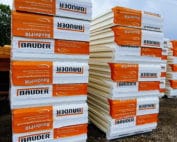
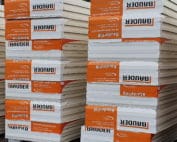
A roof sandwich panel combines metal facings with a core. It is compared with a solution providing a similar building envelope function, not with the covering sheet alone. A PIR insulation board with thin facings, on the other hand, is insulation and requires the remaining layers. Clarifying this distinction prevents apparent savings in the cost estimate and in mass calculations.

Is a lightweight roof advantageous during renovation?
Replacing a heavy covering with a lighter one can reduce the dead load on the structure. This is a significant advantage in partial modernisation. First, however, the condition of the members, supports and connections must be checked. Timber damaged by moisture or insects does not regain its load-bearing capacity when the weight is removed. A weakened roof structure may require repair even under light steel sheet.
The weight of layers added during renovation must also be calculated. New sheathing and insulation can reduce some of the benefit gained from a lighter covering. It is worth analysing the whole before ordering material. Only then can you assess whether retaining the existing structure is justified and what work will be needed at the eaves and ridge.
Why does low mass not solve the wind problem?
Wind can create suction that lifts the covering from the substrate. The fixings and the entire load path transmitting forces to the building structure are then important. A lightweight material is not in itself protection against gales. At the edges and corners of the roof, conditions differ from those in the middle. They require a suitably selected fixing pattern.
Snow must not be overlooked either. Its weight depends on location, geometry and accumulation points. Drifts can form at roof valleys, parapets and higher parts of the building. Changing to a lightweight covering does not alter these principles. The saving in kilograms should be treated as one benefit, not as permission to dispense with calculations.
What information should be passed to the designer and the seller?
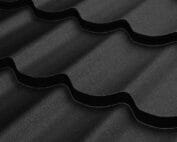
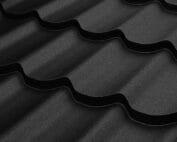
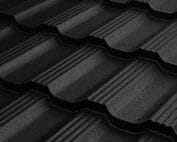
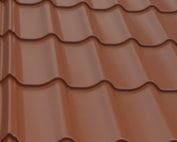
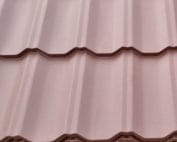
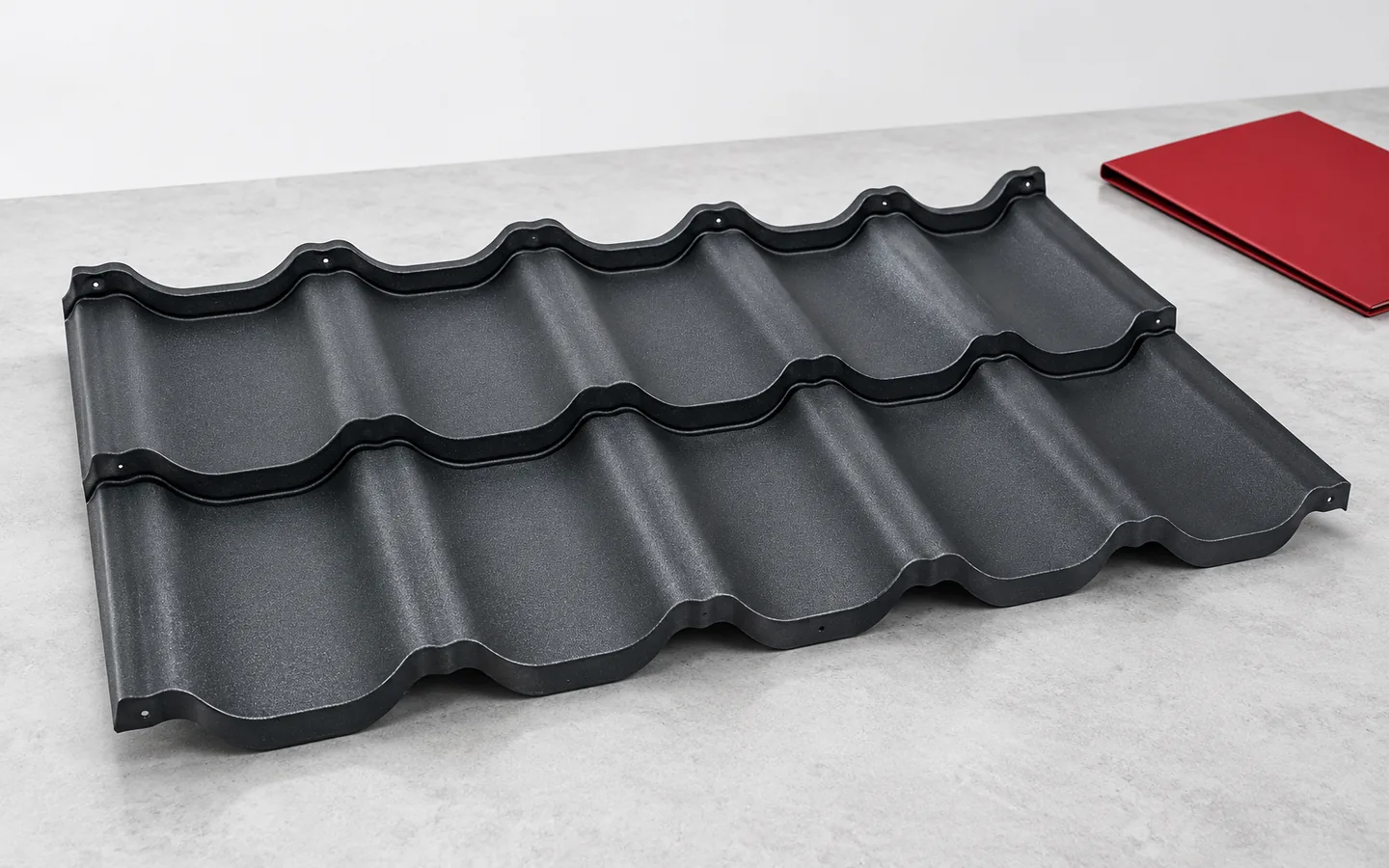
Prepare a roof plan, the support spacing and data on the existing layers. Indicate the planned equipment and the intended use of the attic. To assess the covering, the data sheet for the specific profile is needed, with weight, thickness and support conditions. For modular tile-effect metal roofing, also check the sheet’s coverage area so as not to confuse the weight of a piece with the weight per square metre.
Ask for two schedules. The first should show the cost of the complete roof, and the second its dead load. This makes it easier to assess whether the benefit of a lightweight material is not lost through other layers. A well-chosen steel sheet allows the weight to be reduced while maintaining the required properties, provided the design also accounts for airtightness, acoustics and fixing.
7 branches. Materials closer to your project.