Choosing a covering
Roof covering options and the differences that matter
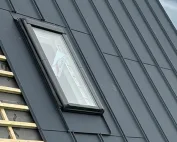
First establish whether a given covering suits the roof at all, and only then compare its appearance and the cost of the whole solution. Check the pitch and the method of water drainage, because a material intended for a steep roof cannot always be used on a nearly flat slope. The minimum fall follows from the product documentation and may depend on longitudinal joints, skylights and other details. Also examine the loads, the type of support and the fire, thermal and acoustic requirements. Once these conditions are clear, the list of sensible coverings quickly narrows.
What conditions limit the choice of material?
The basis is the pitch angle and the method of water drainage. A material intended for a steep roof cannot automatically be used on a nearly flat slope. The minimum pitch results from the documentation for the given product. It may depend on longitudinal joints, skylights and other details. Percentages of pitch should not be confused with degrees.
The second matter is the structure. Loads and the type of support must be checked. The roof of a house, an open shelter and a heated hall operate under different conditions. Fire, thermal and acoustic requirements are also important. If these assumptions are established at the beginning, the list of sensible coverings usually narrows quickly.
Additional restrictions may arise from the design and from agreements concerning the appearance of the development. Before changing the type or colour of the covering, it should be checked whether the new variant complies with the conditions of the investment. This allows avoiding ordering material that cannot later be used.
When should trapezoidal steel sheet be considered?
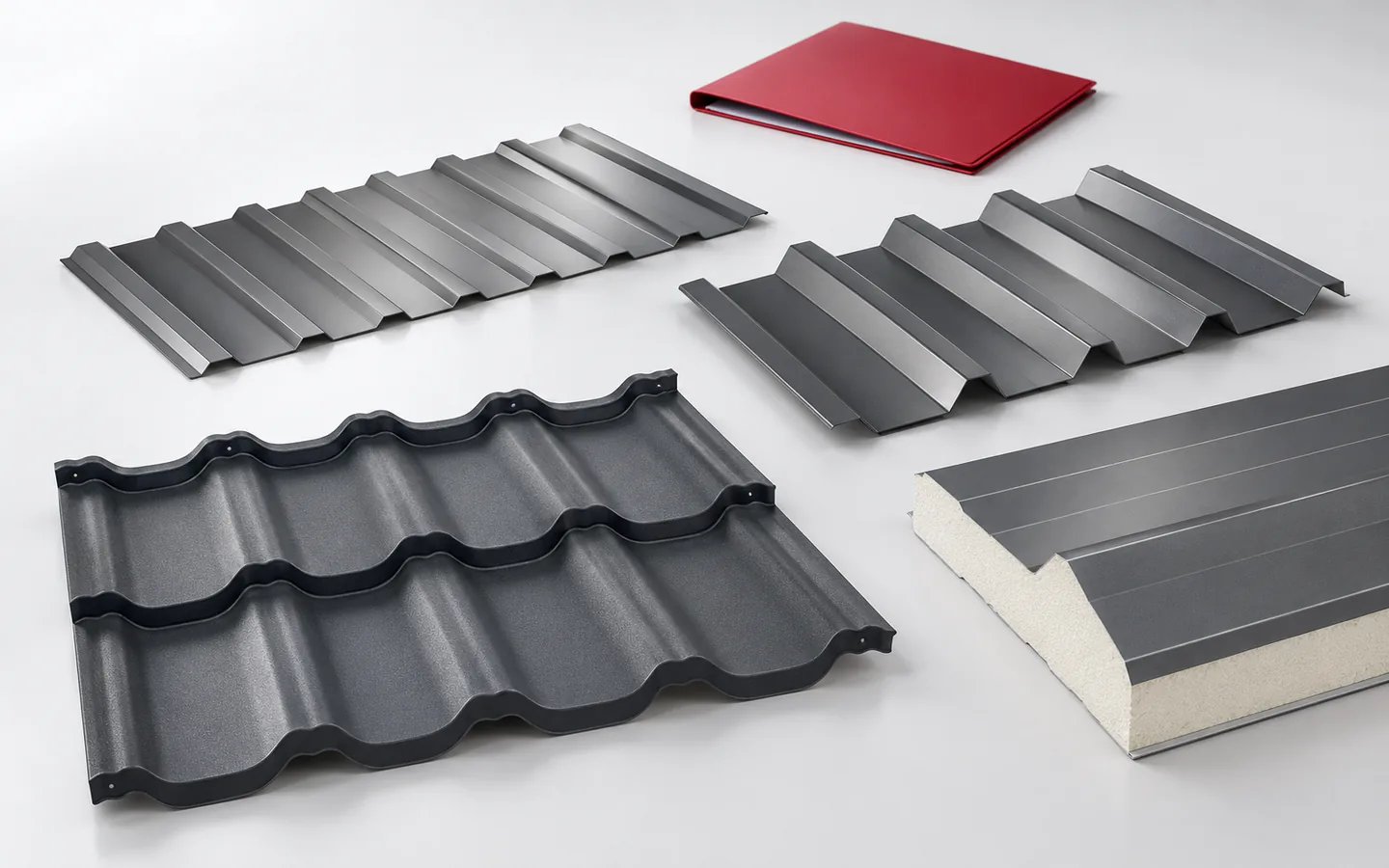
Profiles T18 and T35 are used in many roofs and façades, depending on the variant and documentation. Their simple geometry suits shelters, garages and agricultural buildings. Profiling stiffens the sheet, but load-bearing capacity also depends on steel thickness and support. The purlin spacing must not be selected solely from the number in the profile name.
Higher structural sheets serve a different role. They can form the load-bearing substrate in a roof with separate insulation and waterproofing. Not every such profile is intended as an exposed covering. With bare cold sheet, condensation and ventilation must in turn be taken into account. A trapezoidal profile does not provide thermal insulation merely because it has a higher rib.
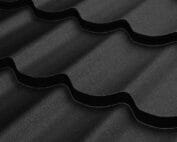
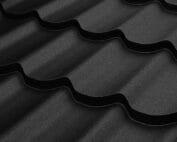
What distinguishes cut and modular tile-effect metal roofing?
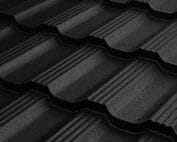
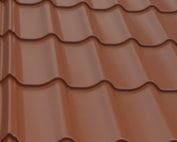
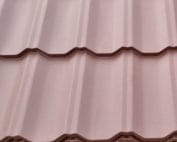
Both formats provide a surface with transverse embossments. Long sheets are ordered to the dimensions of the slope, while modules have a shorter, repeating format. On a simple roof, cut sheets can reduce the number of transverse laps. With a more complex shape, modules facilitate handling and cutting planning.
Appearance is determined by the height and rhythm of the embossments and by the coating. Durability also depends on the steel, corrosion protection and installation. Each profile has its own batten layout and method of forming the eaves. Tile-effect metal roofing should not be bought solely according to the price per total square metre of sheet. Information on the actual covering area is needed.

What does a roof sandwich panel offer?
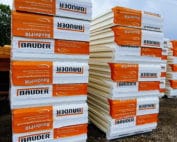
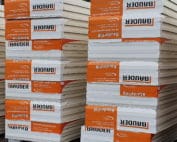
A sandwich panel combines two facings with an insulating core. The roof version has an upper surface designed to drain water and carry loads. The PIR variant can reduce the thickness of the assembly at the required insulation level. The mineral wool variant is sometimes chosen for different fire or acoustic requirements.
The classification of the entire panel must be checked, not just the properties of the core. The joints, fasteners, seals and support spacing matter. A PIR insulation board with thin facings is a different product. In an assembly with structural steel sheeting it can be an insulation layer, but it needs proper protection against water. It does not replace a roof panel on its own.
What place do roof tiles, roofing felt and membranes have?
Clay and concrete tiles form coverings made of small elements. Their weight and substructure differ from lightweight steel coverings. When renovating, the feasibility of the chosen variant must be checked. On a complex roof shape, small elements facilitate part of the work, but they also require fitting and the right accessories.
Roofing felt and membranes are waterproofing solutions used in specific roof assemblies. They require a suitable substrate, fixing and drainage details. Their price is not compared directly with the price of a complete sandwich panel. The other layers must be added. Bituminous shingle coverings also have their own requirements for the deck and pitch.
How to choose from several correct variants?
Request two or three quotes for the same roof. They should cover the material, substructure, insulation layers, flashings and installation. Add transport and available equipment. The difference in the price of the basic covering may disappear once accessories or necessary roof truss alterations are included.
Assess the feasibility of inspections, repairs and later installation of systems. Check samples in natural light. Ultimately, the best result is achieved with a material suited to the building’s construction and intended use. Fashion and colour help choose among correct solutions, but they do not replace the right pitch, support and sealed detailing.
7 branches. Materials closer to your project.