Metal fences
Six advantages of steel fencing to consider before buying
A steel fence offers considerable freedom of appearance, convenient installation and the ability to adapt the screen to the plot. Before buying, however, check whether the chosen infill type matches the gate and wicket material and whether the coating, edge finish and post construction will ensure durability in everyday use. Also consider visibility at an angle, the effect of wind on posts and foundations, and the possibility of replacing individual elements. Leave final design decisions to the designer and keep the specification for later.
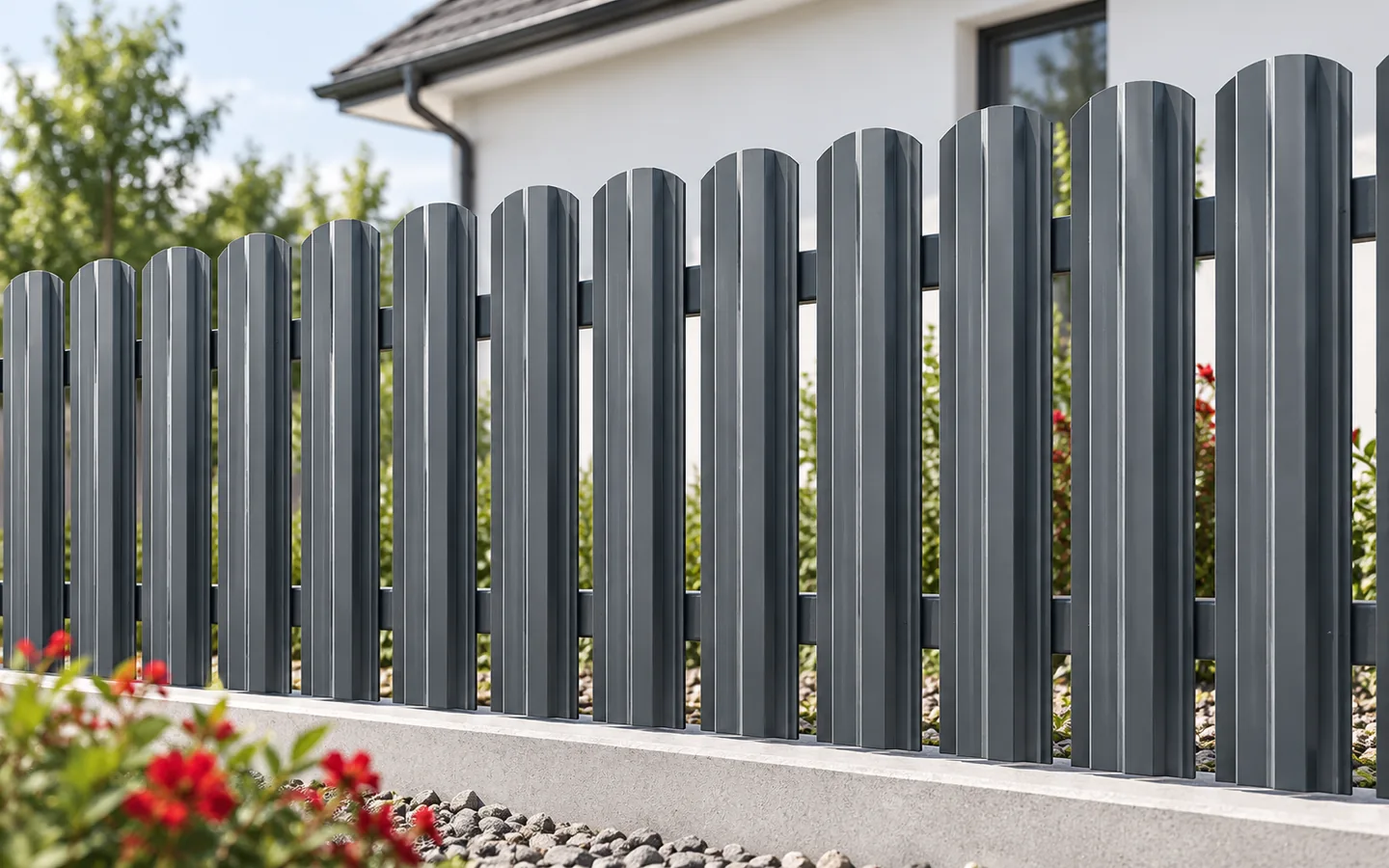
1. The appearance can be matched to the house
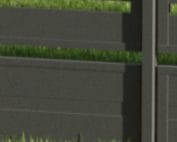
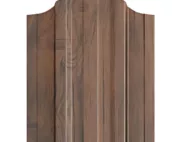
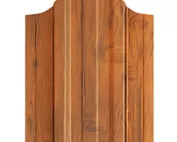
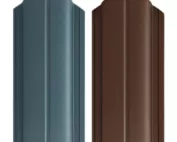
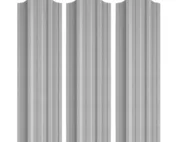
Steel pickets suit both a simple modern building form and a house with a pitched roof. The effect is changed by the width of the elements, their spacing, the shape of the ends and the colour. An infill of trapezoidal steel sheet gives a more technical character. It is therefore worth choosing the type of bay together with the material of the gate and pedestrian gate.
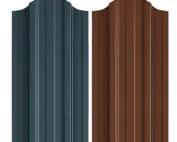
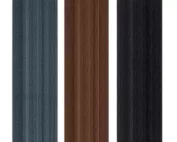
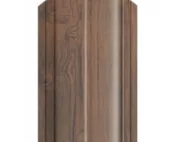
The easiest way to assess the set is on a sample positioned vertically. Sheet lying on a table reflects light differently from a finished fence. Nor should you assume an identical shade of roof and pickets solely on the basis of a colour code. Different coatings and batches may look different. One calm palette usually orders the whole more effectively than many contrasting details.
2. The degree of screening of the property can be selected
Spaced pickets leave gaps and allow the entrance to be observed. A denser arrangement limits the view from the street. With a double infill, actual visibility must be checked at an angle, not only straight on. A full bay of sheet provides a different level of screening than a single row of narrow elements.
Greater privacy usually also means a larger surface exposed to wind. This affects the posts, rails and foundations. An open infill must not be replaced with a full wall on the same structure without checking. A solution that is advantageous on the street side may be impractical with a windy fence or near the corner of a building.
3. Repetitive elements make installation easier
Pickets of fixed dimensions help maintain the rhythm of the bays. Installation, however, begins with setting out the line, the post spacing and the level of the crossbars. If this stage is inaccurate, even uniform elements will highlight the errors. On a sloping plot, the stepping of the bays or another permitted way of running the infill is established beforehand.
Fasteners selected for the structure and environment are used for fixing. An unsuitable screw can damage the coating or corrode quickly. Holes should not arise accidentally in places susceptible to deformation of the profile. Before series installation, it is worth preparing one complete trial bay and checking the spacing, the pressure and the appearance on both sides.

4. Maintenance is relatively simple
Steel with appropriate protection does not require the same treatments as raw wood. Ordinary care consists primarily of removing dirt and inspecting the surface. Particular attention is required in zones splashed with water, areas around plants and places where salt or soil accumulates.
This does not mean completely maintenance-free. A scratch should be assessed and protected in line with the coating recommendations. The steel sheet should not be cleaned with an aggressive agent simply because it removes dirt from paving stones. A water jet should not be directed from close up at edges and joints. Regular, gentle washing is better than infrequent cleaning with high force.
5. A damaged section can be replaced
In a picket fence, a blow to one element does not always require replacing the entire bay. If the construction and fasteners allow it, a single picket is removed. Infill made from a large sheet is repaired differently. The size of the element therefore matters not only at the time of purchase, but also after several years of use.
Keep the specification and consider a small stock of material from the same batch. Over time, the profile, available lengths or shade may change. A new picket is also sometimes visible next to a surface naturally weathered by the weather. The interchangeability of elements is an advantage, but it works best when the system manufacturer and the installation method provide for such servicing.
6. Easy to keep the overall cost of the fence under control
A repeatable layout allows the number of pickets, crossbars and fastenings to be calculated precisely. The width of the posts, gates and pedestrian gates must be taken into account. Counting only the length of the property boundary leads to errors. The actual spacing of elements is also important, because a small change in the gap over a long section significantly changes the amount of material.
Compare the full cost of the finished fence, including foundations and installation. Light steel sheet does not automatically mean a light foundation. The required construction is also determined by wind and the height of the bays. A well-prepared quote will show these dependencies straight away. This allows the spacing or type of infill to be changed without surprises at the end of the work.
When comparing quotes, also check the finish on the garden side. A single-sided colour and different protection of the underside can change how the bay is perceived. If both sides are to be presentable, this must be clearly stated in the order.
7 branches. Materials closer to your project.