Choice of roof covering
Where T35 trapezoidal steel sheet works well and what it costs
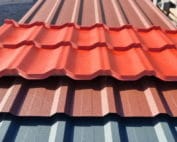
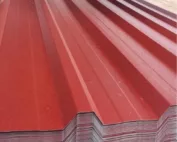
T35 is a family of trapezoidal sheets with a profile of around 35 mm, combining low weight with favourable section stiffness. Before buying, however, it is worth checking not the symbol alone but the specific variant: covering width, pitch, edges and thickness range, as well as conformity with the structural design. Price depends on thickness, coating and covering area, so a comparison with T18 or the design solution may be more reliable than a generic recommendation. Leave the final selection to the designer, who will assess loads, support spacing and service conditions.
What does the name T35 mean?
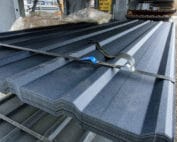
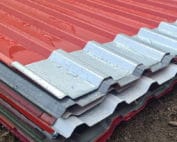
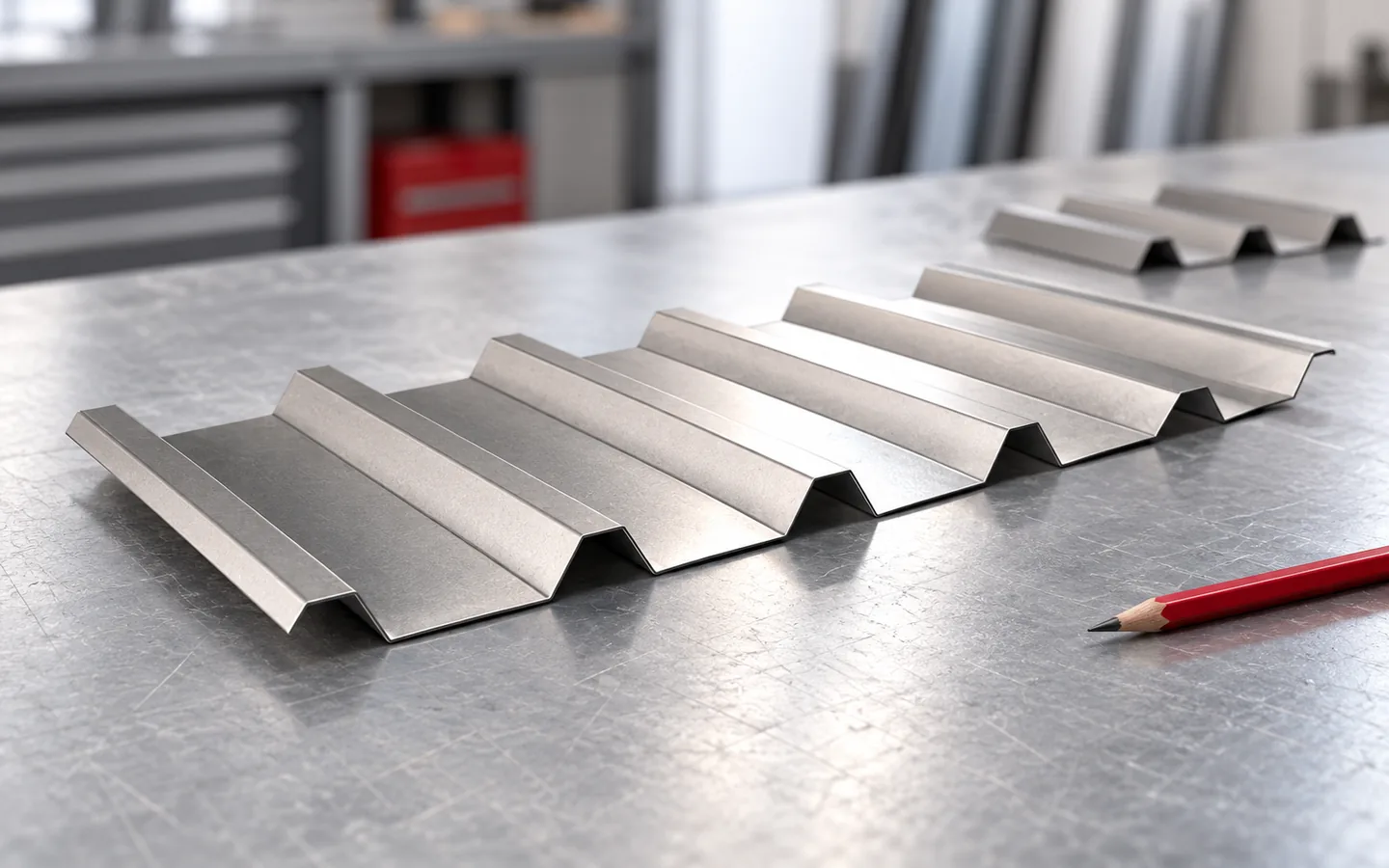
The designation refers to a family of trapezoidal profiles approximately 35 mm high. It is not a full product specification. Individual variants may have different cover widths, pitches, edges and thickness ranges. Therefore, when ordering, the specific profile must be stated, not just its abbreviated name.
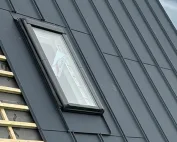
It is worth distinguishing the roof variant from the façade variant. The orientation of the profile and the side of the coating matter for appearance and water drainage. Not every sheet can simply be turned over. Repairing an existing covering requires a matching cross-section. Sheet of the same height may not connect with the seam of already installed material.
Where is a higher trapezoidal profile useful?
Profiling the sheet increases rigidity compared with a flat sheet. T35 can be a beneficial solution for garage roofs, carports and farm buildings. It is also sometimes used on façades. However, the application should be determined by loads, support spacing, thickness and steel properties.
The permissible span should not be derived solely from the profile height. The load table applies to a specific product and support scheme. Single-span and multi-span arrangements may give different results. Deflections and fastening under wind suction are also significant. T35 is not an automatic replacement for high structural sheet for a hall roof.
How does it differ from T18?
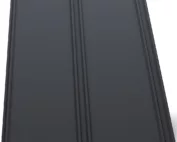
T18 gives a finer, calmer surface pattern. T35 creates a stronger rhythm and higher profiling. Structural differences should be assessed on the basis of tables for similar conditions. Comparing the heights alone is not enough. In one project T18 may be sufficient, in another T35 or yet another solution may be needed.
It is also worth comparing the effective width. Higher profiling may change the number of sheets needed for a roof slope. The price per m² of total surface area then does not directly describe the cost of the covering. The final calculation should take into account the cutting plan and supports. A cheaper sheet may require a different substructure, which will change the cost of the entire roof.

What prices does the catalogue example show?
In the price list valid from 28 October 2026, an example T35 variant with a thickness of 0.50 mm with gloss polyester costs €9.20 net per effective m². With a matt polyester coating, it is €10.40 net. These are values for specific catalogue items, not an offer from this site nor a fixed price for all T35 products.
The 0.70 mm version with gloss polyester in the same list costs €14.03 net per effective m². A greater thickness affects the cost and the parameters, but it is selected according to needs. An order may include surcharges, transport and individual terms. The current price must be confirmed for the selected profile, length and coating.
What else affects the cost of the work?
Flashings, fasteners and drainage elements must be added to the sheets. The roof of a heated building also needs proper insulation and moisture-controlling layers. The anti-condensation coating in the chosen variant retains some condensate but does not replace insulation. It must be able to dry out through ventilation.
Long sheets can reduce the number of transverse joints but require planned transport and unloading. In a small project, delivery cost can be significant. Cut-offs must also be taken into account. With many roof valleys, a simple product of roof area and price per metre will not show the actual order value.
How do you choose T35 for a specific building?
Prepare information on the building’s use, roof pitch and substrate. Provide the support spacing resulting from the design and the environmental requirements. Choose the coating to suit the external and internal conditions. In an agricultural facility, the interior may be more demanding than the surroundings. Colour is not the only criterion for choosing the protective finish.
Check the installation instructions and permissible pitches for the specific variant. Avoid universal recipes for the number of screws or the length of the overlap. A good choice of T35 results from matching the entire system. The profile offers many possibilities, but it only realises them when the structure, connections and operating conditions have been checked together.
On delivery, check the condition of the edges and the conformity of the ordered lengths. Keep the labels and the material documentation. They will make it easier to reorder sheets if necessary and help avoid joining profiles that appear similar but are not compatible.
It is worth viewing joined sheets before purchase, particularly when the material is to supplement an older covering.
7 branches. Materials closer to your project.