Where to place a rainwater gully so you can clear it later

A gutter sediment trap is installed as an accessible point between the downpipe and the underground pipe to make inspection and cleaning easier. Before installation, check where the water drains and whether it can back up, and match the product to the pipe diameter, outlet level and installation location. Ensure a stable base, tight connections and free access to the basket. Remember that the trap does not replace gutter cleaning or solve a blocked installation. How it works depends on the product design, so leave the choice of solution to the designer.
By |2026-11-14T23:57:49+01:002022-08-24|Knowledge base|Comments Off on Where to place a rainwater gully so you can clear it later

Box gutters or half-round gutters: comparing shape and capacity

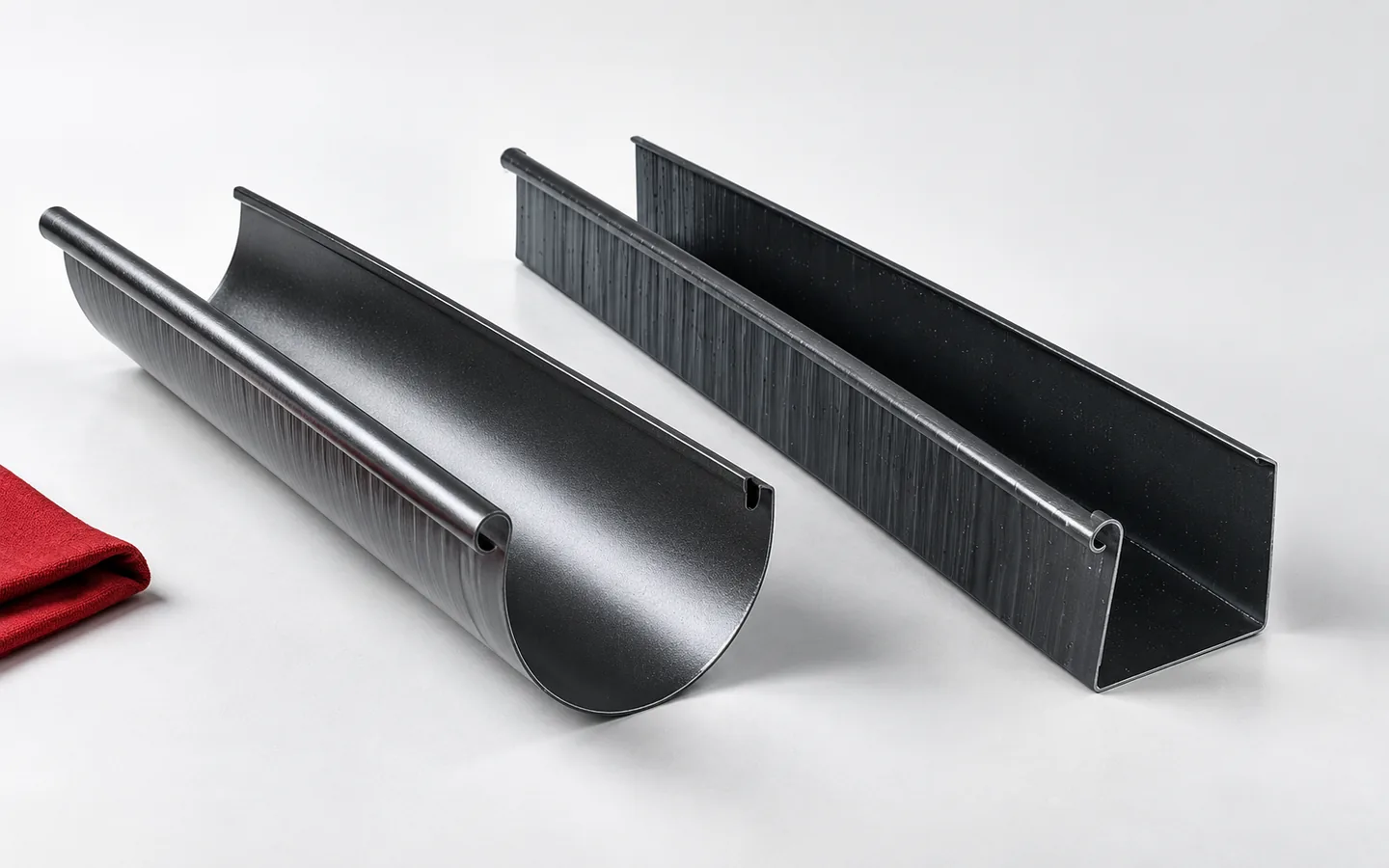
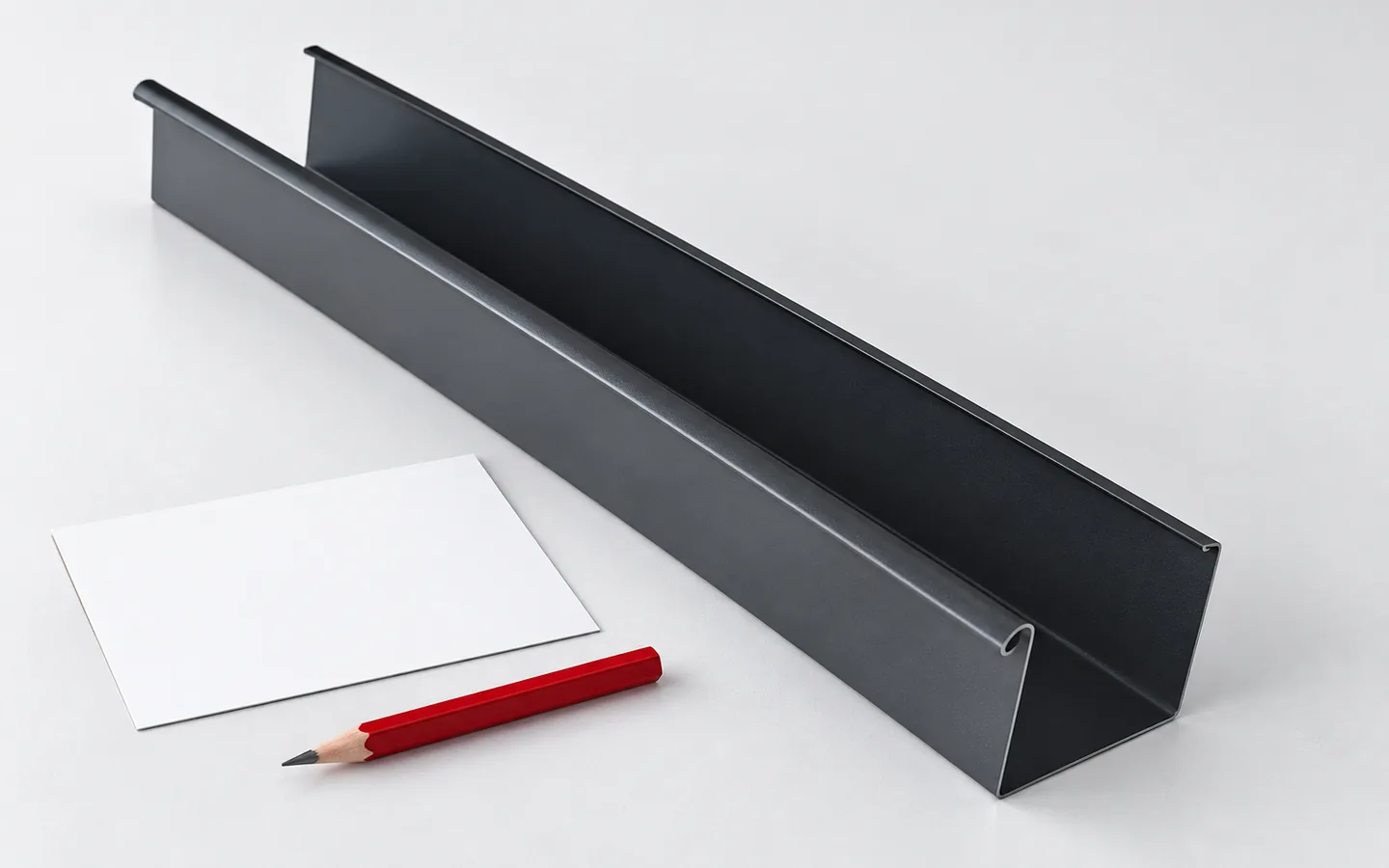
The choice between square and half-round gutters depends primarily on the required drainage capacity, not on shape alone. Check the actual hydraulic cross-section, the number and position of outlets, and the roof area the gutter is to serve. Also compare the mounting method, availability of accessories and ease of cleaning. For a hidden gutter, pay attention to tightness and emergency overflow. Leave the final selection to the designer, because the trade name of a size does not guarantee the same cross-sectional area across different systems.

By |2026-11-14T23:58:05+01:002022-07-10|Knowledge base|Comments Off on Box gutters or half-round gutters: comparing shape and capacity

Steel or PVC gutters: what to check before choosing

The choice between steel and PVC gutters depends primarily on drainage capacity, not on the material alone. Before deciding, check the roof area assigned to each outlet, the roof pitch, the eaves length and the downpipe positions. In both systems, the fall, bracket spacing, expansion joints and patency are key. Steel stands out for its rigidity, while PVC offers low weight and resistance to material corrosion; plastic reacts more strongly to temperature in terms of dimensions. Leave the final layout to the designer.

By |2026-11-14T20:13:30+01:002022-06-24|Knowledge base|Comments Off on Steel or PVC gutters: what to check before choosing

Preparing a roof for winter to reduce the risk of damage

Before winter arrives, remove loose flashings, lifted edges and active leaks, since frost and wind will make each of them worse. Also check that the entire water drainage system is clear, not just the section at the eaves. Inspect the fixings of snow guards, plus ventilation and any signs of moisture inside. Establish safe roof access and a response plan for after a gale or heavy snowfall. Carry out work on coatings before the frost, in conditions that match the material instructions.

By |2026-11-15T03:58:09+01:002022-05-20|Knowledge base|Comments Off on Preparing a roof for winter to reduce the risk of damage

Autumn roof checks before the first frost and snowfall

In autumn, first check whether water can drain freely from the roof slope and gutters, because a blockage or choked outlet may only become apparent with the first rainfall. Walk around the building and assess the covering, flashings and signs of damp on the façade below the gutter. Also look in the attic after rain to distinguish fresh moisture from old stains. On that basis, plan repairs before the frost, matched to the type of coating and the conditions recommended by the manufacturer.

By |2026-11-15T03:57:38+01:002022-03-09|Knowledge base|Comments Off on Autumn roof checks before the first frost and snowfall
Back to top