PIR insulation
Buying Recticel Powerdeck F. How do you calculate the cost of the bonded variant?
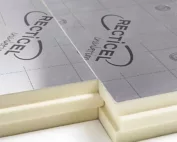
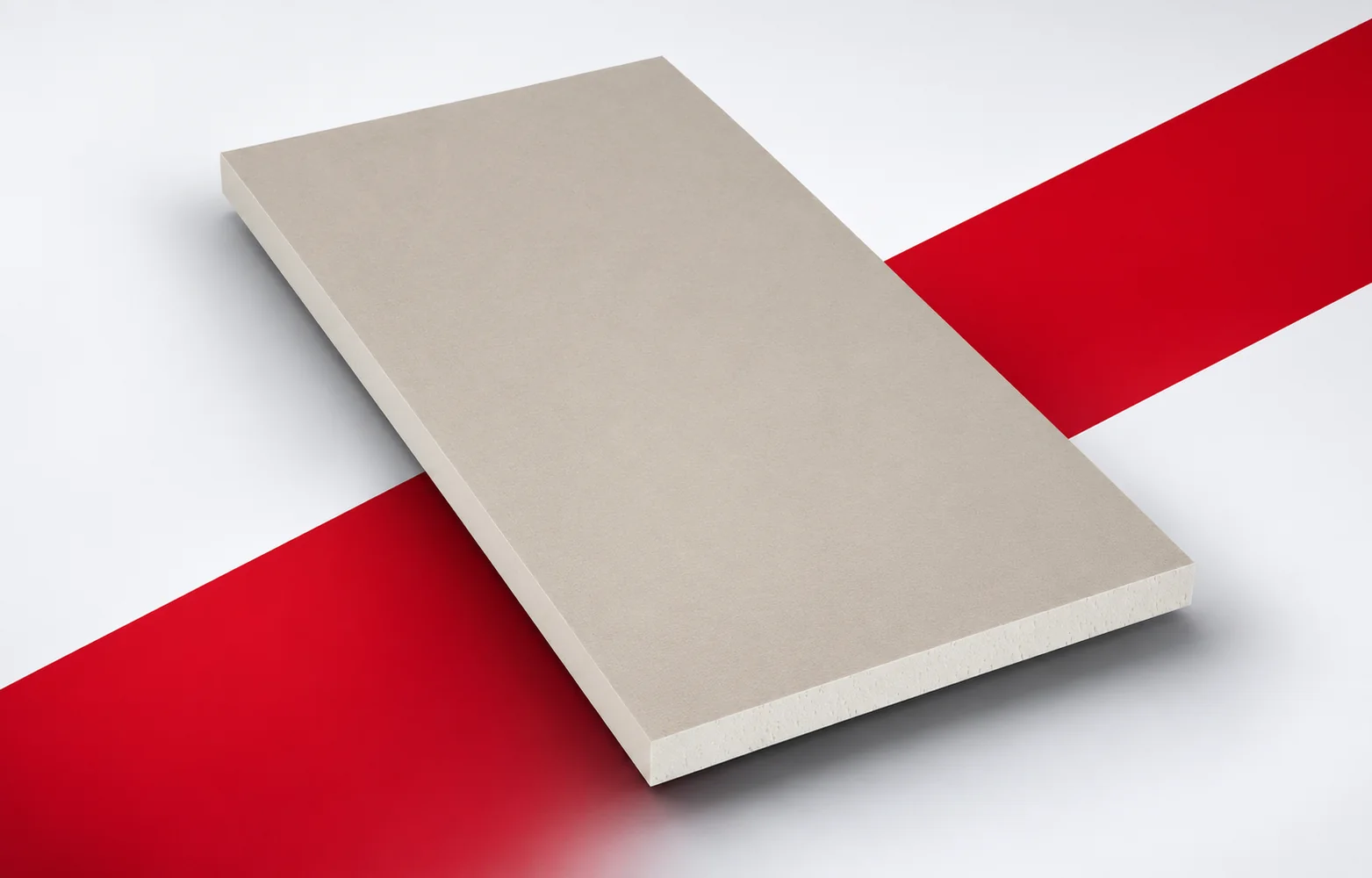
With Powerdeck F, it is worth pricing the material and the joint execution separately. Adhesive consumption, substrate preparation and roofing details all affect the cost. A quote based only on the board area does not show the full difference between the bonded system and another fixing variant. Recticel Powerdeck F has a PIR core faced on both sides with mineralised glass fleece. The product is intended for flat roofs with a suitably selected covering. When enquiring about PIR boards, describe the mineralised glass fleece of Powerdeck F as the surface that works with the covering. The Powerdeck F facing must be matched to the materials it comes into contact with in the adopted roof build-up.
The unambiguous scope of the enquiry
Do not choose solely on the basis of a short commercial description, because a similar PIR core colour does not determine whether the surface is compatible with the selected membrane. The compared offer should allow the choice of product to be based on the requirements of the specific roof system. Agree with the suppliers on the type of facing, the covering adopted and the documentation of their mutual compatibility, so that everyone prices a similar task.
What result is worth paying for
When comparing the costs of the bonded Powerdeck F variant, it is not enough to compare prices per square metre: for this board the declared lambda is 0.026 W/(m·K), so the thermal resistance of a layer of a given thickness must be calculated with precisely this value, not with the parameter of another PIR product.
For Powerdeck F a lambda of 0.026 W/(m·K) is declared, so the layer thickness must be determined from this parameter, not from the general name PIR. Comparing it with a product with a lambda of 0.022 will give a different result and may seemingly explain the price difference. In the offers table, enter the design thermal resistance, the available layer height and the calculation of the full roof cross-section — only then does the amount per square metre refer to the same thermal effect.
The board format versus the actual waste
The cutting cost depends on the edge geometry: the Powerdeck F data sheet specifies straight edges and a milled tongue-and-groove variant, and the availability of format and thickness must be confirmed for the variant being ordered before the number of boards and the allowance for offcuts is determined.
Before cutting, establish whether the Powerdeck F variant being ordered has straight edges or a tongue-and-groove joint, because the edge geometry translates into offcuts and actual coverage. The packaging area can be misleading when the format or profile changes; calculate the allowance from the cutting plan, not from the label alone. In the pricing of this detail, take into account the format from the order, the way the elements are butted together and the support at the end of the field.
Parameters required for application
In the Powerdeck F quotation, retain the designation CS(10/Y)120 and the conditions of the documentation concerning reaction to fire. Class E is stated for boards at least 40 mm thick. B-s2,d0, in turn, describes a specific end use; it is not a general class for any roof with this insulation.
For a substitute, check the CS120 declaration and the conditions of the Class E stated for Powerdeck F from 40 mm and relate them to the actual substrate and fixing. A similar name or facing alone does not guarantee that the system falls within the previously assessed scope. The supplier should present data for the entire roof, covering mechanics and fire behaviour. Compare the board thickness, the complete layer build-up and the documentation matched to the fixing method in both solutions before you regard the lower price as a saving.
Delivery and protection of the purchased material
In the enquiry for Powerdeck F, specify the particular bonded or self-adhesive membrane and the fixing system with which the board is to work. The name polyurethane or bitumen adhesive alone does not confirm compatibility with the mineralised glass fleece.
In the bonding offer, specify the membrane in a defined set with the bonding material and confirm their compatibility with the mineralised fleece. The item “polyurethane foam” requires clarification of the scope of protection, because the chemical name of the adhesive does not confirm the compatibility of the specific product. Before the final price, establish the system instructions, the requirements for the substrate, the inspection of the bond before covering the details and the responsibility for the safeguards.
Full cost of the finished solution
The cost of the bonded variant with Powerdeck F covers not only the board thickness but also substrate preparation, the required layers and connection details. Only such a scope allows offers to be compared.
When pricing the thermal insulation, compare the full scope of works: substrate preparation and the connection of the insulation to the waterproofing system. The quotation must include the covering materials so that the purchase price can be related to the completed works — a low board price does not include priming, bonding or flashings. Before ordering, check the bill of quantities for boards, connecting materials, substrate works and perimeter details, and record excluded items as a separate cost.
A favourable offer for Powerdeck F should take into account the solution for which the mineralised fleece was selected. If one contractor prices the full substrate preparation and another only the boards, the amounts are not comparable. A similar situation applies to adhesives and flashings. Ask for the scope that leads to a finished covering. The price decision then remains linked to the actual method of roof execution.
7 branches. Materials closer to your project.