PIR insulation
PIR, cellulose or wood fibre: comparing the cost of finished insulation
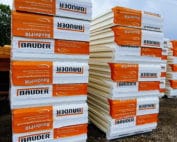
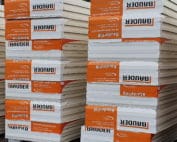
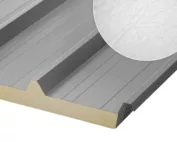
The price of the material in a pack is not enough to compare different technologies. PIR boards, cellulose and wood fibre require different preparation and installation methods. The purchase should be assessed for a similar thermal effect, taking into account space, summer comfort and the full scope of work. PIR boards are rigid products with a defined thickness and facing. Cellulose can be blown into prepared cavities. A quote for blowing in may include installing the layer, while a PIR quote may cover only the material. A comparison requires adding the scope of labour and preparation to both variants. Record the scope of each quote in stages: preparing the space, delivery and installation of the layer. This will allow you to distinguish the price of the product from the price of the completed service.
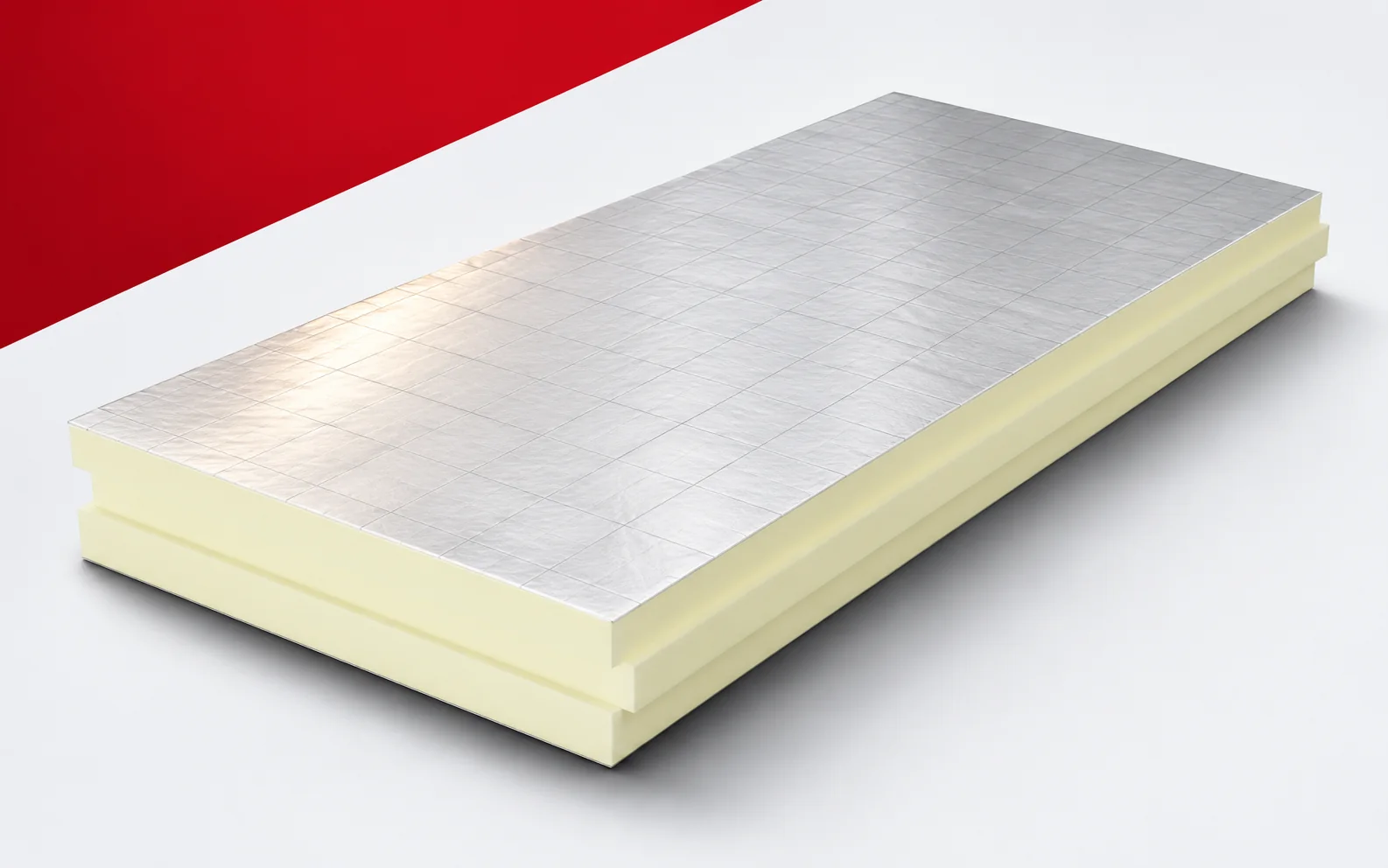
Different forms of material
A comparison of delivery prices alone would therefore be incomplete. Both variants must be brought to the same final scope. Only then can it be assessed which one better suits the geometry and organisation of a specific construction project.
What determines comfort in summer
The thermal resistance of the layer alone does not determine comfort under the roof in summer. The result is also determined by the heat capacity of the building component, the glazed area, shading and air exchange. A claim of a cool attic should therefore also specify the windows and the way the rooms are used.
A promise of summer temperature should be based on the assumptions for the room. Windows, shading, internal gains and the way heat is removed are important. The price of the insulation does not automatically include a solution for these elements. It is worth separating the offer for improving the building component from the assessment of overall summer comfort. This way the buyer does not pay for an expectation that the material alone cannot reliably guarantee.
Where a small thickness is useful
In a building with limited construction height, a suitably selected PIR board can provide the required thermal resistance with a thinner layer. If this means that flashings do not have to be reworked, the saving also applies to work at the edges. In the cost estimate, show which works can be omitted in the given case.
For fibrous material, a benefit can be the efficient filling of existing space. If the thicker variant requires raising flashings, the cost of this work must be added to the comparison. The thinner PIR can then gain an advantage across the whole assembly despite the higher board price. In a space well prepared for blow-in installation, the benefit can arise from a different organisation of the installation. It is worth calculating both situations for the actual dimensions. There is no basis for attributing the lowest price in every building to one technology.
Combined insulation and moisture transport
In an assembly combining PIR with fibrous insulation, moisture must be prevented from becoming trapped in the timber or sheathing. Such a variant therefore requires pricing of the sealing layers and joints, because without them the comparison does not cover the finished building envelope.
When combining two materials, membranes and transitions between the layers must also be priced. Their scope follows from the moisture assessment and airtightness. They should not be treated as an optional addition to the thermal insulation. A quote for the sum of materials alone may not cover the finished building envelope. A clear description allows a hybrid technology to be compared with a homogeneous one without concealing the necessary work.
Acoustics and fire protection
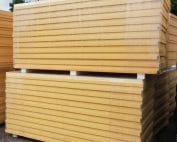
The choice between PIR, cellulose and wood fibre should not be based on the name of the raw material. The reaction to fire is determined by the document for the specific product, while fire resistance is established for the entire building element. Where acoustic performance is required, compare variants with the appropriate acoustic function, not just the cores.
If the task also includes noise protection, the cost estimate should show a suitable build-up. In it, a fibrous infill can perform a different function from rigid insulation. Substituting the material therefore requires an assessment of the other layers. It is worth adopting a common acoustic requirement for the offers being compared. Only then will the price difference not result from omitting one of the expected effects.
Matching to the task, not to the slogan
The starting point is the effect the building element is to achieve: the available height, the expected thermal insulation and the way the rooms are used. In the cost estimate, separate the energy cost from the installation cost, otherwise you will be comparing technologies with different scopes of work.
The initial cost and the energy cost relate to different stages. Both can be compared, but a transparent service life and price assumptions must be adopted. Space saving is an additional benefit that cannot always be expressed in a heating bill. It is worth describing it separately. Such an approach to assessment shows the real reasons for choosing PIR or fibres, without the false precision of a single universal figure.
An example that brings order to the comparison
Example assumptions are a density of 160 kg/m³, a specific heat capacity of 2100 J/(kg·K) and a thickness of 120 mm. Their product gives an area heat capacity of approximately 40.32 kJ/(m²·K), and for 60 m² approximately 2419.2 kJ/K. Such a calculation distinguishes the mass of the layer from the specific heat capacity alone. It does not determine the room temperature or a guaranteed delay in warming — for that, the entire cross-section and a balance of heat gains and heat removal are needed. When comparing with fibres, also identify the core and facing of the selected PIR. A factory-made board and a spray application are different forms of construction; the cost comparison must refer to the specific form of insulation and the place where it is used.
7 branches. Materials closer to your project.