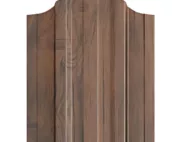
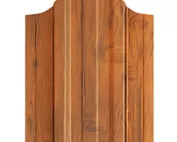
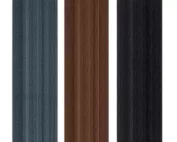
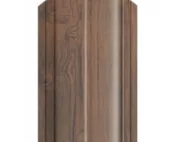
Metal fence pickets and fences
How many spare metal fence pickets should I order and how should I choose parts for later?
A few additional items can make future fence repairs easier. However, a reserve only makes sense if it matches the pickets actually installed and is stored properly. There is no single percentage that suits every project. A fence with one length has different needs from a layout with multiple dimensions. It is worth defining the reserve after calculating the basic order. First, calculate the material needed to complete the project. Each section should have a defined number of pickets and lengths. Only then consider additional items. The reserve should not mask measurement uncertainty or replace checking the extreme gaps. Otherwise, it is difficult to assess what actually remained after installation.
Separate the reserve from calculation errors
List the reserve separately in the schedule. This keeps the quantity acceptance clear. If several items were used during the works, the change can be recorded. Metal fence pickets intended for later should not disappear into the installation simply because they were not separated from the main batch.
Check the number of different variants
The fence may have one cross-section and colour but several lengths. There may also be different end finishes or coatings on the gate and the pedestrian gate. A reserve of one variant does not cover all future needs. It is worth preparing a list of groups and considering where a replacement would be most troublesome.
This does not mean that a copy of every element must be stored. The decision should take into account the scale of the fence, product availability and storage capacity. However, no universal number of pickets can honestly be given for every property. The reserve is part of a specific plan, not a fixed property of the material.
Do not assume arbitrary shortening of the reserve
A longer picket may seem the most universal. However, the permitted processing method and the type of end finish must be checked. Shortening may change the appearance of the end or require protection compatible with the coating. Not every decoration and profile can be adapted in the same way on site.
If you plan such a reserve variant, agree it with the supplier. Do not use tools that damage the coating simply because the cut concerns a spare element. Once adapted, metal pickets must still meet the requirements of use. Convenience of storage should not lead to an incorrect repair.
Allow for colour consistency over time
A reserve from the original delivery helps to preserve material identification. However, it does not guarantee an identical appearance after many seasons. Installed pickets will have a different exposure than elements stored under cover. It is worth remembering this difference when expecting an invisible replacement.
Before later use, compare the spare with the cleaned fence. Check the coating, texture and any decoration. Compatibility should not be judged on the basis of a dusty picket taken from storage. A proper comparison requires similar lighting conditions and surface condition.

Small accessories may also be needed
When replacing an element, a new connector, bracket or end piece may be necessary. It is worth knowing their exact type and having the data for reordering. Do not assume that a removed fastening element is always suitable for reuse. The condition of the connection requires assessment.
The spare accessories should be compatible with the system and clearly labelled. A similar cover from a different profile may not fit. Metal fence pickets are part of a system, so the metal element alone is not always sufficient for a repair. The reserve should be considered together with the planned replacement method.
Ensure proper storage
Check the storage instructions and the permitted duration. Transport packaging is not automatically intended for multi-year storage. Moisture between the elements and inadequate support can destroy the usefulness of the spare. Sheet metal pickets must remain dry and protected in the manner intended for the material.
Do not store them as a shelf for tools and do not rest the ends on wet ground. Keep the markings without applying random tape to the paint. It is worth checking the condition of stored parts periodically. The spare should not be treated as ready for use without inspection simply because it has never been installed.
Prepare a description to facilitate future repairs
Include the profile, length, coating, delivery date and field assignment with the reserve. Keep the fastening instructions and accessory data. A person carrying out a repair after several years does not have to remember the original project. A clear label and documentation limit guesswork.
A reasonable reserve of metal fence pickets provides flexibility for local damage. It should result from the number of variants, storage capacity and the replacement plan. First the precise main order, then a consciously selected reserve. This sequence helps avoid both a lack of the required part and the storage of random surplus.
If there is no suitable storage space, compare the benefit of the reserve with the risk of its damage. Sometimes it will be more important to keep full product identification and the supplier’s contact details. The choice should result from actual conditions, not merely from the possibility of buying a few more pieces.
7 branches. Materials closer to your project.