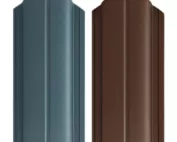
Metal fence pickets and fences
Pieces, linear metres of picket and linear metres of fence: how to calculate an order?
When buying pickets, it is easy to confuse three different quantities. The number of pieces refers to the elements, the linear metres of pickets to their total length, and the linear metres of fence to the length of the fence line. None of these values replaces the others. A reliable cost estimate must clearly show what is being calculated. This allows the quote to be checked and avoids ordering extra material due to an incorrect unit. A price per piece only makes sense when it is clear which element it covers. Two pickets of the same profile can have different lengths. Their rates should not be compared as the price of an identical product. In the schedule, each group should state the dimension and the quantity. This also applies to elements with a different coating.
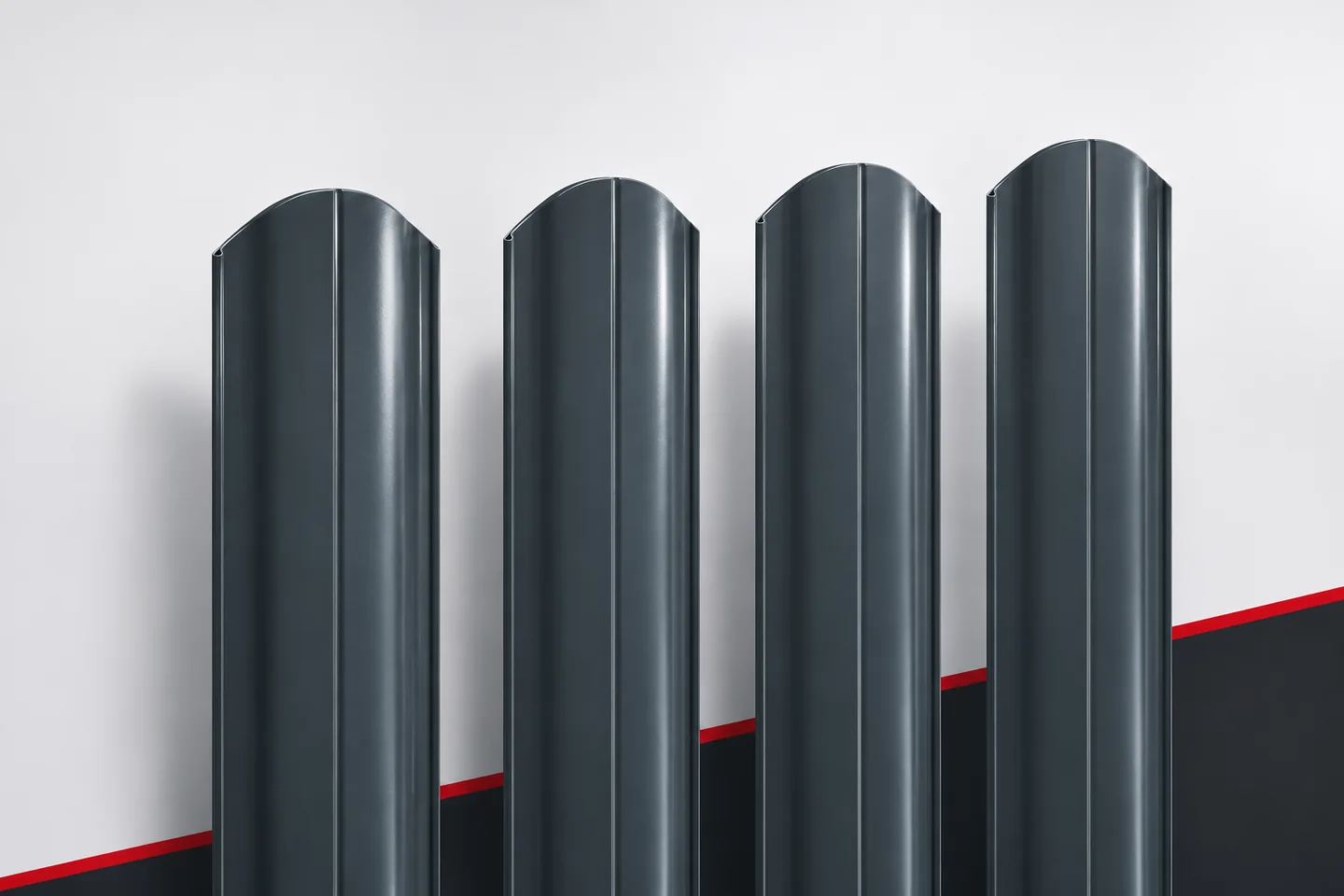
One piece must have a specified length
If all the pickets have the same dimension, the record is simple. With a stepped or arched line, separate groups are needed. It is not enough to average the heights. The order requires actual lengths so that the manufacturer can prepare the correct elements. An average can serve as a guide, but it does not replace the production list.
For each item, you can add the number of the field it is intended for. This makes it easier both to check the calculation and later to issue the packs for installation. The total number of pieces alone does not show whether the lengths were correctly distributed among the sections.
The linear metre of picket describes the material
For example, 20 pickets with a length of 1.50 m give 30 linear metres of pickets. The calculation is a simple product of the number of elements and the length of one. This does not mean 30 metres of finished fence. All the elements may be installed in one short section, depending on the width and the gaps.
With different lengths, calculate each group separately and then add the results. For example, 12 elements of 1.20 m give 14.40 m of material, and 8 elements of 1.50 m give 12 m. Together this gives 26.40 m of pickets. These are calculation examples, not recommended fence dimensions.
The linear metre of fence requires knowledge of the rhythm
The number of vertical pickets in a section depends on the visible width of the element and the clearance adopted. The edge gaps at the posts also matter. Therefore, the statement that a specific number of pieces per metre is always needed is too general. It must follow from explicitly adopted dimensions.
For measurement, use the width of the actual field intended for the infill. Do not confuse it with the length from the axis of one post to the axis of the other. The post material and the edge gaps take up space. In a correct summary, it is clear between which points the measurement was taken.
An example bay shows the importance of ends
Assume a panel 2000 mm wide, 15 pickets 100 mm wide and two end gaps of 20 mm each. This leaves 460 mm for the internal gaps. Between 15 pickets there are 14 such gaps, so each is approximately 32.86 mm. This is a geometry example, not guidance for selecting a safe spacing.
The calculation can be expressed in words: the panel width is the sum of the picket widths, the gaps between them and the two end clearances. When any component changes, the rest must be recalculated. The number of elements should not be rounded without checking how the resulting difference will be distributed at the posts.

Count two rows separately
In a staggered arrangement, each row has its own position relative to the ends of the bay. The quantity of material often increases significantly, but the same number of pieces should not automatically be assumed for both rows. Their geometry must be checked. Only the sum gives the quantity of metal pickets to order.
The finish of both sides of the coating remains separate. A two-sided colour does not mean doubling the number of elements. It is a property of a single picket. In the schedule, separate the number of rows, the type of material and the quantity of pieces. This way the quote will not depend on interpretation of the word “two-sided”.
Area in square metres needs clarification
Some comparisons refer to the fence surface area. It must then be clear whether this means the outline of the bay, the developed area of the sheet or another scope. These quantities are not equal. The strip width before profiling may be greater than the visible width of the finished picket. They must not be used interchangeably.
If the offer gives a price per square metre, ask for the definition of the unit and the conversion method. It is good if the final order still specifies concrete pieces and lengths. These are what arrive on site. The surface area result alone does not allow verification that the delivered elements fit each panel.
Close the calculations with a full summary
For each item, record the profile, length, number of pieces and total length of material. Calculate accessories separately according to the appropriate system. Do not derive the number of fasteners solely from the total fence length. It depends on the arrangement and the fixing requirements of the specific metal pickets.
Finally, compare the schedule with the drawing. Check whether the pedestrian gate, driveway gate, corners and height differences have been included. Metal pickets can then be ordered in clear units. Every number has a clear meaning, and the price refers to the material that is actually needed.
Before approving production, also check the units of length. A figure of 150 without a unit may be misread. Consistent use of millimetres or centimetres in the table reduces the risk far more than additional rounding.
7 branches. Materials closer to your project.